
Canine Research Has Found That Dogs Who Gaze Longest at Their Owners During Interaction Show the Highest Measured Increases in Oxytocin in Both the Dog and the Human
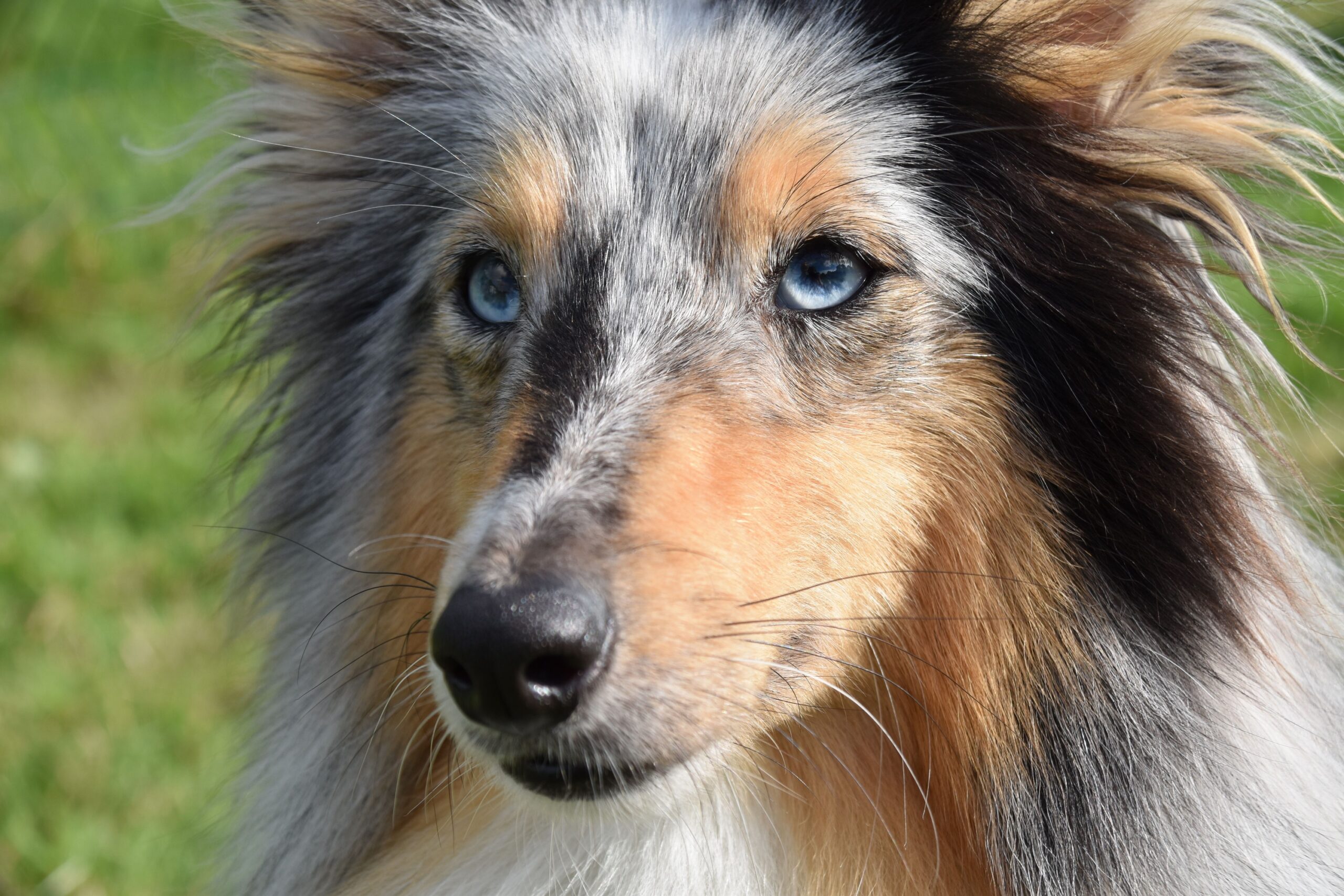
Ever noticed how a simple, lingering gaze from your dog can melt your heart? Turns out, this mutual stare isn’t just a fleeting moment of affection – it’s a powerful biological exchange that deepens the bond between you and your furry friend.
The Science Behind the Gaze
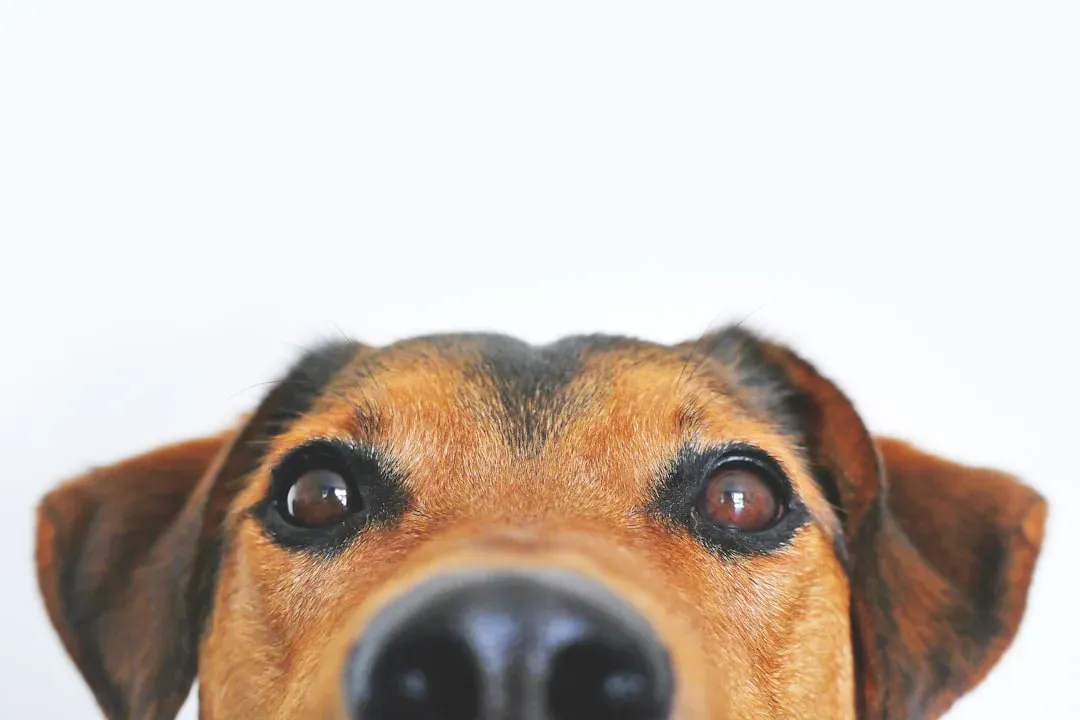
Recent studies have unveiled that when dogs and their owners engage in prolonged eye contact, both experience a significant surge in oxytocin levels. Oxytocin, often dubbed the “love hormone,” plays a pivotal role in social bonding and emotional connection. This hormonal boost isn’t just a one-way street; it’s a shared experience that reinforces the unique bond between humans and dogs.
In a groundbreaking study, researchers observed that dogs who gazed longer at their owners triggered a more substantial increase in oxytocin levels in both parties. This mutual hormonal rise suggests that the simple act of looking into each other’s eyes can strengthen the emotional connection, making the relationship even more profound.
Beyond Words: The Power of Non-Verbal Communication
Dogs are masters of non-verbal communication. While they might not understand every word we say, they are incredibly attuned to our body language, facial expressions, and, notably, our gaze. This silent form of communication allows for a deep understanding and connection that transcends language barriers.
When a dog locks eyes with its owner, it’s not just seeking attention or treats. This behavior is a form of social bonding, akin to the way human infants bond with their caregivers through eye contact. It’s a testament to the evolutionary journey that has intertwined the lives of humans and dogs for thousands of years.
Oxytocin: The Hormonal Glue of Relationships
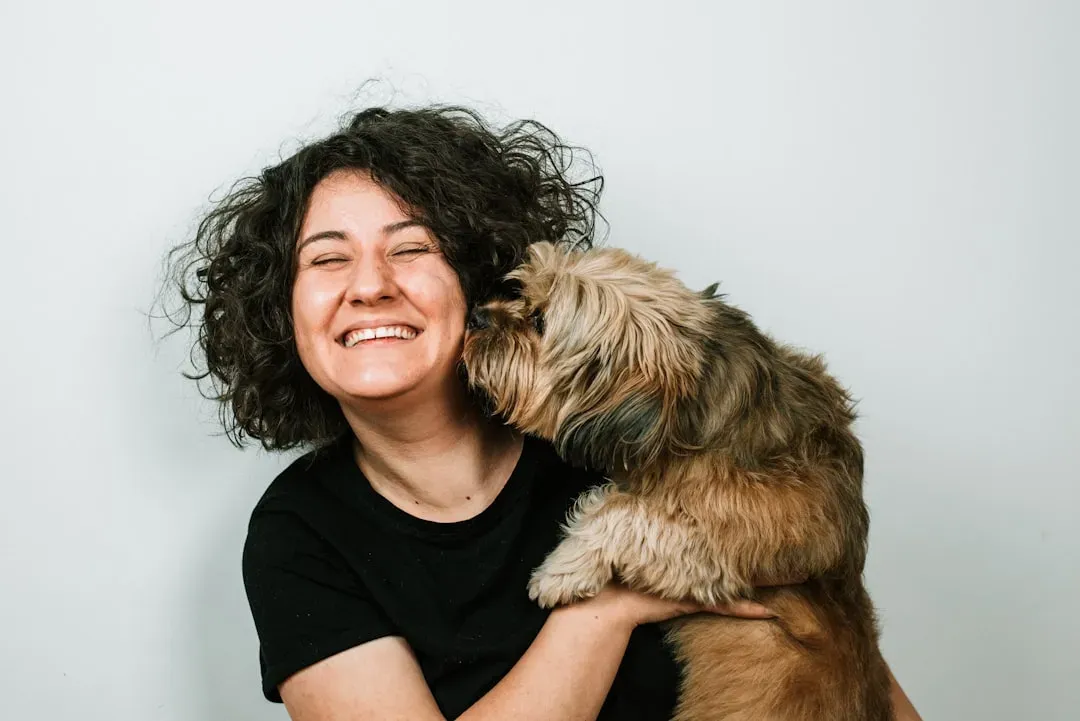
Oxytocin is a hormone that has been extensively studied for its role in social bonding, trust, and emotional connection. In humans, it’s released during moments of intimacy, childbirth, and even when we hug someone we care about. In the context of human-dog interactions, oxytocin serves as the chemical foundation that cements the bond between the two species.
The mutual increase in oxytocin levels during prolonged eye contact suggests that this simple act can have profound effects on the emotional well-being of both dogs and their owners. It’s a natural, biological mechanism that reinforces the feelings of love and attachment, making the human-dog relationship one of the most unique interspecies connections.
Practical Implications for Dog Owners
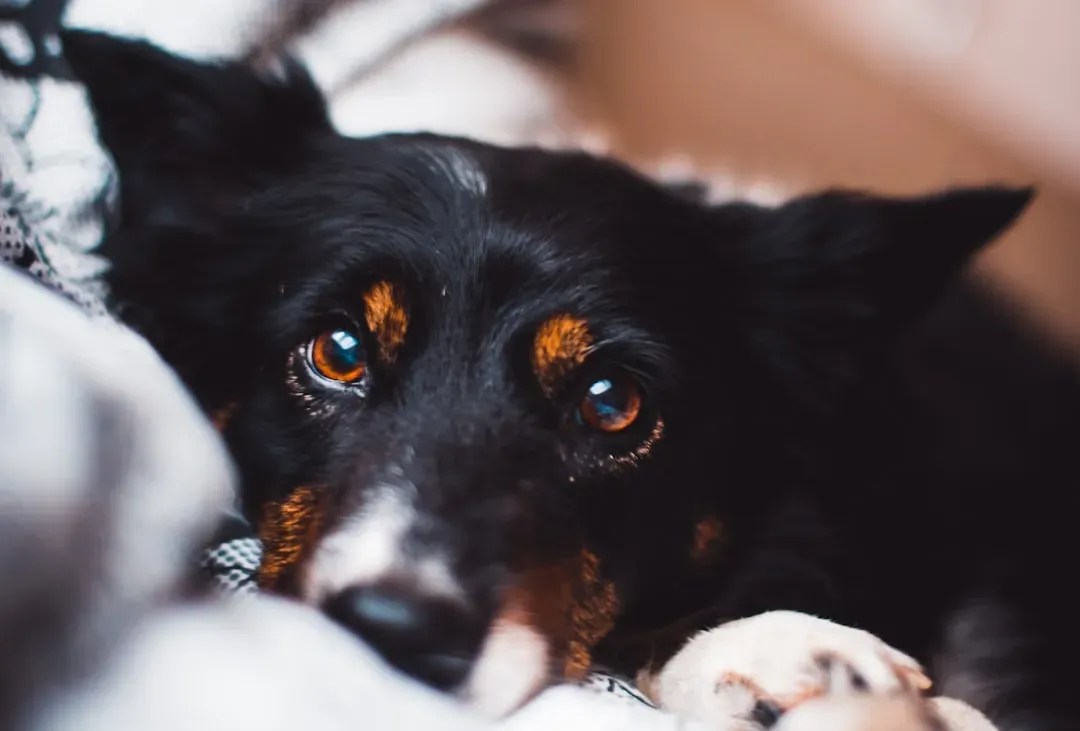
Understanding the science behind the gaze can have practical benefits for dog owners. Engaging in regular, affectionate eye contact with your dog can strengthen your bond and enhance mutual trust. It’s a simple yet effective way to communicate love and affection without the need for words.
However, it’s essential to approach this practice with sensitivity. Not all dogs are comfortable with direct eye contact, especially if they have a history of trauma or are naturally more timid. Always observe your dog’s body language and ensure that the interaction is comfortable and stress-free for both of you.
The Evolutionary Perspective
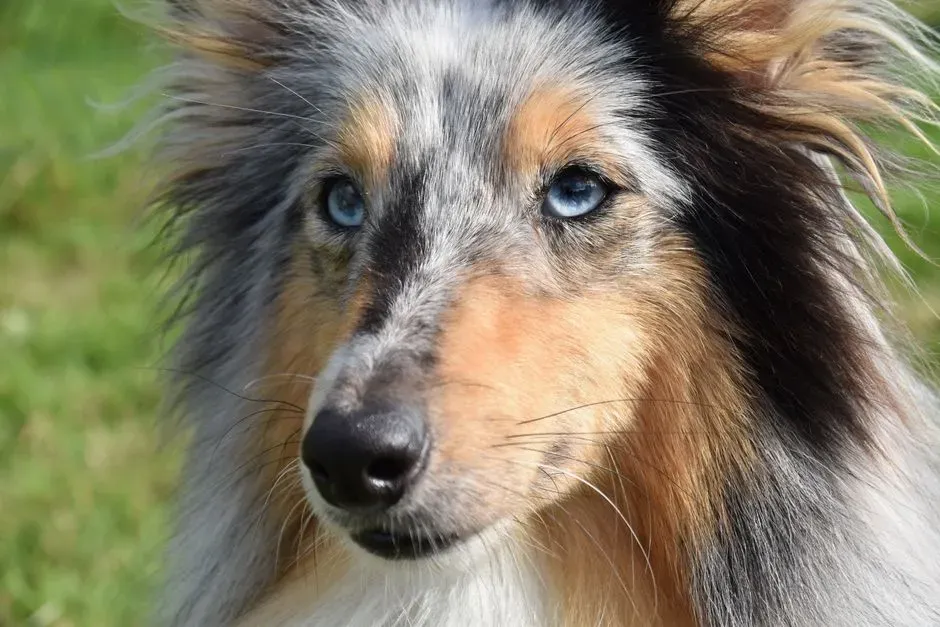
The ability of dogs to bond with humans through eye contact is a remarkable example of co-evolution. Over thousands of years, dogs have adapted to live alongside humans, developing unique social skills that facilitate this interspecies relationship. The mutual gaze and the associated oxytocin release are likely products of this long-standing companionship.
This evolutionary adaptation has not only benefited dogs by providing them with food, shelter, and care but has also enriched human lives by offering companionship, protection, and unconditional love. It’s a symbiotic relationship that continues to evolve and deepen with time.
Conclusion

The simple act of gazing into your dog’s eyes is more than just a moment of affection; it’s a powerful, biological exchange that strengthens the bond between you and your canine companion. This mutual gaze triggers a surge in oxytocin, reinforcing feelings of love and trust. So, the next time your dog looks into your eyes, remember that this silent communication is building a deeper, more meaningful connection. Isn’t it amazing how a simple look can say so much?