
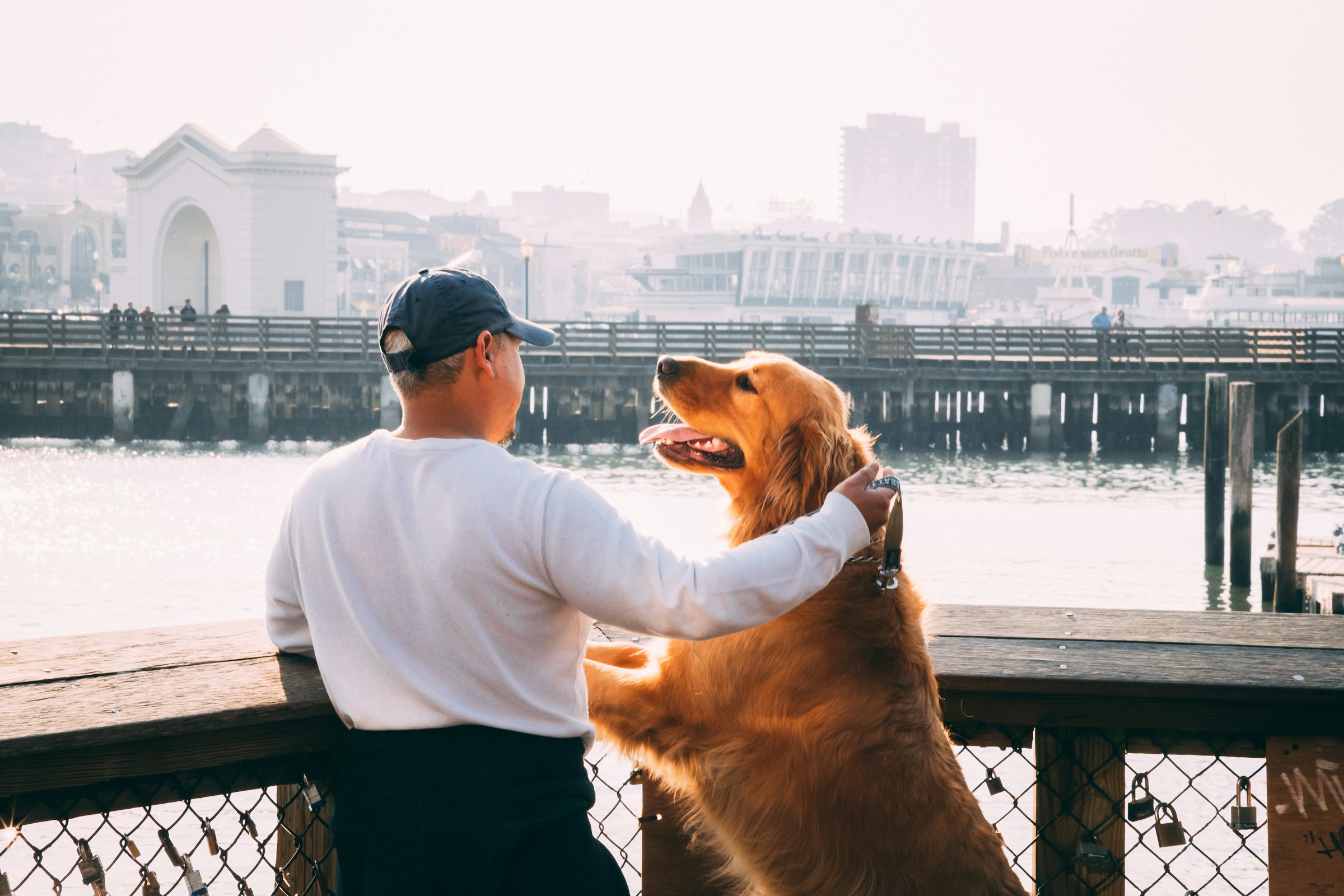
Ever wondered if your dog truly understands how you’re feeling just by looking at you? Recent scientific studies suggest that our canine companions are more attuned to our emotions than we might have imagined.
Dogs Focus on Our Eyes to Gauge Emotions
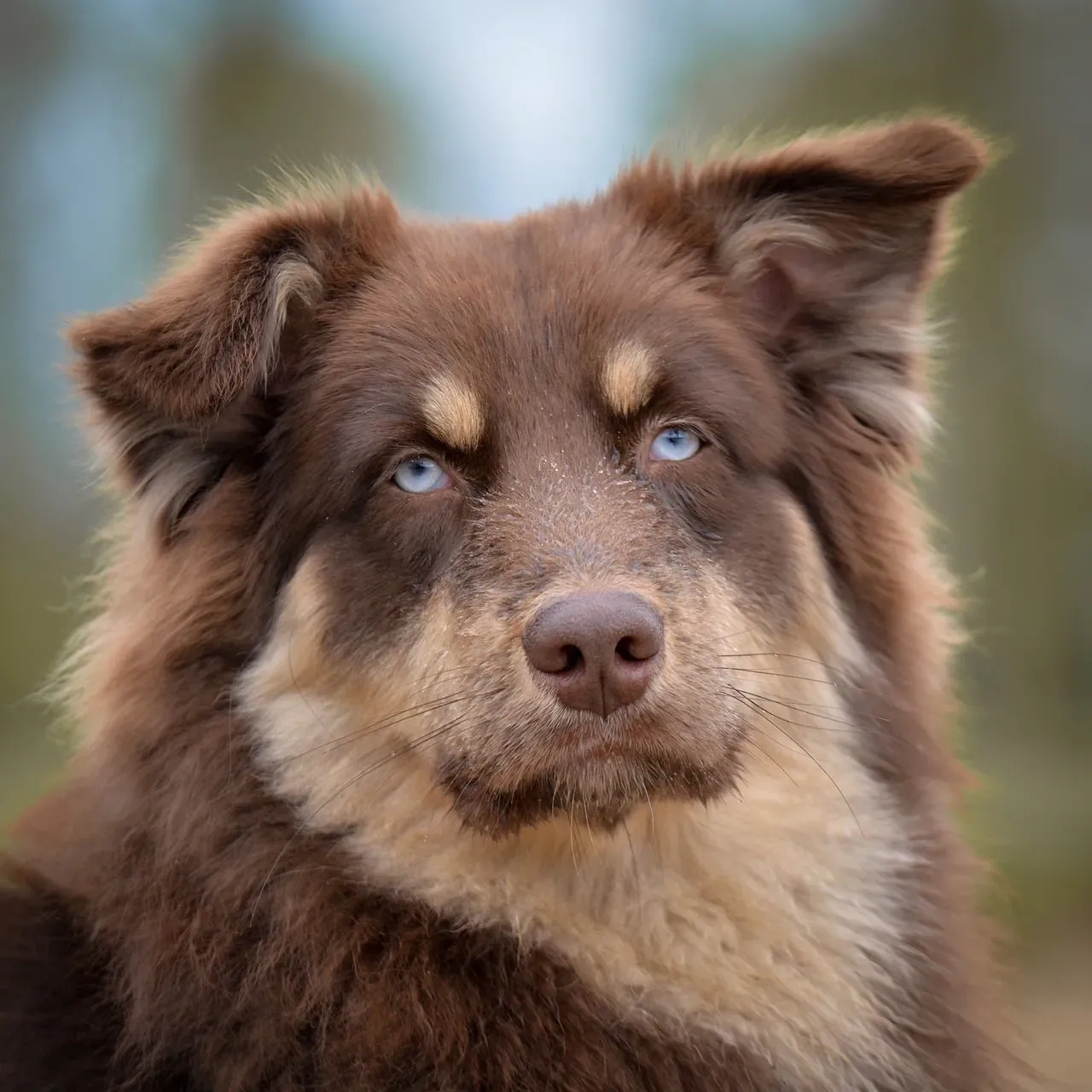
Research indicates that dogs pay close attention to the eye region of human faces to interpret emotions. Eye-tracking studies have shown that dogs consistently focus on the eyes and mouth, areas rich in emotional cues. This behavior mirrors how humans read each other’s faces, highlighting the depth of our interspecies connection.
Interestingly, dogs don’t just observe; they react. When presented with happy or angry expressions, dogs adjust their behavior accordingly, suggesting a nuanced understanding of human emotional states.
Facial Expressions Elicit Specific Canine Responses

Studies have demonstrated that dogs can distinguish between various human facial expressions. For instance, when shown images of happy and angry faces, dogs exhibited different reactions, indicating their ability to discern emotional nuances. This sensitivity underscores the sophisticated social intelligence dogs have developed through millennia of companionship with humans.
Moreover, dogs’ responses to these expressions aren’t merely passive observations. They actively adjust their behavior based on the emotional cues they perceive, showcasing their deep integration into human social dynamics.
Oxytocin Enhances Dogs’ Emotional Perception

The hormone oxytocin, often dubbed the “love hormone,” plays a pivotal role in the bond between dogs and humans. Research has found that increased oxytocin levels in dogs can influence how they process human facial expressions. Specifically, oxytocin appears to make happy faces more appealing and angry faces less intimidating to dogs.
This hormonal modulation suggests that the emotional bond between humans and dogs is not just behavioral but also deeply rooted in shared neurochemical pathways.
Dogs’ Ability to Read Emotions Varies Across Cultures

While dogs universally possess the ability to read human emotions, studies have shown that this skill can vary based on cultural contexts. For example, research involving Japanese participants revealed that they could recognize dog emotions above chance levels, replicating findings from Western studies. However, certain emotions were more easily recognized than others, indicating that cultural factors may influence how humans interpret canine expressions.
These findings highlight the complex interplay between biology and culture in the human-dog relationship, suggesting that our interactions with dogs are shaped by both innate abilities and learned experiences.
Dogs Utilize Multiple Senses to Perceive Human Emotions

Beyond visual cues, dogs employ their acute sense of hearing to discern human emotions. Studies have shown that dogs can differentiate between positive sounds, like laughter, and negative sounds, such as crying. This auditory sensitivity allows them to respond appropriately to our emotional states, further strengthening the human-canine bond.
Additionally, dogs’ olfactory capabilities enable them to detect chemical changes in human sweat and breath associated with stress, providing another layer of emotional insight.
Dogs’ Emotional Perception Influences Their Behavior

When dogs perceive negative emotions in humans, they often exhibit behaviors aimed at providing comfort or reducing tension. This empathetic response underscores their role as sensitive companions attuned to our well-being.
Conversely, dogs may also display avoidance behaviors in response to perceived anger or threat, indicating a nuanced understanding of human emotional expressions and their potential consequences.
Conclusion: The Deep Emotional Connection Between Humans and Dogs
The evidence is compelling: dogs are not just passive observers but active participants in our emotional lives. Their ability to read our emotions through our eyes and faces speaks to a profound interspecies connection forged over thousands of years. This bond challenges us to consider the depth of our relationships with our canine companions and the mutual understanding that enriches both our lives.
So, the next time your dog gazes into your eyes, remember – they might just be reading your heart.


