
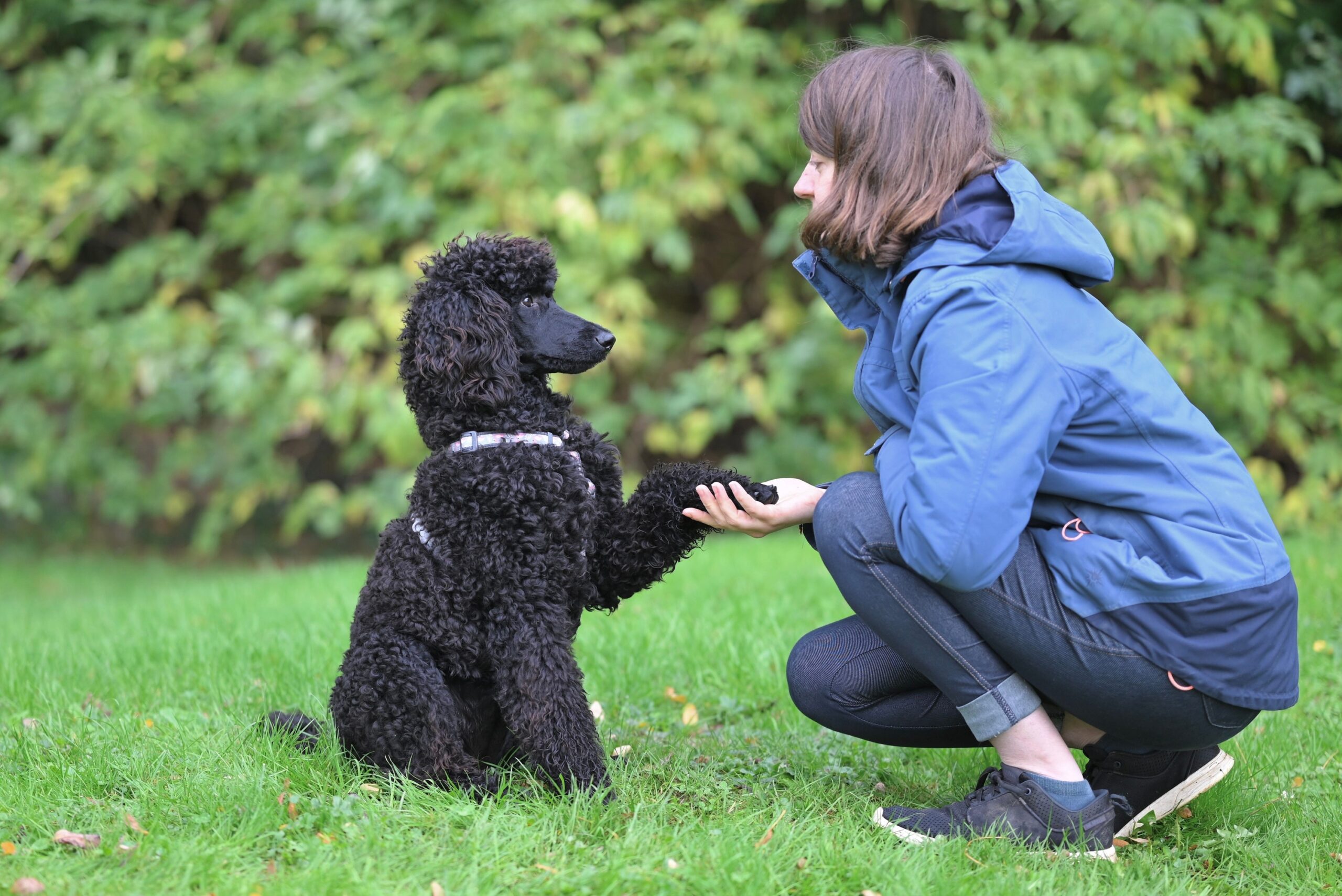
Ever wondered if your dog truly understands what you’re saying, or if it’s just responding to the tone of your voice? Recent scientific studies have unveiled that dogs process the literal meanings of words and the intonation separately, much like humans do. This discovery sheds light on the intricate ways our canine companions interpret human speech.
The Canine Brain’s Dual Processing of Speech

Research has demonstrated that dogs utilize different hemispheres of their brains to process various aspects of human speech. The left hemisphere is primarily responsible for interpreting the meaning of words, while the right hemisphere focuses on the intonation or emotional tone in which the words are spoken. This bifurcated processing allows dogs to discern not just what is being said, but also how it’s being said.
For instance, when a dog hears the phrase “good boy” spoken in a neutral tone, the left hemisphere activates to process the words’ meaning. Conversely, if the same phrase is delivered with enthusiasm, the right hemisphere engages to interpret the emotional context. This dual processing mirrors the human brain’s approach to language, highlighting the cognitive sophistication of dogs.
Functional MRI Studies Reveal Insights
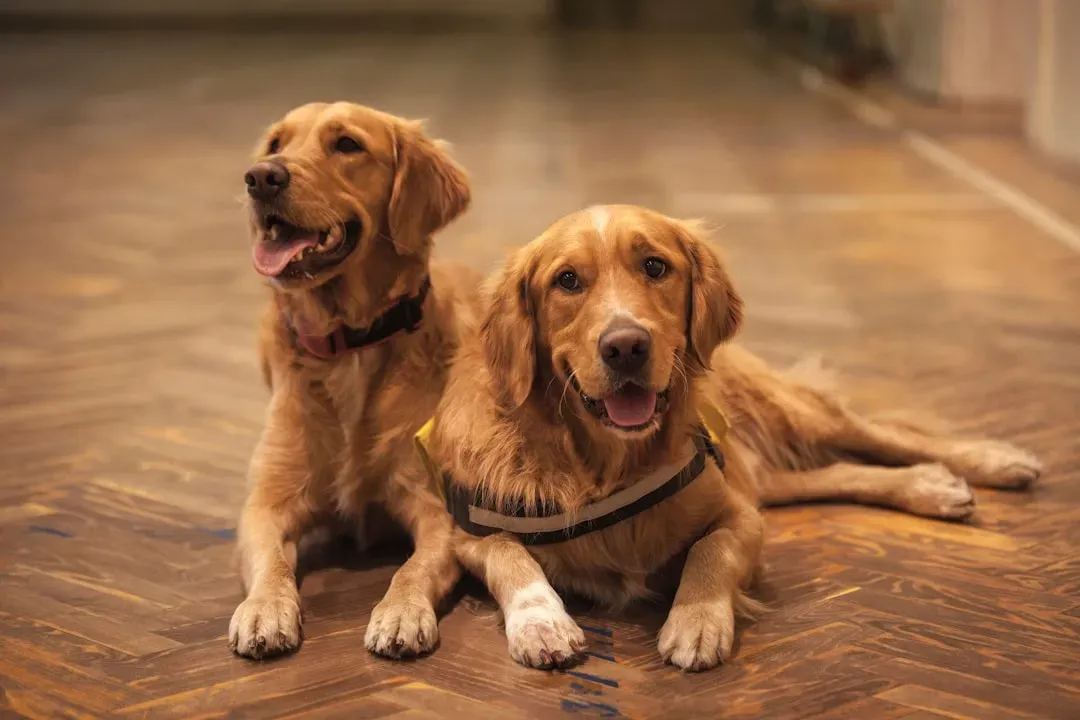
To delve deeper into this phenomenon, scientists conducted functional MRI (fMRI) scans on dogs. These non-invasive scans measure brain activity by detecting changes associated with blood flow. In these studies, dogs were trained to remain still inside the MRI machine while listening to recordings of their trainers speaking various words in different tones.
The results were telling. When dogs heard meaningful words, such as “well done,” regardless of the tone, there was increased activity in the left hemisphere. However, when the tone was varied, the right hemisphere showed heightened activity, indicating that dogs were processing the emotional tone separately from the word’s meaning. This suggests that both components are essential for dogs to fully comprehend human speech.
Implications for Dog Training and Communication
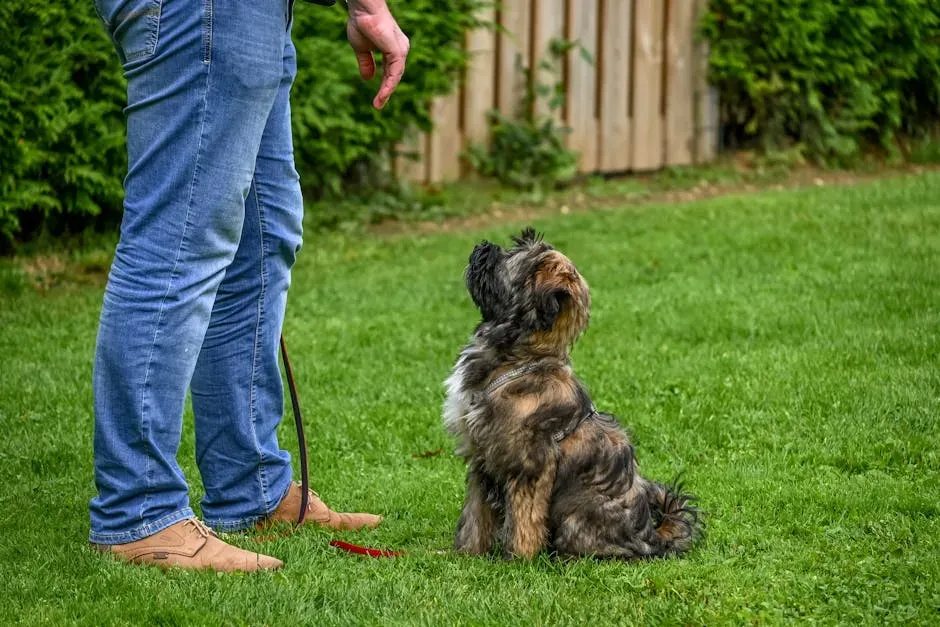
Understanding that dogs process words and intonation separately has significant implications for training and daily communication. It emphasizes the importance of consistency in both the words used and the tone employed. For example, using a positive tone when giving commands can enhance a dog’s responsiveness and reinforce desired behaviors.
Moreover, this knowledge can help owners avoid sending mixed signals. If a command is given with an uncertain or negative tone, it might confuse the dog, as the intonation contradicts the command’s meaning. Therefore, aligning the verbal message with the appropriate tone can lead to more effective communication and a stronger bond between dogs and their owners.
Evolutionary Perspectives on Canine Communication
The ability of dogs to process speech in this manner may be rooted in their evolutionary history. As humans and dogs have coexisted for thousands of years, dogs have likely developed advanced auditory processing skills to better understand and respond to human communication. This adaptation would have provided them with a survival advantage, strengthening the human-dog relationship.
Furthermore, this dual processing capability suggests that the neural mechanisms for interpreting speech are not unique to humans. It indicates that other mammals, especially those closely associated with humans, may possess similar cognitive abilities, challenging the notion that complex language processing is exclusively human.
Comparisons with Other Animals
While dogs exhibit this dual processing of speech, it’s intriguing to consider how other animals interpret human communication. Studies have shown that certain primates can understand basic commands and gestures, but their ability to process speech in the same bifurcated manner as dogs remains less clear.
Interestingly, domesticated animals that have been bred for companionship, like cats, do not seem to process human speech in the same way. This difference may be attributed to the unique evolutionary paths and domestication processes of these species, highlighting the special bond between humans and dogs.
Future Research Directions
The revelation that opens avenues for further research. Scientists are keen to explore how factors such as breed, age, and training influence this dual processing capability. Additionally, understanding the limits of this ability and whether it extends to more complex sentences or languages could provide deeper insights into canine cognition.
Future studies might also investigate how this processing affects a dog’s behavior and decision-making in real-world scenarios. By comprehending the nuances of canine auditory processing, we can enhance training methods, improve communication, and foster even stronger relationships with our four-legged friends.
Conclusion

The discovery that is a testament to their cognitive complexity and the depth of the human-canine bond. It underscores the importance of mindful communication, where both what we say and how we say it matter. As we continue to unravel the mysteries of canine cognition, one thing becomes clear: our dogs understand us more than we ever imagined. So, next time you speak to your furry friend, remember that both your words and your tone are shaping their understanding and response. Isn’t it remarkable how attuned they are to us?


