
You’re walking down the street, coffee in hand, mind half on your to‑do list, when your dog suddenly slams on the brakes. The leash goes tight, you stumble, and your first thought is something like, “Come on, not this again.” It’s easy to label that moment as stubbornness or bad behavior. But in many cases, your dog isn’t defying you at all – they’re doing something far more complex and surprisingly sensitive.
From a dog’s point of view, a walk is not just exercise; it’s a moving story written in smells, sounds, and subtle signals. When they stop abruptly, they may be reading a chapter you can’t see. Once you start to recognize this, those frustrating pauses start to feel less like a battle of wills and more like a window into your dog’s inner world – and that shift can completely change how the two of you move through the world together.
They Might Be Processing Overwhelming Sights, Sounds, and Scents
Many dogs pause because their brain is basically hitting a “buffering” screen. City traffic, a skateboard rolling by, a child squealing, or even an odd plastic bag fluttering on a fence can create a sensory pileup. Dogs process the world very differently from us, especially through smell and hearing, so what seems tiny to you can feel massive to them.
Think of it like walking through a crowded, noisy airport without noise‑canceling headphones while someone shoves a new scent under your nose every few steps. At some point, you’d stop just to get your bearings. When your dog stalls out, they might be scanning, listening, or sniffing more intensely, trying to figure out whether something is safe, familiar, or worth avoiding. That “stubborn” sit can actually be your dog doing emotional and sensory triage.
Freeze Behavior Can Be About Fear, Not Attitude
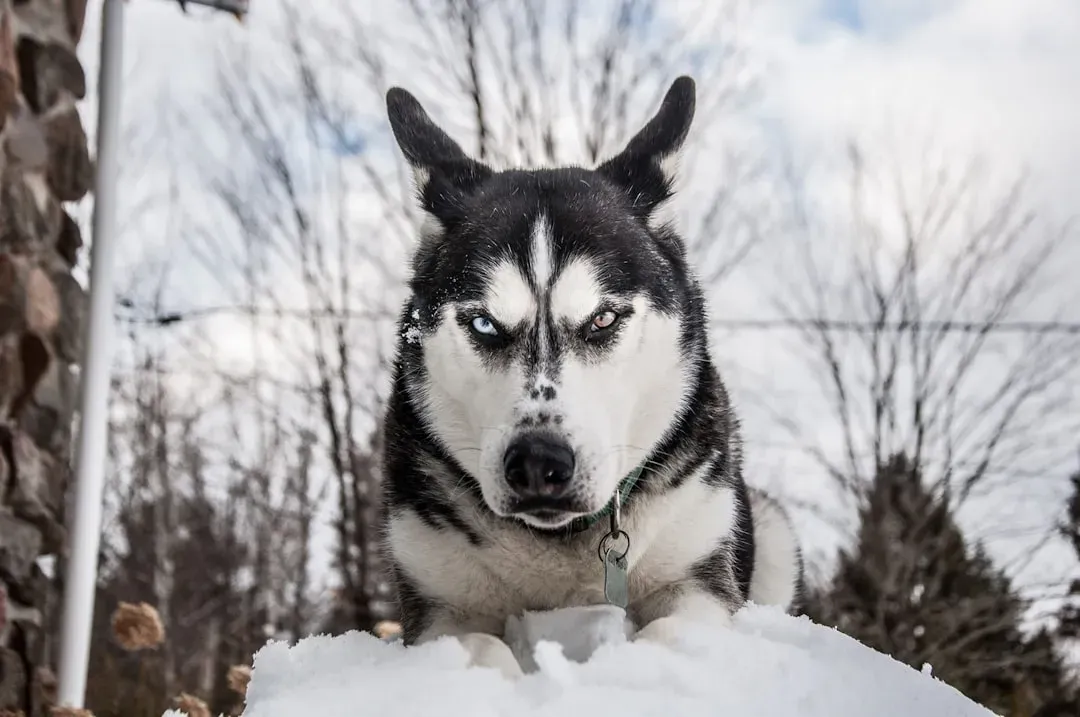
Another big reason dogs stop on walks is simple: they’re scared or uneasy. In dog behavior, freezing – going still, refusing to move – is a common fear response, right alongside flight and fight. Maybe they once heard a loud bang on this exact corner, maybe a loose dog rushed them here last month, or maybe that garbage truck in the distance is just too much today.
What looks like defiance is often a dog saying, in the only way they know how, “I don’t feel safe going forward.” If you respond by dragging them or getting annoyed, you’re not just ignoring their fear – you might be teaching them that walks are unpredictable and stressful. When instead you pause, soften your voice, and give them a moment, you’re telling them that you’re listening and that their feelings matter, which quietly builds trust over time.
Your Dog’s Nose Is Having a Full‑Blown Conversation
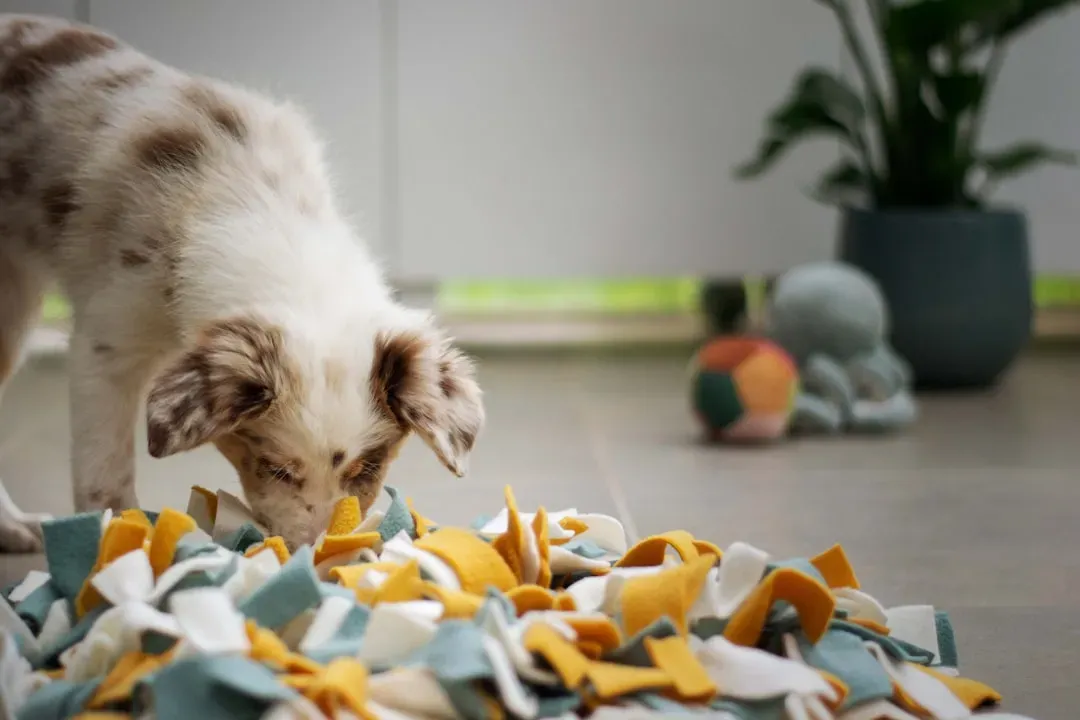
Sometimes, that abrupt stop is your dog hitting a scent “headline.” Dogs can detect incredibly faint odors and can separate different smells the way we separate colors. A patch of grass you barely glance at could be, to your dog, the equivalent of reading an entire neighborhood gossip column: who passed by, which dog is in heat, who is stressed, who is confident.
When they plant their feet and lean into a sniff, they may be gathering social information, checking for nearby animals, or even tracking a particular scent trail. It can feel like a time‑waster when you’re trying to get your steps in, but for your dog, it’s deeply satisfying and mentally enriching. Allowing a little “sniff time” when they stop can lower their stress and make the rest of the walk smoother – a small trade‑off for a much happier companion.
Pain, Discomfort, or Aging Joints May Be the Real Issue
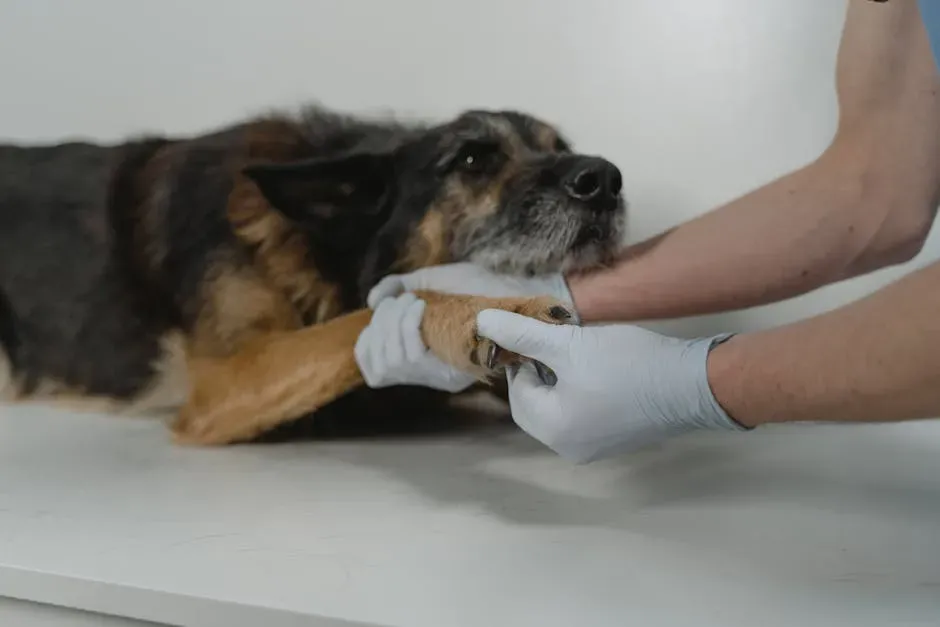
There’s also a less obvious but very important possibility: your dog might be hurting. Sudden stopping, especially if it happens more on certain surfaces, slopes, or after a bit of walking, can signal joint pain, back discomfort, sore paws, or even something like a pulled muscle. Older dogs, large breeds, or dogs with known orthopedic issues are especially likely to use stopping as a quiet way of saying, “This is too much right now.”
Because dogs are often stoic and can’t tell us directly, those walking pauses may be one of the earliest clues you get. If your dog suddenly becomes reluctant to walk, lags behind, or seems stiff when they start again, it’s worth talking to a veterinarian rather than chalking it up to attitude. I’ve changed my mind more than once after seeing a “stubborn” dog transform into a willing walker once pain was treated – it’s a humbling reminder that our first guess is not always right.
They May Be Waiting for Clearer Guidance From You
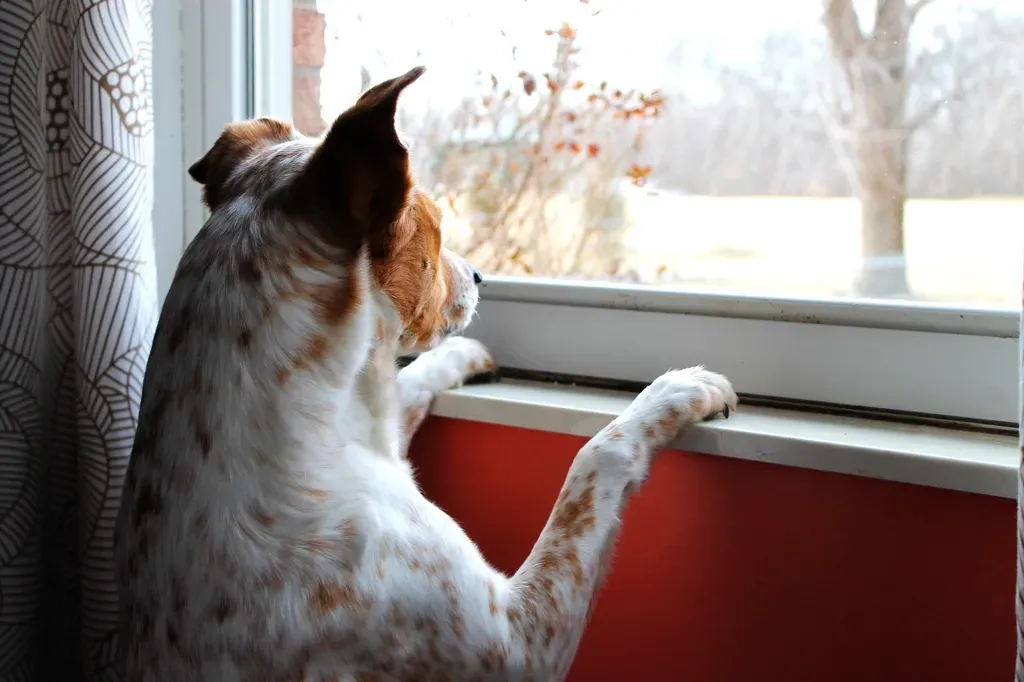
Sometimes a dog stops because they’re uncertain about what’s supposed to happen next. Crosswalks, busy intersections, unfamiliar paths, or new environments can all trigger a kind of “decision paralysis.” Your dog might look ahead, glance back at you, and then simply freeze, waiting for a clearer cue. In that moment, they’re not trying to take charge; they’re asking you to.
If you’re distracted, on your phone, or mentally three steps ahead, your dog may not get the consistent signals they need. A gentle verbal cue, a light leash motion, and your body turning in the direction you want to go can help. When you step into that leadership role calmly and predictably, many dogs relax; their stopping often fades once they trust that you’ll guide them through confusing situations rather than leaving them to figure it all out alone.
Learn to Read the Subtle Signals Behind the Stop
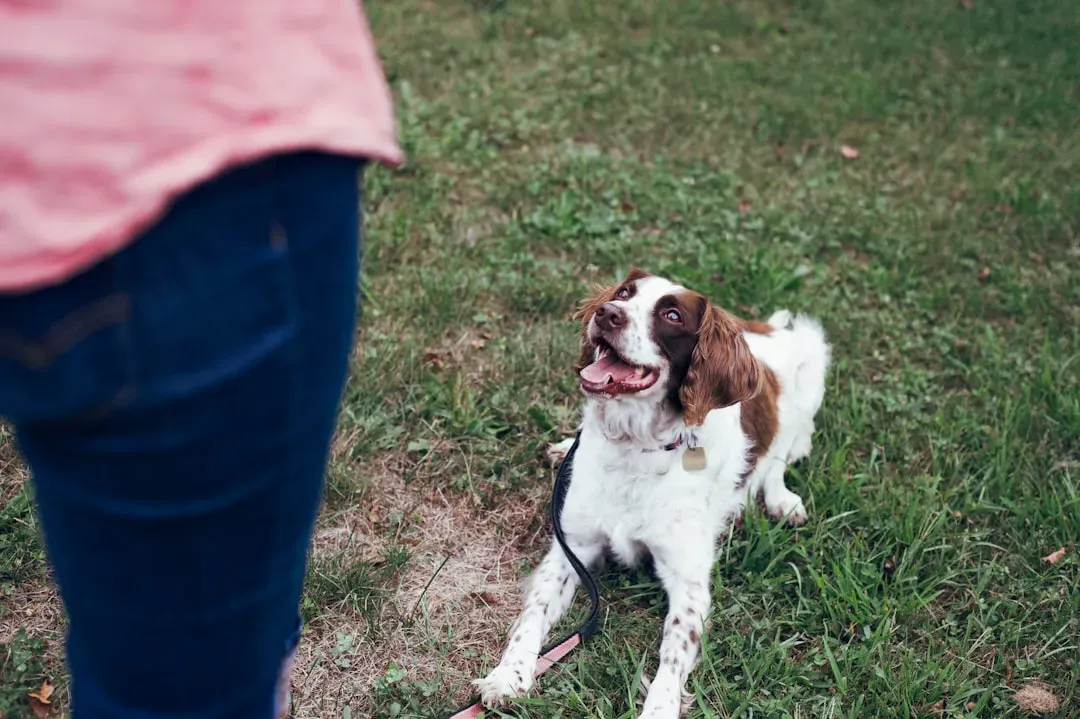
The difference between stubbornness and stress is often written in tiny details: ear position, tail carriage, tension in the body, the direction of their gaze. A dog who is casually sniffing with a loose body and wagging tail is in a very different headspace from a dog who has gone statue‑still, ears pinned back, whites of the eyes showing. Yet to an impatient human at the end of the leash, both can just look like “stopping.”
It helps to treat each pause as a question instead of a problem: Are they scared? Curious? In pain? Just savoring a smell? Over time, you get better at reading their tells – the quick side‑eye at a barking dog ahead, the slight crouch before a busy road, the way they lick their lips when stressed. That skill turns the walk into a conversation, not a tug‑of‑war, and suddenly you’re responding to your dog instead of just reacting to them.
How to Respond: Patience, Flexibility, and a Bit of Honest Self‑Reflection
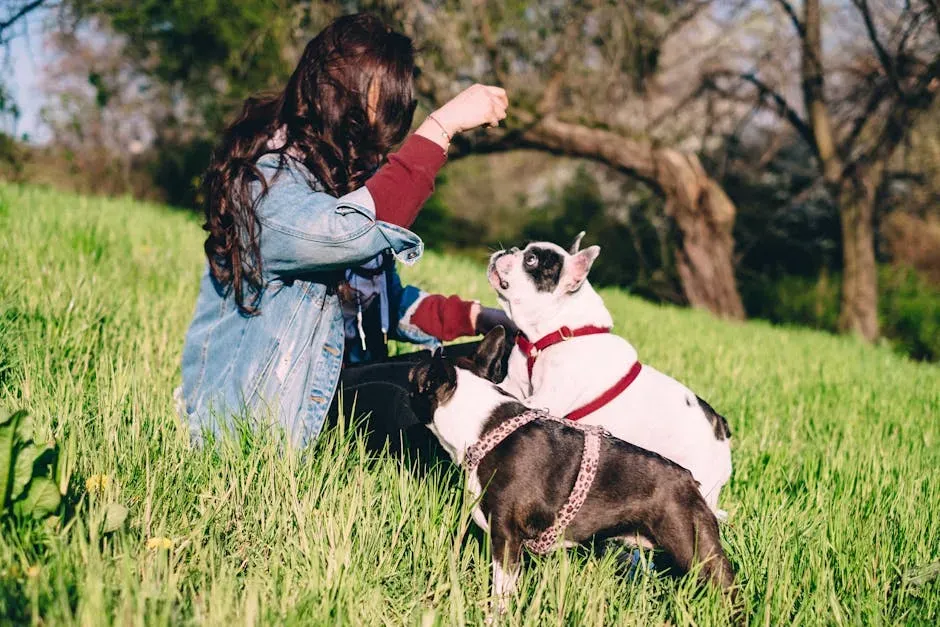
When your dog suddenly stops, the most helpful first move is actually to pause yourself. Take a breath, loosen the leash, and scan the environment: is there a loud noise, another dog, a bike, a surface change, or a hill ahead? Give them a moment to sniff or look around. Often, that tiny pocket of patience is all they need to process and then choose to move on their own. If they still hesitate, you can try gently encouraging them with a cheerful voice, a treat, or turning slightly to the side instead of dragging straight forward.
There’s also a hard truth many of us (myself included) have to confront: sometimes we’re the stubborn ones. We’re rigid about route, speed, and schedule, while our dog is just trying to cope, explore, or communicate. Building in a little extra time for your walks, allowing some sniffing, and staying open to changing direction when your dog is genuinely uncomfortable can shift the whole tone of your outings. In my opinion, if we choose to share our lives with dogs, the least we can do is meet them halfway when they tell us something is off.
Conclusion: Maybe Your Dog Isn’t Being Difficult – Maybe They’re Being Honest
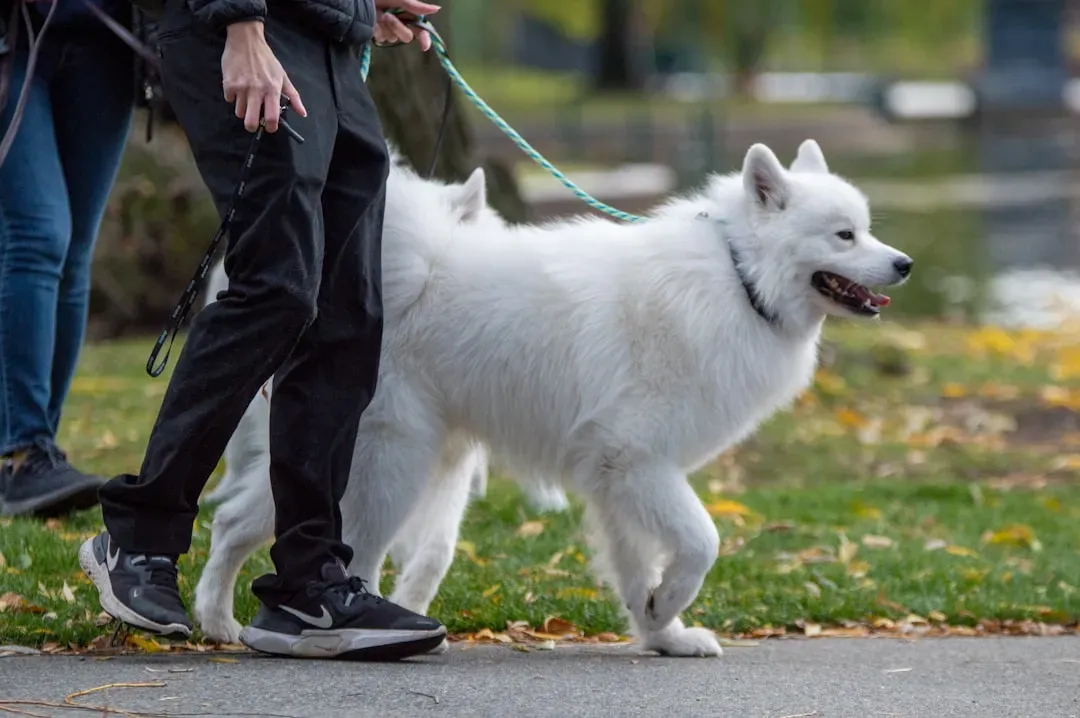
It’s tempting to slap the label of stubbornness on any behavior that clashes with our plans, especially when we’re tired, late, or stressed. But a dog who suddenly stops during a walk is very often broadcasting fear, confusion, pain, or deep curiosity, not plotting to annoy you. When we dismiss those pauses as misbehavior, we miss the chance to understand the animal right in front of us – and we risk teaching them that we’re not listening when it really counts.
Personally, I think our dogs are often more patient with our human blind spots than we are with their canine needs. Choosing to see that abrupt halt not as a power struggle but as a message is a small, radical act of respect. It asks a bit more of us: to slow down, to observe, to question our assumptions. But in return, we get a richer relationship and a dog who trusts us a little more every time we honor what they’re trying to say. The next time your dog plants their feet mid‑walk, will you drag them forward – or pause long enough to ask what they might be processing that you simply cannot see?


