
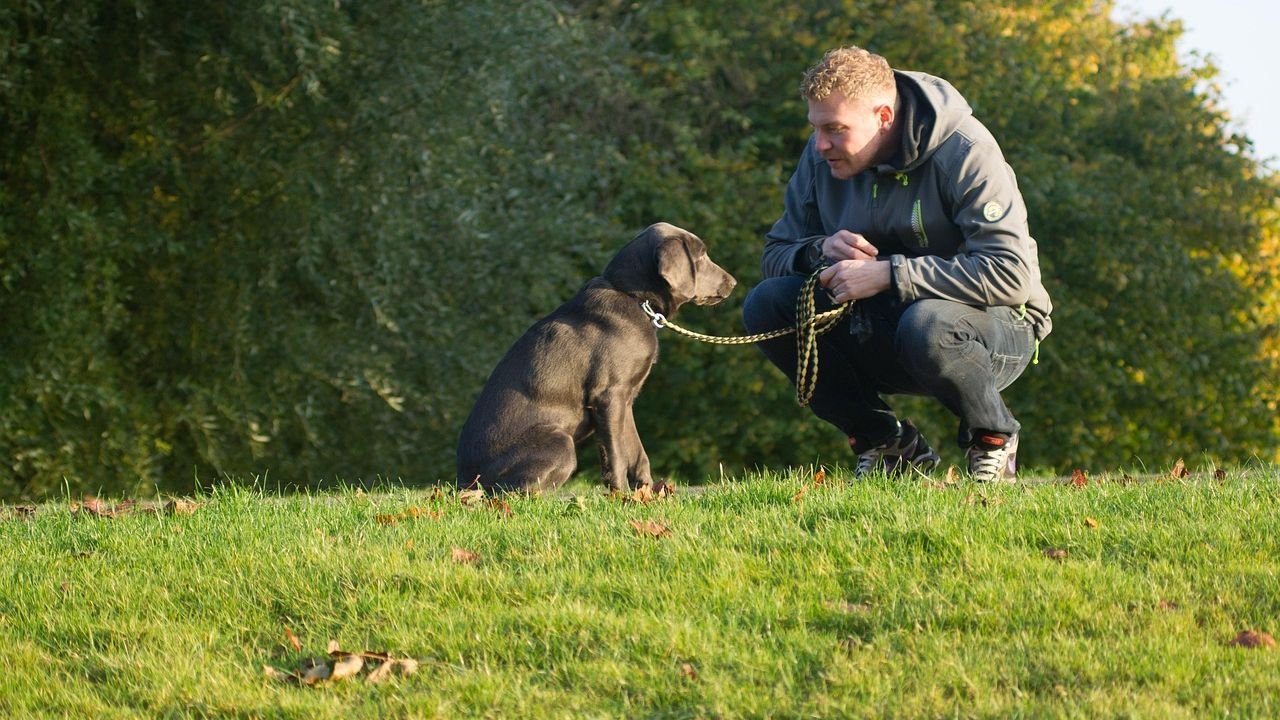
You’re having one of those quietly awful days. Nothing dramatic, just a flat, heavy kind of tired. You haven’t said a word about it. Yet your dog pads over, rests their chin on your knee, and simply stays. No prompt, no command. They just knew.
This isn’t coincidence, and it isn’t magic either. Dogs have spent thousands of years in close quarters with humans, and that proximity has shaped them into something genuinely remarkable: animals that process our emotional states the way a skilled reader processes a page. Science is only beginning to catch up with what dog owners have quietly suspected for generations.
Their Noses Know What Your Face Won’t Show
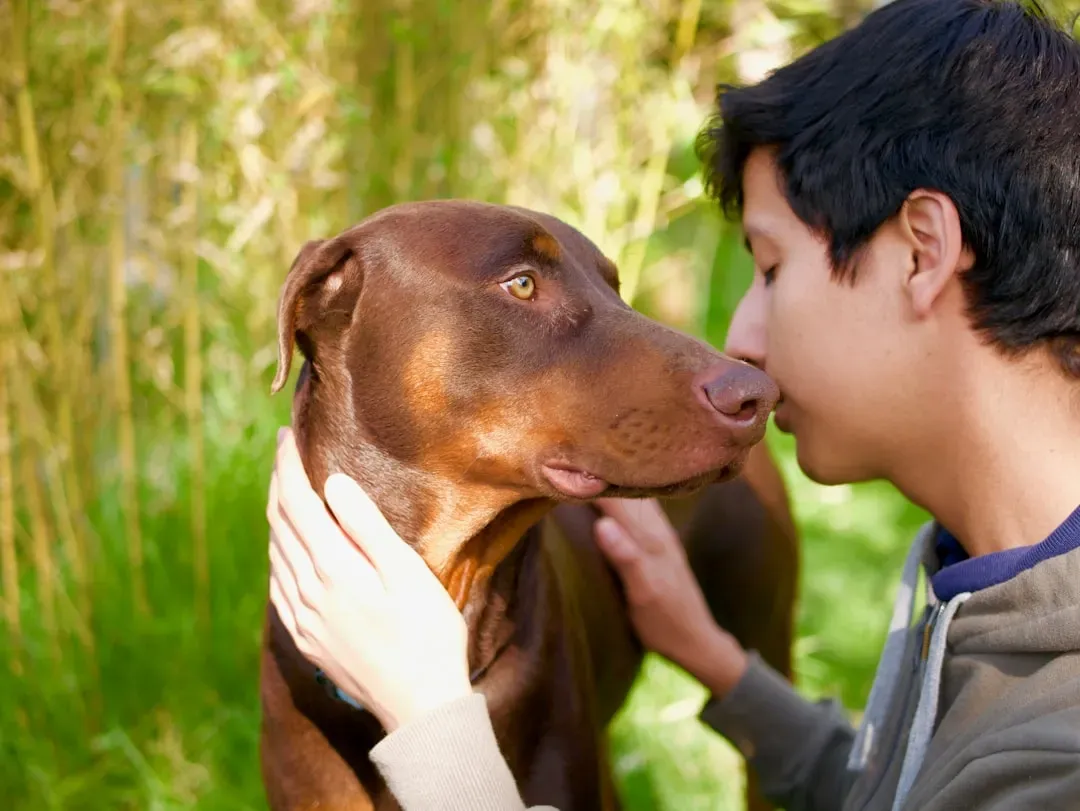
Of all the ways dogs read us, smell is perhaps the most astonishing and the least expected. Research provides evidence that dogs can detect an odor associated with acute stress in humans from breath and sweat alone, which provides a strong foundation for future investigations into emotional contagion. That means your dog doesn’t need to see you pace the floor or hear your voice crack to know something is off. They can smell the shift.
When researchers presented stress and baseline sweat samples to dogs, the dogs could tell the difference with over 90% accuracy. Think about that for a moment. Your dog is essentially running a continuous, involuntary chemistry test on the air around you. Dogs use their acute sense of smell to detect hormonal changes in their owners, and when we’re stressed, we release cortisol, which dogs can sense.
Dogs experience emotional contagion from the smell of human stress, leading them to make more pessimistic choices, according to research published in Scientific Reports. In practical terms, this means your anxiety doesn’t stay contained inside you. It travels through the air, enters your dog’s world, and changes how they feel and behave. If your dog seems uneasy after a stressful phone call you never reacted to visibly, now you know why.
Reading Your Face Is Something They’re Wired to Do

Research findings are the first to show that dogs truly recognize emotions in humans and other dogs, and importantly, dogs in trials received no prior training or period of familiarization with the subjects in the images or audio, suggesting that dogs’ ability to combine emotional cues may be intrinsic. This isn’t a trained party trick. It appears to be built in.
In one study, scientists demonstrated that dogs differentiate between happy and angry human faces, and that dogs find angry faces to be aversive. Even more telling, dogs engaged in mouth-licking in response to angry human facial expressions, and they did so when they saw images of angry faces but not when they heard angry voices, emphasizing the importance of visual cues. Your dog is reading your face the way another person might, scanning for signals and calibrating their response.
Dogs show a subtle right-hemisphere bias when processing emotional cues, tending to gaze toward the left side of a human’s face when assessing expressions, a pattern also seen in humans and primates. Dogs show stronger responses when viewing their owner’s face compared to strangers, which suggests emotional attachment deepens recognition accuracy. The longer you’ve been together, the more finely tuned that recognition becomes.
They Listen to How You Sound, Not Just What You Say

Dogs do not have to understand every spoken word to get the gist of a conversation, since only about 10% of what humans communicate is actually verbal. Non-verbal posture, gestures, body carriage, and facial expressions communicate the vast majority of what we have to say, so dogs have learned to monitor these physical actions very closely. In short, your dog is fluent in a language you barely notice you’re speaking.
Dogs also respond to the tone of voices and can distinguish between happy, sad, angry, and neutral tones. This vocal recognition allows them to react appropriately to emotional states, offering comfort or excitement as needed. By listening to how we speak, dogs can pick up subtle cues about feelings. A cheerful “come here!” lands very differently than a tired, flat version of the same words, and your dog knows the difference without needing a translation.
When researchers used brain imaging, specifically fMRI scans, on dogs, they discovered that dogs process emotional tone in a similar brain region that humans use. This isn’t just behavioral mimicry. It’s deep neurological attunement. Dogs prefer happy voices and when given a choice, approach people using upbeat tones. They also avoid angry expressions, tending to back away from visibly angry faces even without verbal cues.
They Use Your Mood as a Map for Navigating the World
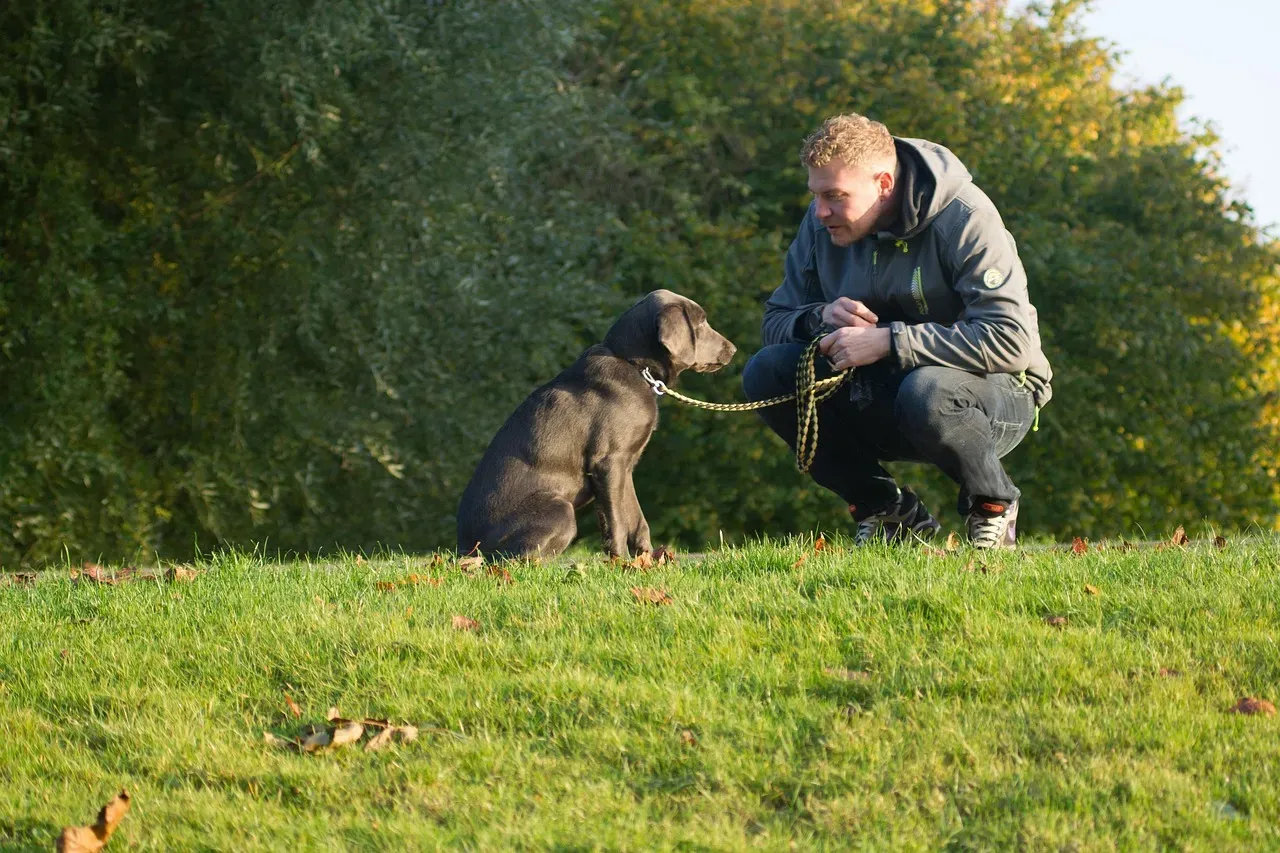
Social referencing is a process whereby an individual uses the emotional information provided by another person about a novel object or stimulus to guide their own future behavior toward it. Dogs do this constantly and with impressive sophistication. When your dog encounters something new and uncertain, they don’t just stare at the strange object. They look at you first.
When the owner acted as the informant, dogs that received a positive emotional message changed their behavior, looking at their owner more often and spending more time approaching the object. Conversely, dogs that were given a negative message took longer to approach the object and to interact with it. In real life, this plays out every day on walks, at the vet, in new environments. Your calm or your anxiety shapes what your dog believes is safe.
Dogs use human emotional expressions to understand the situations they find themselves in and to make decisions about how to respond, and they pay particular attention to humans with whom they have a close bond. This is a meaningful insight for anyone dealing with a nervous or reactive dog. If you’re anxious during thunderstorms, your dog may become more fearful too. Dogs respond best to calm, confident energy, and yelling or frustration can create confusion rather than clarity.
What This Means for How You Care for Your Dog

Dogs are able to functionally use emotional information displayed by humans when faced with a social problem. They pay attention, obtain information, and use it to adjust their behavior. Moreover, they are able to use information previously stored in their memory from prior experiences with human emotional expressions to infer the emotional state of people. They’re not passive recipients of your moods. They’re actively interpreting them and filing that information away.
This creates real responsibility for us as owners. Dogs thrive on predictable emotional responses, and inconsistent reactions can increase anxiety or behavioral issues. Keeping your energy steady, especially during stressful situations, is one of the most underrated forms of care you can give your dog. It’s not about suppressing your feelings. It’s about being aware that your dog is always listening to them.
Dogs behave differently depending on the owner’s emotional state, gazing and jumping less at owners when they were sad, with compliance to commands also diminished during those moments. There’s a practical takeaway here too: if training sessions are frustrating for you, your dog feels it, and performance often suffers. Shorter, calmer sessions are more effective than longer, tense ones. Learning what your dog is saying helps you develop a deeper bond of trust and respect, and your understanding of your dog’s emotional state can help you predict behavior and prevent problems before they arise.
Conclusion: The Bond Runs Deeper Than We’ve Admitted
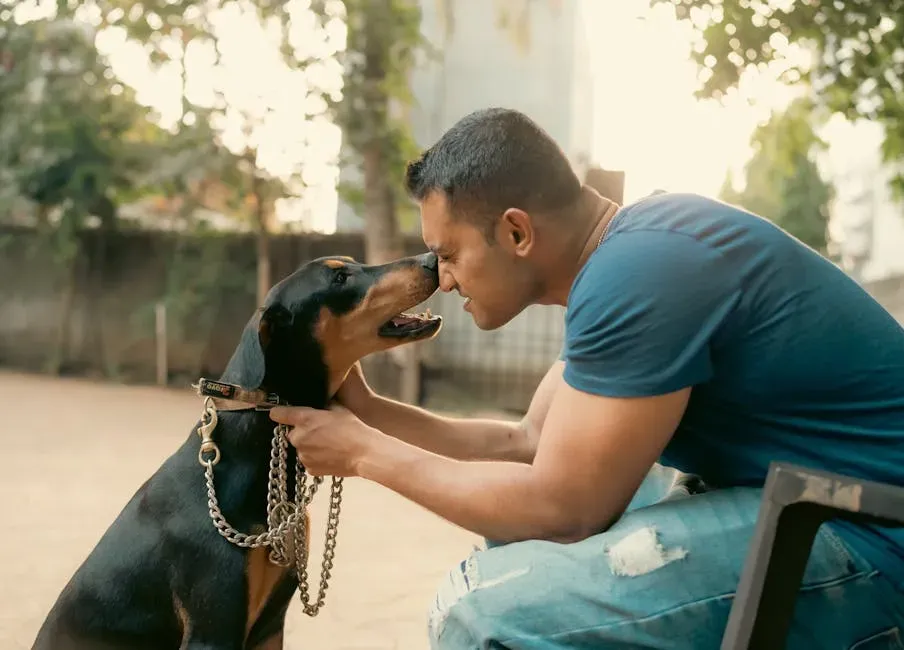
There’s something genuinely humbling about the science here. Your dog doesn’t just love you. They study you. They catalogue your breath, your posture, your tone, your face, and your footsteps, weaving it all together into a working portrait of how you’re doing on any given day.
With over 100,000 years of shared evolutionary history between humans and dogs, research indicates that dogs can comprehend not just words but also the emotions behind our expressions, gauging our moods with impressive accuracy. That’s not a party trick. That’s the result of millennia of co-evolution and trust.
What science is confirming, dog owners have always known in quieter ways: that soft lean against your leg when you’re sad isn’t random. It’s a response, an accurate one, to something your dog noticed before you even named it yourself. The conversation between you and your dog has always been richer than words. The more you understand that, the better you can show up for them, and let them show up for you.


