
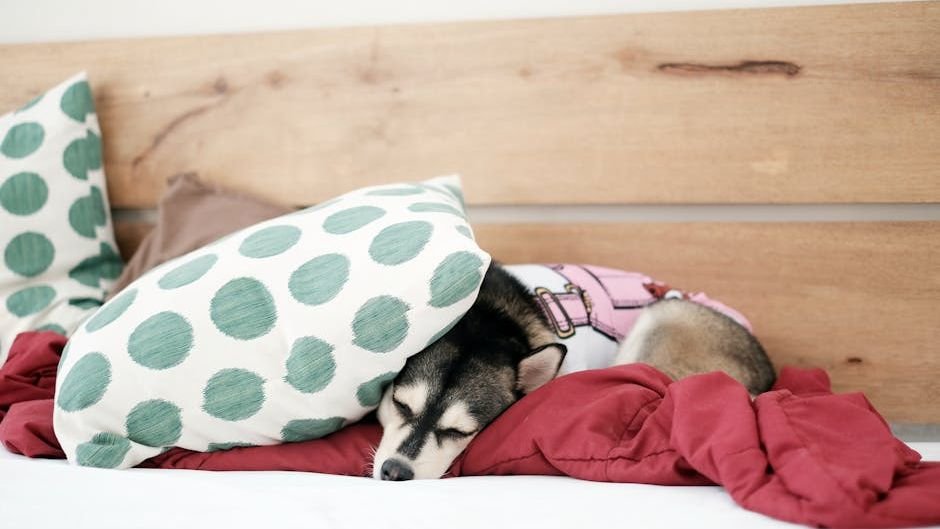
You know that look your dog gives you right before they do a slow, deliberate circle and finally collapse into their chosen spot? It happens every single day, and most of us just smile and move on. What we rarely stop to consider is that this routine is actually one of the most honest things our dogs do. Where they rest, how they position their body, and whether they choose to be close to you or tucked in a quiet corner all carry meaning that goes well beyond simple tiredness.
Dogs can’t sit you down and explain how they’re feeling. Their resting habits, though, tell a surprisingly rich story about their emotional state, their sense of safety, and even their physical well-being. Once you start paying attention, you’ll realize your dog has been communicating all along.
The Spot Itself: Why Location Matters More Than You Think
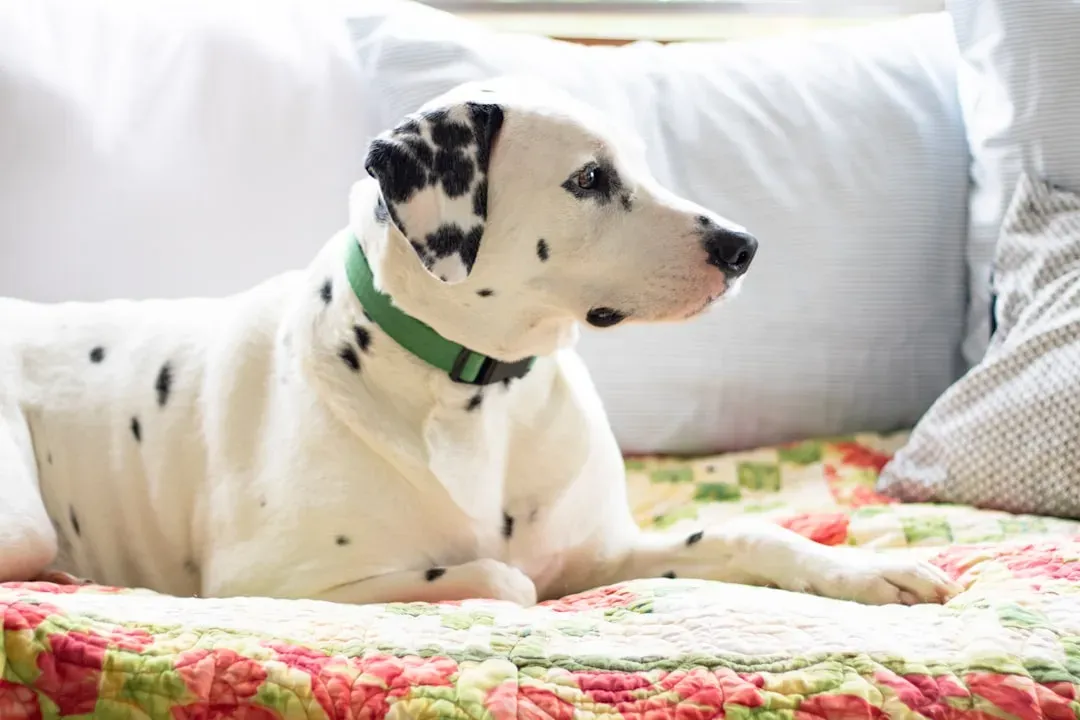
Dogs don’t pick their resting spots at random. It’s not random – dogs are masters of comfort and communication, choosing places that feel just right for them. From instincts passed down over generations to simple physical comfort, the spots your dog picks can tell you a lot about what they need.
Dogs are descendants of wild ancestors who needed to find spots that offered safety and security before settling down. That instinct hasn’t disappeared just because your pup lives in a comfy home. A sleeping location that feels safe – perhaps near you or in a corner with a good vantage point – can help them relax completely.
One of the most important things to understand about how dogs pick a place to sleep is that they go through the world nose-first. Dogs have more than 220 million olfactory receptors in their nose (humans only have five million). They often “look” for a resting spot that smells like their owner or other members of their “pack.”
Dogs thrive on predictability, and routine plays a role in sleep preferences too. A spot that has been warm, quiet, and calm in the past may become a “favorite,” simply because your dog learned it’s a good place to relax. If that spot becomes less comfortable due to noise changes or temperature shifts, they might adapt and find a new favorite.
Sleeping Close to You: A Sign of Deep Trust and Bonding
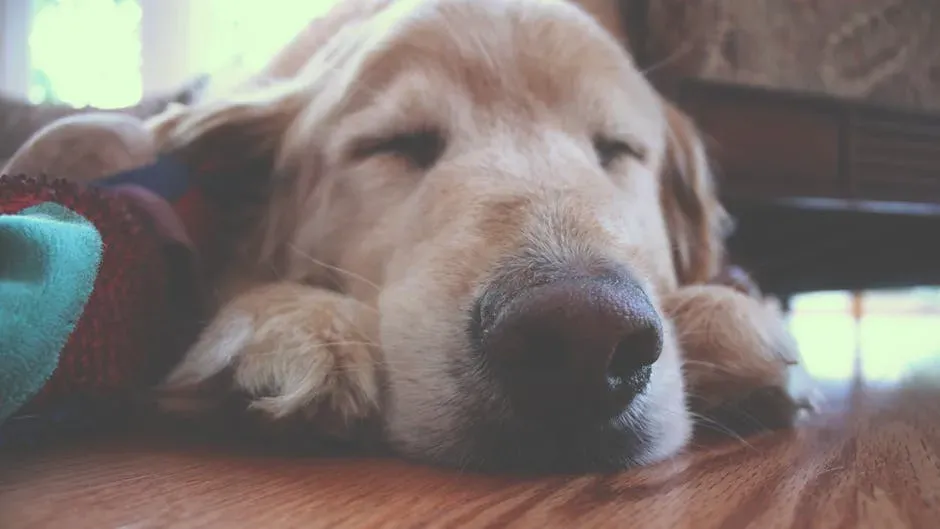
If your dog consistently chooses to rest at your feet, on your side of the couch, or curled against your legs, that’s not just a habit. Sleeping here often means your dog seeks comfort and enjoys being at the center of family activity. When dogs sleep on your bed, they are showing trust and a desire to be close to you.
Dogs are social animals and often want to be close to their family for emotional security. Because of this bond, they may move from one area to another throughout the day depending on where the family is and where they feel most connected and safe.
When a dog snuggles close to you while sleeping, it’s a sign of affection and trust. This position also provides them with a sense of comfort, security, and warmth. Puppies do this with their mothers as they have more difficulty regulating their body heat when they’re very small. This behavior tends to stick as they mature because they like it, and it’s a way of bonding.
Pay attention to who your dog specifically gravitates toward – dogs may choose to sleep this way with one person in the home they feel safest with. If your dog consistently seeks you out over others, that’s a quiet but meaningful compliment.
Resting Position as a Window Into Personality

The way your dog actually holds their body while resting is its own kind of language. Dogs sleep in all sorts of funny positions, but these poses can actually reveal a great deal about your dog’s personality, mood and even its health. It’s worth observing closely rather than just finding it adorable and scrolling past.
Relaxed, open positions often show a dog feels secure and self-assured in their surroundings. Protective or closed positions reveal a more cautious nature that responds closely to environmental changes. Observing these shifts helps you understand how comfortable or wary your dog feels in different moments.
Energetic dogs often rest in stretched or exaggerated positions that reflect their active personalities. Calmer dogs tend to adopt compact or still sleeping styles that conserve energy. These patterns offer insight into how your dog balances excitement and rest throughout the day.
Consider the belly-up sleeper, for example. When your dog sleeps on its back with its legs in the air, it’s generally a sign of complete trust and total relaxation. However, your pup may just be feeling hot, and because this unusual position exposes its belly, it’s an easy way to cool down its body temperature quickly. Belly-up sleepers are generally extremely comfortable in their surroundings and can fall asleep just about anywhere.
When Resting Habits Signal a Health Concern

This is where paying attention really pays off. Changes in sleeping positions can also reflect shifts in their physical health or emotional state. A relaxed, belly-up position may indicate complete trust, while a curled-up posture might suggest a need for security. Paying attention to these changes can help you understand your dog better and spot any signs of discomfort or illness.
A dog that feels unwell might also be curled up in a ball. So, if this is an unusual position for your dog, keep an eye on them and consider scheduling a check-up with your veterinarian. A sudden shift in where or how your dog rests is always worth noting.
Though dogs tend to circle a few times before lying down, doing it too much or having trouble settling in might be a sign of pain, arthritis, or a neurological issue. Consult a vet if you notice excessive circling. What looks like a quirky habit can occasionally be the first visible sign of something worth checking.
Pet owners must pay attention to any deviations from their dog’s habits. Unusual postures may indicate discomfort or even underlying health issues. Dogs, like humans, may use changes in behavior to communicate when something doesn’t feel right. A sudden shift in sleep patterns could be a subtle clue that your dog needs some more TLC or a visit to the vet.
How to Create a Resting Environment Your Dog Actually Loves
Once you understand what your dog is communicating through their resting choices, you’re in a much better position to support them. Give them a variety of comfortable options. A plush dog bed, quality blankets, and a few cozy nooks around your home offer choices for different conditions and moods. Consider placing beds in sunny spots for warmth and in cooler areas for hot days.
Sleeping on the floor, especially in cooler areas, is often a way for dogs to regulate their body temperature. Hard surfaces can also provide joint support for some dogs. So if your dog bypasses their expensive bed for the bathroom tile on a warm afternoon, they’re not being stubborn. They’re just smart about comfort.
Dogs’ wild ancestors often slept in dens. It’s why you’ll typically see them relaxing under a table, tree, or other similar enclosure today. They have a tendency to seek out places that feel protected and relate back to den behavior. Placing a bed in a quieter, semi-enclosed corner can make a real difference for an anxious or easily startled dog.
A dog that suddenly changes spots might just be responding to temperature changes or subtle physical discomfort. In some cases, consistent changes or choosing unsafe places could indicate fatigue, aches, or a need for a more supportive bed. If you notice dramatic changes or signs of distress, it’s always a good idea to check in with your vet to make sure everything is okay.
Conclusion: Rest Is How Dogs Reveal Their Truest Selves
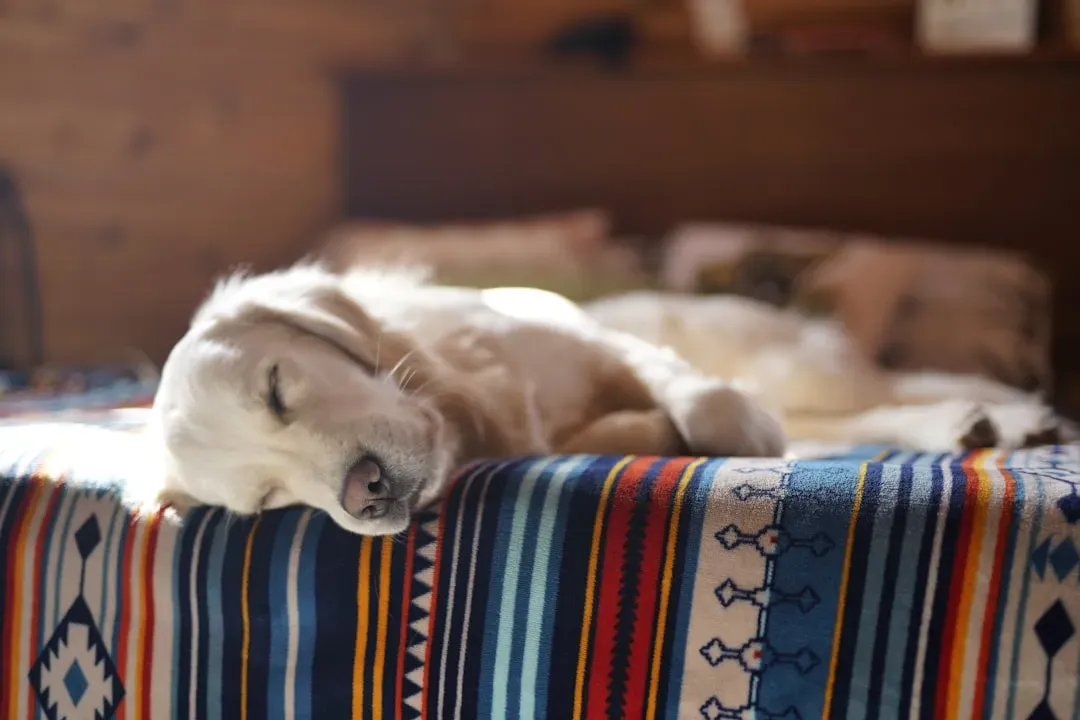
There’s something quietly profound about watching a dog settle in for a nap. In that moment, they’re completely themselves. No performance, no agenda. Noticing your dog’s sleeping positions opens a window into their emotional and physical wellbeing. Every shift and stretch tells a story about how secure, relaxed, or alert they feel in your home. By paying attention to these details, you learn to support them more intuitively and help them rest with greater ease.
The dog who spreads out belly-up in the middle of the living room is telling you they feel completely safe. The one who tucks into a tight curl near the back of the couch might need a little more reassurance. Neither is wrong. Both are worth listening to.
Good rest isn’t a luxury for dogs. It’s a genuine health need. Adult dogs generally sleep between 12 to 14 hours a day, with puppies and older dogs requiring more sleep. The environment you provide for those hours matters more than most people realize.
Pay attention to the spot your dog chooses tonight. It’s one of the simplest, most reliable windows into how they’re really doing – and one of the easiest ways to show them you’re paying attention right back.


