

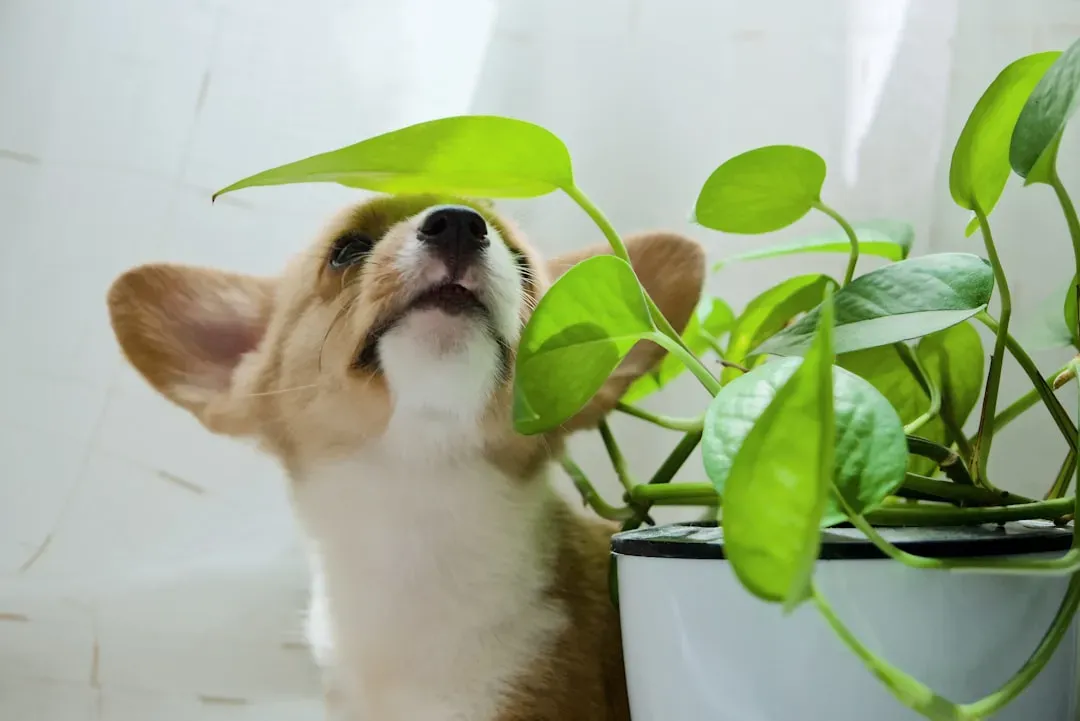
Picture this: your dog is nosing around the living room, tail wagging, completely unbothered. You glance over and see them sniffing the beautiful potted plant by the window. It looks harmless. It probably cost twelve dollars at the garden center. It has a cute little care tag and everything.
Here’s the quiet truth most dog owners don’t know until it’s too late – some of the most popular, low-maintenance, Instagram-worthy houseplants on the market are genuinely dangerous for dogs. Certain plants contain toxic substances that can harm dogs if ingested, leading to a range of symptoms from mild irritation to severe health issues, with the level of toxicity varying widely among species. The ASPCA Animal Poison Control Center reported that in a recent year, over eight percent of all calls were related to pets ingesting plants toxic to them. That’s a significant number of worried families and sick dogs – many of them blindsided by something sitting quietly on a shelf.
This guide covers ten plants commonly found inside homes that can hurt your dog, what to watch for, and what you can do to keep your pup safe without giving up your love of greenery.
1. Sago Palm: The Most Dangerous Plant You Might Own
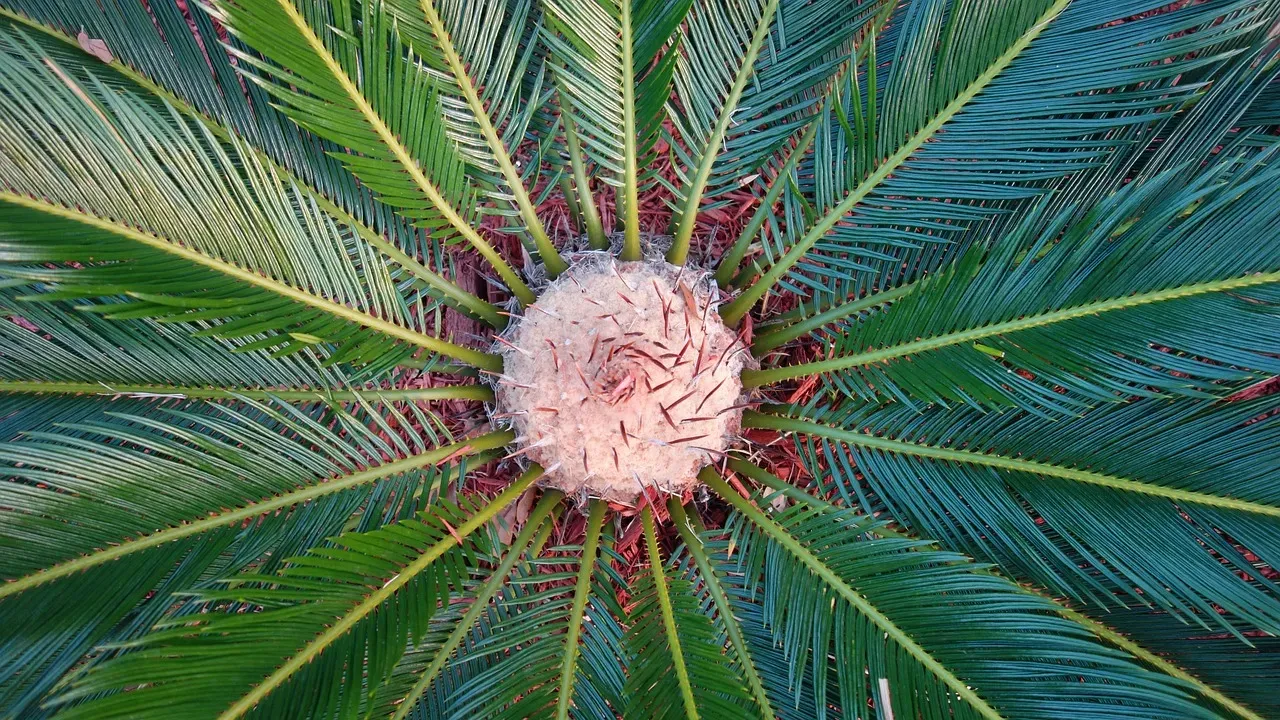
The sago palm is a compact, architectural plant that looks elegant in pots and suits both indoor and outdoor spaces. It’s popular, widely available, and deeply, seriously toxic. The sago palm is extremely toxic and potentially fatal, causing liver damage even in small amounts.
Signs of poisoning include vomiting, diarrhea, lethargy, lack of appetite, abnormal fluid accumulation in the abdomen, abdominal pain, jaundice, and black-tarry stool. Aggressive treatment should be initiated as soon as possible, and even with aggressive treatment, the survival rate is approximately fifty percent. Ingestion results in severe liver failure in dogs.
Acute gastrointestinal signs are usually seen first, typically within fifteen minutes to three to four hours after eating. Central nervous system signs can occur within hours to days post-ingestion, including weakness, tremors, and seizures. Severe liver failure is usually diagnosed within two to three days. If you own a sago palm and share your home with a dog, removing it entirely is the safest choice you can make.
2. Pothos (Devil’s Ivy): The Trailing Vine With a Sting
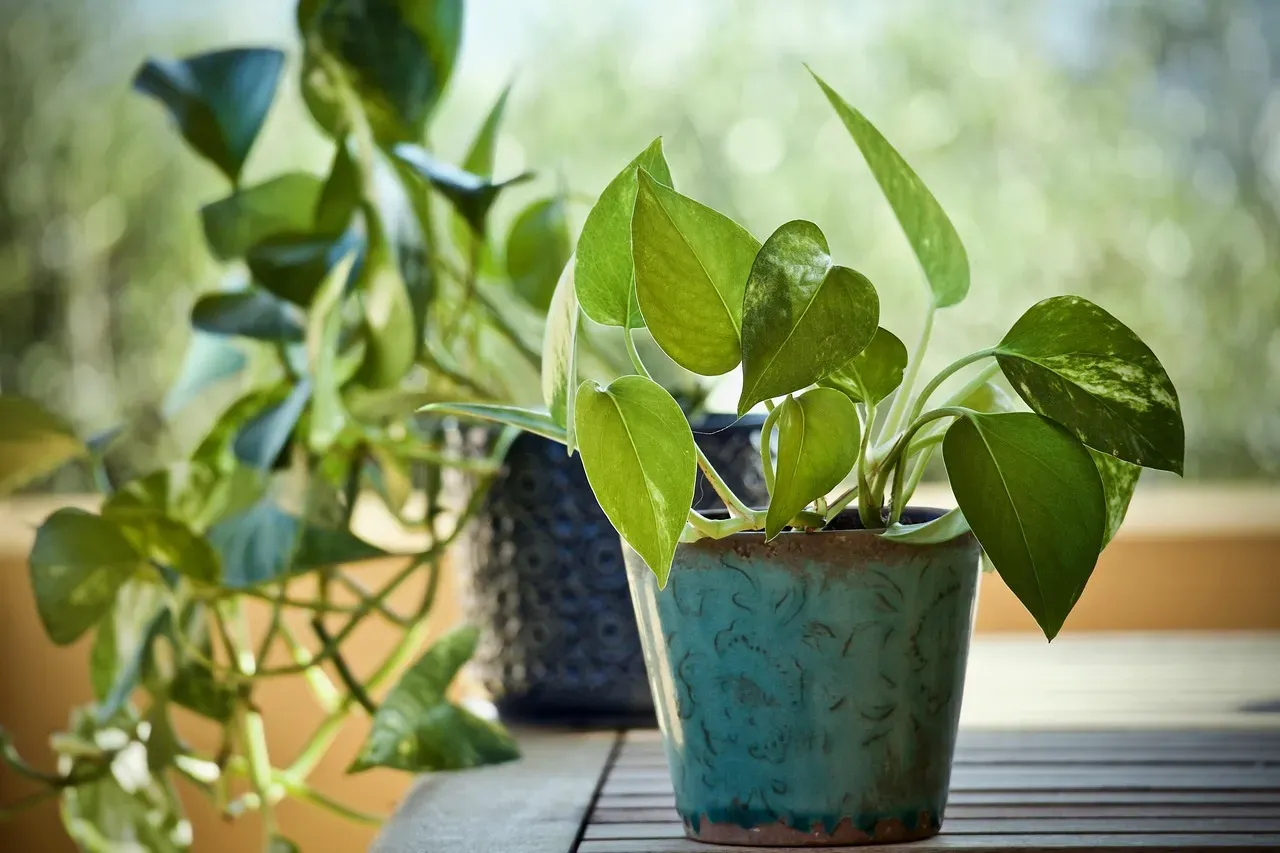
Pothos is practically synonymous with “easy houseplant.” It trails beautifully from shelves, tolerates low light, and rarely needs watering. It’s also one of the most common sources of plant-related issues for dog owners. Pothos, or Devil’s Ivy, contains calcium oxalate crystals that irritate the mouth and digestive system.
These lush green houseplants are a favorite for indoor decoration, but they hide a potentially harmful secret in the form of calcium oxalate crystals. When a dog chews on a pothos leaf, those microscopic needle-like crystals embed in the soft tissues of the mouth and throat, causing immediate and intense discomfort. You might notice your dog pawing at their face, drooling excessively, or refusing to eat.
The good news is that pothos toxicity in dogs is rarely life-threatening when small amounts are involved. The bad news is that the reaction is unpleasant and can worsen with larger ingestion. Using hanging baskets, tall plant stands, or closed rooms is a smart way to limit your dog’s access to these plants. Keeping pothos high and truly out of reach is the practical move here.
3. Dieffenbachia (Dumb Cane): Pretty Leaves, Painful Consequences
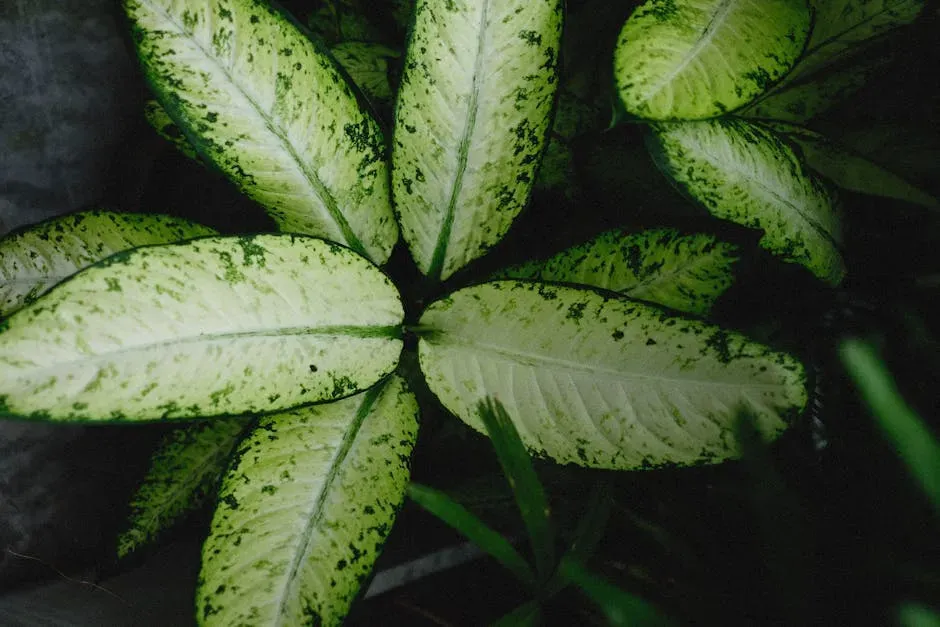
Dieffenbachia is beloved for its large, tropical-looking leaves with striking green and white patterns. It’s a go-to plant for offices and living rooms. Dieffenbachia, or Dumb Cane, causes burning, drooling, vomiting, and swelling when ingested by dogs.
Dog owners will not want to have Dumb Cane around dogs, either inside or in containers outside. The plant gets its common name from the way it can temporarily render a person speechless after contact, and the same intense oral burning applies to dogs. Imagine chewing on something that immediately makes your mouth swell and burn – that’s what your dog experiences with even a brief encounter.
Other symptoms can include severe gastroenteritis with bleeding, colic pains, and convulsions. There is also a risk of vision damage if the plant’s raphides become lodged in the eye, with a healing time that can reach up to four weeks. Given how commonly Dieffenbachia appears in homes, it’s worth replacing it with something safer, especially if you have a curious chewer at home.
4. Aloe Vera: A Healing Plant That Can Hurt Your Dog
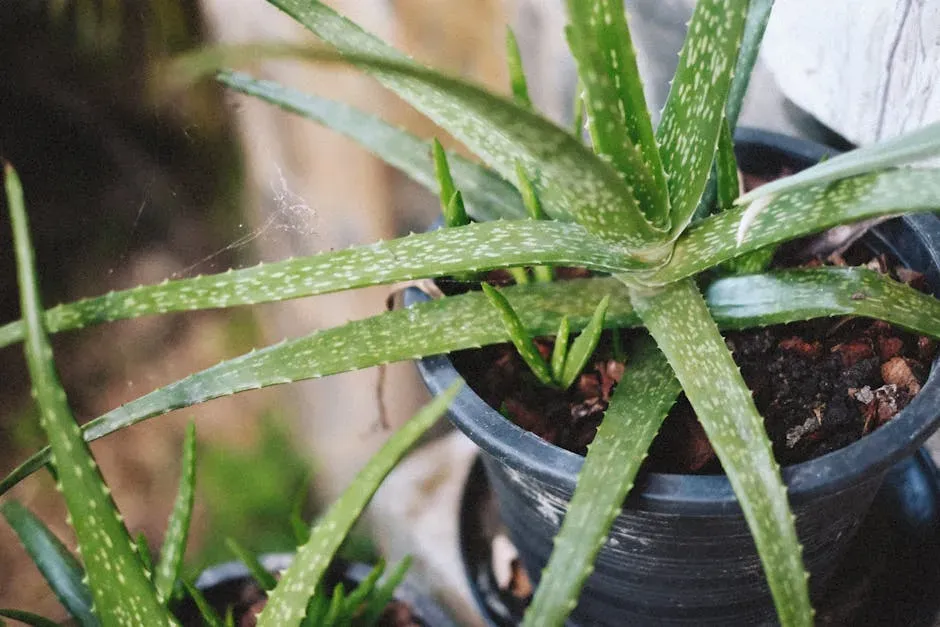
Aloe vera sits on bathroom shelves, kitchen windowsills, and garden patios everywhere. For humans it’s a trusted remedy for sunburn and skin irritation. For dogs, it tells a different story. Aloe vera is celebrated for its healing properties for humans, but it’s not as friendly to our four-legged friends. The plant contains compounds that can lead to gastrointestinal distress if ingested by dogs, with aloin, a bitter yellow substance found in the latex of aloe leaves, being the primary culprit.
Aloe vera contains saponin compounds which can make dogs sick if they chew and eat the plants. Consuming whole aloe vera plant material can give dogs gastrointestinal symptoms including vomiting and diarrhea. Aloe gel on its own isn’t toxic, but if a dog consumes whole aloe leaf, what they’re eating includes the aloe latex, which contains the toxic compounds.
Despite its benefits for humans, aloe can cause vomiting, lethargy, and urine changes in dogs. That change in urine color can be alarming to witness. If your dog has gotten into your aloe plant, monitor them closely and contact your vet if symptoms appear or worsen within a few hours.
5. Philodendron: The Classic Tropical That Bites Back
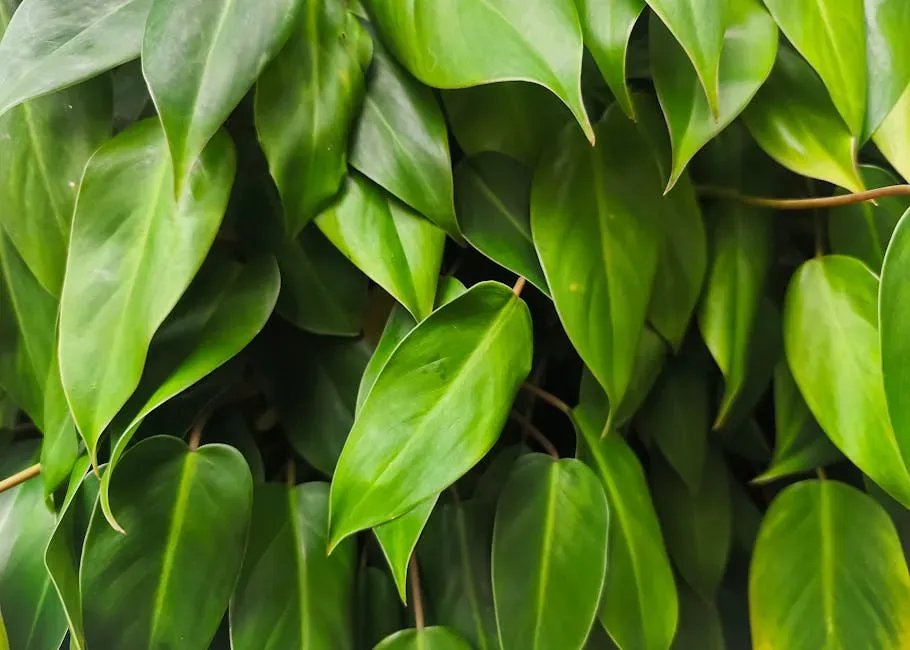
Philodendrons come in dozens of varieties and have been a staple of home décor for decades. They’re lush, forgiving, and widely available. They’re also a consistent source of mouth and throat irritation in dogs. Philodendron causes severe oral irritation, mouth swelling, and difficulty swallowing in dogs.
Like pothos, philodendrons contain calcium oxalate crystals that cause immediate pain on contact with mucous membranes. A dog who has chewed on a philodendron leaf will often drool heavily, paw at their mouth, and become reluctant to eat. The discomfort can look dramatic, and it genuinely is uncomfortable for them.
In more severe cases, nervous symptoms including increased excitability, twitching, and convulsions have been described, and philodendrons have also been identified as potentially allergenic. Signs to watch for include a dog pawing at their mouth, decreased appetite, gagging, drooling, or bad breath – all clear signals that something is wrong and a vet call is warranted.
6. Peace Lily: Elegant, Common, and Deceivingly Dangerous
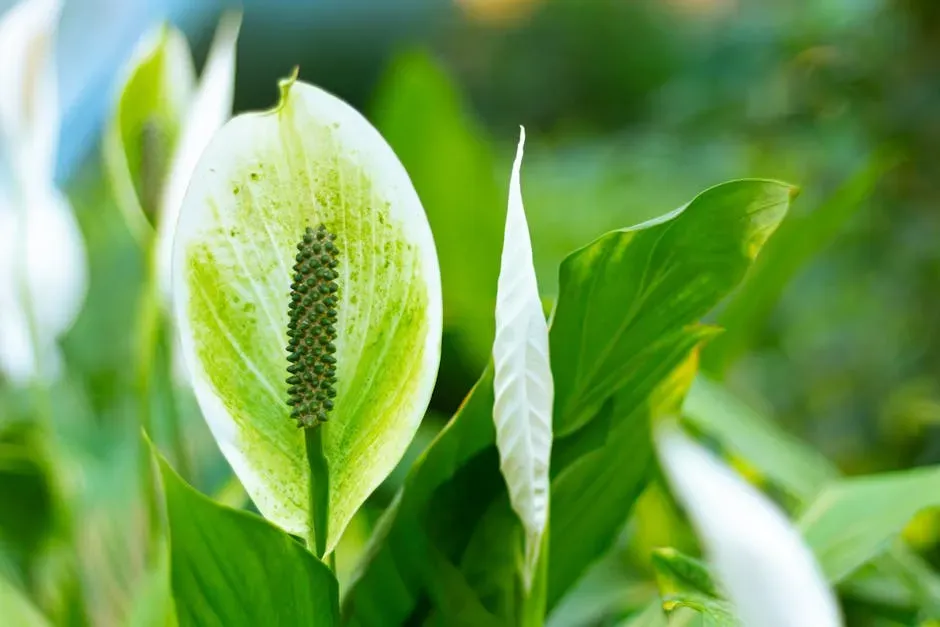
Peace lilies are one of the most gifted houseplants in the world. They’re given at housewarmings, sent as condolences, and sold in virtually every garden center. Their white blooms and glossy dark leaves look clean and calming. Peace lilies irritate the mouth and throat due to calcium oxalate crystals.
The irony of peace lilies is that they’re marketed as air-purifying plants, something that makes them feel like a healthy addition to a home. For dog households, the peace they bring is conditional. Any dog that chews on the leaves or flower will experience intense oral burning. The reaction is quick and uncomfortable.
Symptoms of plant toxicity in dogs can include vomiting, diarrhea, drooling, and lethargy, and more severe signs like difficulty breathing or swallowing and abnormal heart rate. If you suspect your dog has ingested a toxic plant, immediate veterinary attention is required. Peace lilies are a good candidate for rehoming to a dog-free environment or replacing with a safe alternative like a Boston fern or spider plant.
7. English Ivy: The Elegant Vine With a Hidden Sting

English ivy climbs walls, spills from hanging baskets, and gives spaces a lush, cottage-garden feel. It’s one of the most versatile decorative plants around – indoors and outdoors alike. English ivy causes abdominal pain, vomiting, and diarrhea in dogs when ingested.
Although a vine rather than a shrub, ivy is a common part of many landscapes. The foliage of certain types of ivy plants is dangerous to dogs, although not usually lethal. Ingestion can result in excessive salivation and drooling, vomiting, diarrhea, a swollen mouth and tongue, and difficulty breathing.
Dogs who spend time in yards with climbing ivy on fences or walls are also at risk, not just those whose owners keep it indoors. Young dogs and puppies, who are naturally more likely to chew on unfamiliar things, are especially vulnerable. Although most dogs will avoid eating dangerous plants, others will be more curious, especially young dogs or puppies, as dogs tend to explore the world with their mouths and can be at risk of licking, chewing, or eating a poisonous plant.
8. Dracaena: The Trendy Houseplant That’s Harder on Dogs Than It Looks
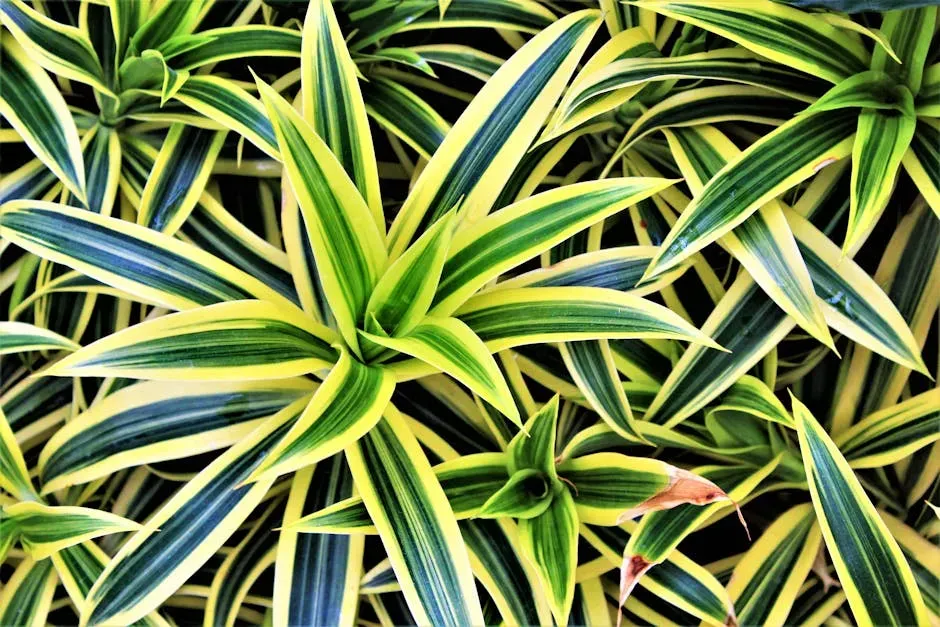
Dracaena plants, sold under names like corn plant, dragon tree, and ribbon plant, are everywhere right now. They look sculptural and modern, they’re low-maintenance, and they grow well indoors. Dracaena, or dragon tree, can cause vomiting, appetite loss, and depression in dogs.
Also known as the cornstalk plant or ribbon plant, the Dracaena contains saponins as its toxic chemical, similar to aloe. It is toxic if ingested by dogs, and symptoms include excessive drooling, mental dullness, change in energy level, lack of appetite, dilated pupils, and vomiting, occasionally with blood. Symptoms may occur within hours of ingestion.
That detail about blood in the vomit is particularly important to keep in mind. What might begin as sluggishness or reduced appetite can escalate. Dracaena species, including the corn plant and dragon tree, are beloved for their striking appearance, but these plants contain compounds that can cause digestive issues and oral irritation in dogs when ingested. If you notice your dog seeming unusually flat or off after being near a dracaena, a vet visit is the right call.
9. Lily of the Valley: Small Plant, Big Risk

Lily of the Valley is one of those plants that looks genuinely innocent. The tiny bell-shaped white flowers are delicate and fragrant, and the plant is a classic in cottage gardens and spring flower arrangements. It’s also one of the more serious threats on this list. Symptoms of ingestion include diarrhea, vomiting, a drop in heart rate, and cardiac arrhythmia.
Some of the most dangerous plants for dogs include lily of the valley, and these plants can cause severe symptoms such as organ failure, abnormal heart rhythms, seizures, or even death if ingested. The cardiac effects are what make this plant particularly alarming. It’s not just about an upset stomach – the toxins can interfere directly with how your dog’s heart beats.
Poisonous plants can find their way into our homes in bouquets and other floral gifts that often include harmful flowers, and even when you’ve been extra careful, you can still bring hazards into the home with something as seemingly innocuous as a flower arrangement. If you receive flowers that include lily of the valley, keep them well out of your dog’s reach, or better yet, leave them off the coffee table entirely.
10. Jade Plant: The Popular Succulent That’s More Toxic Than It Seems
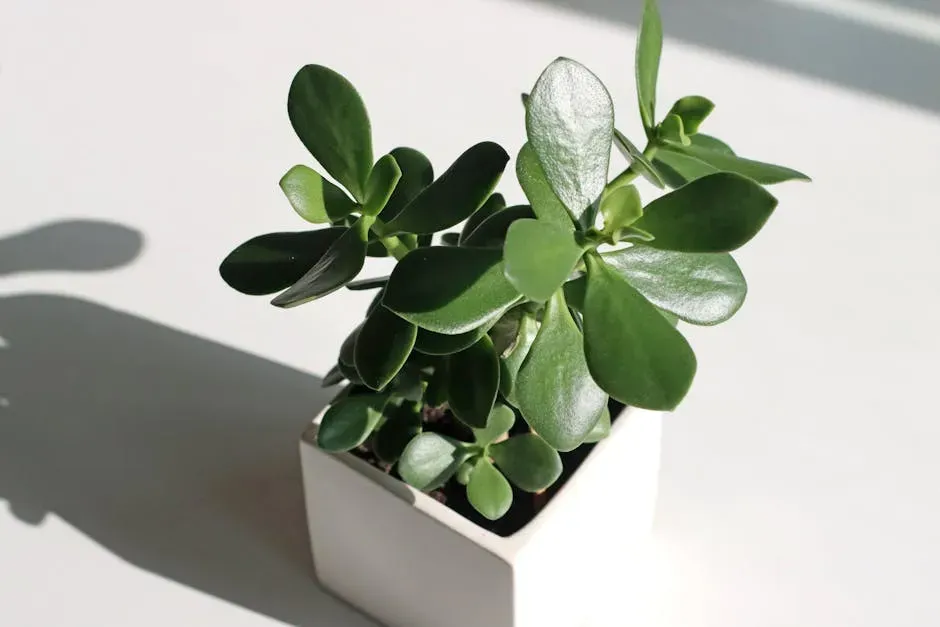
Jade plants are one of the most commonly owned succulents in homes across the world. They’re considered symbols of good fortune, they live for years with minimal care, and they look striking on windowsills. The jade plant is toxic to dogs, and consumption can cause vomiting and, in some pets, a slow heart rate, incoordination, and depression, which can be hard to spot.
Jade is only mildly toxic to dogs, and if ingested, the symptoms are typically gastrointestinal in nature. Vomiting, lethargy, and decreased appetite will usually resolve without treatment. You may also see your dog experience an uncoordinated gait, which can be concerning when witnessed. Signs may not be evident due to the mild toxicity, but if noticed, they may develop within one to four hours of ingestion.
The incoordination can look alarming, especially in an older dog or a small breed. The tricky thing about jade plant toxicity is that the depression and sluggishness it causes can be easy to dismiss as your dog just having a quiet day. Trust your instincts. If something feels off and your dog has access to a jade plant, make that call to your vet.
What to Do If Your Dog Eats a Toxic Plant
Speed matters. If your dog has eaten a poisonous plant, contact your veterinarian or the Pet Poison Helpline at 855-764-7661 immediately. Quick action is important, as some plant toxins can cause serious or life-threatening effects. You can also reach the ASPCA’s Animal Poison Control Hotline at 888-426-4435, which is available around the clock, every day of the year.
Do not try to induce vomiting at home unless specifically instructed by a veterinarian. Improperly inducing vomiting, or doing so in the wrong situation, can make your dog’s condition worse or cause additional complications. This is one of the most important things to remember in the heat of the moment, when instinct might push you toward action.
Stay calm and remove your dog from the area. Remove any remaining plant material from their mouth if it’s safe to do so. Identify the plant by taking a photo or bringing a sample. Call for help immediately and follow the advice carefully, whether that’s monitoring symptoms or heading to the vet. That photo of the plant can genuinely save your dog’s life by helping a vet identify the right treatment fast.
Building a Safer, Greener Home for Your Dog

You don’t have to choose between beautiful plants and a safe home for your dog. There are a wide variety of pet-safe houseplants that dog parents may want to consider in place of toxic ones. If you love the look of tulips and daffodils, consider flowers like marigolds, roses, sunflowers, and zinnias, which make for equally lovely alternatives that don’t pose a health risk to dogs.
Spider plants are a great-looking and non-toxic alternative to many hanging plants, as are Boston ferns and ponytail palms. Teaching your dog the “leave it” cue also helps prevent them from interacting with off-limits items, including plants, and positive reinforcement when they respond correctly builds a reliable habit over time.
Pet owners should familiarize themselves with what is safe and what is not, both in their yard and in the house. Knowing what plant a pet was exposed to, and knowing what plants are in a pet’s environment, helps to diagnose the toxin and speed up the urgent care needed for the pet to survive and recover. That knowledge is genuinely one of the most powerful forms of care you can offer your dog.
Conclusion: Your Dog Trusts You With Every Corner of Their World

Dogs don’t know what’s safe and what isn’t. They follow their noses, they chew things out of curiosity, and they explore every inch of the spaces you share with them. Dogs don’t instinctively know which plants are dangerous, and because every dog reacts differently, even small exposures can have big consequences. Prevention, supervision, and education are your best defenses.
The goal of this guide isn’t to make you anxious every time you walk past a plant. It’s to give you the grounded, practical knowledge to make better choices – whether that means swapping out a toxic plant for a safe one, moving your jade plant to a higher shelf, or simply knowing which number to call in an emergency.
Your dog trusts you completely. Knowing what’s in your home is one quiet, meaningful way to honor that trust every single day.


