
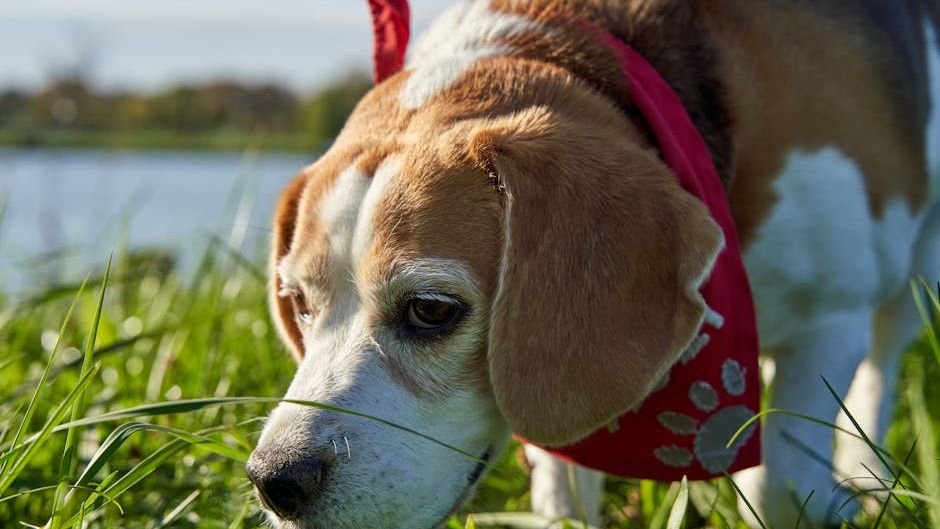
There’s a particular kind of heartbreak that comes with watching a dog you’ve known for a decade start to seem a little lost. Maybe your once-sharp Lab now stands in the hallway and stares at nothing. Maybe your border collie, who used to outsmart every puzzle toy in the house, now loses interest after thirty seconds. These moments aren’t just emotional, they’re also important signals that your dog’s brain needs more attention than it’s been getting.
One of the most common issues facing older dogs is canine cognitive dysfunction, often called “doggie dementia,” a condition that develops when harmful byproducts of metabolism gradually damage brain tissue, leading to a slow decline in function. The statistics are sobering. Research shows that roughly a quarter of dogs aged 11 to 12 will show at least one marker of canine cognitive dysfunction, and that number climbs substantially as dogs reach their mid-teens. The reassuring part? You have more power than you might think to slow that decline, starting today, at home.
1. Let Their Nose Lead the Way: The Power of Sniff Walks
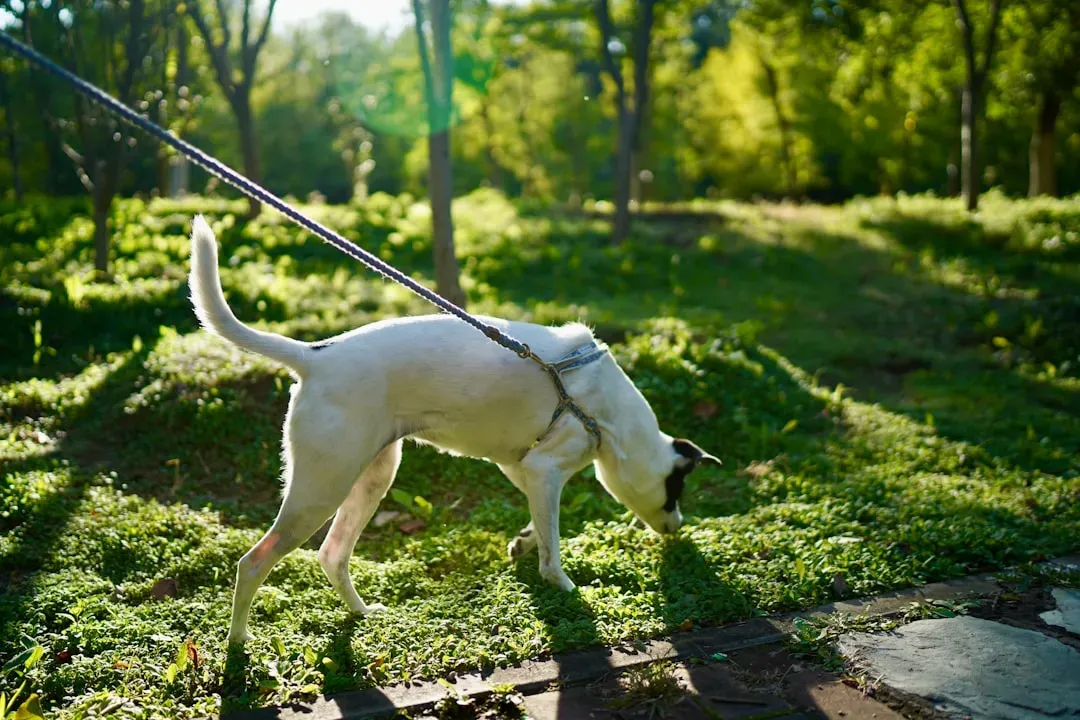
Most of us treat walks like exercise sessions, moving at our pace, toward our destination. For a senior dog, that approach misses something fundamental. A dog’s sense of smell is their primary way of reading the world, and giving them time to actually use it is one of the most accessible forms of brain training you can offer.
Sniff walks can be adjusted by limiting distance and allowing frequent, relaxed pauses, and that extra time spent smelling enriches cognitive engagement without straining joints and muscles. Think of it as letting your dog read the morning paper at their own pace rather than rushing them through the headlines.
For dogs that are still mobile, turning walks into sensory adventures by allowing them to stop and sniff as much as they like and introducing them to new environments when possible works like a kind of daily newspaper, full of information and real mental stimulation. Vary the route often. Changing up your dog’s daily experiences is key to warding off cognitive decline, and consistently taking different routes exposes their brain to a variety of new and exciting sights, smells, and sounds.
2. Puzzle Toys: Daily Brain Workouts in Disguise
Research by psychologist Norton W. Milgram at the University of Toronto shows that giving older animals mental exercise in the form of new problem-solving experiences, as well as exposing them to richer and different environments, helps to offset the usual decline in mental efficiency. Stimulating the mind in this way changes the physiology of the brain, creating new connections between existing neurons in the cortex as a result of experience.
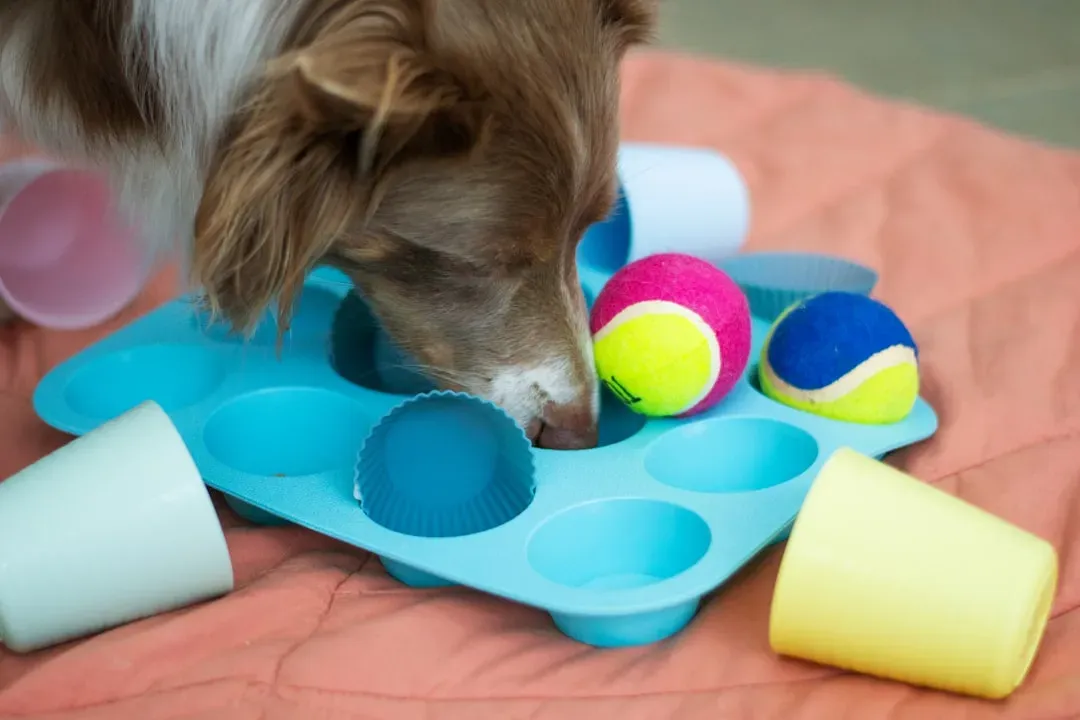
Interactive toys and games are a fantastic way to provide mental stimulation, and puzzle toys that dispense treats can keep your dog engaged as they figure out how to retrieve the reward. Start with easier difficulty levels, especially if your dog is new to puzzle toys, and only increase the complexity once they’re consistently succeeding. Frustration is the enemy of engagement here.
Mental challenges such as puzzle toys, treat-dispensing devices, and refreshing basic commands help maintain cognitive health. Even fifteen focused minutes a day with a good puzzle toy can make a measurable difference over weeks and months. Watch for signs that your dog is tiring, yawning, turning away, or losing interest, and wrap things up on a positive note before that happens.
3. Teach an Old Dog New Tricks (Seriously)
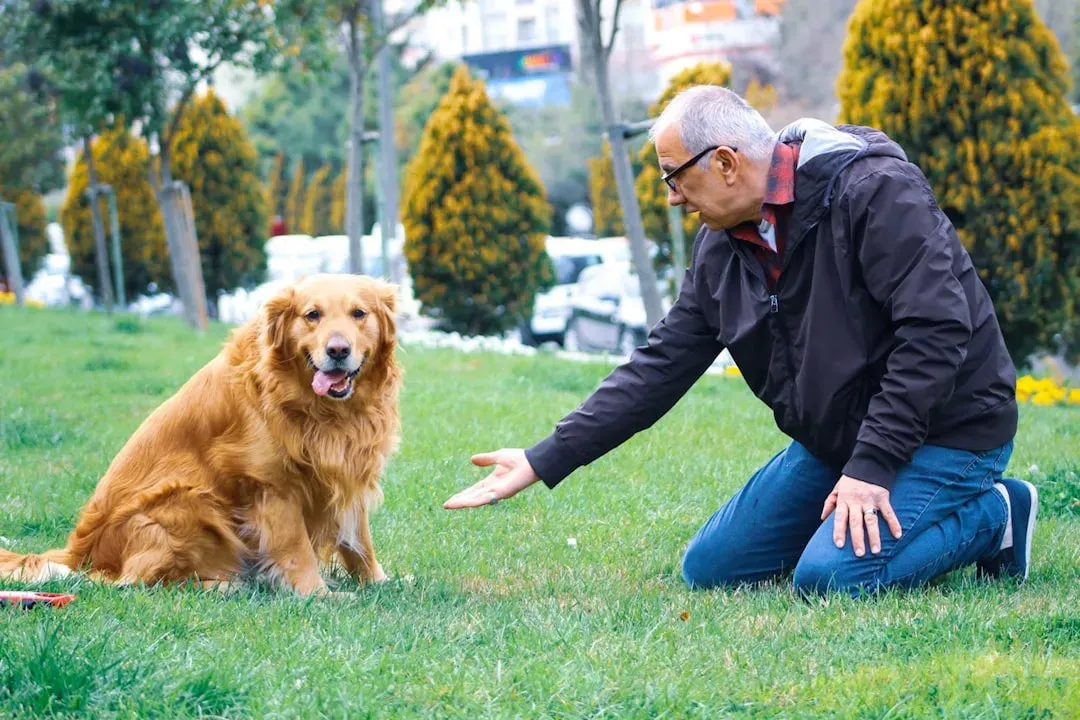
The old saying has it completely backwards. Contrary to common belief, older dogs can be ideal candidates for learning new tricks due to their heightened focus and attentiveness, attributes that often surpass those exhibited during their puppy years. That calmer, more settled energy you notice in your senior dog? It can actually work in your favor during training.
Learning new commands or tricks can provide mental stimulation and a challenge for your senior dog, and engaging in activities that keep the mind active can slow down cognitive decline and improve overall mental fitness. Keep sessions short, around five to ten minutes, and always use positive reinforcement. Treats, praise, and gentle petting all count.
Rewards-based strategies, patient practice, and regular positive reinforcement ensure a pleasant experience and strengthen the bond, and it’s important to keep sessions upbeat and brief while watching for signs of fatigue like panting or slowing down, and offering rest whenever needed. The goal isn’t perfect performance. It’s engagement, confidence, and a dog who feels capable and seen.
4. Make Mealtime a Mental Event

If your senior dog wolfs down their food in thirty seconds and then wanders off looking lost, you’re leaving a major enrichment opportunity on the table. Mealtimes can be transformed into a stimulating, rewarding experience that engages the brain rather than bypassing it entirely.
Transforming mealtime into a stimulating experience with food puzzles is one of the simplest and most accessible upgrades you can make to your dog’s daily routine. Lick mats, slow feeders, snuffle mats, and Kong-style toys that require your dog to work for every bite all fall into this category. The effort itself is the point.
A practical note: don’t over-treat during training, as older dogs add weight more quickly and lose pounds more slowly due to changes in their metabolism. If you’re using food puzzles and training treats throughout the day, factor those calories into their total daily intake to avoid unintentional weight gain, which can worsen joint issues and further limit activity.
5. Scent Games: Tapping Into Their Superpower

Did you know that your senior pet’s sense of smell remains sharp, even as their eyesight or hearing declines? This makes scent-based activities one of the most reliably accessible forms of enrichment, even for dogs dealing with significant physical limitations. A dog who can barely walk can still sniff magnificently.
Scent games such as looking for treats or a favorite toy are a wonderful way to engage senior dogs, even those with dementia. A senior collie with dementia, who was almost blind and deaf and had arthritis, was able to learn how to search for a toy with treats placed on it, and “find it!” quickly became her favorite game. That story alone should give any worried dog parent genuine hope.
Tapping into your dog’s natural instincts with scent-based activities by hiding treats around the house or yard for them to sniff out is a great form of mental stimulation. You can start small, hiding treats in just two or three spots, then gradually increase the complexity as your dog’s confidence grows. The focus and satisfaction they show when they find the reward is something genuinely beautiful to watch.
6. Gentle Agility: Keep the Body and Brain Moving Together
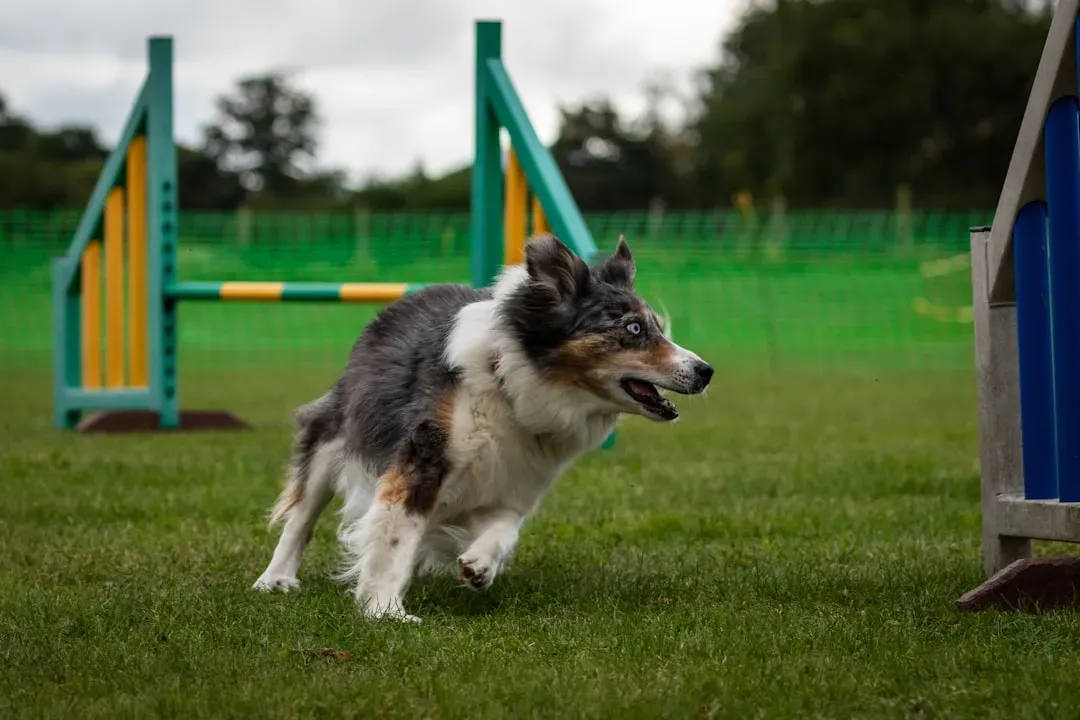
Although high-energy runs may no longer suit your senior pet, low-impact agility games keep them engaged. Creating a simple obstacle course with pillows or cardboard boxes, encouraging slow-paced weaving between cones, and guiding them through hoops placed on the floor all offer mental stimulation while keeping joints moving safely.
The beauty of a DIY agility setup is that it’s completely adaptable. Lower the hoops, widen the gaps, keep the pace slow. The aim isn’t athletic performance, it’s purposeful movement with mental engagement layered on top. Your dog has to think about where their feet are going, and that thinking is exactly the kind of exercise their aging brain needs.
The biggest takeaway from research on senior dog activity is that ensuring your senior dog gets regular physical activity and mental stimulation can help support cognitive health. Even short, gentle sessions a few times a week make a meaningful difference when done consistently over time. As always, check with your vet before starting new physical activities, particularly if your dog has arthritis or mobility challenges.
7. Teach Toy Names to Strengthen Memory
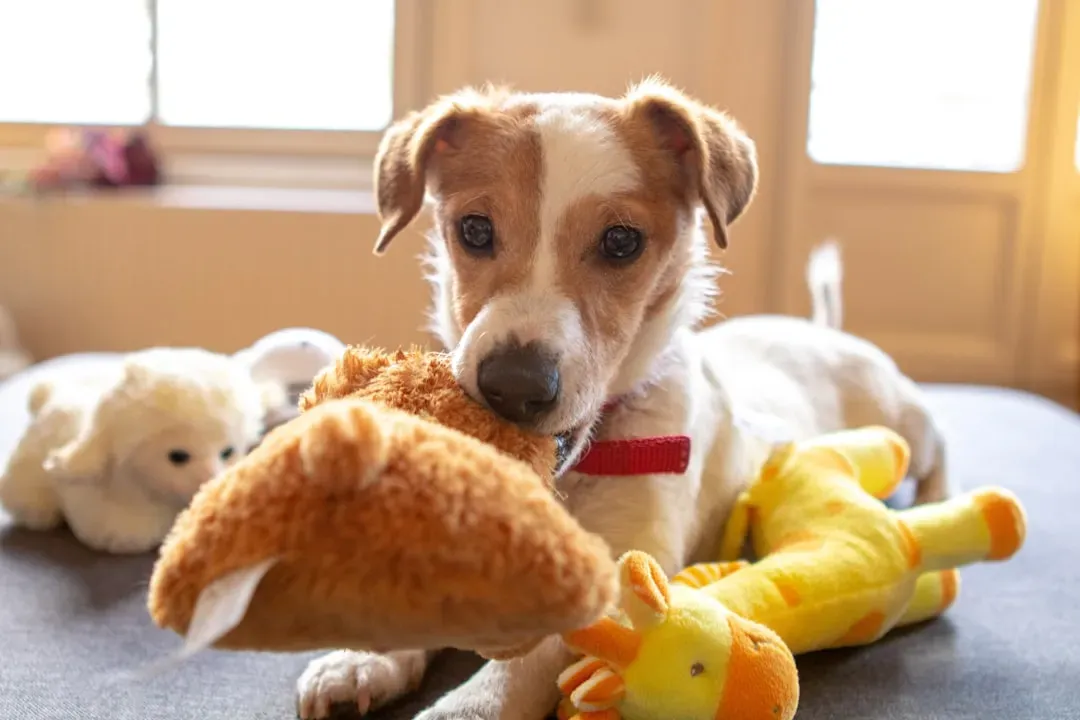
This one surprises a lot of people, but it’s genuinely effective. Start by teaching your pet the names of their toys. Hold up a stuffed animal and say the toy’s name repeatedly, then reward them each time they bring the correct toy. This activity strengthens memory, builds vocabulary, and provides mental stretching similar to crossword puzzles for humans.
Begin with just two toys. Once your dog consistently picks the right one when asked, add a third. It takes patience and repetition, but watching a senior dog light up when they nail the right choice is deeply rewarding for both of you. It’s one of those activities that masquerades as play while quietly doing serious cognitive work underneath.
This kind of name-association game also provides an excellent ongoing window into your dog’s cognitive health. If a dog who previously knew three or four toy names starts confusing them frequently or losing interest in the game entirely, that behavioral shift can be worth mentioning to your vet. The changes in senior dogs can be subtle at first but often become more noticeable over time, and being aware of these shifts early gives you the chance to take action and support your dog’s well-being.
8. Social Enrichment: New Faces, New Environments
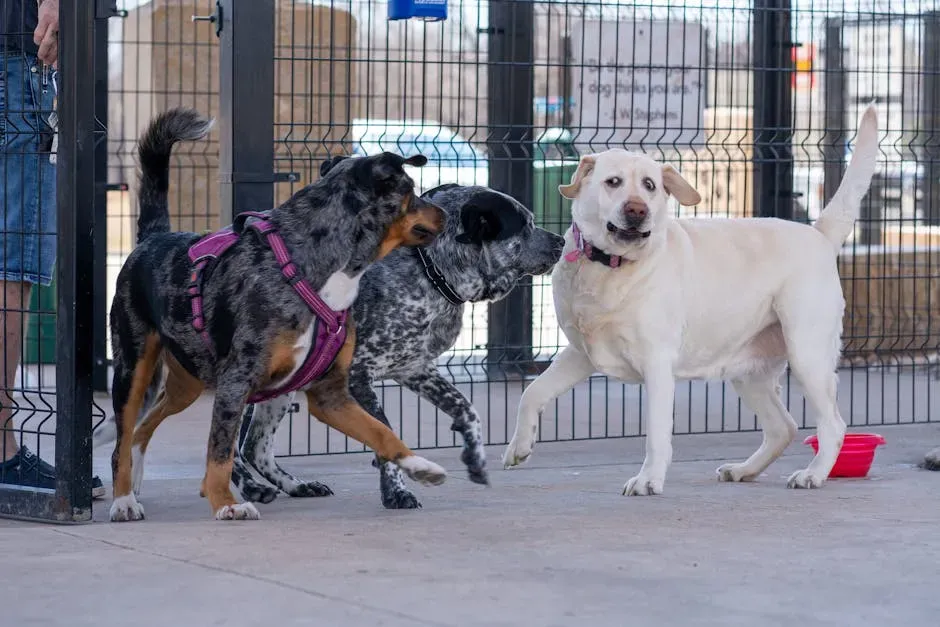
A dog who spends all day in the same house, looking at the same walls, is a dog whose brain has very little new information to process. Social and environmental novelty is a genuine form of cognitive stimulation, and it’s easy to underestimate how much it matters.
Considering regular playdates with other dogs can provide much-needed social and mental stimulation, and taking your senior dog to pet-friendly places like parks or pet-friendly cafes can expose them to new sights, smells, and experiences, providing valuable mental stimulation. Even a short trip somewhere new changes the sensory landscape entirely for a dog.
That said, watch your dog’s body language closely in social situations. Not every senior dog enjoys the company of boisterous younger dogs, and a stressful interaction does more harm than good. Look for a relaxed tail, soft eyes, and loose body posture as signs that your dog is comfortable and engaged rather than overwhelmed. Keep visits short and pleasant, and always give your dog a way to step back if they need it.
9. Routine, Consistency, and a Calming Environment

While novelty fuels the brain, routine anchors it. For senior dogs, especially those already showing signs of cognitive decline, a predictable daily structure provides a form of security that genuinely reduces anxiety and mental load. Dogs are creatures of habit, and having a consistent routine can reduce stress and build their confidence at any age. However, as a dog ages, they can become confused even in familiar places, which is why it’s important not to change your routine too often.
Maintaining a consistent routine and reducing environmental stress factors are part of the recommended care approach for dogs experiencing cognitive changes, alongside enrichment activities and dietary adjustments. Think of it this way: enrichment adds stimulating variety to the day, but the framework of the day itself should stay as predictable as possible. Feed at the same time, walk at the same time, rest at the same time.
Environmental modifications are important for senior dogs. As their brain changes with age, they may become confused and can accidentally hurt themselves, and night lights can be helpful to minimize confusion in the dark. Small adjustments like these cost almost nothing but can meaningfully improve the quality of daily life for a disoriented older dog.
10. Support Brain Health Through Nutrition and Vet Partnerships
Mental enrichment doesn’t happen in isolation. What your dog eats, what supplements they take, and how often they see a vet all work alongside behavioral enrichment to support the aging brain. A balanced diet is key to your dog’s mental fitness, and nutrients such as omega-3 fatty acids, antioxidants, and B vitamins can help maintain brain health and improve cognitive function.
Early intervention with environmental enrichment, diet, and medical management can improve the quality of life for dogs affected by cognitive dysfunction syndrome. This is worth saying plainly: waiting until symptoms are severe before addressing them means missing the window when intervention is most effective. If your dog is nine or older, a proactive conversation with your vet about brain health is entirely appropriate, not alarmist.
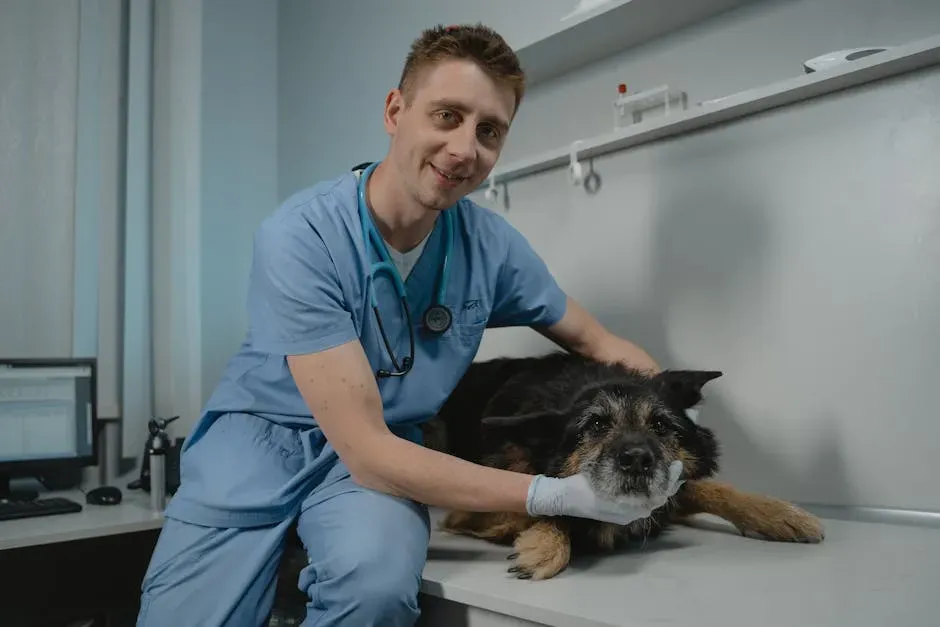
Regular vet visits are essential for detecting and managing health issues that could affect your senior dog’s mental fitness, and any changes in your dog’s behavior should be discussed with your vet, as these could be signs of cognitive decline. Your vet can provide guidance on managing these changes and may recommend supplements, changes in diet, or specific mental stimulation exercises to support your dog’s cognitive health.
Recognizing the Warning Signs Early

Knowing what to watch for is just as important as knowing what to do. The acronym “DISHAAL” describes the signs of canine cognitive dysfunction syndrome: Disorientation, Abnormal Interactions, Sleep/wake cycle disturbances, House soiling, Activity changes, Anxiety, and Learning and memory changes. Any one of these signs appearing suddenly or worsening over weeks deserves a veterinary conversation.
Canine cognitive dysfunction syndrome is first noted by owners as unusual behavioral changes. An owner may notice that their dog is less responsive or connected to them emotionally, appears confused or disoriented, or has a change in established sleep-wake patterns, often including increased nocturnal activity. These signs are easy to chalk up to “just getting old,” but that assumption can delay helpful intervention.
Clinical signs of cognitive dysfunction in dogs can be subtle at first and easily misinterpreted as normal aging, and because the condition is progressive, symptoms continue to worsen over time. Early recognition, followed by enrichment, dietary support, and veterinary guidance, gives your dog the best possible foundation for their golden years.
Conclusion: Every Day Is Still Worth Showing Up For
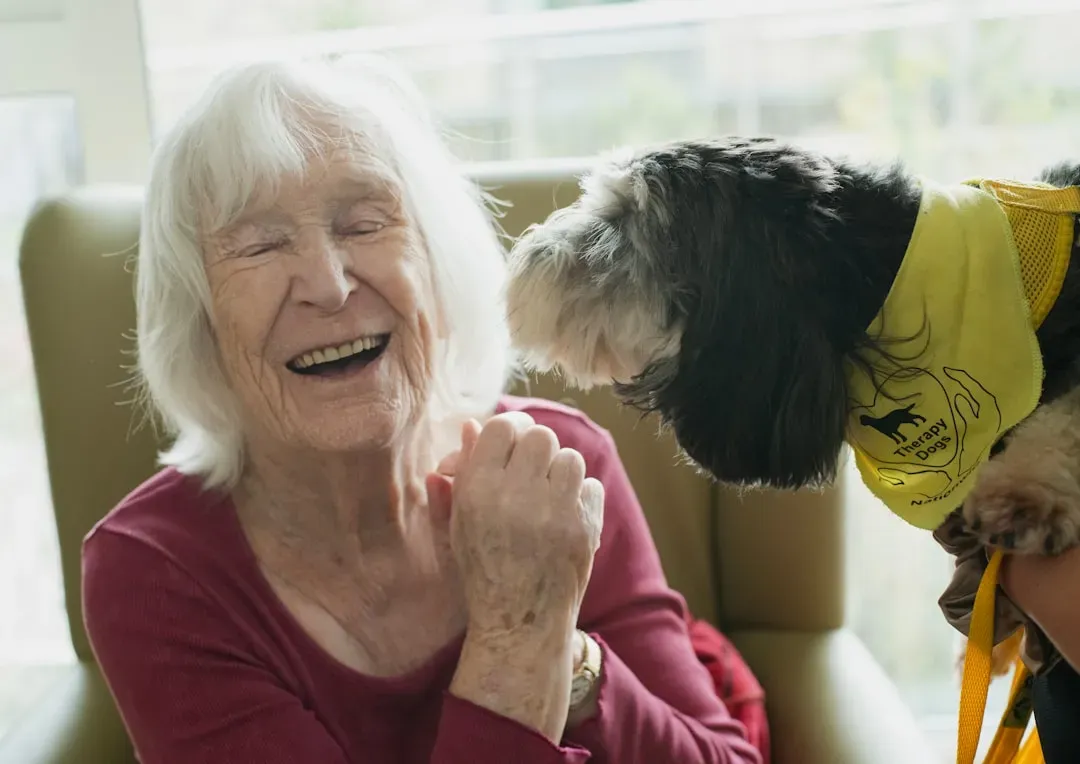
Caring for a senior dog asks something of us that caring for a young, healthy dog doesn’t quite require: a willingness to meet them where they are, not where they used to be. Some days that means a shorter walk with twice the sniffing. Other days it’s a five-minute game of “find it” with a few hidden kibble pieces. None of it needs to be elaborate to be meaningful.
Your dog experiences cognitive decline with aging, and one way to combat this is to engage them with activities that keep their brains active. The science supports it. The lived experience of thousands of dog owners confirms it. A stimulated brain ages more gracefully, and a dog who feels purposeful and engaged is a happier dog, regardless of how many grey hairs frame their muzzle.
The ten strategies in this article aren’t a cure, and they aren’t a guarantee. They’re an investment. In quality of life, in connection, and in the quiet daily act of saying to your dog: you still matter, and I’m still here. That might just be the most powerful form of enrichment there is.


