
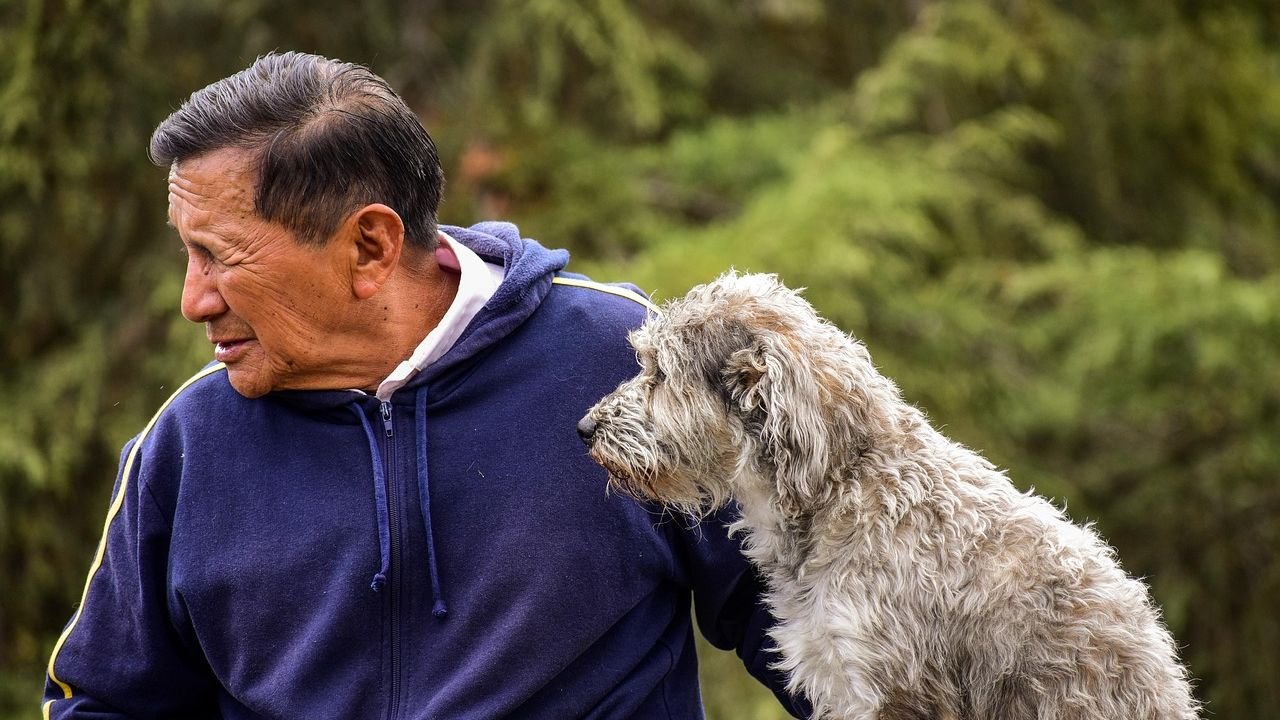
Most people assume the connection between an older adult and their dog comes down to something simple: the dog is small, calm, and easy to manage. That’s part of it, sure. But the real reasons run a lot deeper, and some of them will genuinely surprise you.
There’s a particular kind of bond that forms in the later chapters of life, shaped by loss, transition, biology, and an unspoken need for consistency. When the right breed meets the right person at the right moment, something almost remarkable happens. Understanding why that connection forms isn’t just interesting. It can genuinely help older adults choose a better match and build a relationship that improves their quality of life in ways that go far beyond companionship.
The Caregiving Instinct Gets Reawakened at Exactly the Right Time
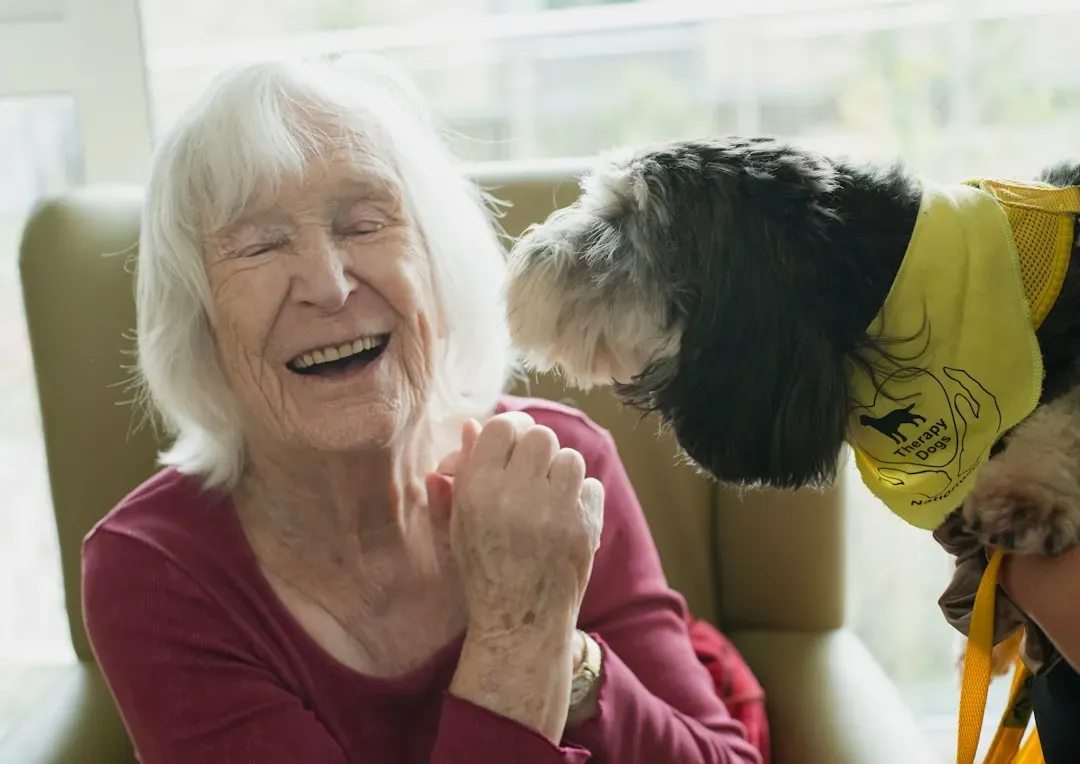
One of the most underappreciated dynamics in the senior-dog relationship is what happens psychologically when an older adult takes on the responsibility of caring for another living being. The caregiving system, a complement to the attachment system, motivates humans to protect and care for others. While it’s typically associated with parenting, this system is also activated in dog ownership. Dogs rely on their owners for food, shelter, exercise, and emotional engagement, which triggers caregiving instincts and prompts owners to respond to their dog’s needs.
Many elderly people suffer from loneliness after they lose their partner or after they retire. They feel a certain lack of purpose that would give meaning to their everyday lives, and retirement can become an ever-increasing burden. A dog steps into that gap naturally and without judgment. Breeds that are especially reliant on human attention, such as the Cavalier King Charles Spaniel or the Maltese, tend to trigger this response more intensely because their neediness isn’t a burden; it’s a reason to keep showing up every day.
Caring for a dog provides a sense of purpose and responsibility, which can be particularly beneficial for individuals struggling with depression. That feeling of being genuinely needed is something a lot of older adults quietly miss, and certain gentle, dependent breeds deliver it in abundance. It’s not just about having a pet. It’s about being someone’s whole world again.
Matching Energy Levels Creates a Chemistry That’s Surprisingly Biological
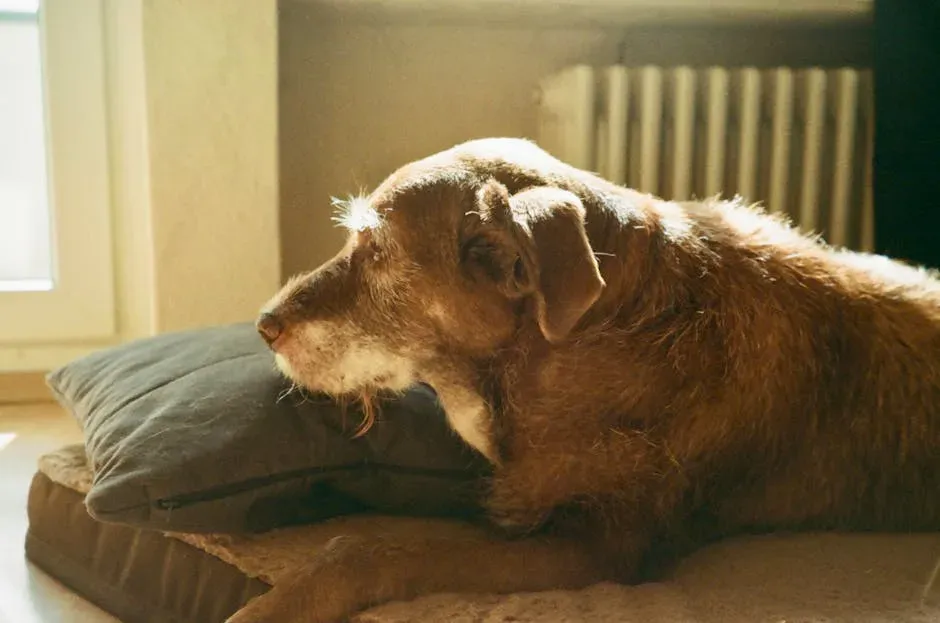
There’s real science behind why some breeds seem to just click with certain older adults while others create friction. Small, calm breeds such as the Cavalier King Charles Spaniel, Shih Tzu, and Pug are frequently recommended because they are gentle, easy to handle, and adaptable to quieter daily routines. When a dog’s natural pace mirrors that of its owner, daily interactions become effortless rather than exhausting. That ease is where the deep bond grows.
Studies have shown that interacting with animals can lower cortisol levels, a hormone associated with stress, and increase oxytocin, often referred to as the “love hormone,” which promotes feelings of relaxation and bonding. This chemical response is stronger and more consistent when the interactions are calm and frequent rather than sporadic and stressful. A high-energy breed that bounces off the walls doesn’t produce the same peaceful chemistry that a Shih Tzu curled up on a lap does.
Welcoming a dog into your life during retirement can be one of the most rewarding decisions. Dogs provide companionship, encourage light physical activity, and bring a sense of routine and joy. However, not every breed is suitable for older adults. The key is to find a dog that matches your energy level, lifestyle, and living situation. When that match is right, the bond doesn’t just form. It deepens with remarkable speed.
Structured Daily Routines With a Dog Restore a Sense of Self That Retirement Can Quietly Erode
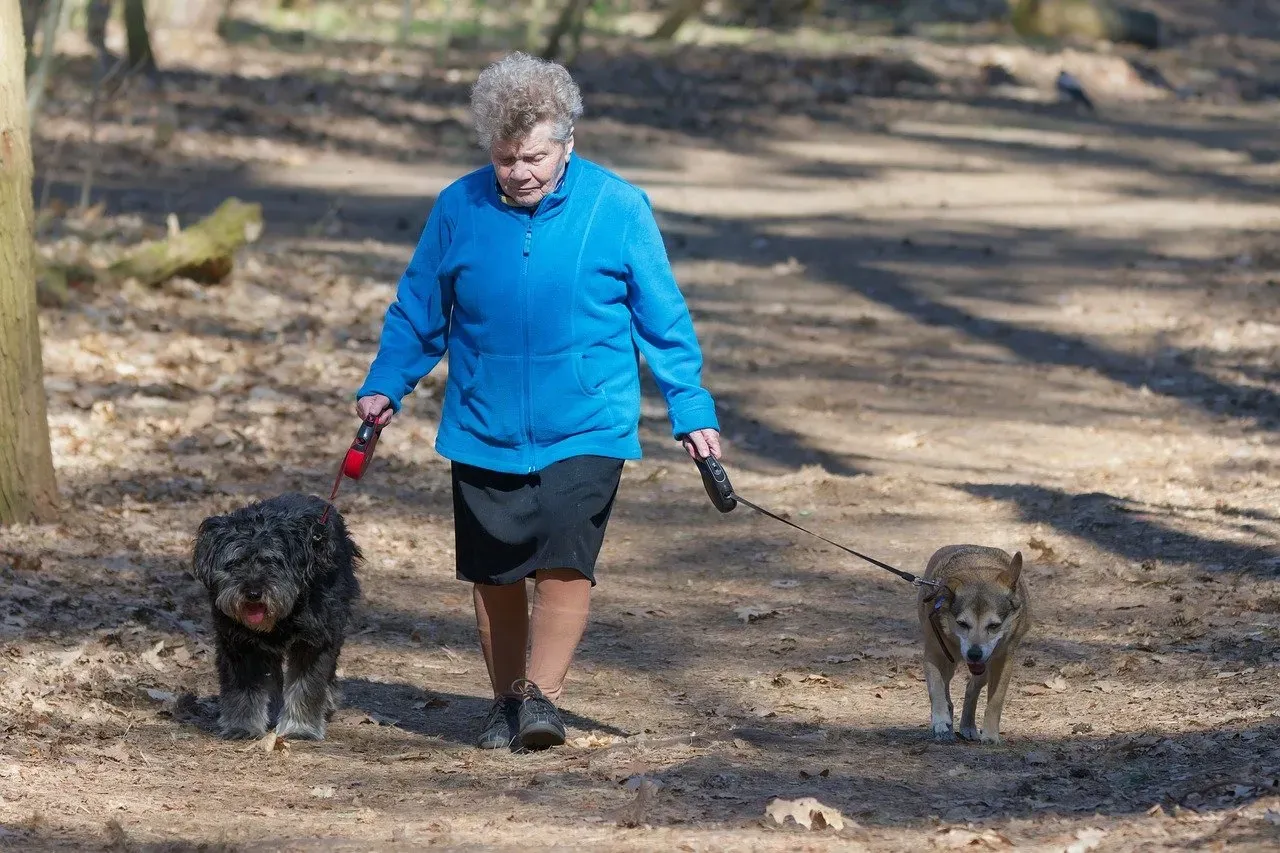
A dog can serve as a medium through which social contacts can be established in everyday situations. Dogs give their owners’ days a certain structure, because fixed times for meals and walks provide elderly people with the feeling that they have a purpose and a responsibility towards someone. Dogs give a certain meaning to their lives, since the task of caring for a dog also means a great responsibility.
This is something retirement often strips away without warning. The daily schedule disappears, social contacts gradually thin out, and days can start to feel shapeless. Dog companionship often helps people to develop a daily routine and gives them something to look forward to each day. Studies also show owning a dog reduces stress, alleviates anxiety, and even can prolong a human’s lifespan. Breeds with predictable routines, moderate exercise needs, and gentle temperaments, like the Beagle or Pembroke Welsh Corgi, naturally slot into this need for structure.
Even gentle daily walks with a small dog encourage older adults to move their bodies consistently. Regular movement supports cardiovascular health, maintains joint flexibility, and contributes to better sleep. Seniors who walk dogs are more likely to maintain consistent activity levels than those without walking motivation. That predictable rhythm, walk time, feeding time, quiet evening time, becomes an anchor. For many older adults, the dog’s routine literally becomes their own.
Certain Breeds Are Wired to Sense and Respond to Human Emotional States
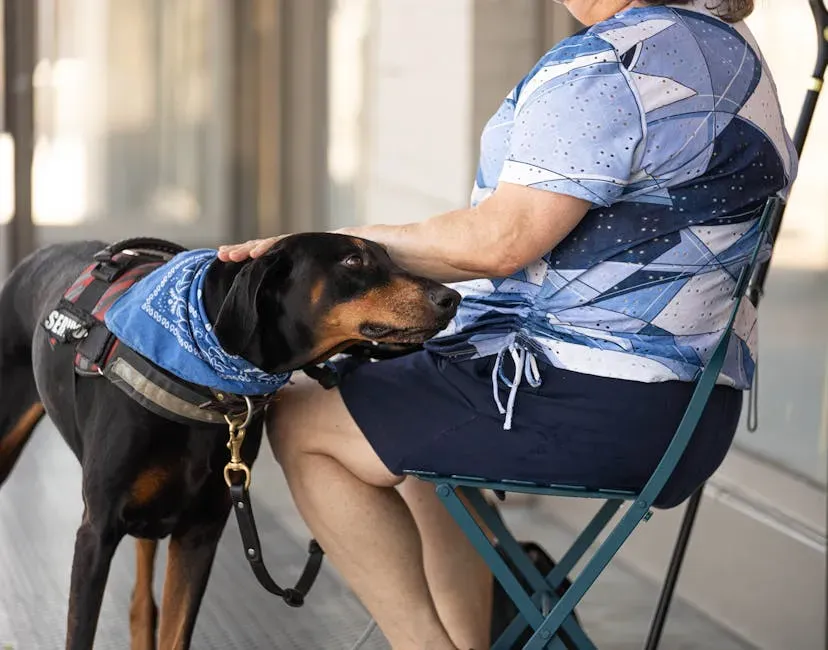
This one tends to catch people off guard. Not all dogs are equally attuned to human emotions, and the difference matters enormously for older adults navigating grief, health challenges, or the quiet ache of social isolation. Dogs are known for their attunement to human emotions. They can sense when their owners are sad or anxious and often respond with comforting behaviors such as physical proximity, licking, or nuzzling. Unlike human relationships, dogs offer nonjudgmental companionship, creating a safe space for emotional vulnerability.
Breeds with high emotional sensitivity, like the Golden Retriever, the Labrador Retriever, and the Cavalier King Charles Spaniel, have long been used as therapy dogs precisely because of this trait. Often used as a therapy dog, the Maltese is notably attentive to the emotions of their pet parent. When a dog notices that its owner is having a hard day and quietly moves closer, that small act of canine empathy can be profoundly comforting for someone who may not have a lot of people checking in on them.
The bond between pets and their owners can offer a sense of comfort during difficult times, whether it’s coping with chronic illness, grief, or simply the challenges of aging. Some seniors with conditions such as dementia or Alzheimer’s have been shown to benefit greatly from the companionship of a pet. Animals can help trigger memories, provide emotional comfort, and reduce agitation. The calming effect of pet interaction can often soothe agitation and anxiety in patients with dementia, improving their quality of life. The breed matters here because a reactive, high-strung dog can actually amplify anxiety rather than ease it.
Dogs Become Unexpected Social Bridges at a Life Stage When Human Connections Often Narrow
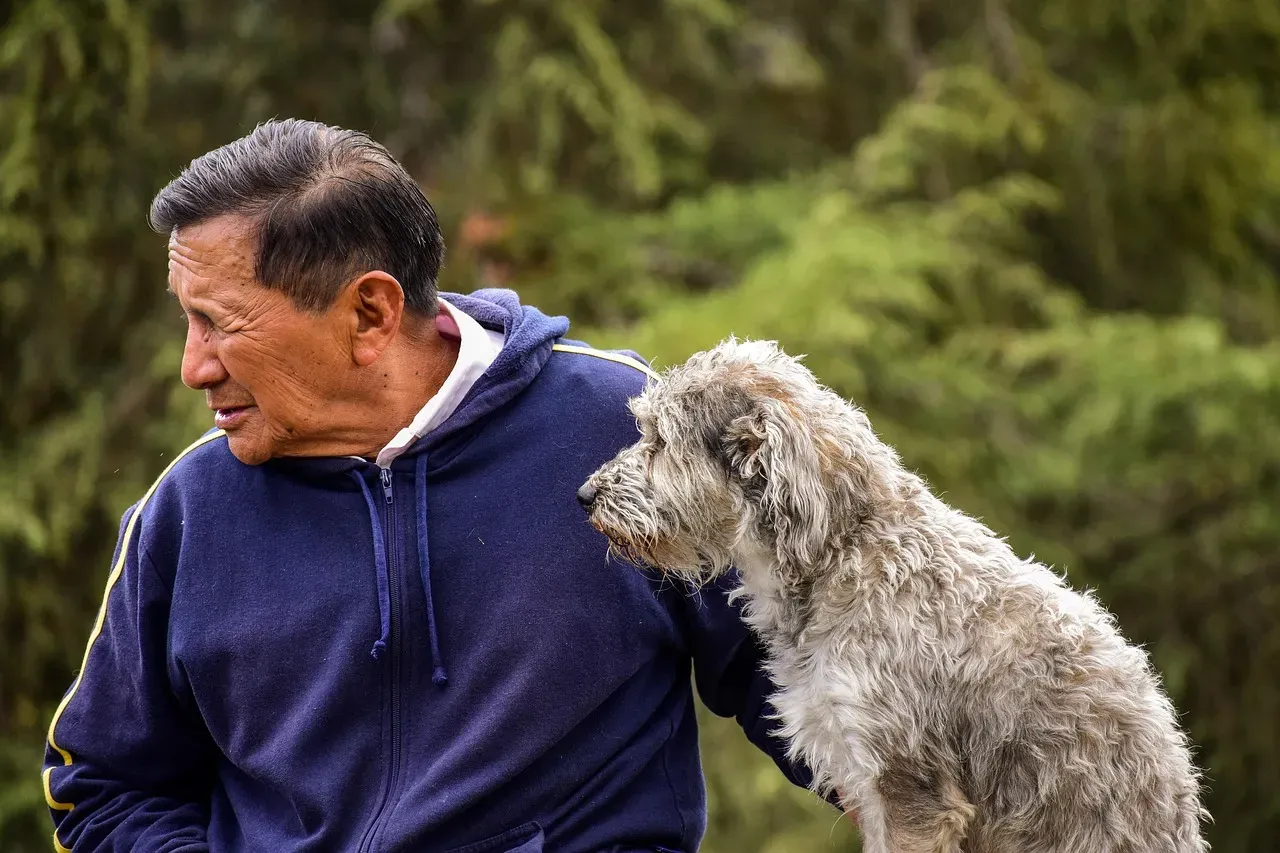
One of the quieter losses that comes with aging is the natural narrowing of social networks. Friends move away or pass on. Family gatherings become less frequent. The world can start to feel smaller. Dog owners are more likely to engage in conversations with others during walks, creating opportunities for social connections that can combat feelings of loneliness and improve overall mental health. One study found that dog owners were more likely to meet their neighbors and form friendships than non-pet owners, which can lead to a greater sense of community and belonging.
Dog ownership and receiving family care are factors associated with a lower risk of perceived loneliness, particularly among women. Certain breeds naturally invite social interaction simply by being present in public. A fluffy Bichon Frise or a friendly Labrador tends to draw smiles, questions, and conversations from strangers in ways that quietly expand a senior’s social world. Friendlier-looking breeds, in particular, encouraged social interactions between their owners and others in public spaces.
Dogs provide reliable, non-judgmental companionship, something that becomes increasingly valuable as adults age and social networks naturally shrink. Studies have found that older adults with pets experience lower rates of loneliness and depression. The bond deepens precisely because the dog fills more than one role. It’s a companion, a social connector, a reason to leave the house, and a living reminder that the world is still worth engaging with. That’s a lot to ask of one relationship, and yet the right breed delivers it naturally every single day.
Conclusion: The Bond Isn’t Accidental. It’s Built on Real, Measurable Needs
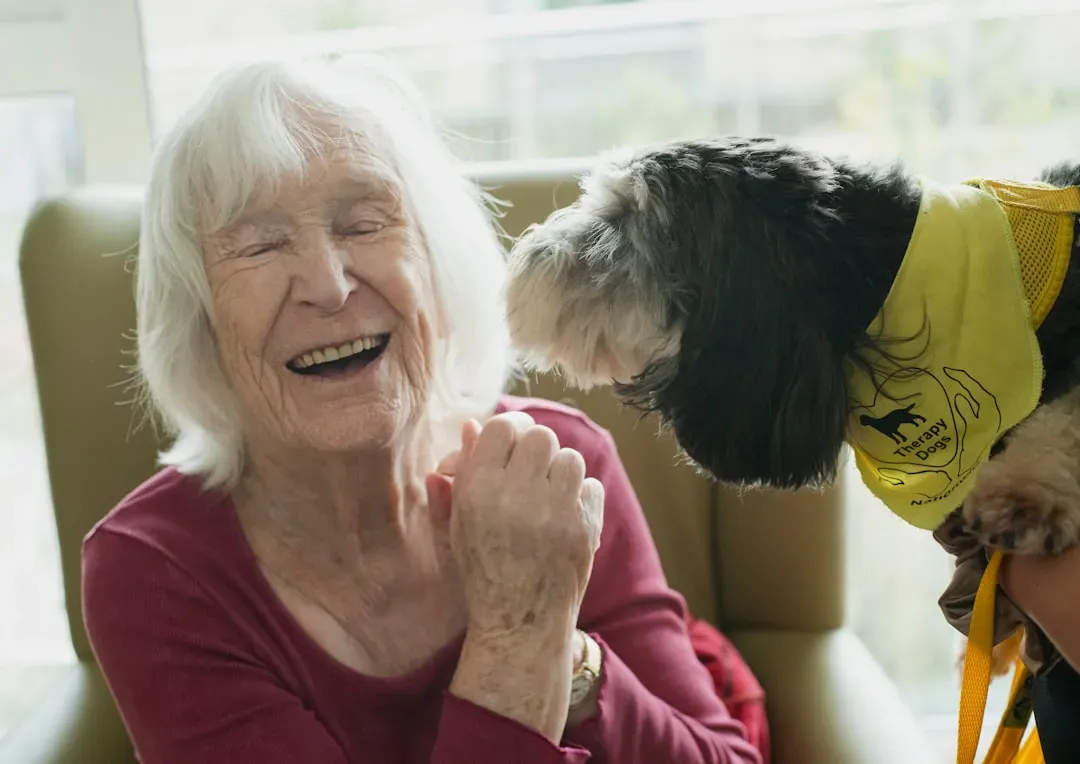
The unusually deep bonds older adults form with certain dog breeds aren’t random or sentimental. They’re rooted in biology, psychology, and the very real emotional terrain of later life. Pet ownership is associated with slower cognitive decline in older adults, and pet ownership has been shown to have a positive influence on cognitive functioning and cognitive decline in late adulthood. That’s a finding worth sitting with for a moment.
Choosing a breed thoughtfully, one that matches your pace, your emotional needs, and your daily rhythm, isn’t just a lifestyle preference. What matters most is finding a companion that suits your real daily life: your energy level, your living situation, your budget, and your need for routine and emotional connection. With thoughtful planning and the right match, a dog can bring genuine joy, purpose, and warmth to the years ahead.
The right dog at the right stage of life doesn’t just provide company. It gives structure, purpose, biochemical comfort, and a reason to step outside each morning. Some relationships are simply better than others at healing quietly from the inside out, and when that happens between an older adult and a dog who was always meant to be theirs, it’s one of the most genuinely beautiful things you’ll ever witness.


