
You set down a fresh bowl of food. Your dog walks over, sniffs it, and turns away with the kind of indifference usually reserved for a rainy Monday morning. Sound familiar? If you’ve ever stood in your kitchen wondering whether your pup is genuinely unwell, quietly staging a protest, or just holding out for something better, you’re not alone.
Picky eating is one of the most puzzling and frustrating behaviors dog owners deal with. The instinct is usually to swap the food, add toppings, or panic. The reality is more layered. Dogs who previously ate well don’t just “decide” not to eat; there are many possible causes that may be at the root of significant changes in a dog’s appetite. Before you swap kibble brands for the third time this month, it helps to understand what’s actually going on.
The Health Connection: When Picky Eating Is a Warning Sign
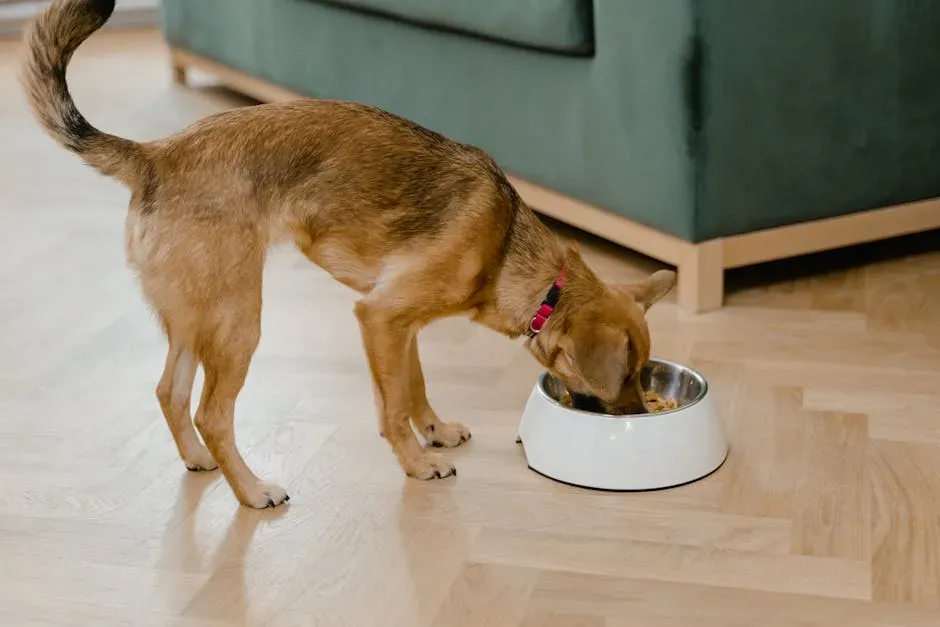
Not every dog who turns away from their bowl is simply being fussy. Sometimes, the body is sending a message worth listening to. Before your dog is deemed “picky” for their attitude towards food, an important first step is ruling out an underlying medical cause. Medical conditions that may impact appetite include dental disease, which can be painful and lead to a dog not wanting to eat. The tricky part is that dental disease can develop below the gum line, completely invisible to the naked eye, so even a dog with seemingly clean teeth may be in real discomfort.
Elevations in kidney values, such as urea, can make your dog feel unwell and affect their appetite. Arthritis is another quiet culprit. If your dog is a senior and is experiencing pain from arthritis, it may be too uncomfortable to get up to the food dish as often. These aren’t signs of a picky personality. They’re signs of a dog who needs help.
If your dog experiences a sudden change in appetite, stops eating altogether, or has other symptoms like vomiting or diarrhea, it could be a sign of an underlying health problem or illness. A sudden refusal to eat for more than 24 to 48 hours, especially combined with other symptoms, warrants a veterinary evaluation. A complete refusal to eat alongside vomiting, lethargy, abdominal bloating, pain, or bloody stools is a veterinary emergency. When in doubt, the vet visit always comes first.
Stress and Anxiety: The Appetite Thief Nobody Talks About
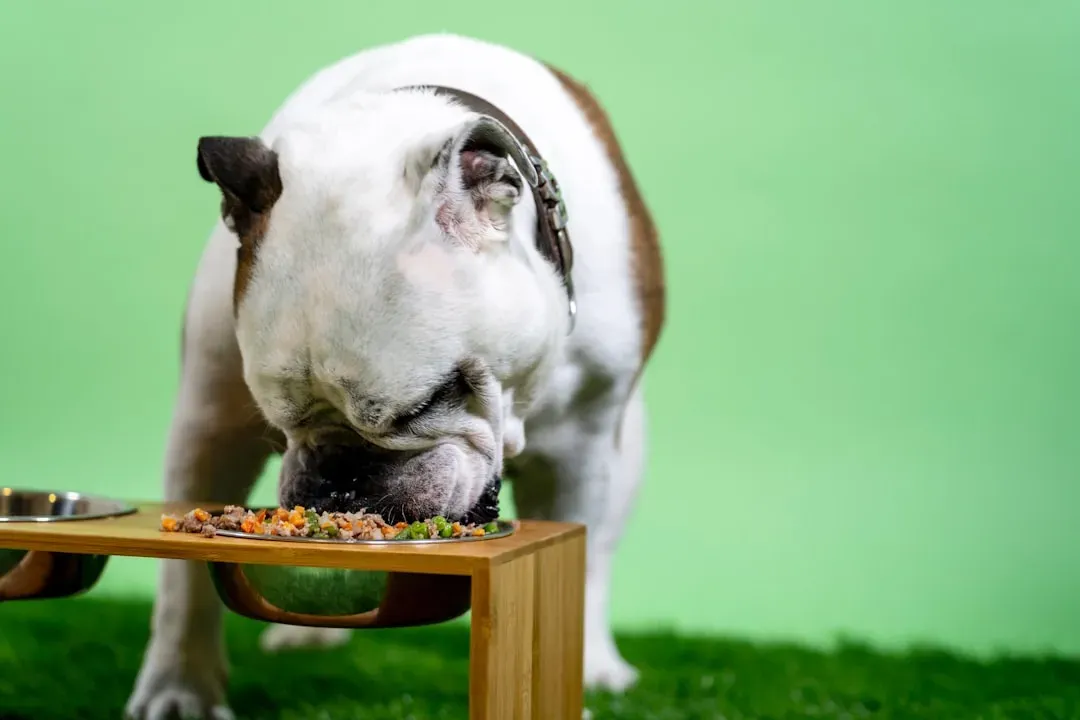
There’s a biological reason why your dog loses interest in food when something unsettles them. Sometimes, if a dog’s anxiety level is high enough, “all other drives (including hunger) are deprioritized to make sure they are ready to react to a perceived threat.” In other words, the nervous system is doing exactly what it’s designed to do. Eating feels low-priority when the brain is on alert.
This can happen thanks to things like loneliness, boredom, storms, fireworks, or separation anxiety, such as being home alone during the work day. Even something simple, like a new food bowl or routine, might be enough to put your dog off their food. Dogs are creatures of habit in a way that can genuinely surprise us. A new baby in the home, a recent move, a change in your own schedule – these all register.
Studies show that pups can read a human’s facial expressions and even mirror their owner’s stress. So if you’re hovering anxiously over the bowl, your dog feels that too. If you approach mealtime anxiously, watching them intensely to see if they eat, they will feel that pressure. Instead, set the food down calmly and walk away. Create a neutral, pressure-free experience around eating. Small shift, big difference.
Breed Disposition and Genetics: Some Dogs Are Just Wired That Way
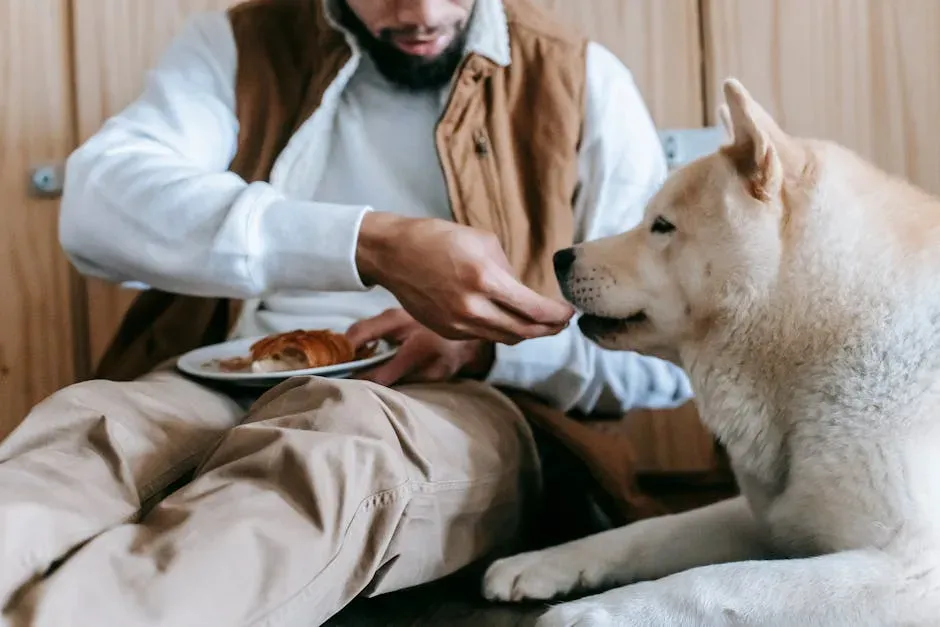
Genetics play a quieter role in eating behavior than most people realize. Just as a dog’s breed can inform their temperament and exercise requirements, breed disposition can also play a role in appetite. While some dog breeds are known for their ravenous appetites, others are naturally more lean or finicky with food. Breeds that may be more prone to picky eating include Boston Terriers, Dachshunds, Greyhounds, Poodles, and French Bulldogs.
On the other end of the spectrum, breeds like Pugs and Labradors are notorious for having ravenous appetites. Not every dog is food-driven, especially the smaller breeds. For some, it just isn’t all that important. They don’t see food as the ultimate reward. They may want your attention or praise, and food is secondary.
Some sensitive dogs are emotionally and physically alert, which makes them more prone to stress. Changes in routine or environment can affect their appetite, leading them to avoid meals. Understanding your dog’s breed tendencies doesn’t mean accepting poor eating as permanent. It means setting realistic expectations and responding with patience instead of panic.
How We Accidentally Train Our Dogs to Be Picky

This one stings a little, but it’s worth knowing. More often than not, dogs are trained to be picky eaters. It happens gradually and entirely by accident. Your dog skips a meal. You worry. You offer something tastier. Your dog learns that waiting pays off.
It’s fine to reward your dog for good behavior, but too many treats can spoil their appetite at mealtime. And if you keep offering them to try to get them to eat, that can send the wrong message. You’re telling your dog they can hold out for something better. For some dogs, too much of a good thing, such as lots of food variety, is not necessarily a good thing, and it can lead to dogs learning to hold out for their favorites.
Many owners panic when their pet refuses a meal and immediately resort to food changes or toppers to coax their pet to eat. It is possible to create a picky eater when modifications are made to every meal the pet refuses. The solution isn’t harsh. It’s consistency. Feed at the same time morning and night, and only leave the food available for a limited time. If your dog eats within the timeframe, great. If not, removing it might change their behavior at the next meal.
Practical Fixes: Building Better Mealtime Habits
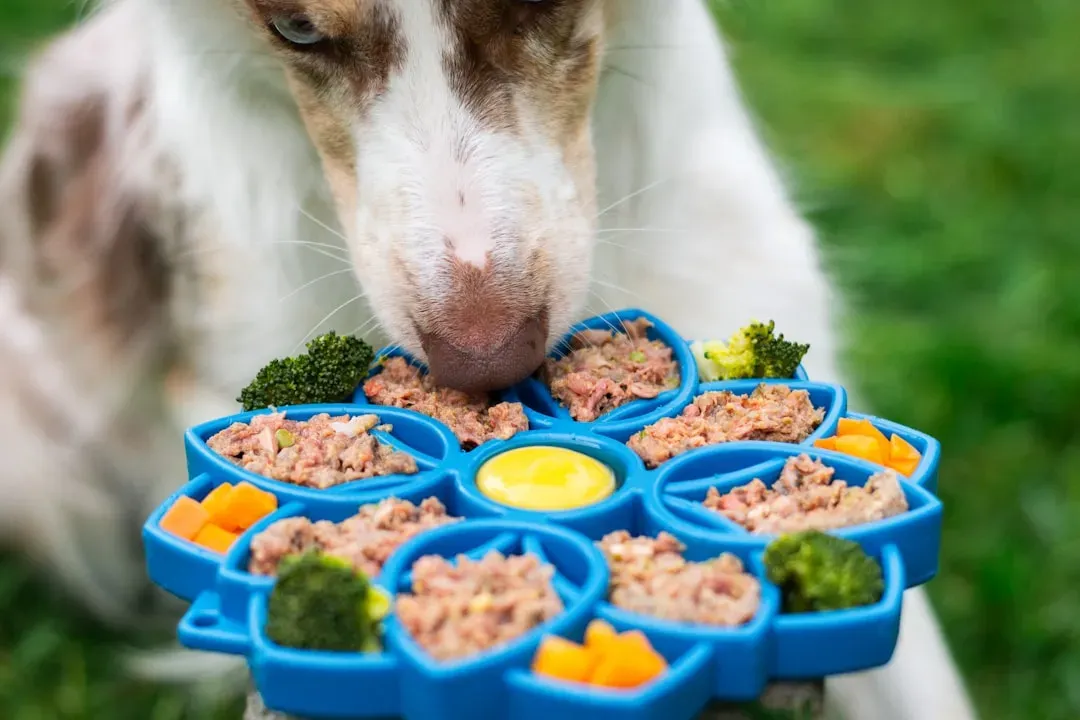
Once you’ve ruled out a medical issue, the path forward is mostly about structure and patience. To help correct picky eating behavior, create a consistent feeding routine. Feeding at the same time and place every day establishes a comfortable eating pattern. Predictability is genuinely calming for dogs, and a dog who expects food at the same moment each day is more likely to eat it enthusiastically.
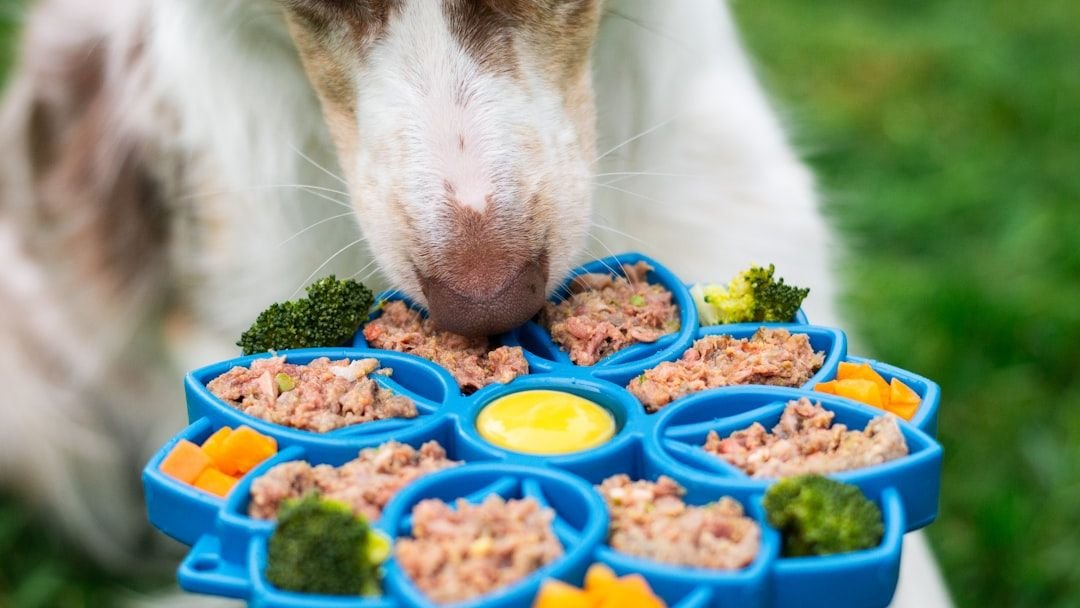
Use puzzle feeders or treat toys to make eating more fun and stimulating. If your dog has to work harder for their meal, it can help combat food boredom. Plus, the rhythmic act of licking to reach food in a difficult-to-get toy may help reduce stress. It reframes the meal as an activity rather than an obligation.
If you do need to change foods, go slowly. Any change to your dog’s diet should be done gradually, transitioning between one type of food to another over the course of a few days. Provide daily exercise to increase calorie burn and encourage pets to eat to refuel their body. A good walk before dinner works up a genuine appetite, for dogs and humans alike. If, after a week of trying flavorful toppers, puzzle feeders, and even dog food for picky eaters won’t do the trick, consult with your veterinarian to see if further testing or treatment is necessary to restore your pup’s appetite and good health.
Conclusion
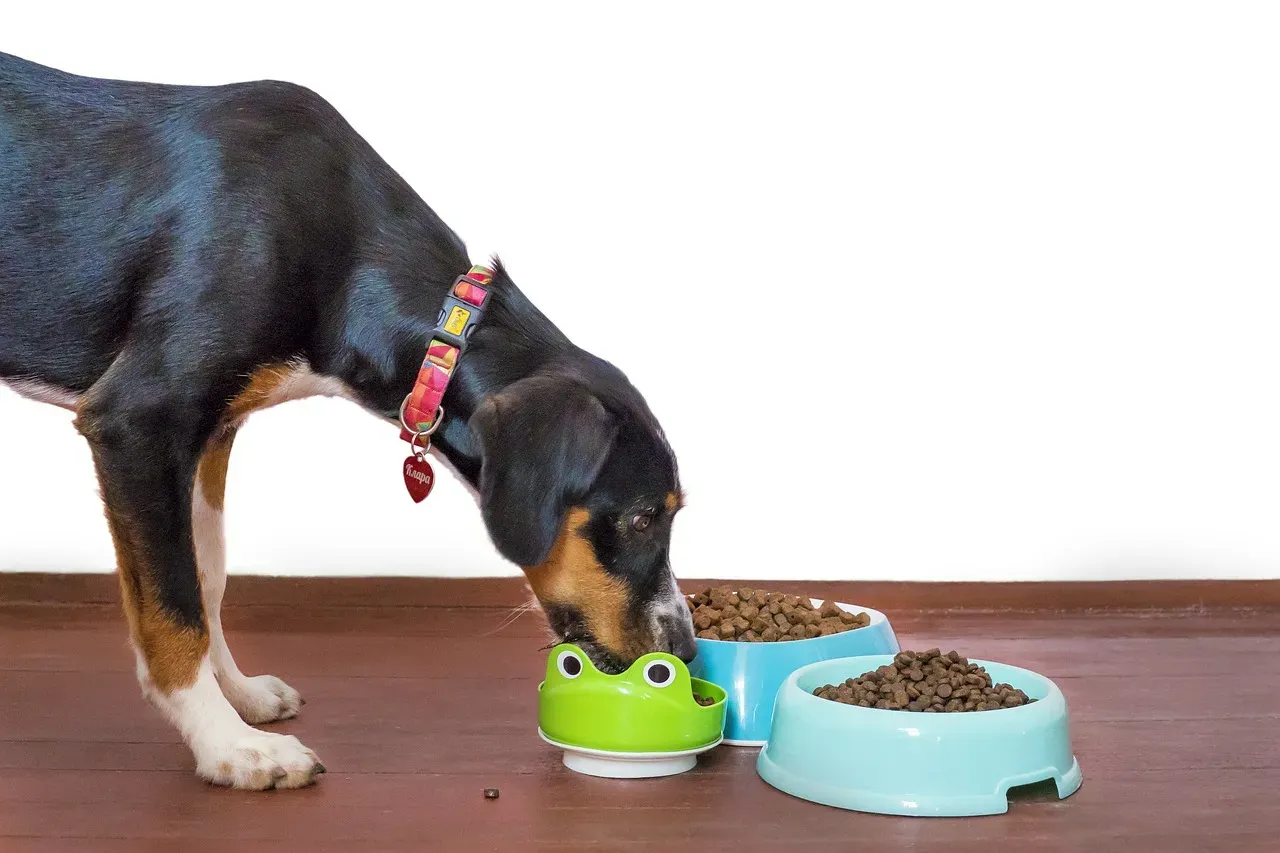
Picky eating in dogs is rarely as simple as a fussy personality. It can be a signal of pain, anxiety, ingrained habit, or breed wiring – or some combination of all four. The most helpful thing you can do as a dog parent is observe carefully, resist the urge to panic-swap food, stay consistent with routines, and know when a vet visit is genuinely needed.
It’s our job as dog guardians to be open-minded and pay close attention to significant changes in eating behaviors. We should not automatically shrug this off as voluntary pickiness. Drastic changes in appetite can be signals of physical or emotional problems that need to be evaluated thoughtfully in an overall assessment of the health and well-being of our canine companions.
Your dog can’t tell you what’s wrong. Their bowl can. When you start reading the real story behind the snubbed dinner, you become a better advocate for the creature who trusts you most.


