
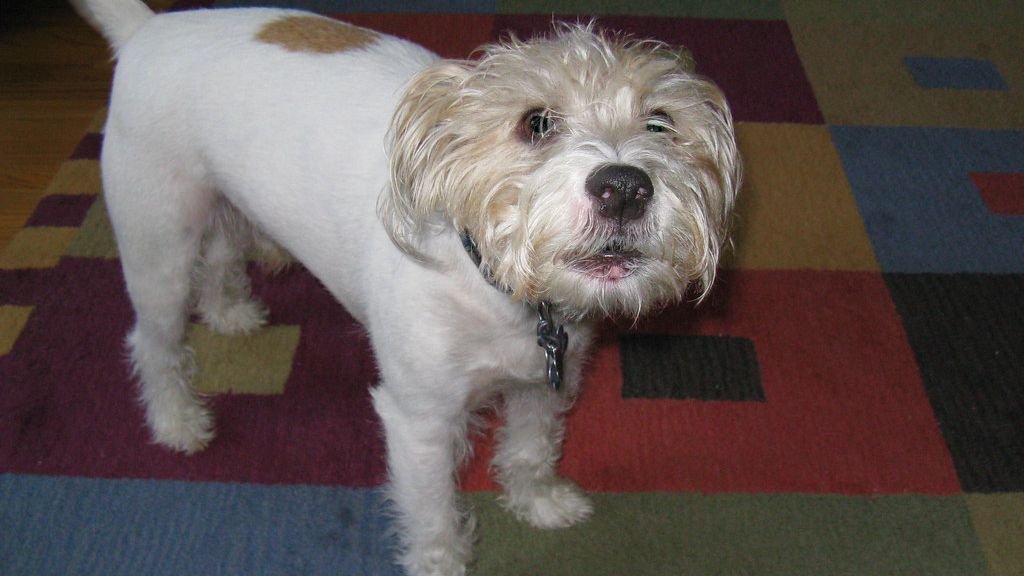
Picture this: you walk through your front door after a long day, and your dog greets you with a frantically wagging tail. You smile, assuming it’s pure joy. Most of the time, you’re right. But every now and then, that wagging tail is telling a very different story, and the difference matters more than most dog owners realize.
The tail wagging behavior of a dog may not always be an indication of its friendliness or happiness, as is commonly believed. Though tail wagging can express positive emotions, it is also an indication of fear, insecurity, challenging of dominance, establishing social relationships, or even a warning that the dog may bite. That’s quite the range for something we’ve been reading as a simple “hello.”
Understanding what your dog is actually saying with their tail isn’t just an interesting party fact. It can genuinely deepen your relationship, help you spot distress earlier, and keep interactions with other dogs and strangers safer for everyone involved.
Speed and Position: The Two Biggest Clues You’re Probably Missing
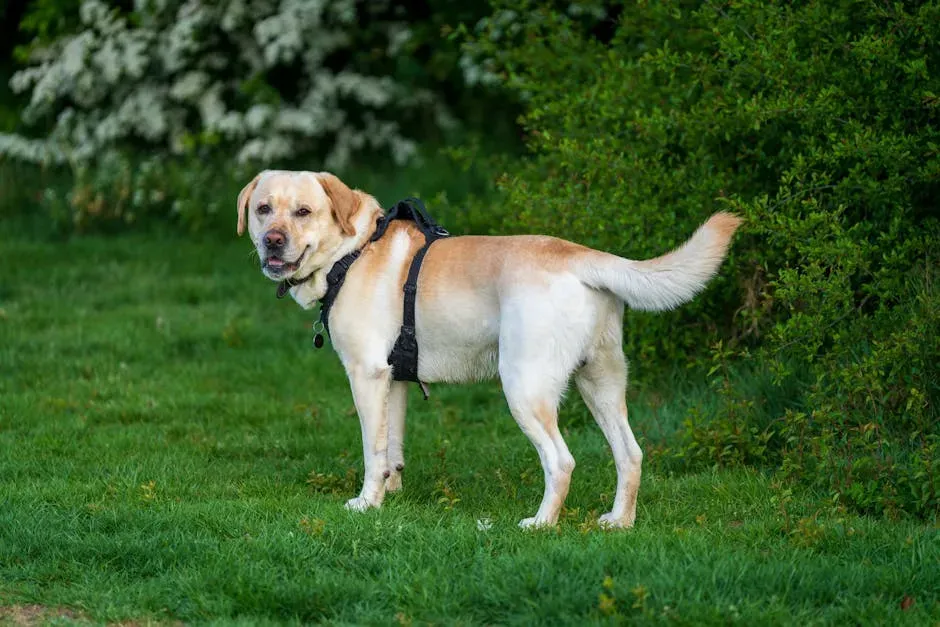
Most people focus on whether the tail is wagging at all. The more useful question is how it’s wagging. The speed, position, and direction of the wag all provide valuable clues about what a dog is feeling. Think of it like someone’s tone of voice, where the same word can mean completely different things depending on how it’s said.
As a dog’s arousal increases, their tail may wag more quickly regardless of the nature of that arousal. When dogs are eager for an interaction, they may wag their tails quickly, typically in a neutral or high position. When dogs are tentative about a pending interaction, their tails often wag more slowly, typically in a neutral or slightly low position.
Higher tail positions are associated with confidence or aggression, while lowered tail positions could be a neutral signal or reflect fear and submission. So a slow wag held close to the ground is communicating something quite different from a fast wag held high. Both are wags. Only one says “come pet me.”
You may think that an erect, wagging tail tells you that your dog is happy, but this is actually a behavior usually displayed in excited dogs, meaning that their behavior may be unpredictable. Excitement isn’t always the same as friendliness, and knowing that distinction can genuinely prevent misunderstandings, especially around children or unfamiliar animals.
The Brain Science Behind Left vs. Right Wags
Here’s something that genuinely surprises most dog owners: which direction your dog’s tail leans actually reflects what’s happening inside their brain. Dogs, like humans, have asymmetrically organized brains, with the left and right sides playing different roles. That asymmetry shows up directly in tail movement.
Dogs exhibit a right-side wagging bias, determined by left hemisphere activation, for stimuli that have a positive emotional valence, such as when shown their owner or a familiar person. On the contrary, they show left-biased wagging, hence right hemisphere activation, for stimuli that elicit withdrawal. In practical terms, a rightward lean tends to be good news, while leftward often signals unease.
In one experiment, 30 mixed-breed dogs were each placed in a cage equipped with cameras that measured the asymmetrical bias of tail wagging while exposed to four stimuli: their owner, an unfamiliar human, a cat, and an unfamiliar dominant dog. Owners elicited a strong right bias in tail wagging, and unfamiliar humans and the cat triggered a slight right bias.
What’s even more fascinating is that other dogs pick up on this too. Dogs looking at moving video images of other dogs exhibiting prevalent left- or right-asymmetric tail wagging showed higher cardiac activity and higher scores of anxious behavior when observing left- rather than right-biased tail wagging. Your dog is reading other dogs’ tails in real time, and responding emotionally to what they see.
What the Tucked Tail Is Really Telling You
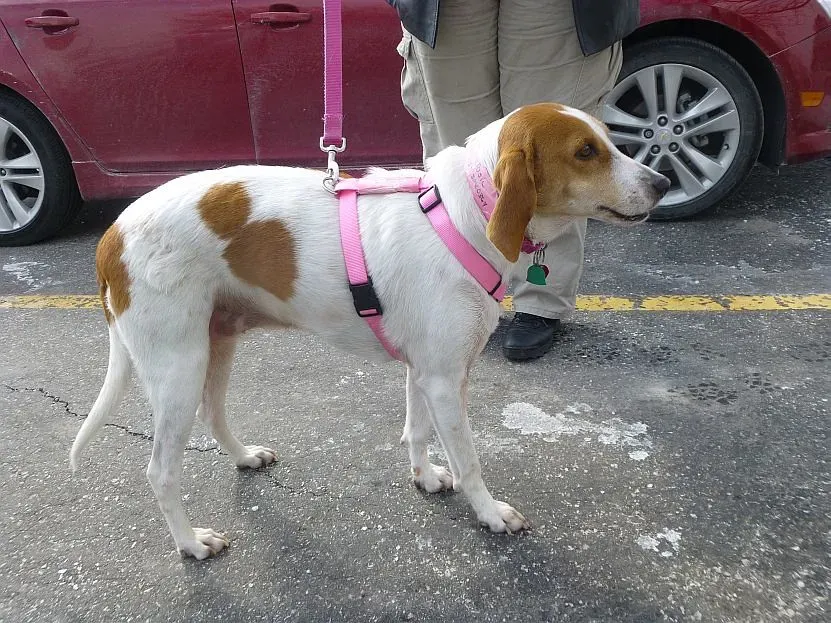
A tucked tail tends to get a sympathetic response from most owners, which is exactly the right instinct. A tucked tail will lower down beyond the hipline and sit between the legs, often pointing to a more intense feeling of fear or discomfort rather than just a passing emotion. A lowered tail that won’t quite cross that hipline is usually more of a response to a situation than a deep feeling of pain.
While a tucked tail is commonly associated with fear and anxiety in dogs, it’s essential to recognise that this behaviour can convey various messages. Dogs are complex creatures with a wide range of emotions, and their tucked tails can communicate different meanings depending on the context and the individual dog. Sometimes it’s submission rather than fear, and occasionally it’s a social strategy to avoid conflict entirely.
The more urgent concern is when a tucked tail might signal physical pain. If there’s no apparent cause of the tail tucking and it happens consistently, there’s a chance it’s pain-related and should be inspected by a veterinarian. Possible physical causes can include a tail injury, an anal gland infection, a urinary tract infection, or a spinal problem.
The practical takeaway: when you see a tucked tail, scan the environment first. Fireworks, a new guest, or a dominant dog nearby are all common triggers. If none of those apply and the behavior is new or persistent, a vet check is worth prioritizing. Your dog can’t tell you where it hurts, so their tail often does it for them.
The “Helicopter Tail” and Other Wags Worth Knowing
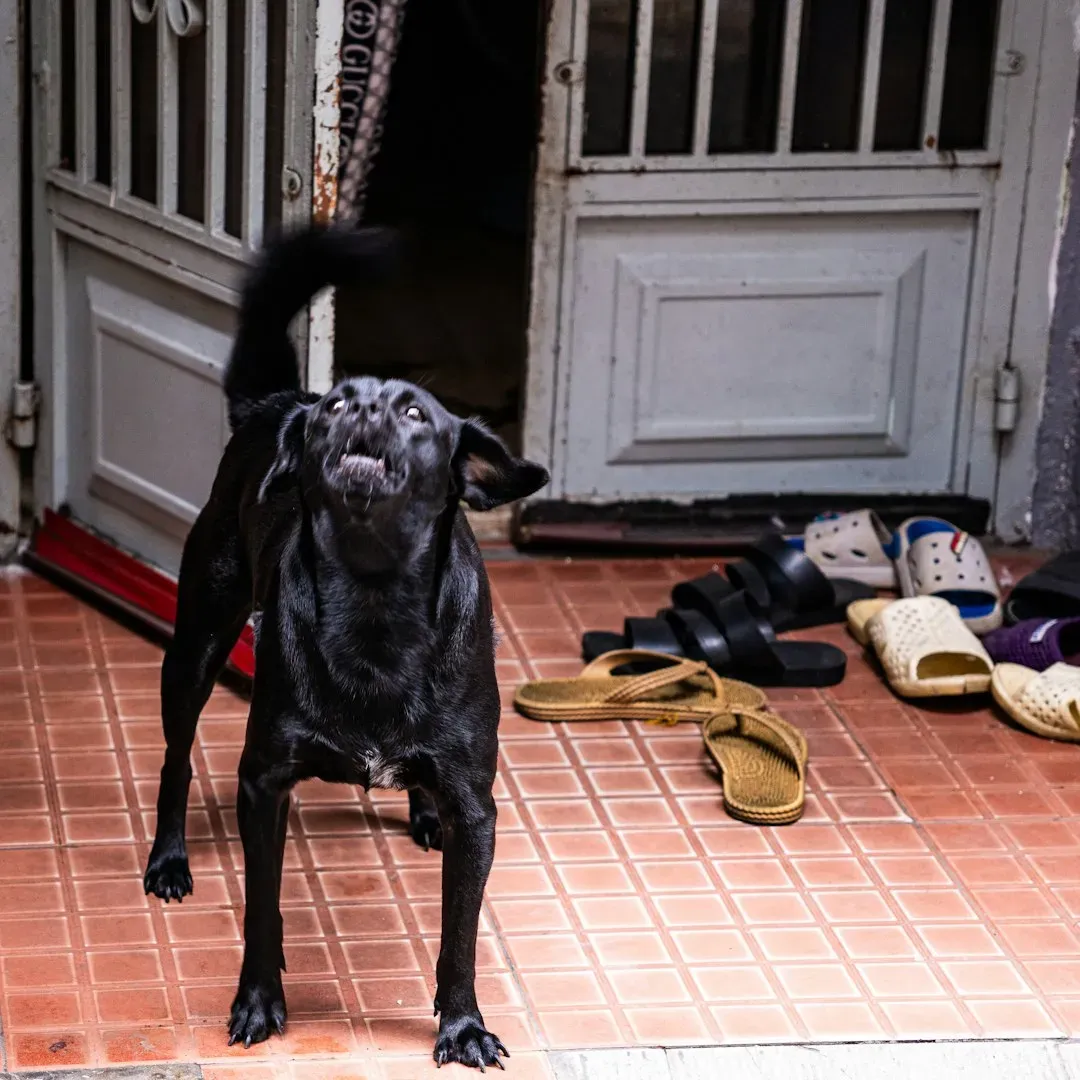
Not all tail signals require careful analysis. Some are refreshingly clear. A helicopter tail in dogs refers to a circular wagging motion, typically indicating strong joy, excitement, and a positive emotional response toward familiar people or animals. If you’ve ever witnessed this joyful spin, you already know it’s one of the most unambiguous signals a dog can offer.
Excited dogs might exhibit helicopter tail wags when engaging in play, signaling pure joy and high arousal in a positive context. Some dogs also display helicopter tails when expecting treats, walks, or favorite toys, a sign of happy anticipation. Dogs tend to reserve this particular motion for people and situations they genuinely love.
It is important to recognize that a dog with a wagging tail does not necessarily mean they want to interact or continue an interaction. A tail may begin to wag tentatively during an interaction, with the message being essentially “pause.” Dogs experiencing emotional conflict may begin to wag their tails rapidly as a reflection of their discomfort. Tail wags are often misinterpreted to mean that the dog is “friendly” and wants to engage, when the dog may be trying their best to find a way to end the interaction. In some cases, this miscommunication ends with physical confrontations such as snaps or bites.
This is especially worth sharing with children in your household. A wagging tail is not a universal green light. Teaching kids to also look at the body posture, ear position, and facial expression alongside the tail can genuinely prevent incidents that no one intended.
Reading the Whole Picture: Tail Language in Context
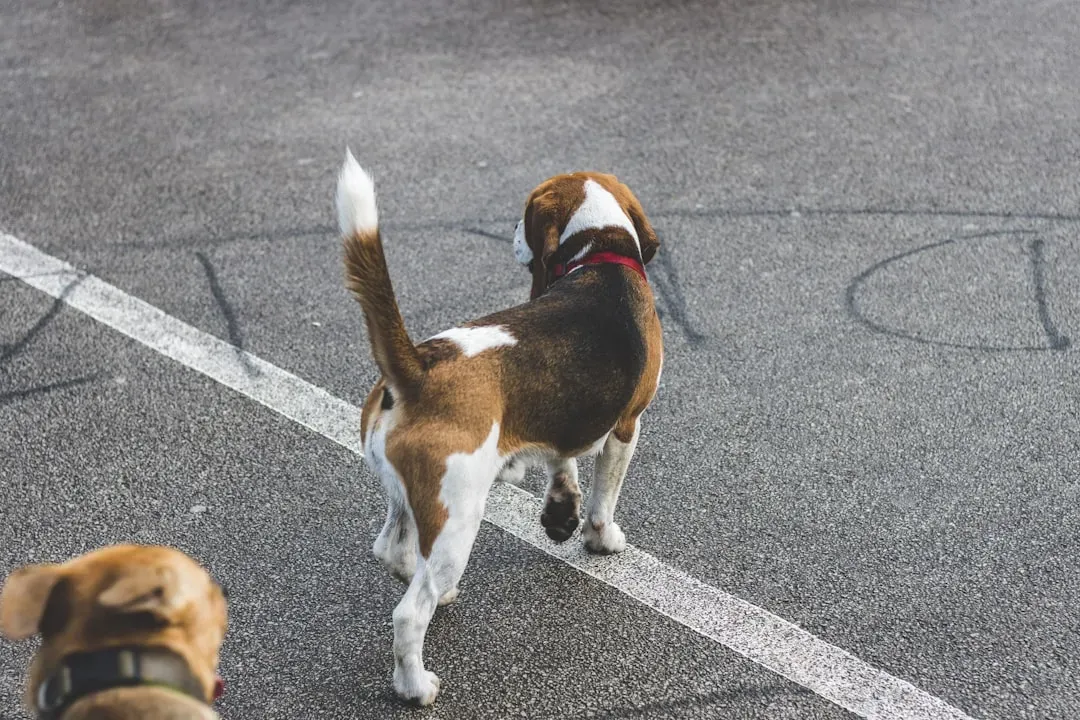
Even with everything covered so far, tail language doesn’t exist in isolation. Tail communication is only one aspect of a dog’s entire body language. It’s important to consider tail movements in context of the dog’s entire communication strategy, rather than using the tail alone as an indicator of how a dog is feeling.
Breed matters here, too. The neutral or natural position of a dog’s tail varies by breed. Most dogs have tails that hang down near their heels when they are relaxed, but some dogs, for example beagles, hold their tails more vertically. Breeds such as greyhounds and whippets curl their tails under their bellies, while many other breeds such as Siberian huskies and Norwegian elkhounds curl their tails over their backs. Knowing your breed’s baseline is step one before interpreting any wag.
Dogs interpret tail cues differently depending on the length of the tail. They are more likely to approach other dogs with long tails when those dogs exhibit wagging behaviour, and less likely to approach dogs with short tails, even if they exhibit the same wagging behaviour. This may be because it is easier to interpret the social cues expressed by a longer tail compared to a short one. If your dog has a naturally short or docked tail, pay closer attention to their ears, eyes, and overall posture to compensate for what the tail can’t express.
Dogs with docked tails can still communicate but may face challenges expressing subtle emotional cues. They often compensate by using other body language signals more prominently, such as ear positions, facial expressions, and body postures. Being tuned into the full picture is always the most reliable approach, regardless of tail type.
Conclusion
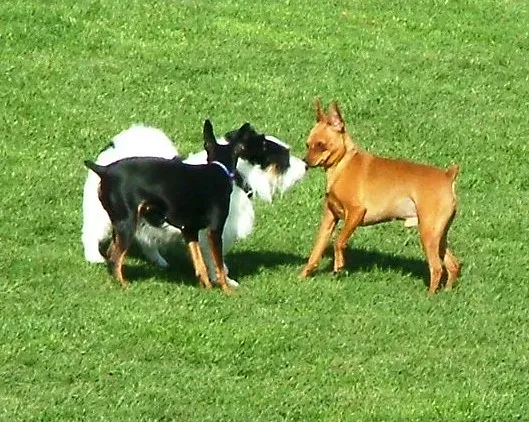
Your dog isn’t waving at you. They’re speaking to you. Every wag carries information about their emotional state, their confidence, their comfort level, and sometimes their health. The more fluent you become in this language, the better equipped you are to respond in ways that actually meet their needs.
None of this requires becoming a canine behavior expert. It simply requires a little more attention and a willingness to question assumptions. A wagging tail is a starting point, not a complete sentence. Context, speed, height, direction, and the rest of their body together tell the full story.
The dogs in our lives are watching us carefully all the time. Returning that attention, even just a little more thoughtfully, is one of the most practical ways to care for them better.


