

Picture this: you’re going about your morning routine, running the vacuum, reheating last night’s leftovers, and blow-drying your hair. Completely ordinary. Completely unremarkable. To you, at least.
Your dog, however, is experiencing something closer to a sensory alarm going off in multiple rooms at once. Dogs have incredible hearing, which means everyday noises that barely register for us can be overwhelming or even terrifying for them. The troubling part? Most of us don’t realize how much our regular routines are quietly working against our dogs’ sense of calm.
A study of 13,700 pet dogs found that noise sensitivity was the most common trait linked to anxiety in dogs, showing up in roughly one third of the animals surveyed. That number is hard to ignore. Yet research shows that the majority of owners underestimated their dogs’ fearfulness, and most people who witnessed their dogs reacting to household noises responded with amusement rather than welfare concern. There’s a real gap between what we notice and what our dogs are actually feeling. This article is about closing that gap.
The Vacuum Cleaner: More Than Just a Loud Machine
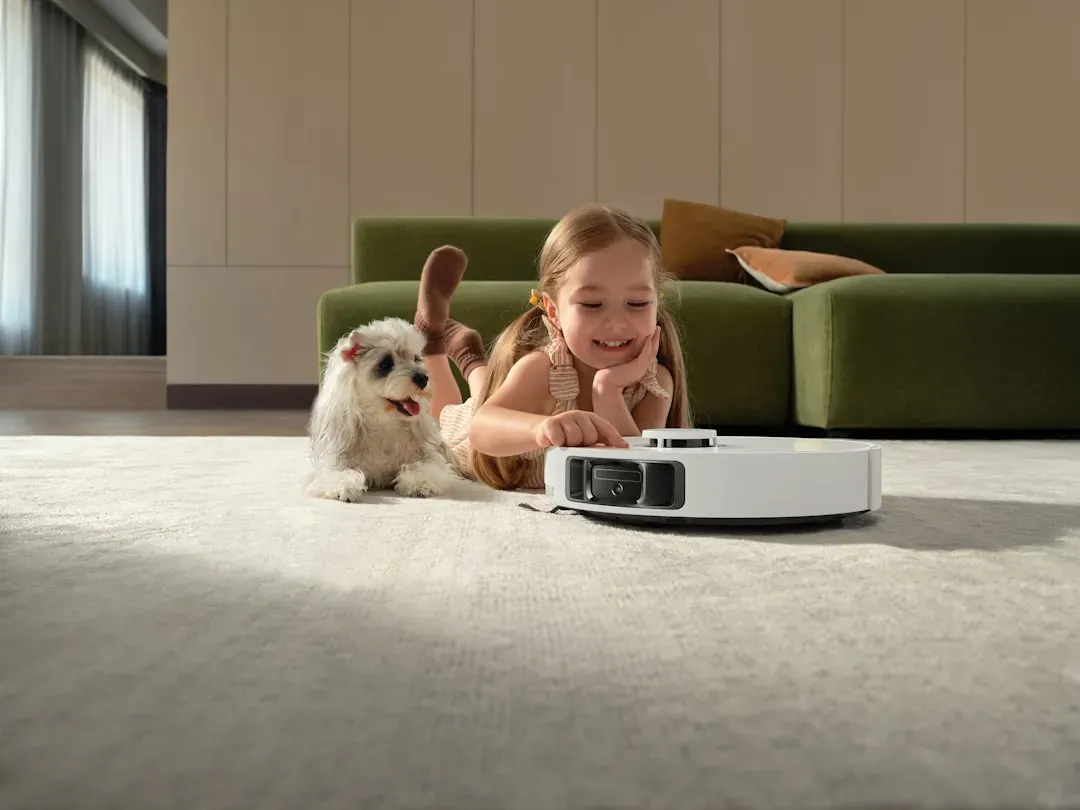
Few things clear a room faster, at least from a dog’s perspective, than the vacuum cleaner making its entrance. The sound of a vacuum cleaner is one of the most stressful noises for dogs, not only because it’s loud, but also because it creates vibrations dogs can physically feel, while the sudden start and stop adds another layer of unpredictability to the whole experience.
The vacuum is not just loud, it also produces vibrations that dogs can feel through the floor. The sudden start and stop of the machine adds to their fear, and dogs may respond by barking, hiding, or even showing signs of aggression. What looks like stubbornness or drama is your dog genuinely trying to cope with something that feels threatening.
One effective approach is gradual desensitization: start by turning the vacuum on for just a few seconds at a distance, then slowly increase both the duration and proximity as your dog grows more comfortable. Using treats to build positive associations at each step can make a real difference. If vacuuming can’t wait, simply moving your dog to a quiet room with a favorite chew or toy beforehand is a quick, caring solution.
The Smoke Detector Chirp: The Sound That Hits Different
This one tends to catch even the most attentive dog owners off guard. Research has found that numerous canine behaviors associated with fear and anxiety were observed in response to irregular but “normal” household noises, including smoke detector low-battery warning beeps and chirps. That soft, repeating chirp you keep meaning to fix? It may be quietly unraveling your dog’s composure all day long.
Research shows that dogs’ responses are significantly stronger to sounds characterized as high-frequency and intermittent compared to sounds that are low-frequency and continuous. The smoke detector chirp is a textbook example. It’s high-pitched, it’s unpredictable, and it offers no resolution your dog can understand or anticipate.
Because dogs have a wider range of hearing than humans, some noises can also be physically painful to their ears, and minimizing exposure may be as simple as changing batteries more frequently in smoke detectors or removing a dog from a room where the noise is occurring. Simple fix. Meaningful impact. It’s worth putting that battery change on the calendar right now.
The Microwave Beep: Small Sound, Cumulative Damage
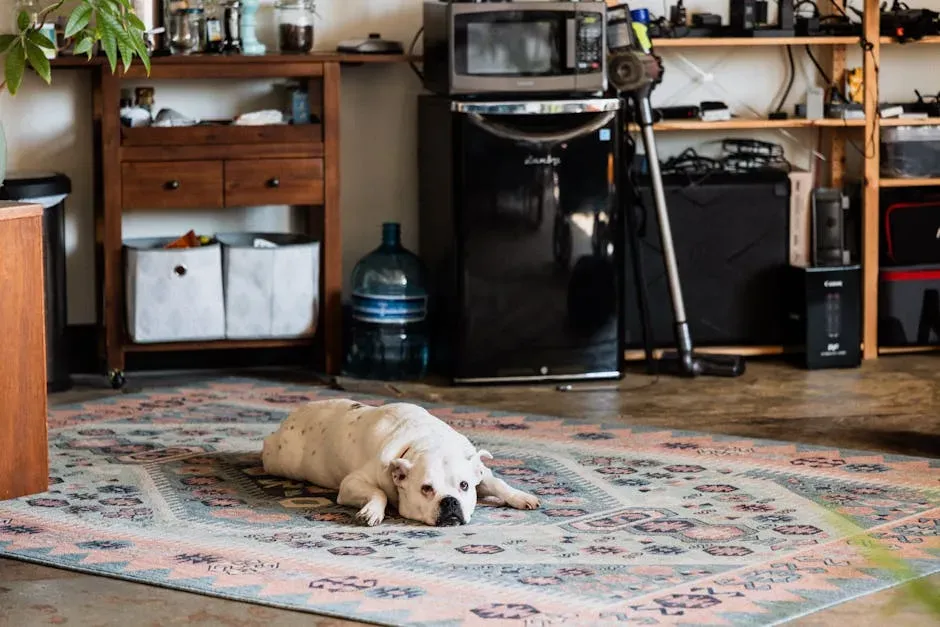
Nobody thinks twice about a microwave beep. It’s three short tones, maybe four. Finished. Done. Except for a noise-sensitive dog, that moment of beeping lands like a small alarm, repeated multiple times every single day. Microwave beeping noises might seem harmless, but they can be quite stressful for dogs. The beeps are sharp and sudden, catching dogs off guard, and over time these repetitive sounds can increase anxiety.
The unpredictability is the real problem here. Your dog has no way of knowing when those beeps are coming, which can keep them in a low-grade state of alertness throughout the day. That kind of chronic low-level stress is harder to spot than an obvious fear reaction, but it’s no less real in terms of its toll on your dog’s wellbeing.
One practical approach is to create positive associations with the microwave’s beeping. Offering a treat or brief play session immediately after the beep occurs helps shift your dog’s focus from the noise to something pleasant, and consistency in this practice will gradually reduce their fear response over time. It’s also worth checking whether your microwave allows you to adjust or mute the beep volume, since some modern models have adjustable sound settings that can make a significant difference.
The Doorbell and Knocking: Anxiety Wearing the Costume of Excitement
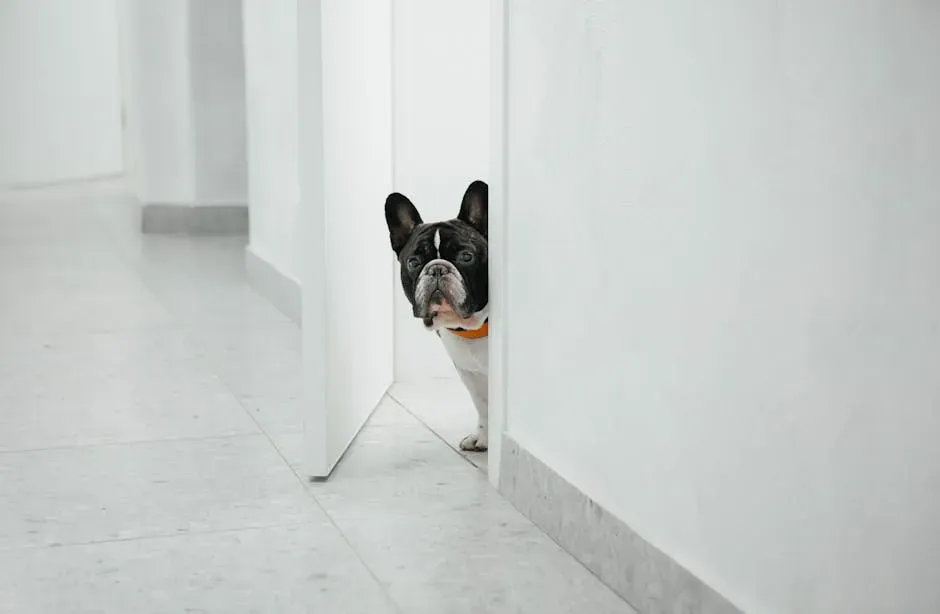
The doorbell might be the trickiest one on this list, because the reaction looks so different from classic fear. Your dog charges the door, barking furiously, tail spinning. Excitement, right? Not necessarily. When the doorbell rings, it can cause immediate stress for many dogs. The sound is sudden, it signals an unpredictable intrusion into their safe territory, and it often triggers a cascade of adrenaline that can take a long time to settle.
Single traumatic experiences or repeated exposure to frightening stimuli can cause reactions ranging from mild fear to extreme phobic responses. Mild responses may include panting, pacing, and attempts to hide, whereas more intense responses can involve panic, extreme agitation, attempts to escape, and even destructive behavior. Recognizing the difference matters, because the support your dog needs in each case is genuinely different.
Rewarding quiet ears and a loose, calm posture rather than a frantic greeting is key. Over time, neutral repetitions can rewrite the pattern, so that door sounds become everyday cues rather than alarms that jolt the whole household. Progress takes weeks, not days, but it does come with patience and consistent positive reinforcement.
Thunderstorms and Construction Noise: When the Threat Feels Inescapable

These two sit in their own category because your dog can’t escape them and neither can you. Construction adds relentless drilling, hammering, and reverberation that seeps through floors and windows. Because the source is outside your control, your dog cannot escape or predict the pauses, and long days of that kind of racket can erode both sleep and patience. Thunderstorms carry a similar weight, with an added layer that many owners miss entirely.
Dogs’ sensitivity to changes in barometric pressure means they can detect an approaching storm long before humans even hear the first rumble of thunder. By the time you notice the sky darkening, your dog may already be deep into a stress response. That’s why watching for early behavioral signs, like restlessness, panting, or shadow-seeking, is so valuable.
For construction noise, moving rest areas to interior rooms and adding rugs, heavy curtains, and a white-noise machine to mask the peaks can help considerably. Scheduling decompression walks to quiet spaces during off-hours gives the nervous system a chance to reset, and sniffing games or calming chews can occupy the mind during peak noise periods. For storms, various calming aids can support anxious dogs. Compression wraps apply gentle pressure to help produce a calming effect, while pheromone diffusers and sprays can help create a more relaxing atmosphere at home. When anxiety is severe and ongoing, a conversation with your vet is always the right move.
How to Read Your Dog and Build a Calmer Home

Some common signs of a dog’s anxiety include cringing, trembling, or retreating, but owners may be less able to identify fear when behaviors are more subtle. Stressed dogs might pant, lick their lips, turn their heads away, or stiffen their bodies. Sometimes their ears will turn back and their head will lower below their shoulders. These quiet signals are easy to miss, especially when we’re busy. Learning to read them changes everything.
Pets often pick up on their owner’s emotional state, so staying calm and composed makes your dog more likely to feel secure. Offering gentle reassurance through petting, praise, and treats is helpful, though it’s worth avoiding high-pitched “baby talk” and fast-paced pats, as these can actually trigger more anxiety. Your calmness is genuinely contagious, in the best possible way.
Research shows that playing specific types of music can reduce stress and anxiety in dogs and alleviate stress-related behaviors like excessive barking and the inability to lie down and relax. Classical music, soft rock, and reggae are among the genres that may help calm dogs, and volume matters: music should be played at a low to moderate level to avoid overstimulation. Pair that with a designated safe space and a few enrichment tools, and you’re building a genuinely supportive environment.
Conclusion: A Quieter World Starts With Paying Attention

Our dogs can’t file a noise complaint or ask us to turn things down. They rely entirely on us to notice when the world feels too loud. For some pets, noise-related stress goes beyond temporary unease and develops into a condition that can worsen over time without intervention. The good news is that most of what helps is already within reach.
Providing rewards through food or play to create positive associations with noises is one of the most effective training methods, and it can genuinely change a dog’s emotional response to sound. Relaxation training and working with audio recordings can also improve noise fears meaningfully over time. None of this requires perfection. It requires noticing.
The sounds filling your home are simply part of life. Most of them aren’t going anywhere. What can change is how informed and intentional you are about your dog’s experience inside those walls. Better education for dog owners on accurately interpreting canine body language is key to safeguarding dogs’ welfare and minimizing the development of anxiety-related behavior problems. Your dog is already telling you how they feel. The only question is whether we’re paying close enough attention to hear it.


