
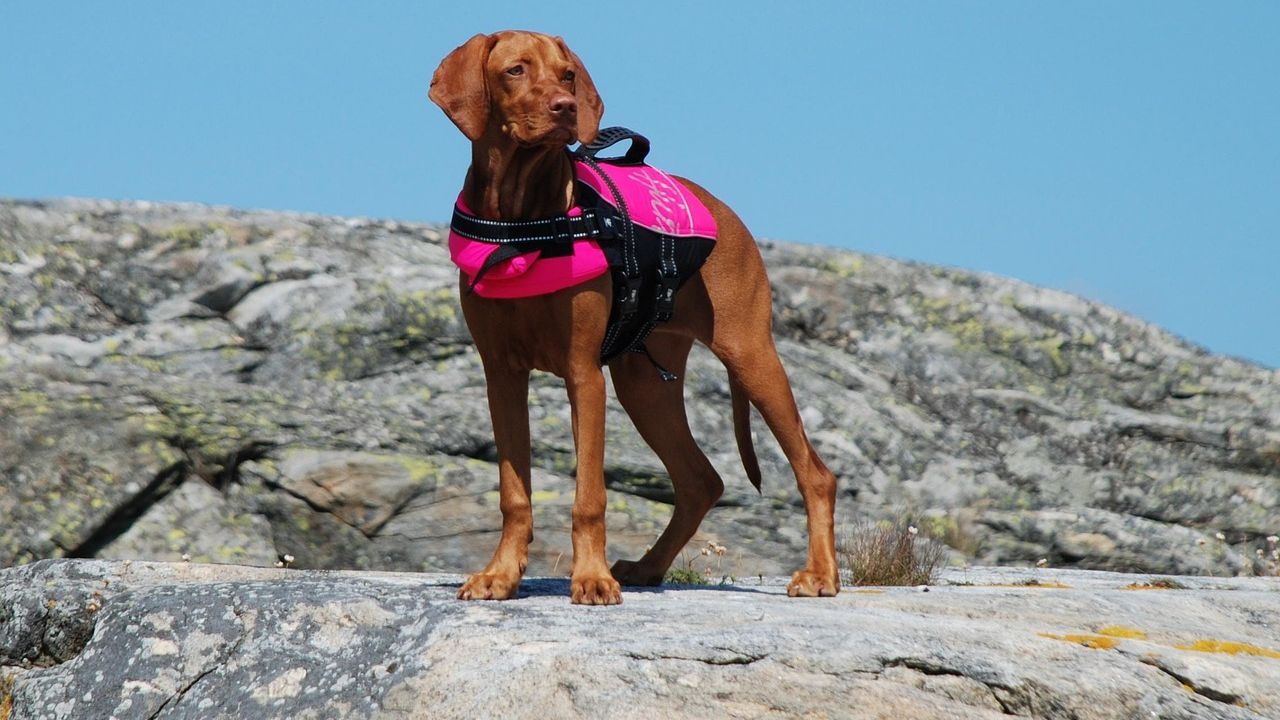
Dog Water Safety Tips at the Beach – Image for illustrative purposes only (Image credits: Pixabay)
Many owners view a beach outing as simple summer fun for their dogs, yet ocean conditions introduce hazards that can escalate from minor discomfort to life-threatening emergencies in minutes. Strong currents, invisible toxins, and the simple act of drinking seawater all carry documented risks that apply even to confident swimmers. Preparation begins with recognizing that not every shoreline suits canine visitors equally.
Evaluating Shoreline Conditions First
Beach environments vary sharply in safety. Rip currents and sudden drop-offs can overpower dogs of any size or breed before an owner has time to react. Checking posted warning flags offers a basic first step, with red or double-red signals indicating conditions unsafe for both people and pets.
Algae blooms add another layer of concern. Blue-green algae releases toxins that prove lethal to dogs in very small quantities, and these blooms often remain invisible until symptoms appear. Local advisories provide the most reliable guidance on current water quality before any visit.
Addressing Ear Infections After Swimming
Floppy-eared breeds face elevated chances of infection once water enters the ear canal. The trapped moisture creates an ideal setting for rapid bacterial growth, leading to a painful condition similar to swimmer’s ear in humans. Antibiotic drops usually resolve established cases, yet prevention remains far simpler.
Drying the ears thoroughly with a soft cloth after each swim reduces moisture buildup. Owners of dogs with repeated issues benefit from learning gentle home-cleaning methods that limit the need for repeated veterinary treatment.
Recognizing Water Intoxication Symptoms
Water intoxication, or hyponatremia, develops when a dog swallows large volumes of water during play or retrieval games. The excess fluid lowers blood sodium levels, which can trigger brain swelling, seizures, and in severe instances, death. Early signs include lethargy, vomiting, unsteady movement, and visible bloating.
Any of these symptoms after time in the water requires immediate veterinary attention. Regular rest breaks every fifteen to twenty minutes, combined with easy access to fresh drinking water on shore, help limit overconsumption while dogs remain active.
Adding Protective Equipment and Supervision
A well-fitted life jacket supplies buoyancy and reduces fatigue for dogs in open water. It also improves visibility if a dog drifts beyond easy reach. Cold water introduces separate risks, including rapid heat loss and muscle impairment that can disorient even strong swimmers.
Constant supervision remains essential near the surf. Conditions shift quickly, and a dog in distress can vanish from view faster than most owners expect. Leaving any dog unattended, even briefly, removes the only reliable safeguard against sudden changes.
Managing Saltwater Effects and Recovery
Ocean water ingestion commonly produces diarrhea and dehydration in dogs. In stronger cases it elevates blood sodium to dangerous levels. Carrying ample fresh water and a portable bowl encourages regular drinking that reduces the urge to lap at waves.
A thorough rinse with fresh water after leaving the beach removes salt residue that otherwise irritates skin and coat. Checking paws for cuts or burns from hot sand and shells prevents small injuries from worsening. These steps together support smoother recovery once the outing ends.
Key precautions to remember:
- Scan flags and advisories before entry.
- Dry ears immediately after swimming.
- Watch for lethargy or bloating as emergency signals.
- Use a life jacket and enforce rest breaks.
- Rinse thoroughly and inspect paws afterward.


