
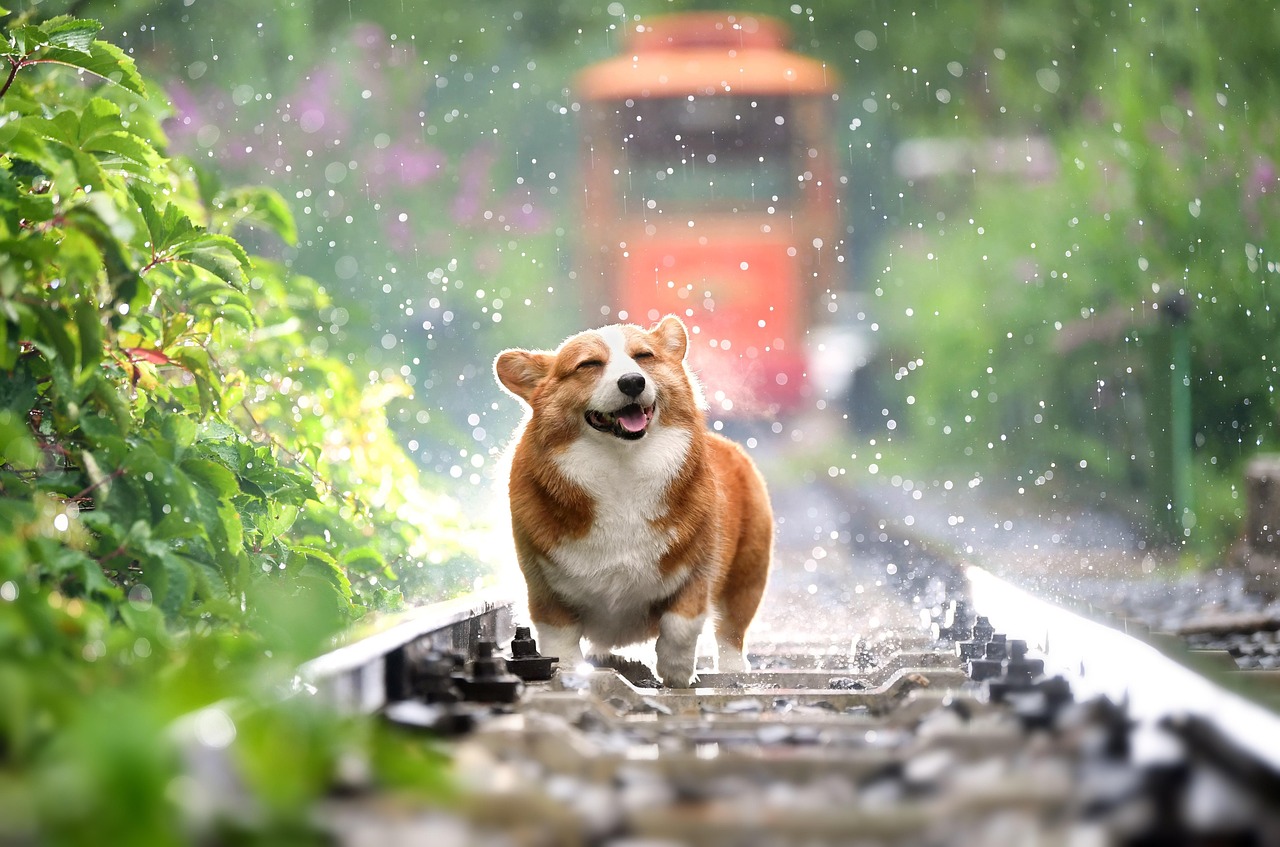
Many dog owners notice their companion padding along every time they reach for the doorknob. The behavior often gets labeled as separation anxiety right away, yet that assumption can miss other everyday motivations that feel just as strong to the dog.
Understanding these moments starts with watching the full picture rather than jumping to one conclusion. Small details in timing, body language, and what happens next can point toward simpler explanations that strengthen the daily routine you already share.
They Might Be Expecting a Walk
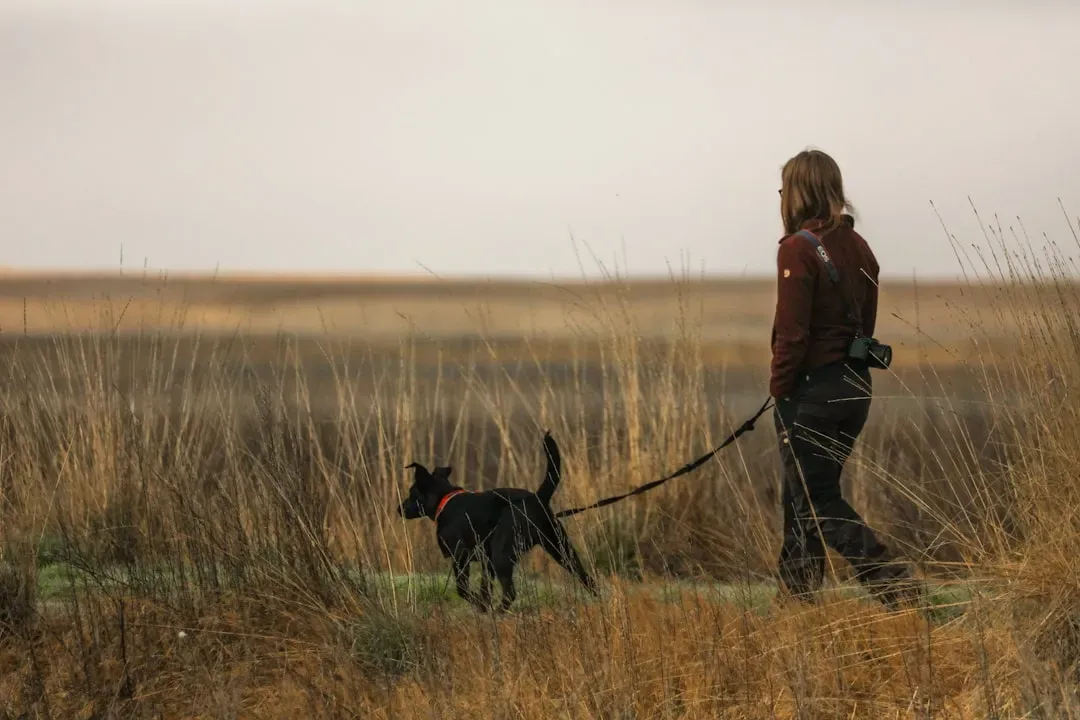
Dogs are creatures of habit and quickly learn which movements signal an outing. When you grab your shoes or reach for the leash near the door, your dog may follow because past experiences have taught them that good things follow. The tail wag and alert ears often show excitement rather than distress in these cases.
Over time this anticipation becomes part of their daily rhythm. You might notice the same eager response even on days when no walk is planned, simply because the door itself has become linked with movement and fresh air. Paying attention to these patterns helps you decide whether a quick stroll would meet their expectation or whether a calm redirect works better.
Looking Forward to Mealtime or Treats
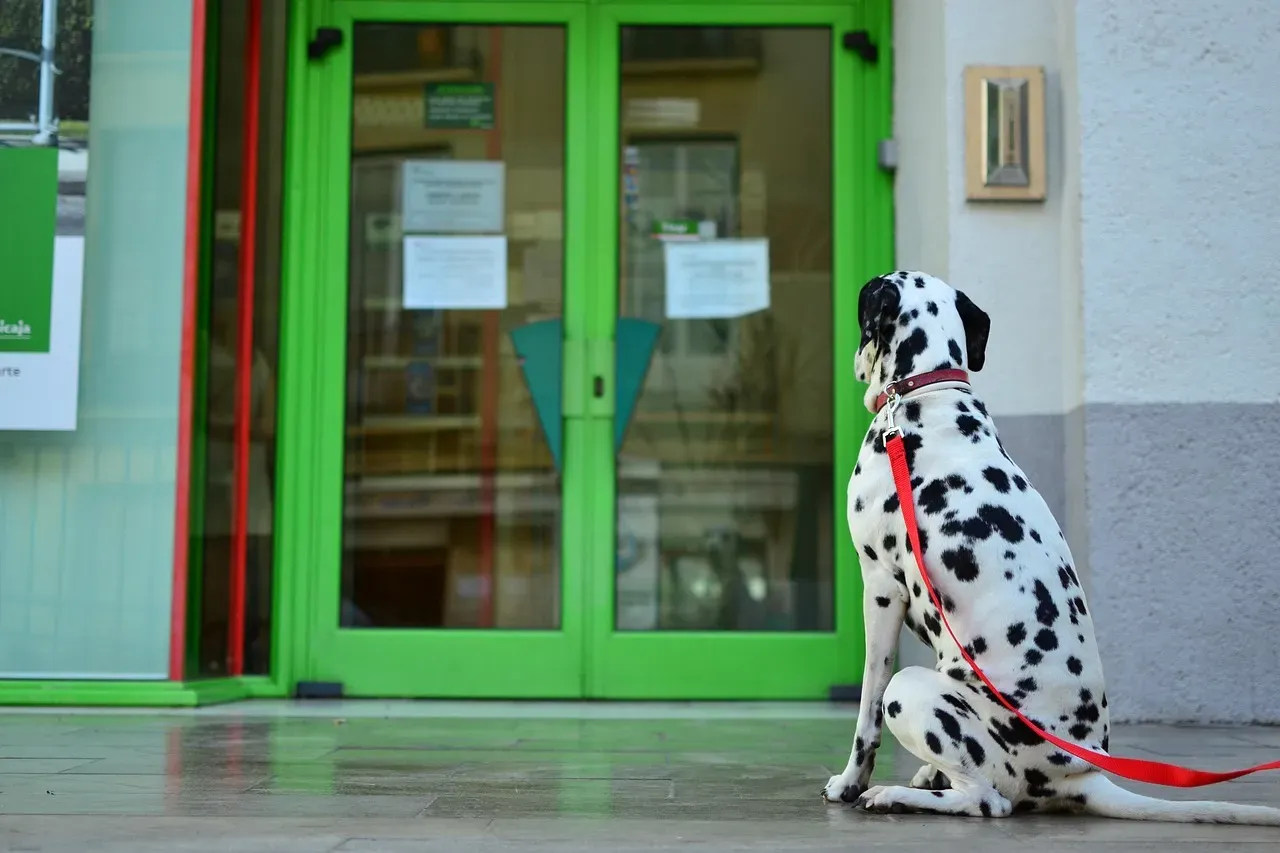
Food is a powerful motivator for most dogs, and the door area can become associated with coming meals or snacks. If you often return from outside with groceries or step out briefly to grab something from the car, your dog may wait there hoping for a taste of whatever you bring back. The behavior feels purposeful rather than anxious when paired with relaxed posture and occasional glances toward the kitchen.
Some dogs even learn to position themselves by the door at predictable times of day. They connect the sound of keys or the rustle of bags with the possibility of a reward. Adjusting feeding routines or offering a small treat inside the house can sometimes shift this habit without frustration on either side.
Curious About What’s Outside
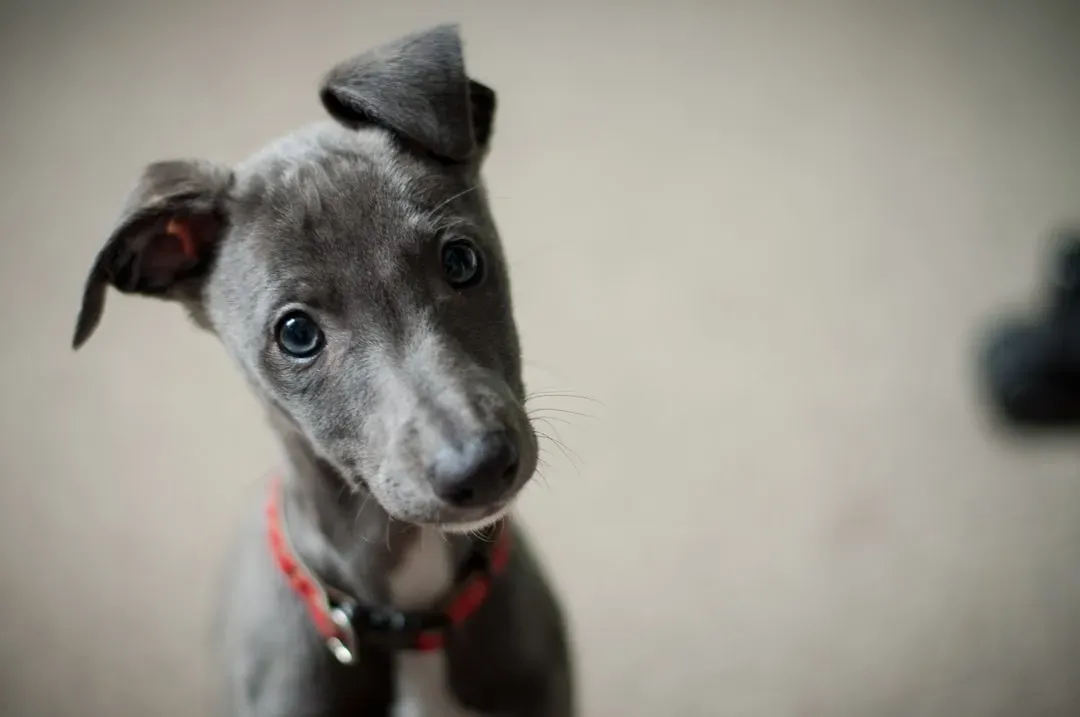
Doors represent a boundary between the familiar indoor world and everything beyond it. Dogs rely heavily on scent and sound, so any change in the air or noise from the other side can draw them over for investigation. Following you becomes their way of staying close to the source of new information.
This curiosity shows up especially in breeds with strong scent drives or in homes where outdoor activity varies throughout the day. You may see your dog sniffing intently at the threshold or tilting their head at distant sounds. Allowing supervised time near an open door or providing window views can satisfy some of that interest without constant door shadowing.
Wanting to Join in on the Fun
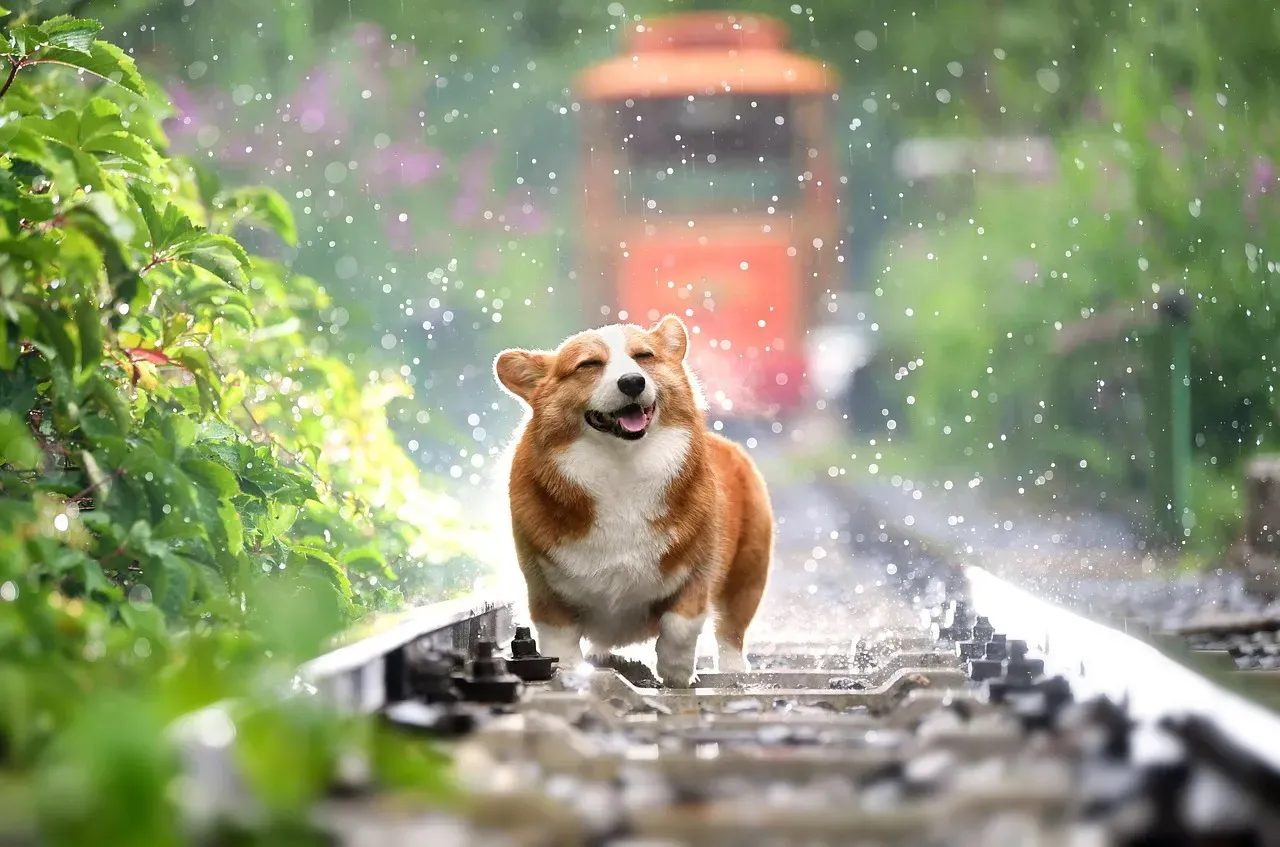
Many dogs view their humans as the center of activity and simply want to stay part of whatever comes next. If leaving the house often leads to car rides, visits to friends, or errands that include the dog, the door becomes the gateway to shared experiences. Their presence there reflects inclusion rather than fear of being left behind.
You might notice this pattern strongest on weekends or during holidays when routines feel more social. The dog stays close because past outings have been positive. Creating small indoor versions of those activities, such as a quick game near the door, can sometimes meet the same need for togetherness.
Keeping an Eye on Their Territory
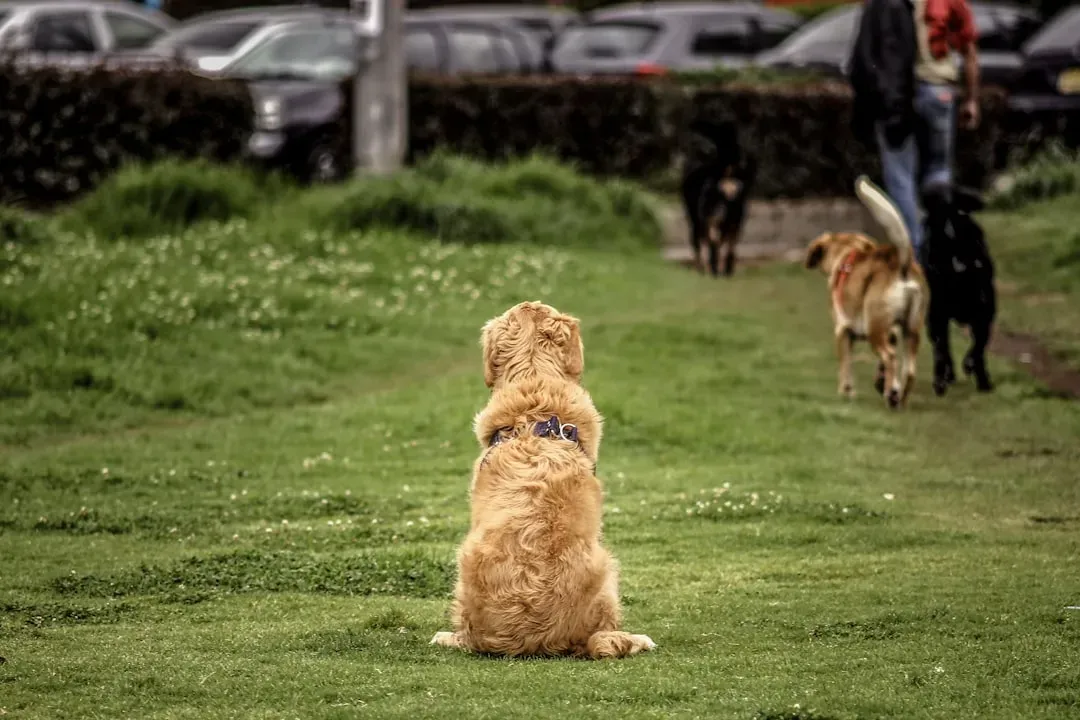
Dogs have natural protective instincts that make them alert to changes at entry points. Following you to the door can be their way of monitoring who or what might enter or exit. This vigilance often appears calm and focused rather than frantic, with steady breathing and occasional soft vocalizations.
In multi-person households the behavior may intensify when certain family members come and go. The dog learns which arrivals bring excitement or new scents worth investigating. Consistent greetings and clear boundaries around the doorway help channel this instinct into calmer observation instead of constant shadowing.
Signaling Something Feels Off

Sometimes the door routine highlights a physical or emotional need the dog cannot express in words. Discomfort from joint stiffness, digestive upset, or even mild anxiety about household changes can make a dog seek proximity to their trusted person. Following becomes a quiet request for reassurance or a chance to stay near comfort.
Watch for accompanying signs such as changes in appetite, sleep patterns, or energy levels. If the door following appears suddenly or pairs with other shifts in behavior, a check with the veterinarian can rule out underlying issues. Early attention to these cues often prevents small concerns from growing larger.
It’s Become Their Favorite Routine
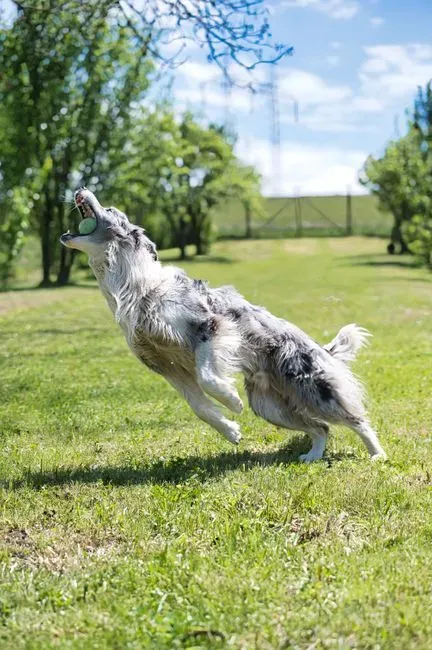
Repetition turns many small actions into comforting rituals for dogs. When following you to the door has been met with attention, petting, or even just your presence over weeks or months, the habit can persist simply because it feels good. The dog may not expect anything dramatic, only the familiar closeness that comes with the moment.
Breaking or reshaping the pattern works best when done gradually and paired with alternative rewards. Offering a favorite toy or a short training session in another room can redirect the energy while keeping the bond intact. Over time both of you settle into new rhythms that still feel secure and connected.
Strengthening Your Bond Through Understanding
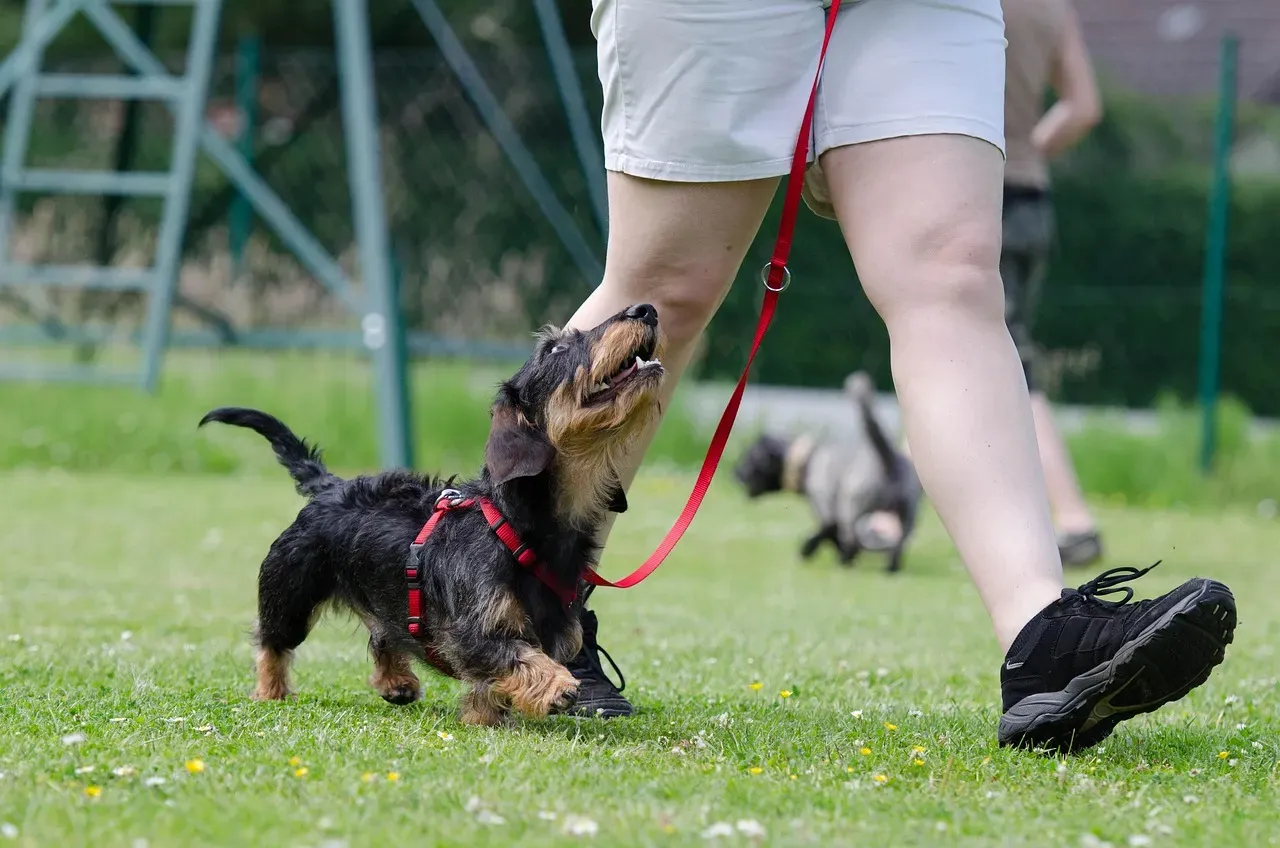
Recognizing the range of reasons behind door following opens up more thoughtful ways to respond. Each dog carries their own mix of history, personality, and daily needs, so the same behavior can mean different things from one household to the next. Small adjustments in routine often bring noticeable calm for everyone involved.
The real value lies in staying observant and responsive rather than assuming one fixed explanation. Over time these everyday observations build trust and make the ordinary moments of coming and going feel lighter and more connected for both of you.


