
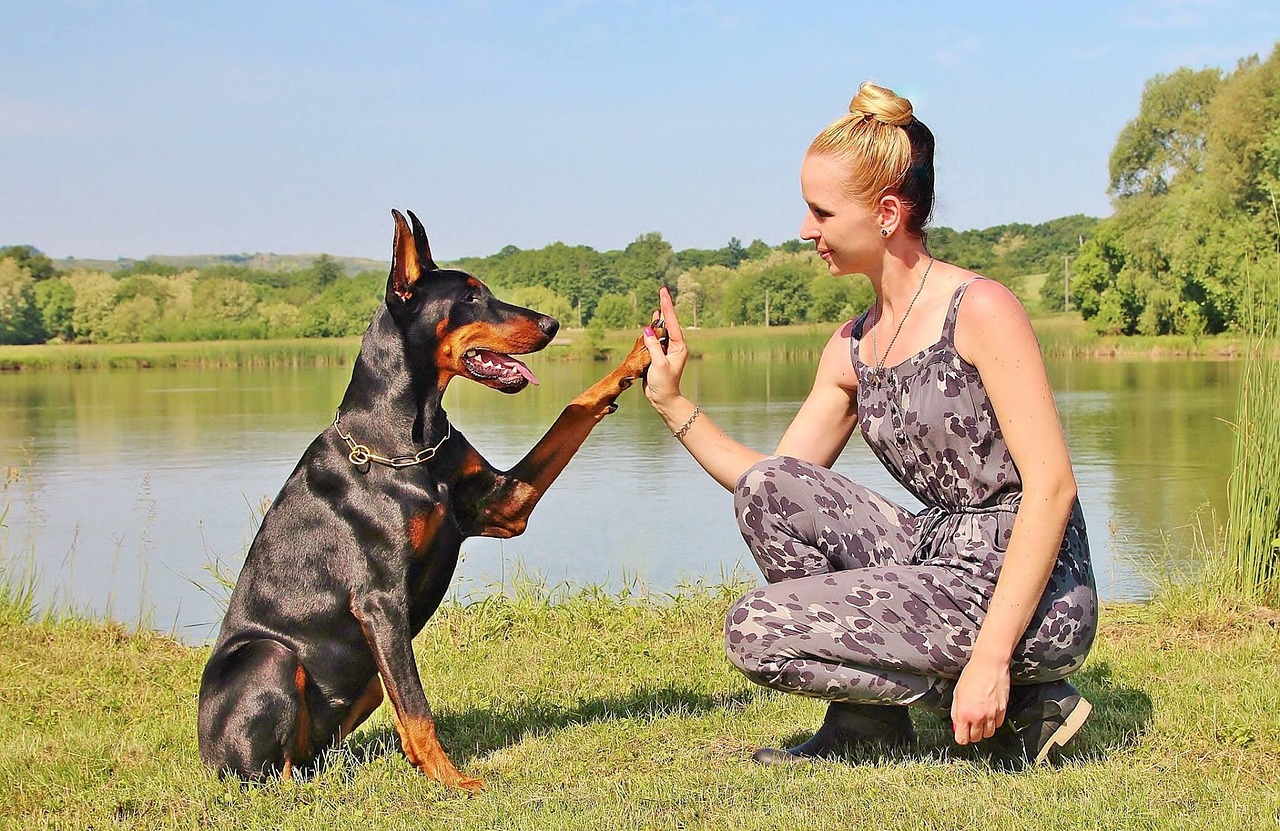
Dogs often form deep attachments that go beyond simple companionship. Some breeds channel that bond into a quiet but fierce sense of duty toward one special human.
These dogs do not just stay close. They watch, assess, and step in when they sense a threat, whether real or imagined. The following breeds stand out for how seriously they take this role.
German Shepherd
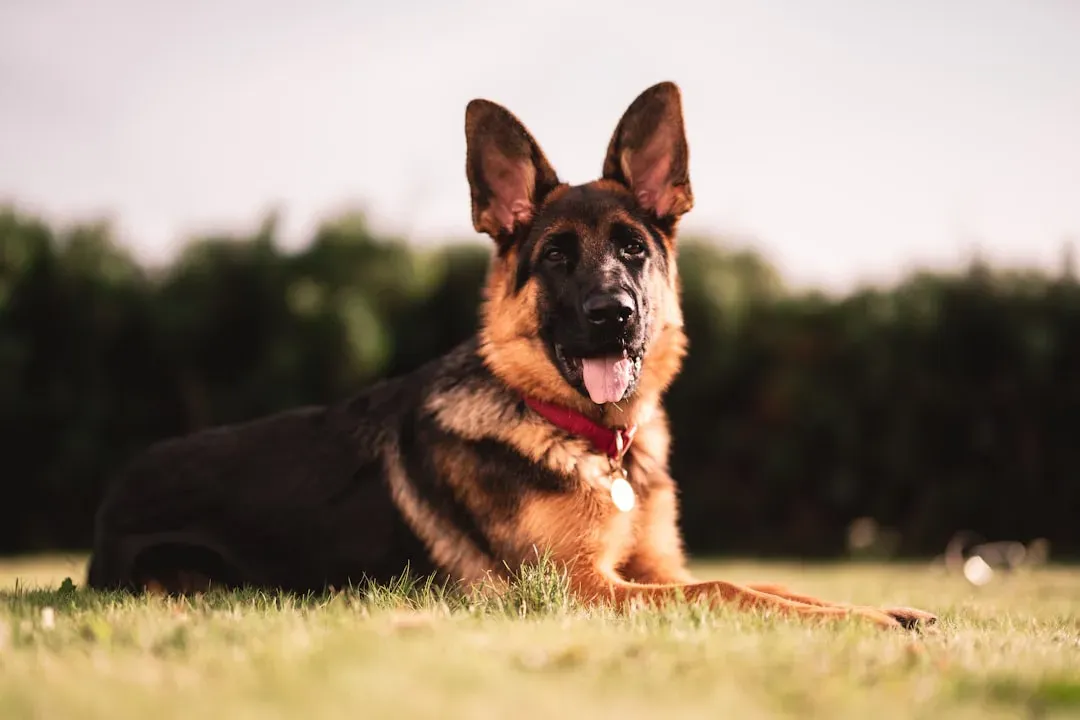
German Shepherds have long been trusted for police and military work because of their sharp instincts and loyalty. When they pick their person, that focus narrows even more. They often position themselves between their favorite human and any stranger who approaches too quickly.
Watch for their alert posture and steady gaze in new situations. Early socialization helps them learn when protection is truly needed versus when a friendly visitor is welcome. Consistent training reinforces their natural drive without turning it into unnecessary tension.
Rottweiler
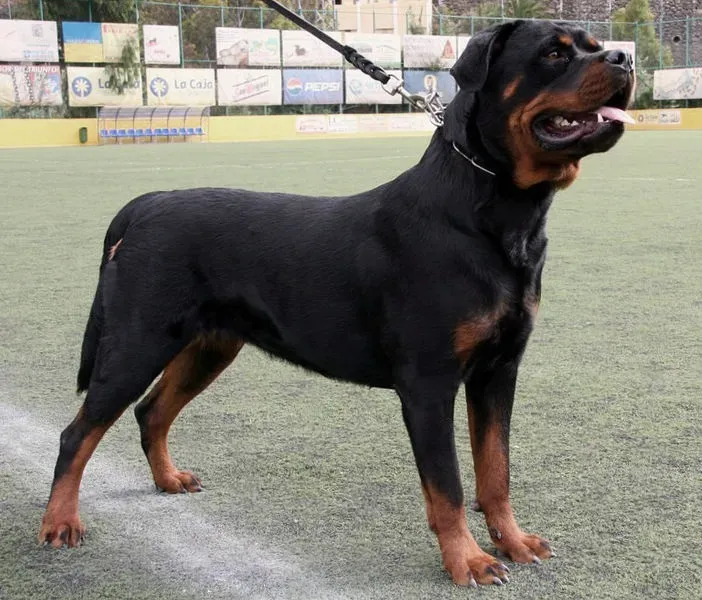
Rottweilers carry a calm confidence that makes them excellent guardians of home and heart. Once bonded, they tend to shadow their chosen person through daily routines. Their size alone can deter trouble, yet they usually prefer quiet presence over dramatic displays.
Owners notice how these dogs scan rooms upon entering and settle only after confirming safety. Proper exercise and mental work keep their protective energy balanced. Health checks for hips and heart remain important as the breed ages.
Doberman Pinscher
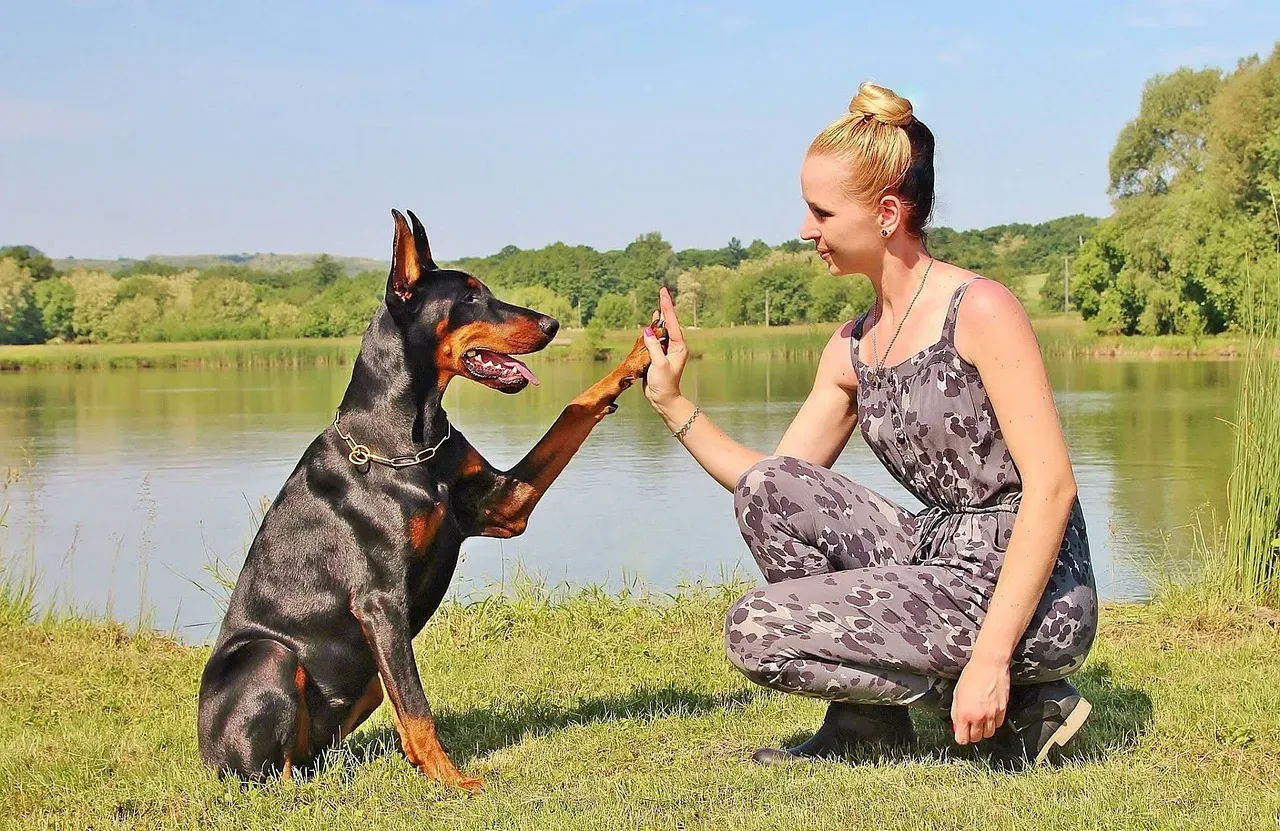
Dobermans combine speed and intelligence in a sleek package that makes them natural protectors. They often form intense one-on-one bonds and stay tuned to their person’s mood and location. A subtle change in their stance can signal they have noticed something off.
These dogs respond well to firm but kind guidance that channels their vigilance. Regular play and puzzle toys prevent boredom from tipping into overprotectiveness. Many families find their Doberman becomes a gentle shadow rather than a constant alarm.
Akita
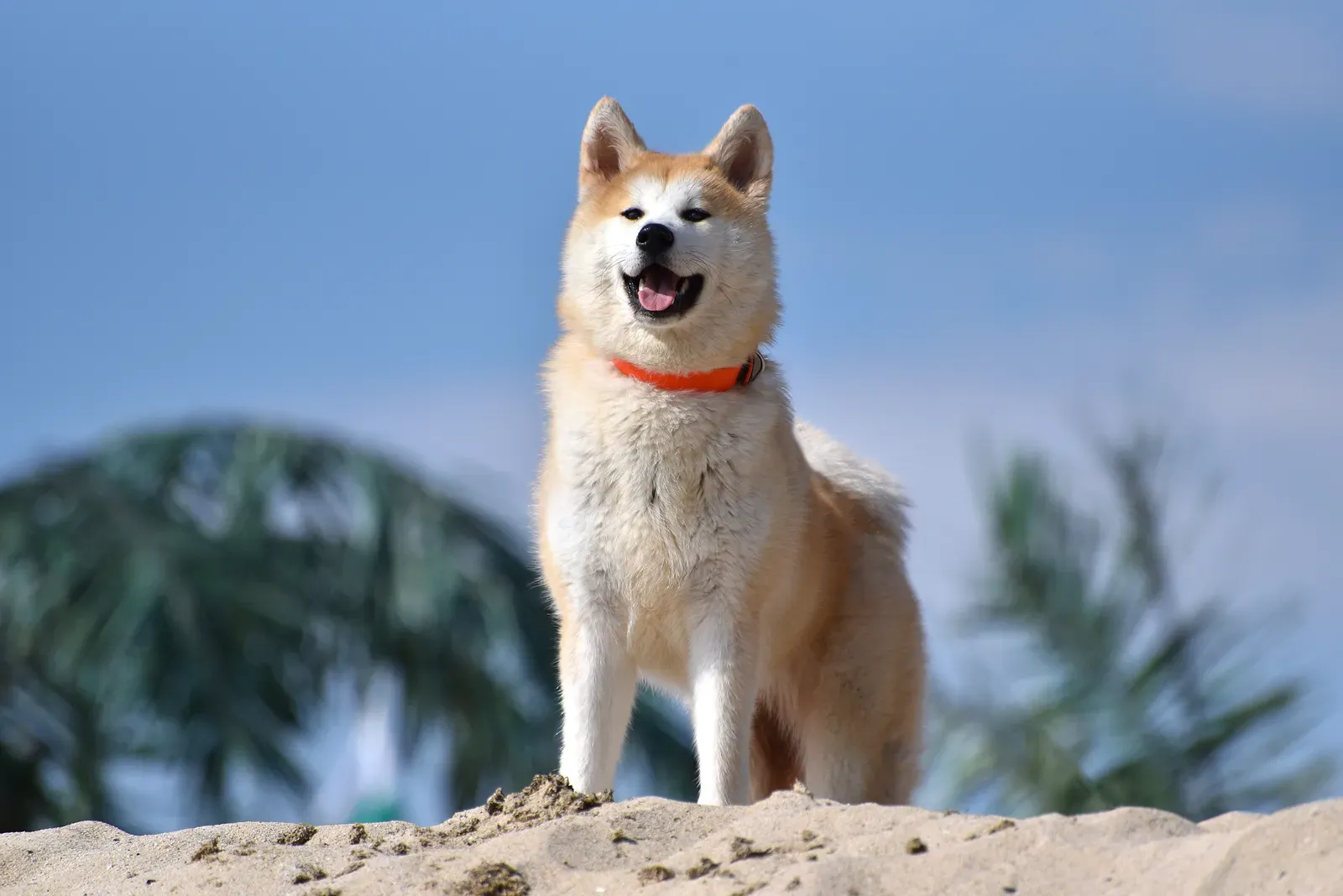
Akitas come from a heritage of guarding Japanese royalty, and that instinct still runs strong. They tend to choose one primary person and remain deeply loyal to that individual above others. Their reserved nature means they assess visitors carefully before relaxing.
Owners often describe an Akita circling the favored human during walks or settling nearby at night. Early exposure to different people and places helps them distinguish real concerns from everyday life. Coat care and joint support keep them comfortable through the years.
Cane Corso
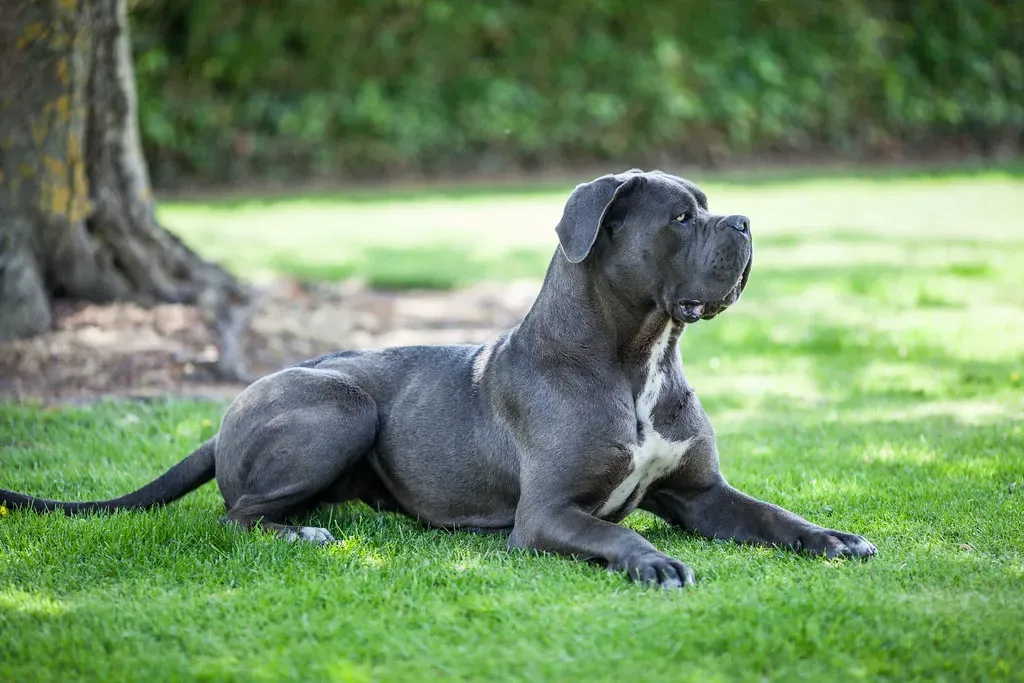
The Cane Corso brings ancient Roman guardian traits into modern homes with quiet authority. They watch their chosen person closely and often place themselves in strategic spots around the house. Their muscular build serves as a visible deterrent while their temperament stays steady.
Training classes focused on obedience help these dogs understand boundaries around family and guests. Daily walks and structured play release energy that might otherwise build into excessive guarding. Regular veterinary visits catch any breed-specific issues early.
Belgian Malinois
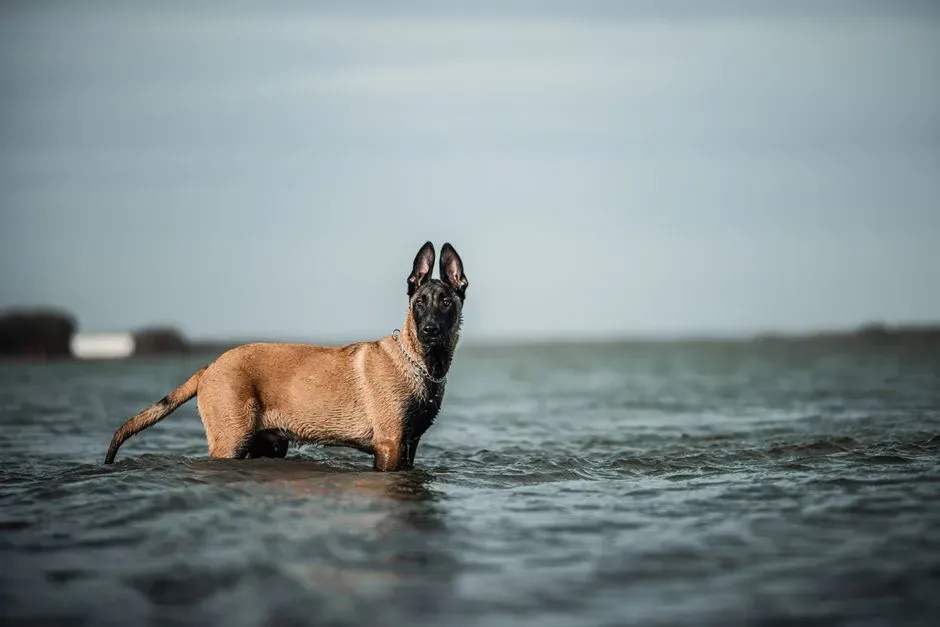
Belgian Malinois thrive on purpose and often direct that drive toward protecting their favorite human. They notice small details like unusual sounds or changes in routine. Many owners report their Malinois staying close during stressful moments as if offering support.
High energy levels mean these dogs need jobs or sports to stay content. Positive reinforcement training builds trust and keeps protective instincts in check. Mental stimulation through scent work or agility prevents restlessness from becoming a problem.
Bullmastiff
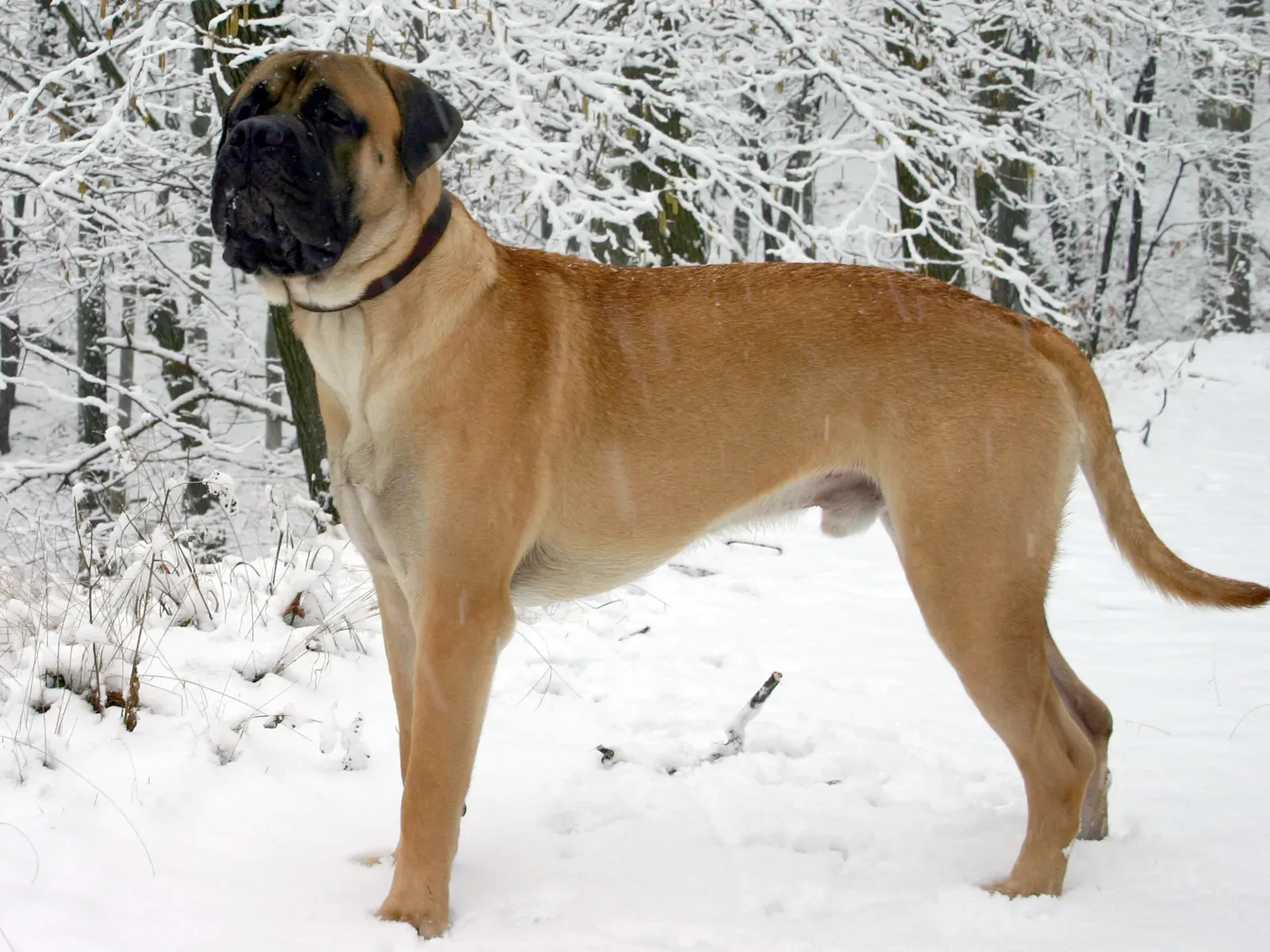
Bullmastiffs were bred to guard estates with a gentle but firm presence. They often attach strongly to one person and follow that individual from room to room. Their size provides reassurance while their calm demeanor keeps interactions peaceful.
These dogs tend to bark only when they truly sense an issue rather than at every passing car. Short daily walks and indoor play keep joints healthy without overtaxing them. Early introduction to household visitors reduces unnecessary wariness later on.
Tibetan Mastiff
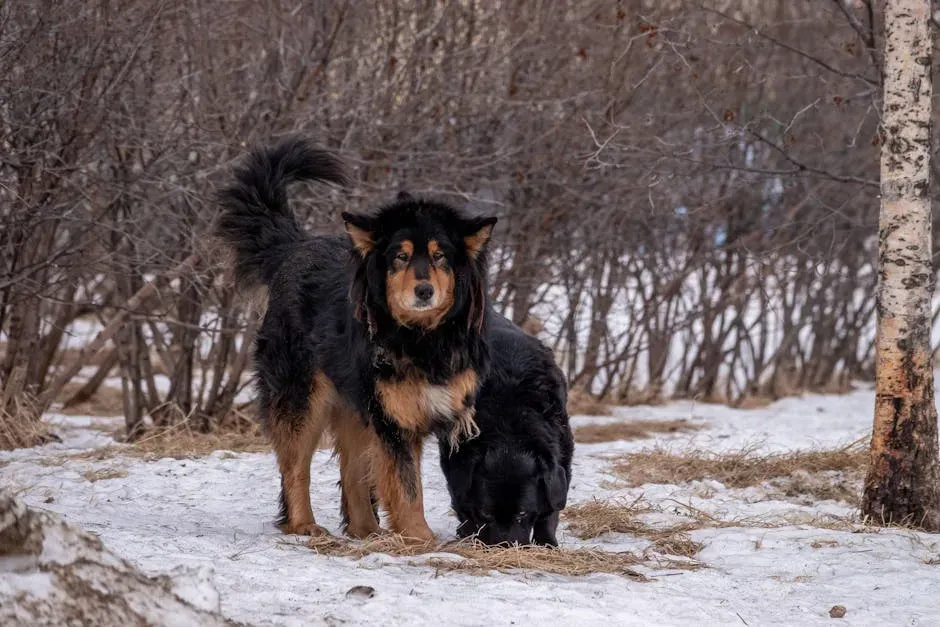
Tibetan Mastiffs developed in harsh mountain conditions where independent thinking and protection mattered most. They frequently select one family member as their charge and remain watchful even during rest. Their thick coat and imposing stance add to their natural deterrent effect.
Owners learn to respect their independent streak while still providing clear leadership. Limited but positive exposure to new people helps them accept friends without alarm. Coat brushing and space to roam suit their working heritage well.
Anatolian Shepherd
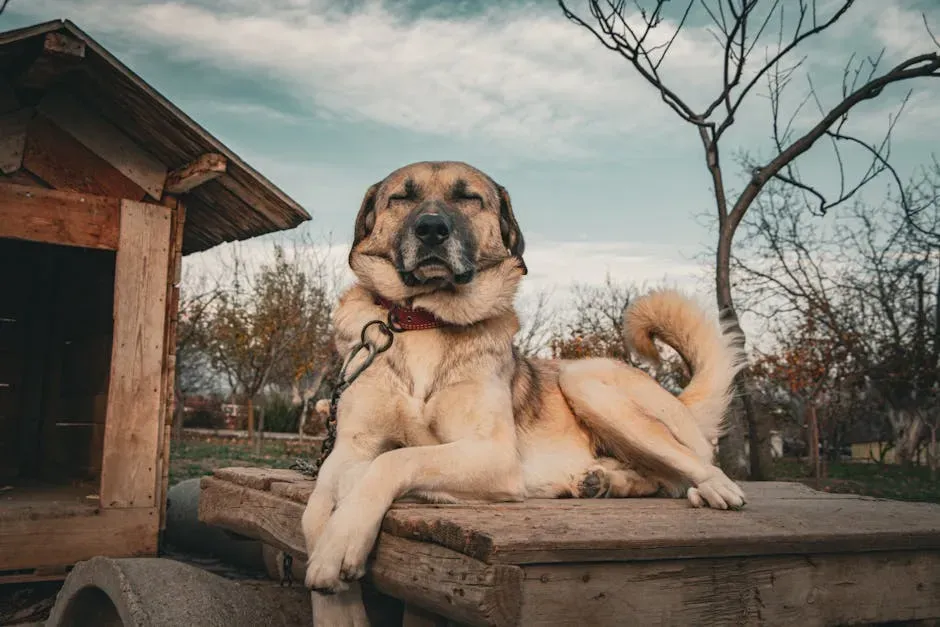
Anatolian Shepherds come from livestock guarding lines and bring that same steady vigilance to their chosen person. They often patrol the edges of a yard or home and return to check on their favorite human. Their calm assessment of situations sets them apart from more reactive breeds.
These dogs benefit from consistent routines that let them know what to expect. Plenty of space and moderate exercise support their large frame. Early training focused on recall prevents them from wandering too far while still honoring their guardian nature.
Great Pyrenees
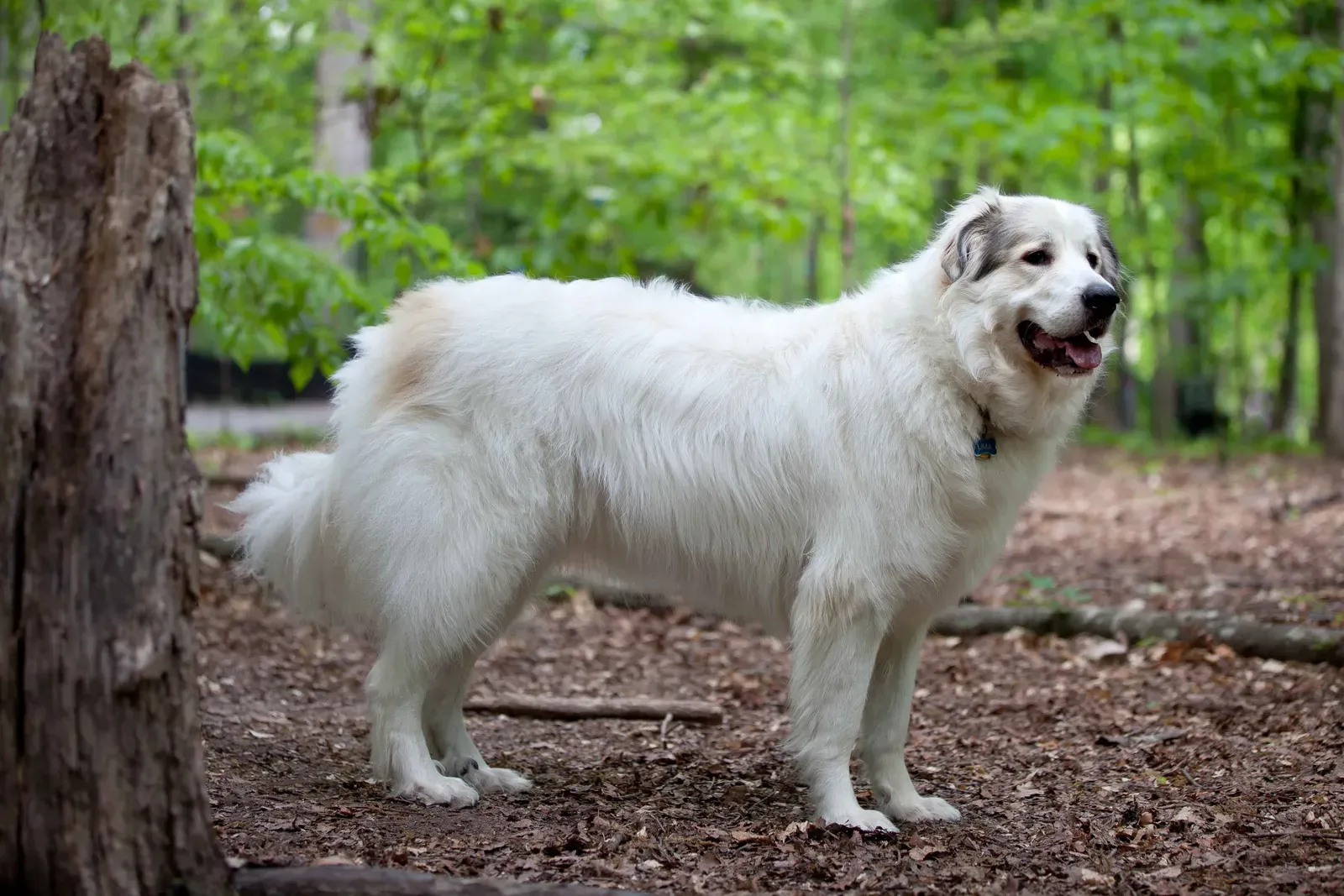
Great Pyrenees carry a quiet dignity that translates into thoughtful protection of their person. They often position themselves between their favorite human and any perceived threat without making a fuss. Their white coat and gentle eyes can mask the serious role they take on.
Owners appreciate how these dogs stay patient with children yet remain alert to strangers. Regular grooming and joint care keep them comfortable as they age. Giving them a job like watching the backyard channels their instincts productively.
Rhodesian Ridgeback
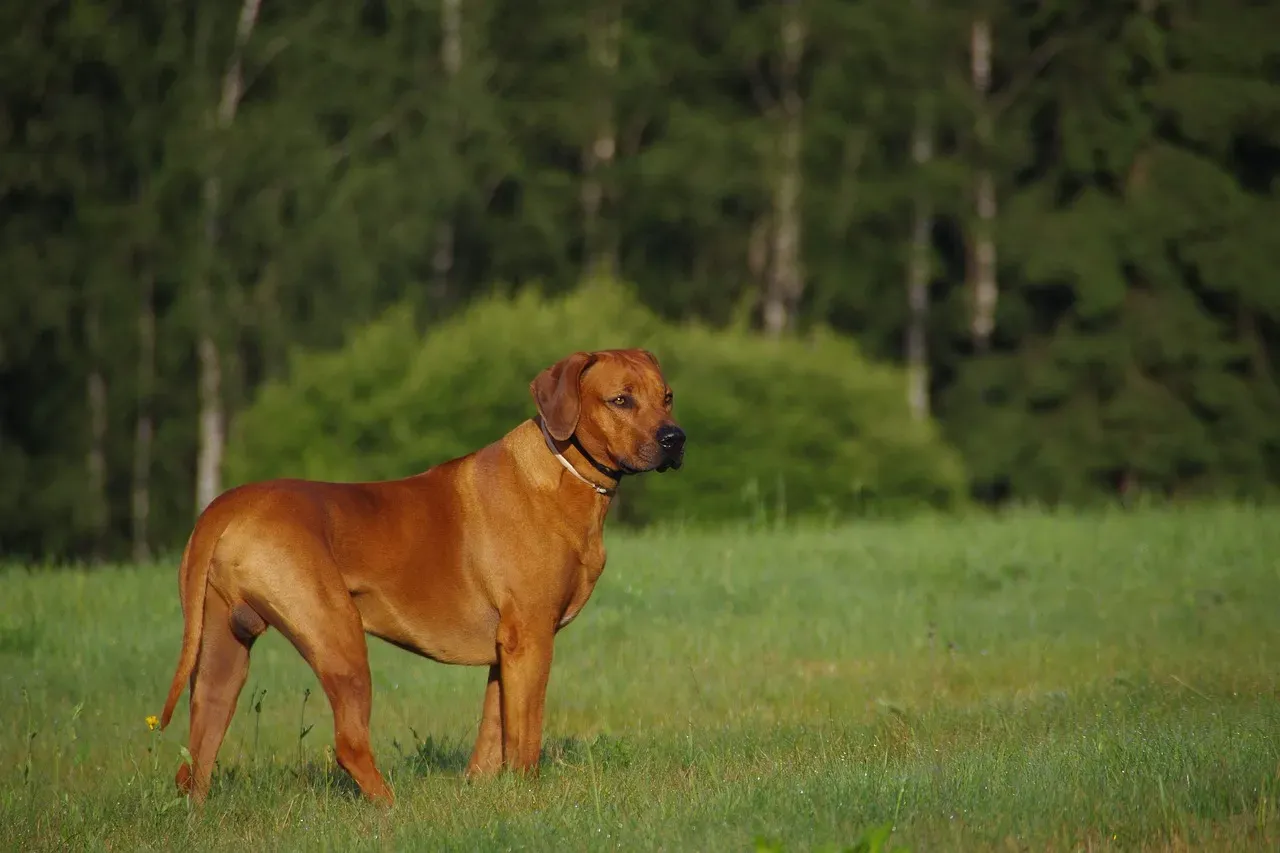
Rhodesian Ridgebacks were developed to hunt and guard in Africa, traits that still show in their loyalty. They often bond tightly with one person and stay tuned to that individual’s safety. Their athletic build allows quick response when needed.
These dogs enjoy running alongside their person during exercise and settle nearby afterward. Structured training and socialization keep their protective side balanced with friendliness. Hip and thyroid checks help maintain long-term health.
Boxer
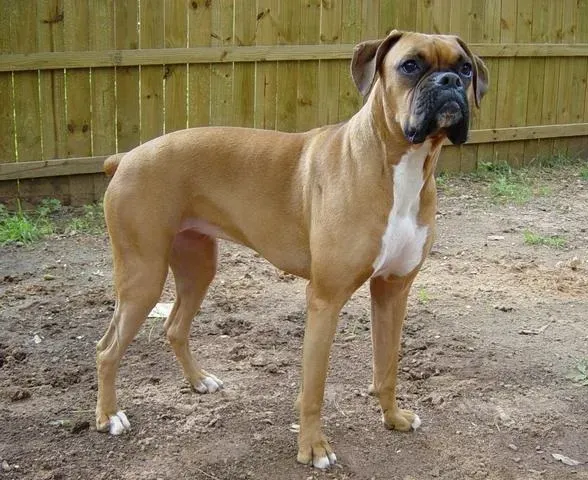
Boxers bring playful energy alongside a surprising protective streak toward their chosen person. They often insert themselves into situations with a mix of curiosity and caution. Their expressive faces make it easy to read when they have noticed something unusual.
Daily play sessions and training games keep their minds engaged and their guarding appropriate. Many families find a Boxer becomes both clown and sentinel in the same day. Regular heart screenings support their active lifestyle into later years.
Final Thoughts
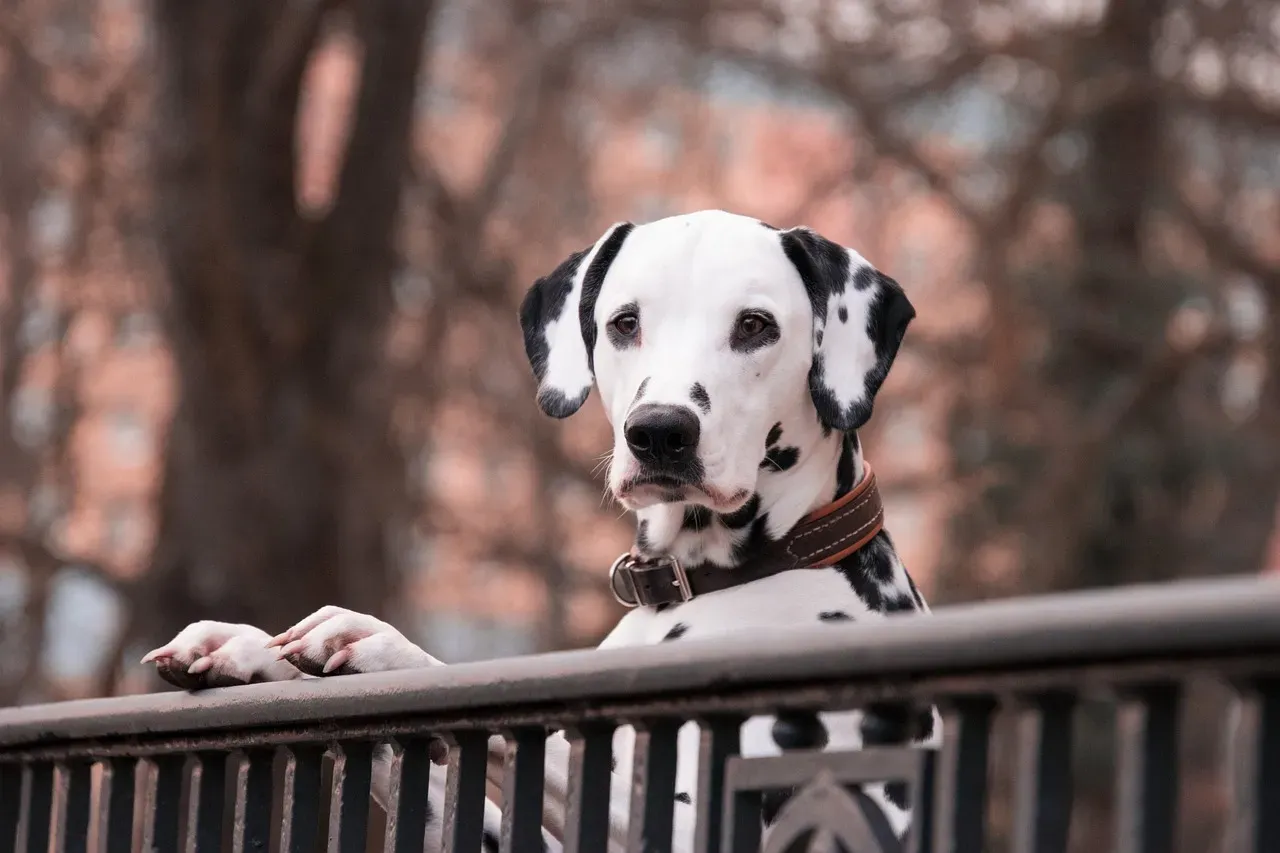
These breeds remind us that protection often stems from deep affection rather than aggression. When matched with the right home and consistent guidance, they offer both security and companionship that lasts for years.
Understanding their natural tendencies helps owners meet their needs with empathy and structure. The result is a bond that feels mutual and deeply rewarding for both dog and person.


