
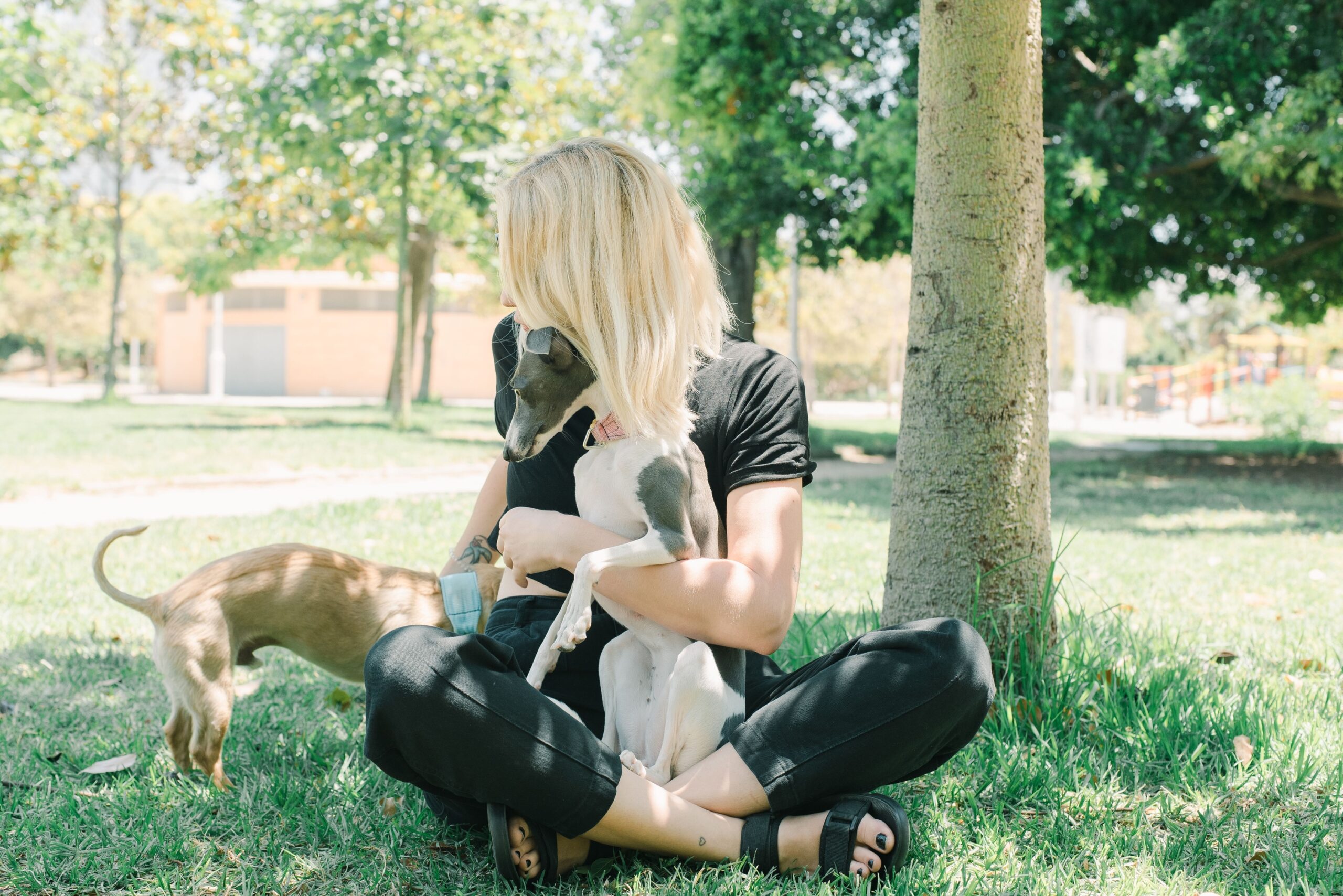
There’s a quiet kind of magic in realizing your dog is not just happy you exist, but genuinely relaxed in your presence. Not excited, not frantic, not trying to impress you with zoomies in the living room – just deeply, peacefully at ease. That level of trust is huge for an animal whose ancestors survived by constantly scanning the world for danger.
Many of the sweetest “my dog loves me” moments are actually “my dog feels completely safe with me” moments. Some of the signals are obvious, like snoring on your lap. Others are more subtle, like a slow blink or choosing to eat beside you rather than across the room. Once you know what to look for, you start to see just how loudly your dog is telling you: I’m home, and I can relax now.
1. Sleeping On Their Back With Their Belly Exposed
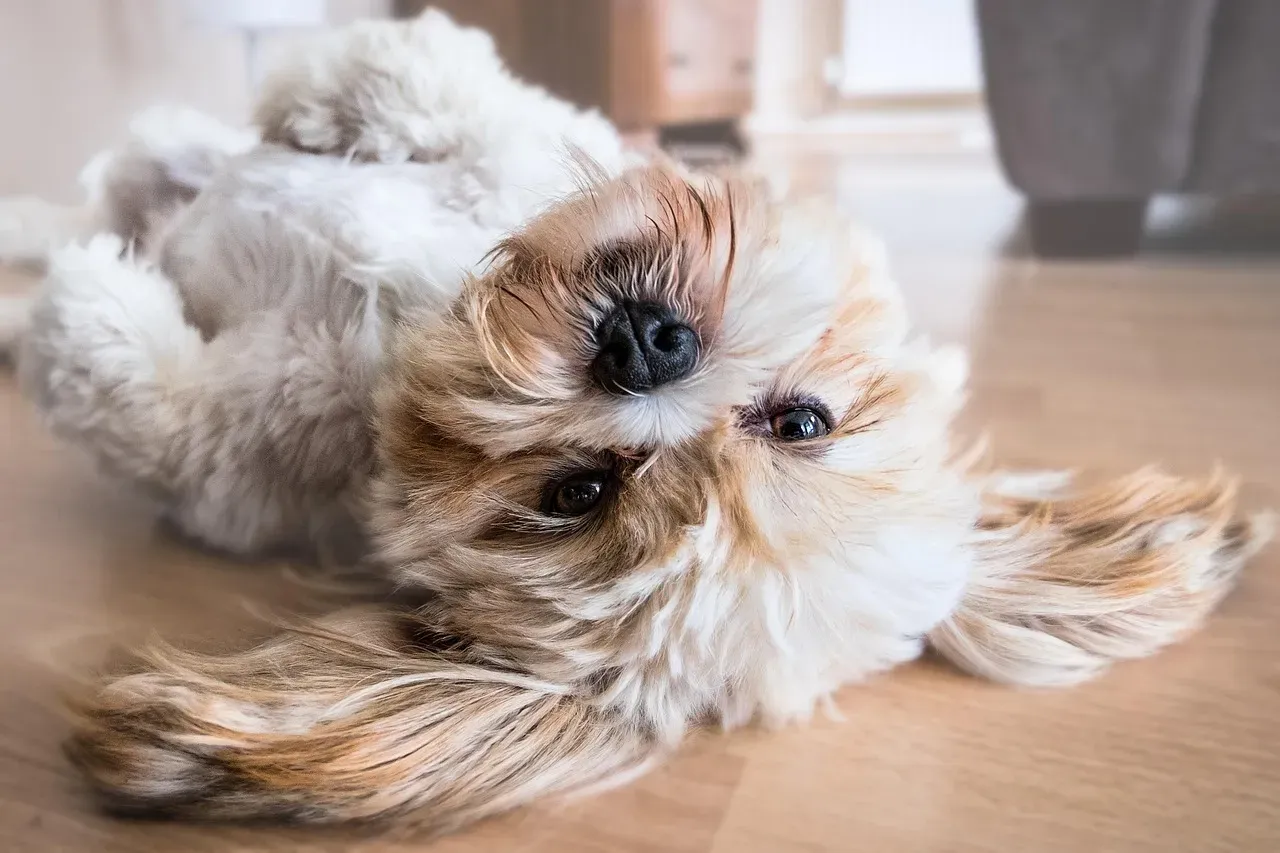
If a dog had a universal “I trust you with my life” pose, it would be the upside‑down, paws-in-the-air, belly-out sprawl. The belly is one of the most vulnerable areas of a dog’s body, so exposing it while asleep means they’re not expecting to defend themselves any time soon. In the wild, this would be an almost reckless position, which is exactly why it is such a powerful sign of safety in the home.
You might notice this posture more often after a good walk, training session, or calm evening with the family, when your dog’s mental and physical needs are satisfied. Not every dog will flop onto their back, especially more reserved or stiff-bodied breeds, but when they do, they’re essentially saying, “You’ve got my back. I can switch my survival brain off now.” It’s less about wanting belly rubs and more about broadcasting total relaxation.
2. Turning Their Back To You Or Sleeping Facing Away
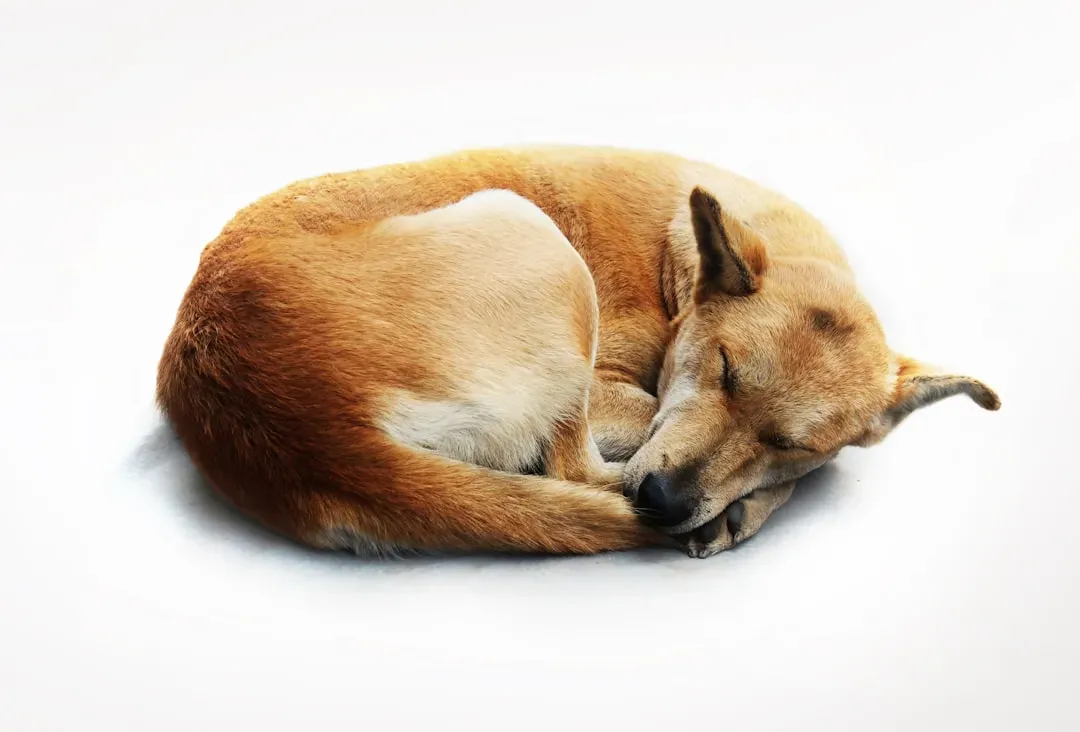
It can feel a bit rude when your dog lies down with their back to you, but in dog language, this is often the ultimate sign of confidence. When a dog chooses to either curl up with their spine against your legs, or lie facing the room or doorway while you’re behind them, they’re signaling that they do not feel the need to keep an eye on you. You’re not a threat; you’re part of their safe zone.
In many cases, dogs will position themselves to monitor the environment while letting their trusted person sit in their blind spot. This mirrors behavior seen in social animals that take turns “keeping watch” for danger. When your dog voluntarily makes you the one they’re not watching, it’s because they’re convinced nothing bad is coming from your direction. It’s quiet trust disguised as a slightly antisocial sleeping style.
3. Deep, Heavy Sleep With Twitching, Snoring, And Dreaming
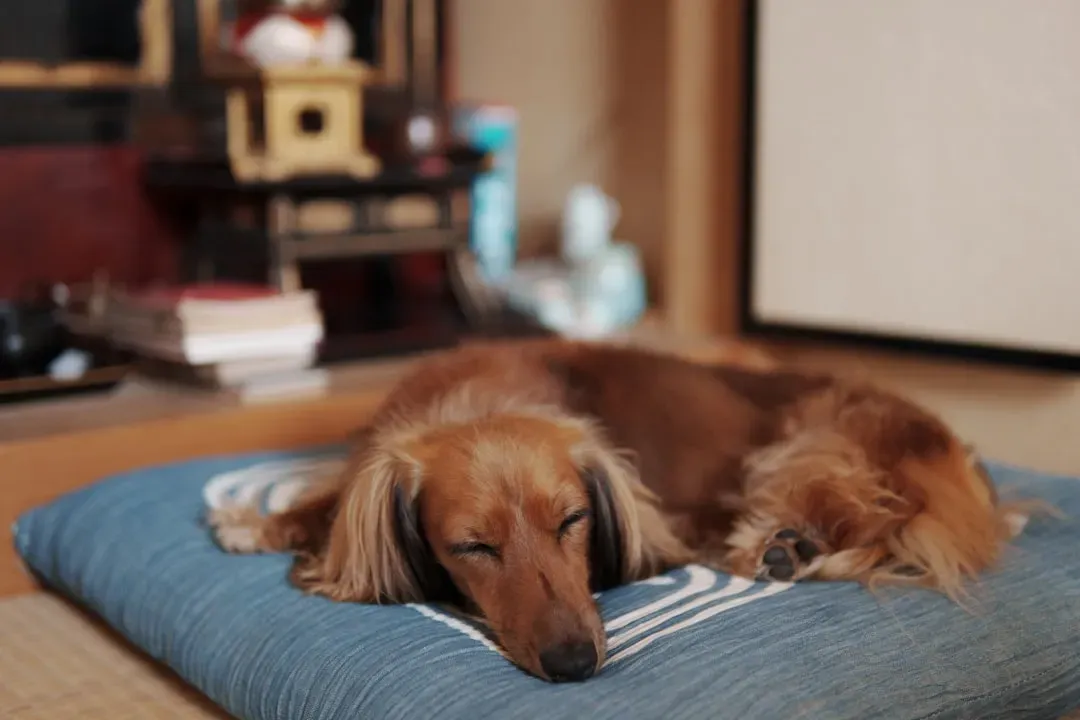
Light sleep is normal for dogs, especially in new places, but sinking into a deep, unguarded sleep beside you is a different story. When dogs feel truly safe, they cycle into deeper stages of sleep more easily, which is when you see eye flickers, paw twitches, soft whimpers, and even full-on dream running. This dreaming phase, similar to rapid eye movement sleep in humans, is a luxury state for an animal that has to stay alert in uncertain environments.
A dog who snores through door knocks or sleeps right through someone walking by the window is making a statement about their security level. Their brain is not reserving constant energy for threat detection, because their environment has proven predictably safe. If your dog uses you as a pillow, tucks their nose against you, and then completely checks out, they are outsourcing vigilance to you and your home. That is a massive measure of trust, even if the snoring is less than glamorous.
4. Showing You Their “Messy” Sides: Yawning, Stretching, And Big Body Sighs
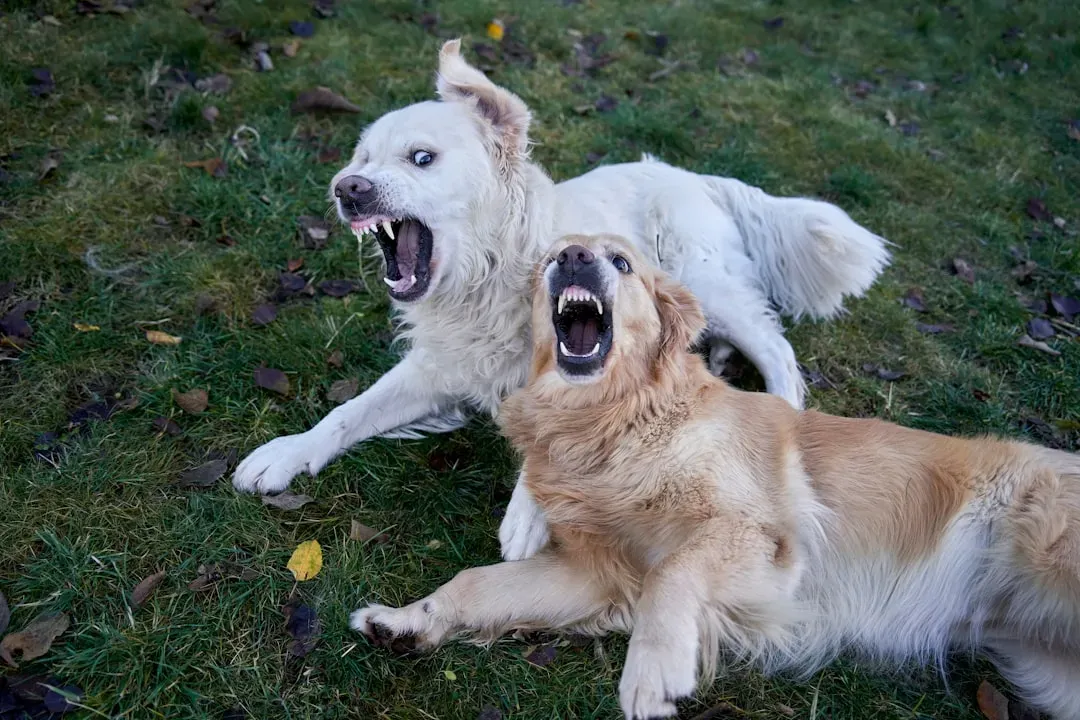
There’s something incredibly endearing about a dog that wanders over, flops down with a dramatic grunt, and lets out a long, slow exhale. Those big full‑body sighs, sprawling stretches, lip licks, and even sloppy yawns around you are all signs they’re letting go of tension. These are not glamorous moments; they’re the kind of unfiltered, unposed behaviors that only happen when an animal feels fully at ease.
From a behavioral standpoint, these relaxed displays show a shift from a high-alert state to a rest-and-digest mode supported by the calmer side of their nervous system. When your dog walks into a room, stretches luxuriously without scanning every corner, then collapses nearby with an audible sigh, they’re choosing to decompress in your presence. Think of it as the dog version of kicking off shoes, unbuttoning the stiff work clothes, and finally being yourself.
5. Leaning Their Full Weight Into You
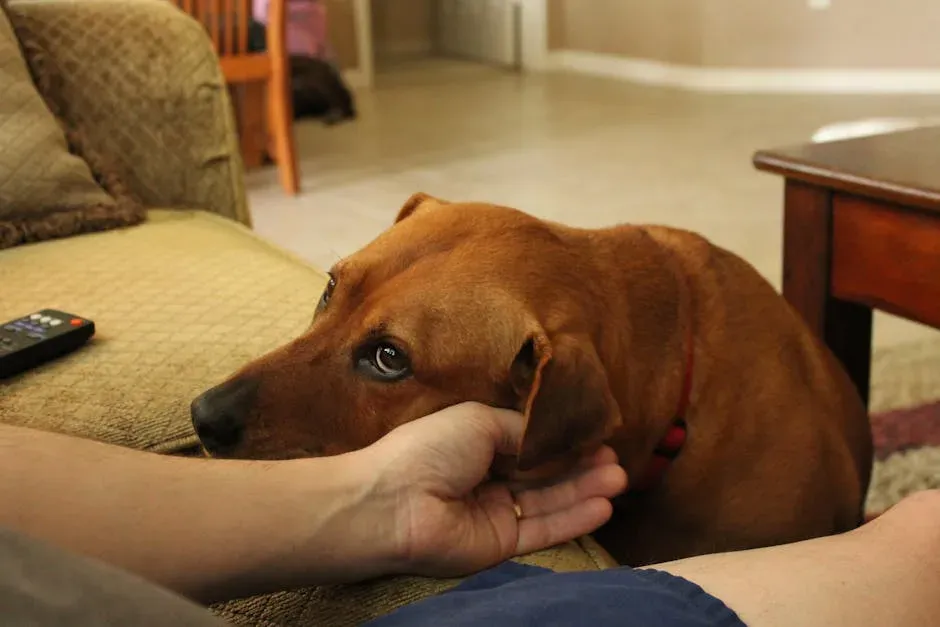
When a dog leans into your legs, rests their whole body against your side on the couch, or slowly melts their weight into your lap, it’s more than just affection. Physically leaning means they’re comfortable putting themselves slightly off-balance, trusting that you’re a safe surface to rest on. They’re also voluntarily closing the distance between you and placing themselves within easy reach of touch, which they would never do with someone they found unpredictable or scary.
There’s a social, almost grounding element to this contact too. Steady pressure can help regulate emotions in both humans and dogs, and dogs often initiate that contact when they want to feel anchored. A dog who feels the need to stay on guard usually prefers space and quick mobility. A dog who gladly presses into you, even dozing there, is signaling they’d rather be close than prepared to sprint away. That is the opposite of self-protection mode.
6. Ignoring Sudden Noises When They’re With You
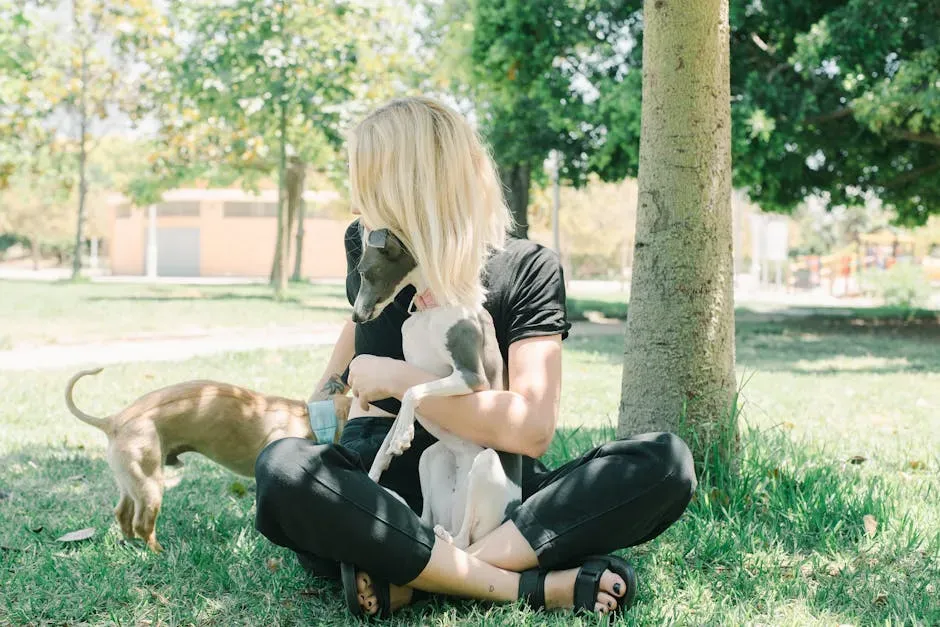
Every dog has their own sensitivity to sounds, but one powerful trust signal is how quickly they recover – or barely react at all – when something startles them while they’re by your side. If a car door slams or a pan clatters and your dog glances up, then immediately settles back into what they were doing, it shows they feel secure enough with you to not treat every noise as a potential threat. They are using your calm as a cue that everything is fine.
Over time, many dogs learn a kind of emotional shortcut: if their person isn’t alarmed, they do not need to be either. That is a huge shift from a survival mindset where any unknown sound could signal danger. When your dog chooses to stay on the couch instead of bolting down the hallway, or simply flicks an ear and goes back to chewing their toy, it’s a quiet expression of faith in your ability to manage the environment.
7. Seeking You Out For Comfort Instead Of Hiding
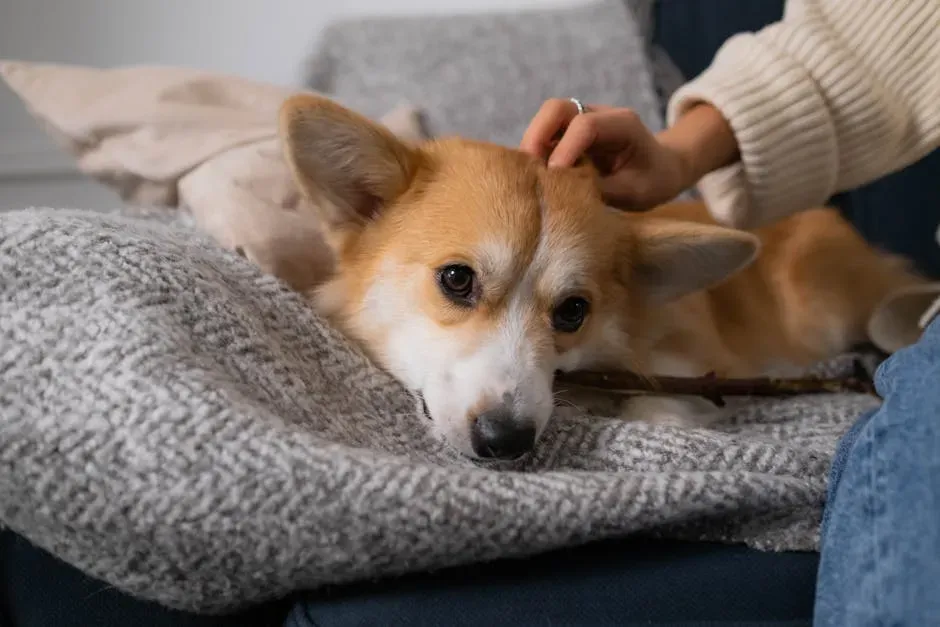
Stressful things will always exist in a dog’s world: thunderstorms, vacuum cleaners, loud visitors, or even a dropped baking sheet. The question is not whether your dog ever feels afraid; it is where they go when they do. A dog that truly trusts you very often moves toward you when worried, nudging your hand, leaning against you, or curling up near your feet instead of disappearing under a bed or into another room.
This choice is deeply meaningful from a bonding perspective. Running away to hide is a self-protective instinct, while moving closer to someone is a social coping strategy. If your dog treats you like their emotional safe room rather than something to escape from, it means your past behavior has consistently communicated comfort, not punishment, when they were vulnerable. They have learned through experience that letting their guard down with you leads to soothing, not scolding.
8. Eating, Chewing, And Playing Calmly In Your Presence
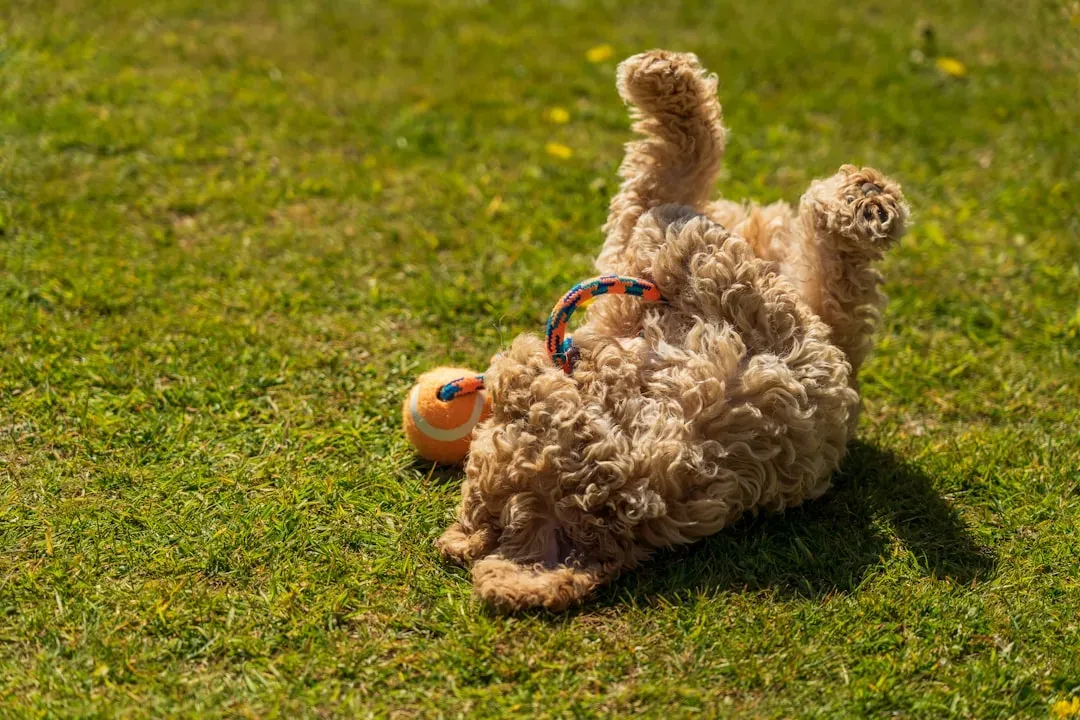
For many animals, eating is a vulnerable activity because they’re distracted and less able to respond quickly to danger. When your dog is willing to eat right next to you, chew a bone at your feet, or slowly work on a stuffed toy while you move around, it shows a high degree of confidence that they will not be disturbed or threatened. They’re engaging in something that occupies their mouth and mind, trusting that you and the environment are safe enough to allow that level of focus.
Play is similar. A dog that play-bows, rolls around with toys, or wags loosely around you is not conserving energy for self-defense. They’re burning it in joy. When a dog drags a favorite chew onto the couch beside you or settles on the rug with a long-lasting treat, they’re choosing to place their prized possession within arm’s reach of you. That level of relaxed sharing would never happen if they expected conflict or rough handling.
9. Showing You Their Back, Belly, And Paws During Affection
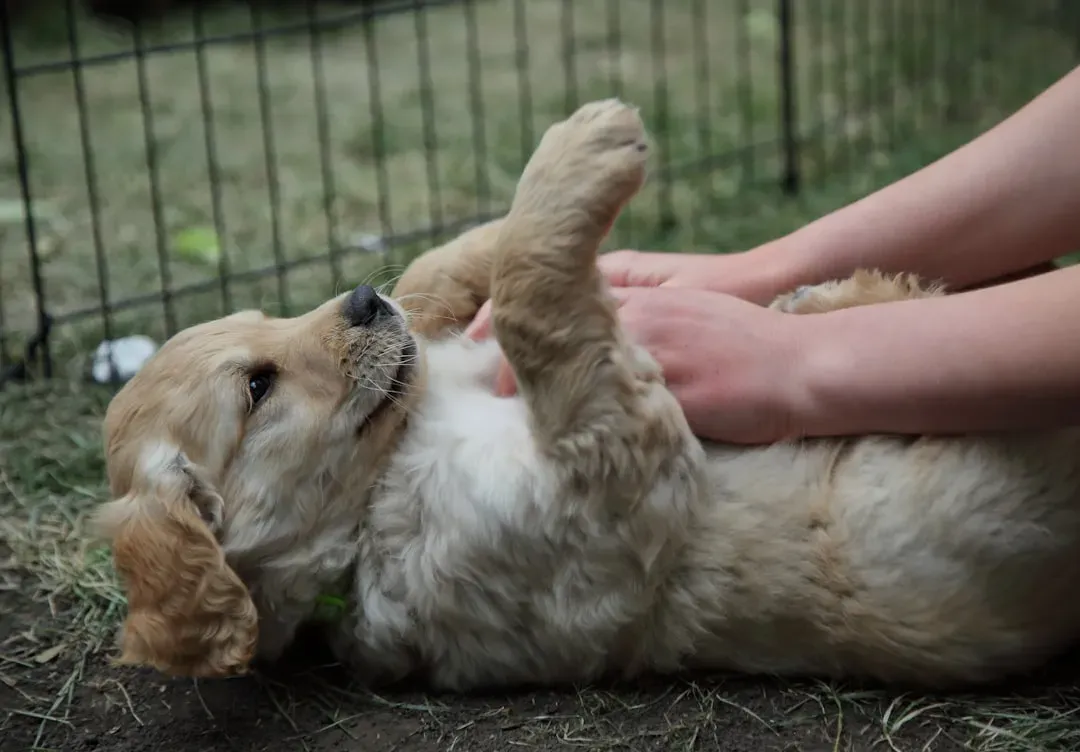
While the classic “pet my belly” move is well known, many people miss the significance of smaller vulnerable exposures. When a dog stretches out a paw for you to hold, rolls slightly to the side so you can rub their ribs, or sinks into your lap with their chest exposed, they’re lowering multiple defenses at once. Paws, throat, belly, and spine are all areas a nervous dog guards instinctively.
The key is that these behaviors are initiated or at least welcomed by the dog, not forced. A dog who wriggles closer for more chest rubs, relaxes their face, and softens their gaze is actively inviting more contact. That invitation is built on a mental record that your touch is predictable, gentle, and not overwhelming. When a dog hands over their vulnerability like that, both literally and figuratively, it’s because they’ve learned their guard can come down around you without consequences.
10. Slow Blinking, Soft Eyes, And Relaxed Facial Muscles
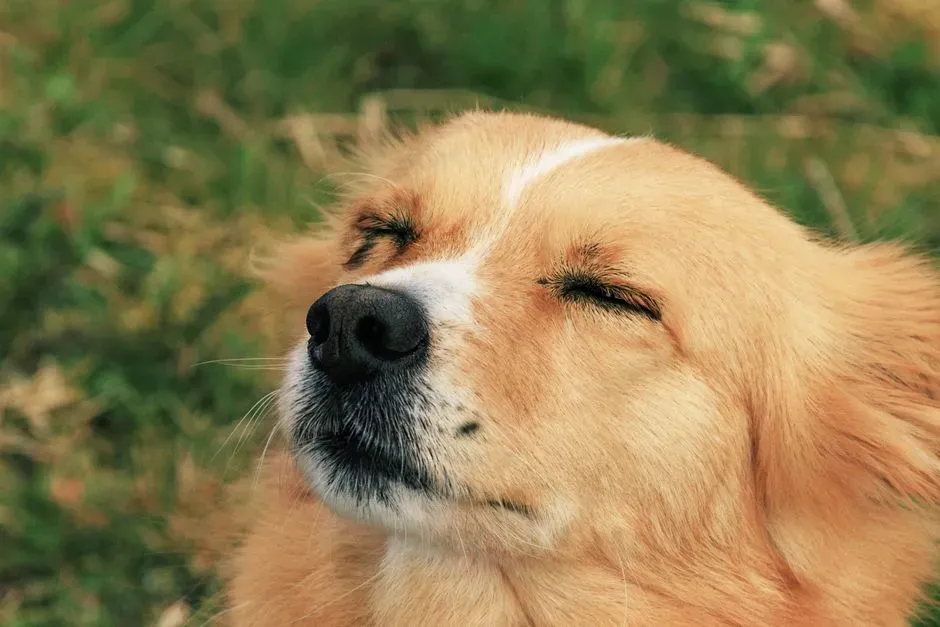
Dog body language is often discussed in terms of tails and ears, but the face tells a huge part of the story. When dogs feel safe, the muscles around their eyes and mouth soften, their gaze becomes loose instead of hard, and you may even notice slow blinks while they look at you. These soft eyes are a world apart from a fixed stare, which in dog communication can be a sign of tension or threat.
That gentle, almost sleepy expression is a physiological clue that your dog is not running on adrenaline. Their breathing tends to be slower and more regular, and their tongue and lips rest rather than being tight or pulled back. When your dog glances at you, blinks slowly, and then calmly looks away or nestles back into their spot, they’re treating your presence as background comfort, not something to constantly monitor. It is a small, quiet way of saying, “We’re good. I can relax.”
11. Being Goofy, Clumsy, And “Undignified” Around You
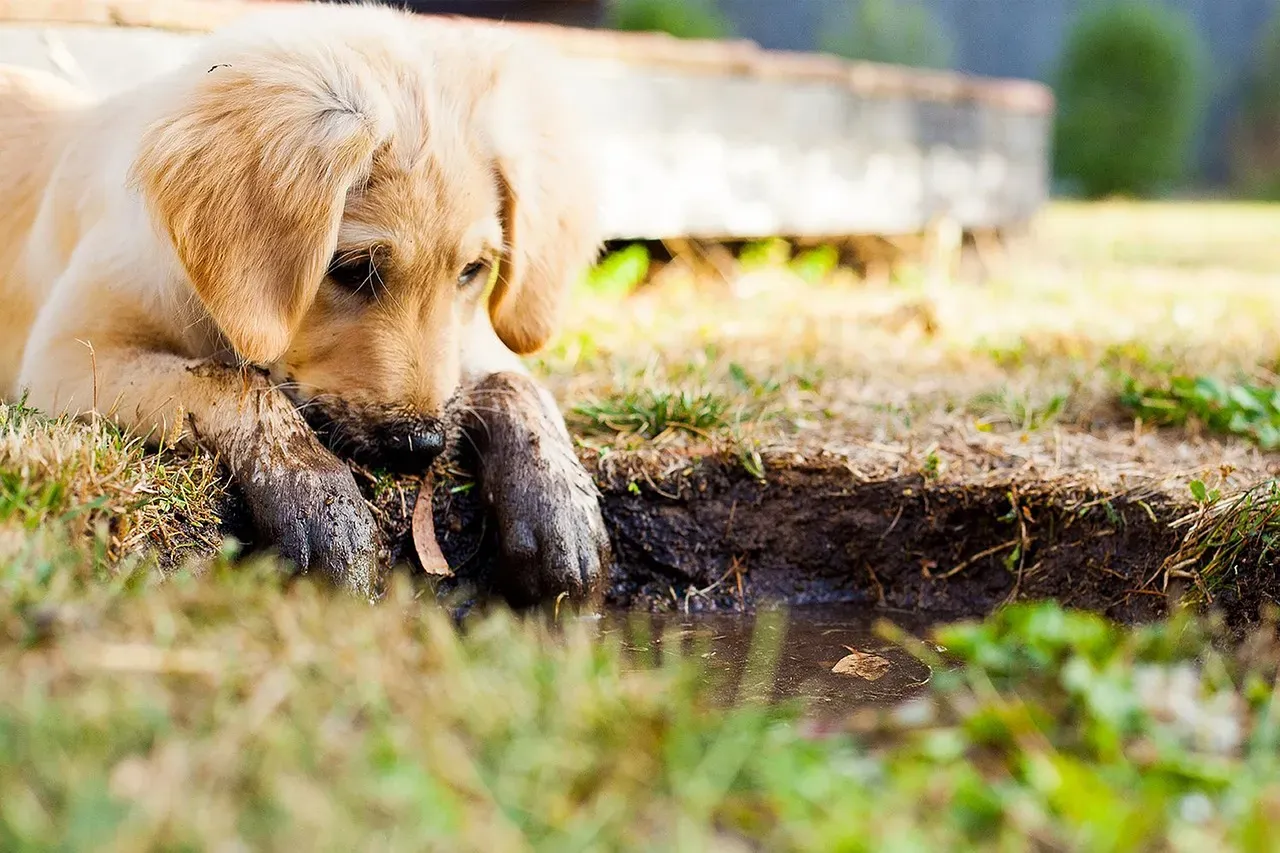
Dogs that feel they must stay guarded move with a kind of efficient caution. In contrast, dogs that feel totally safe get weird in the best ways: they zoom around the house, flop dramatically on the floor, wiggle in bizarre positions, or roll around with legs doing questionable choreography. This goofy, unfiltered behavior is a strong indicator that they’re not worried about how fast they can react if something bad happens.
I’ve lived with dogs that would only show their truly ridiculous side when the house was quiet and they were around their favorite people. One rescue in particular didn’t play for weeks, then one night launched into what can only be described as interpretive dance with a squeaky toy. That sudden, silly freedom was not just entertainment; it was hard proof that he no longer felt the need to be composed and on guard. When a dog lets you see their clumsy, chaotic self, that is trust made visible.
12. Choosing To Stay Near You When They Have Other Options
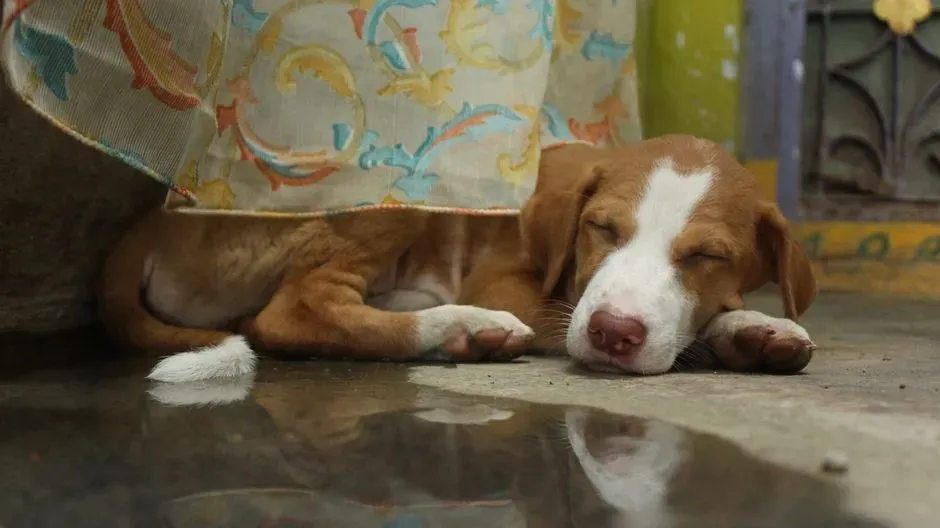
One of the strongest signs that a dog feels safe with you is incredibly simple: they choose to be where you are, even when they do not technically need to be. They might follow you from room to room and then just nap quietly nearby, or they might settle in a doorway where they can see you, not demanding attention, just existing in your orbit. This easy companionship, without tension or constant demands, signals deep comfort.
A dog that feels unsafe or conflicted often keeps distance, hovers near exits, or only approaches when they want something specific. A dog that consistently picks the bed, the sofa, or the corner of the room you’re in as their resting place is essentially saying, “This is my safest spot.” Out of all the cushions, dog beds, and sunny patches in the house, they stake their claim where you are. That everyday choice, repeated over time, might be the clearest sign that their guard is fully down.
Conclusion: Safety Is The Real Love Language
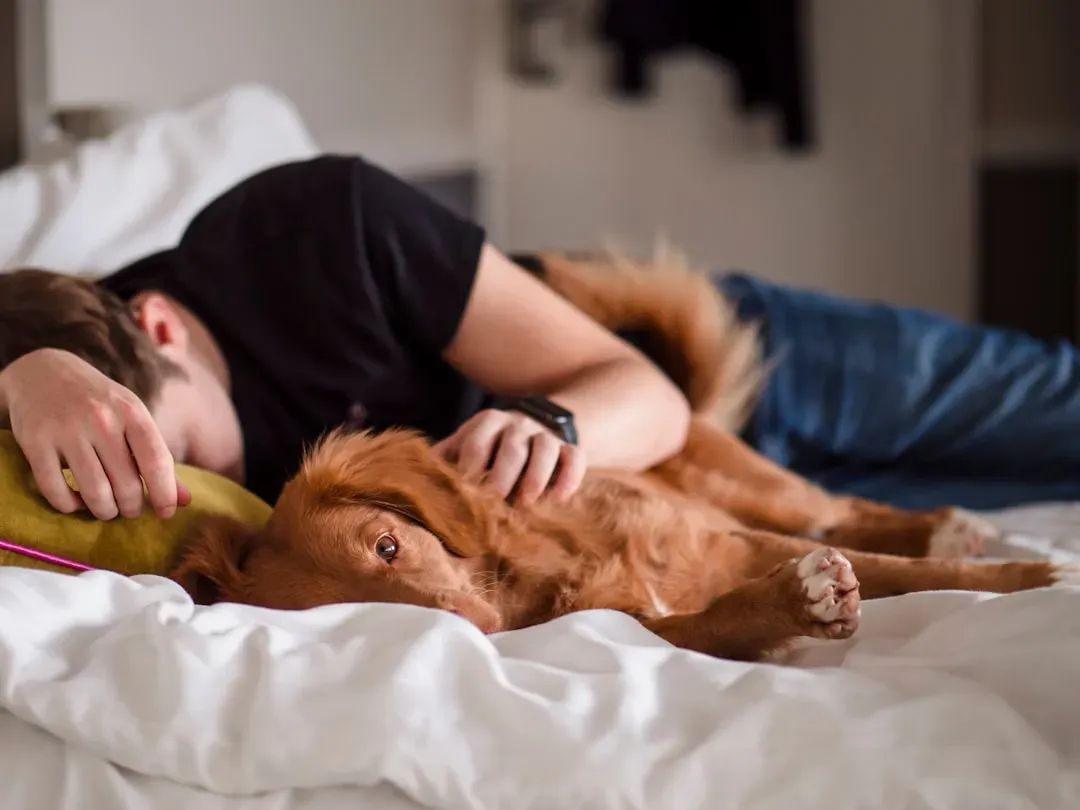
We tend to chase the big, flashy signs that our dogs love us – tail-wagging reunions, excited greetings, and viral-video tricks. But the older I get, and the more dogs I share my life with, the more I care about the quiet signs that they feel safe enough to fully relax. The real measure of the relationship is not how high they jump when you get home, but how deeply they can sleep beside you an hour later. Safety is the foundation under every other form of affection.
If your dog sprawls belly-up, snores against your leg, blinks at you with soft eyes, or calmly chews a toy at your feet, that is your proof that you’ve created a world where they can finally stop looking over their shoulder. To me, that matters more than perfect obedience or picture-perfect behavior. It means you are no longer just the person who feeds them – you are the person with whom they can afford to be completely unguarded. When you look at your dog right now, how many of these little trust signals have you already earned without even realizing it?


