
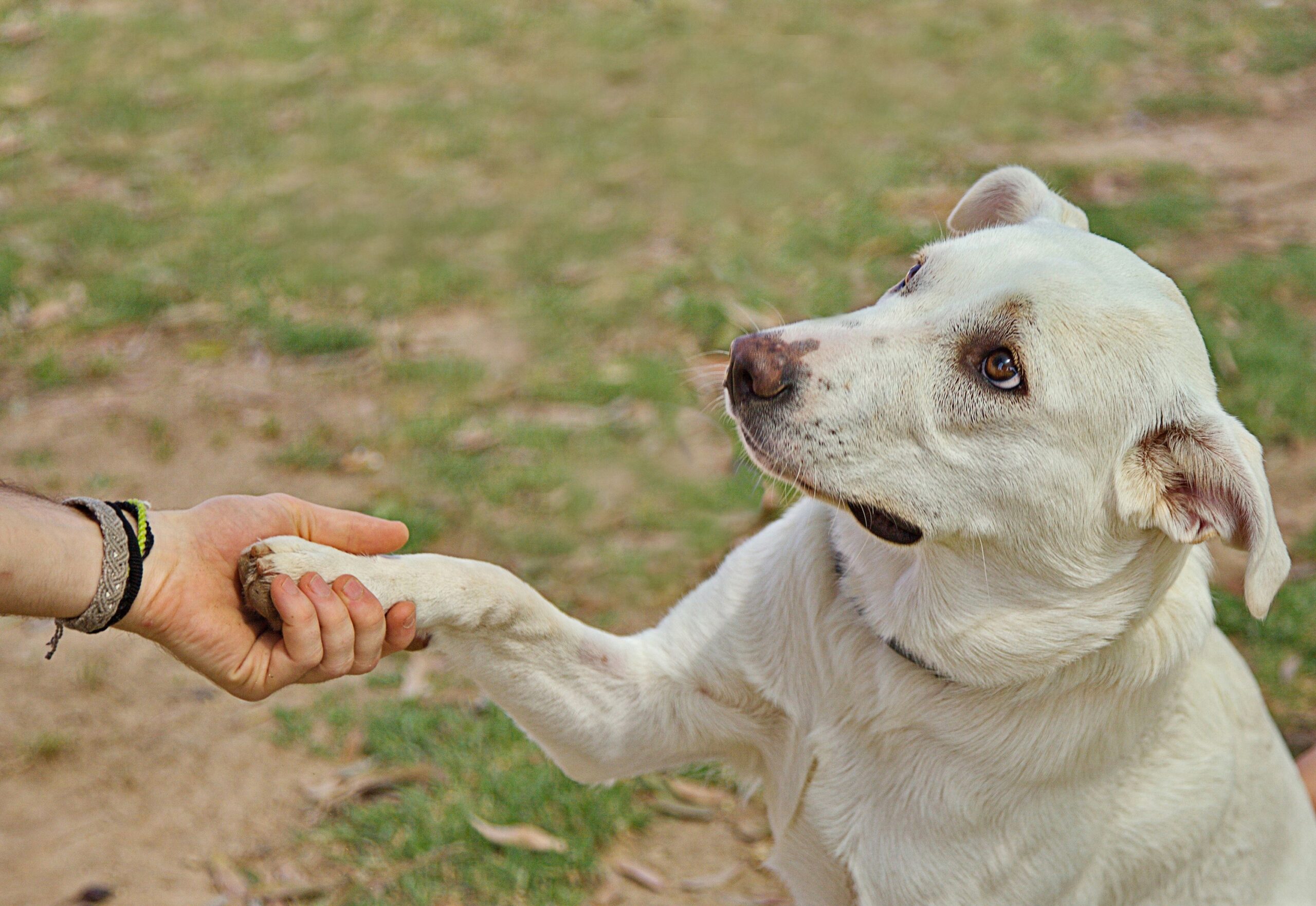
You lock eyes with your dog, and for a split second it feels like a movie moment. Then, just as quickly, your dog looks away, maybe even turns their head or licks their nose. A lot of people take that tiny move personally and think, “Wow, okay, guess you’re ignoring me.” But what if that quick glance away is actually one of the clearest signs that your dog is trying to be gentle, polite, and safe around you?
In modern dog behavior science, that subtle look-away is recognized as a classic calming signal, a way dogs communicate that they are peaceful and not a threat. Once you start to recognize it, you’ll see it everywhere: in the dog park, at the vet, even when you grab your phone for a selfie with your pup. Understanding it changes how you read your dog’s emotions, and honestly, it can make you feel closer to them than ever.
Why Direct Staring Feels Intense in the Dog World
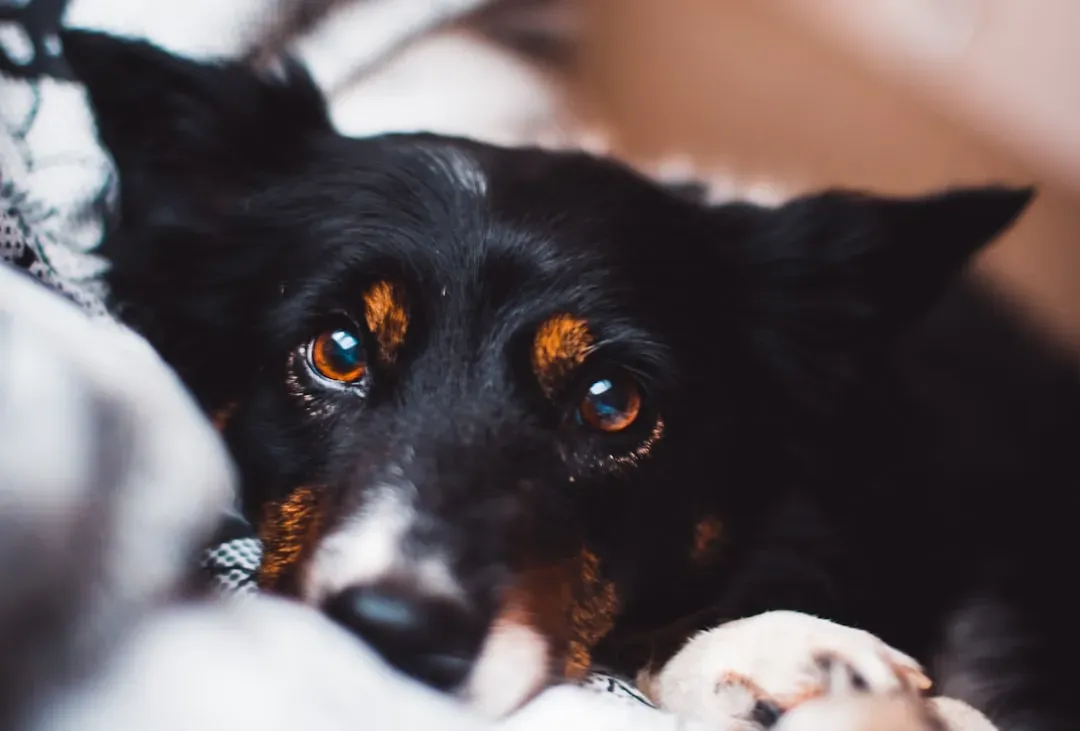
Imagine someone stepping too close in an elevator and staring straight into your eyes without blinking. Even if they never say a word, your body tenses, right? In the animal world, especially among canines, a hard, unbroken stare is often a big social signal that can mean challenge, tension, or even threat. Dogs are experts at reading body language, and eye contact is one of the strongest signals in their toolkit.
So when we sit on the couch and lovingly stare at our dogs, we think we’re being affectionate. From a dog’s perspective, though, that intense, fixed gaze can feel like a lot. Not necessarily dangerous, especially if the bond is strong, but still powerful. Many dogs respond by softening the moment: they blink, look slightly to the side, or turn their head. That is not avoidance. That is your dog saying, in a language older than words, that they’d rather keep things friendly than escalate tension.
Calming Signals 101: The Quiet Language Your Dog Uses Every Day
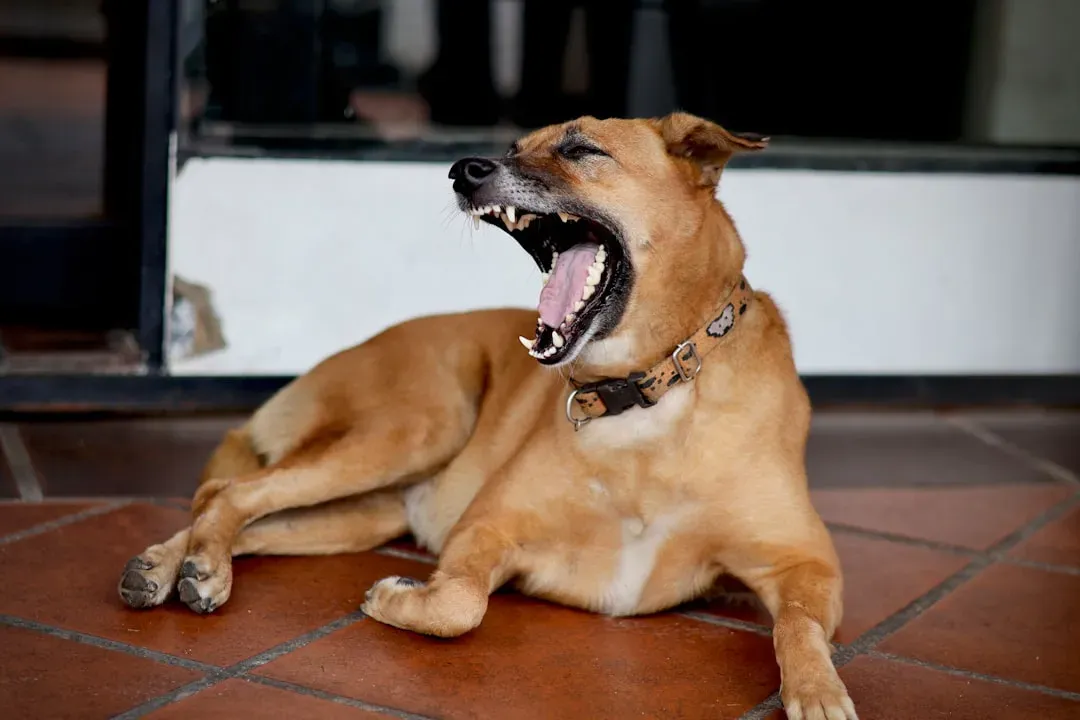
“Calming signals” is a term used by canine behavior experts to describe the small, subtle actions dogs use to avoid conflict and maintain social harmony. Looking away is one of the most classic of these signals, but it often travels with others: slow blinking, lip licking, turning the head, sniffing the ground for no obvious reason, or even yawning when there’s no real sleepiness in sight. These are like social emojis dogs flash constantly to keep relationships smooth.
When a dog looks away from a direct stare, they’re essentially putting a soft brake on the situation. They’re saying they are not looking for a fight, not trying to be pushy, and they want the interaction to stay safe and calm. It’s a peace offering, not a snub. Once you recognize it, you’ll notice that your dog offers these signals not only to humans but also to other dogs, and sometimes even to unfamiliar objects that feel a bit intense or confusing.
Looking Away Is Not Rejection – It’s Emotional Intelligence
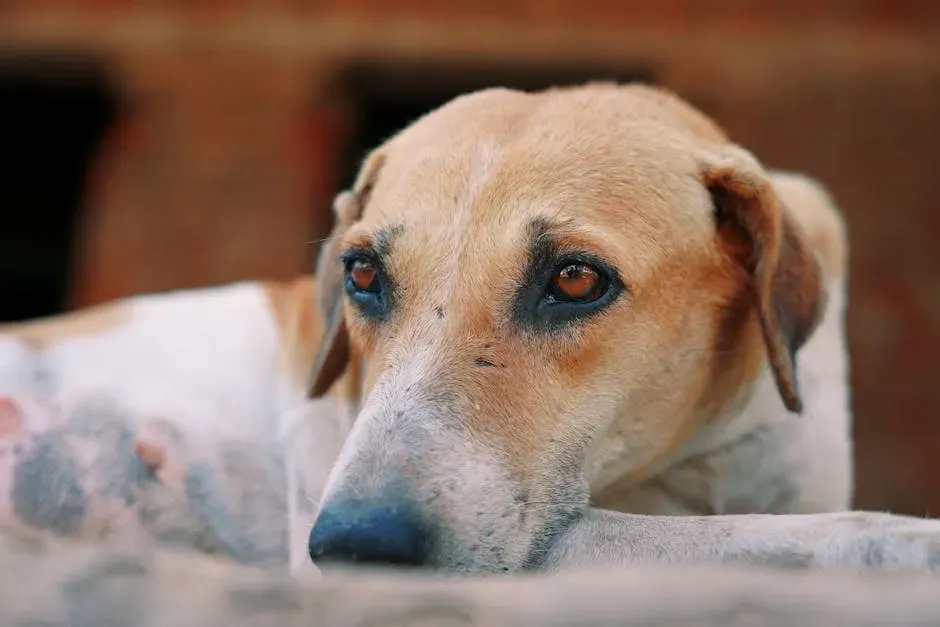
A lot of people secretly worry that when their dog glances away, the dog is bored, disinterested, or “not attached enough.” That’s human projection talking. In reality, a dog who calmly looks away from your direct gaze is often showing a high level of social awareness. They feel the weight of the moment and choose to keep it soft rather than intense. That is emotional intelligence in a fur coat.
Think of it like a good friend who gently changes the subject when a conversation starts to feel awkward. They are not rejecting you; they are protecting the connection. Your dog is doing something very similar. They sense your focus, your closeness, your body leaning in. Looking away for a second is how they help both of you stay in a comfortable zone. Ironically, the dogs who offer the most calming signals are often the ones trying the hardest to get along.
How Dogs Use Calming Signals With Each Other
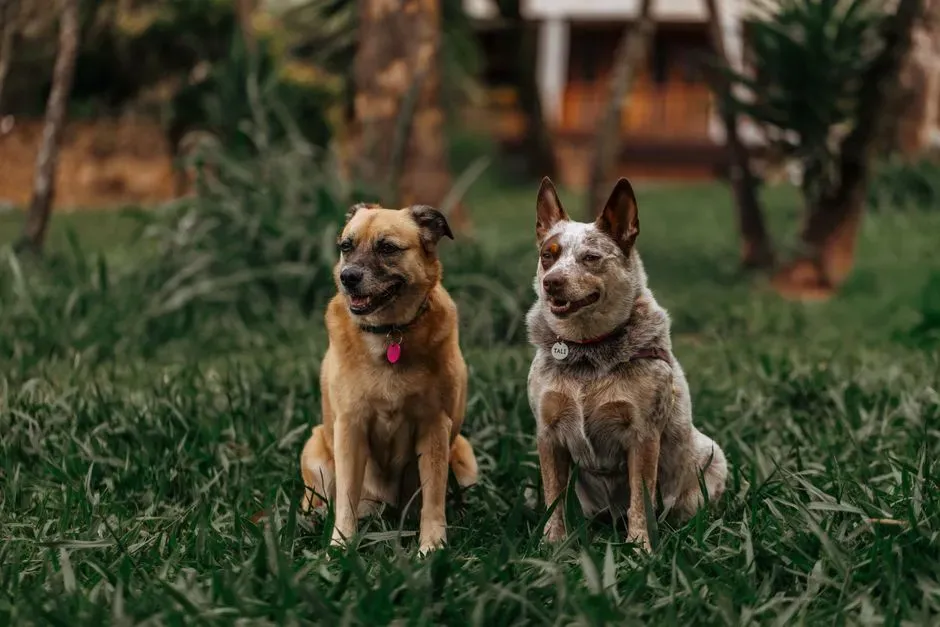
Watch a couple of dogs greeting each other, and you’ll see an entire silent conversation unfold in a matter of seconds. One dog might slow down, curve their body, blink, or turn their head slightly to the side instead of marching up in a straight line. The other might respond by looking away, sniffing the grass, or giving a big exaggerated yawn. None of these gestures are random; they are social tools to say things like “I’m friendly,” “I’m a little nervous,” or “Let’s keep this chill.”
Looking away, in this context, is a pressure release valve. Rather than stare back and risk things feeling confrontational, a dog chooses to break eye contact and soften their whole posture. You’ll notice that the more socially skilled dogs use these signals generously, especially when meeting puppies or anxious dogs. They are, in their own way, being the grown-ups in the room, making sure nothing turns into an argument neither dog really wants.
What It Means When Your Dog Looks Away From You
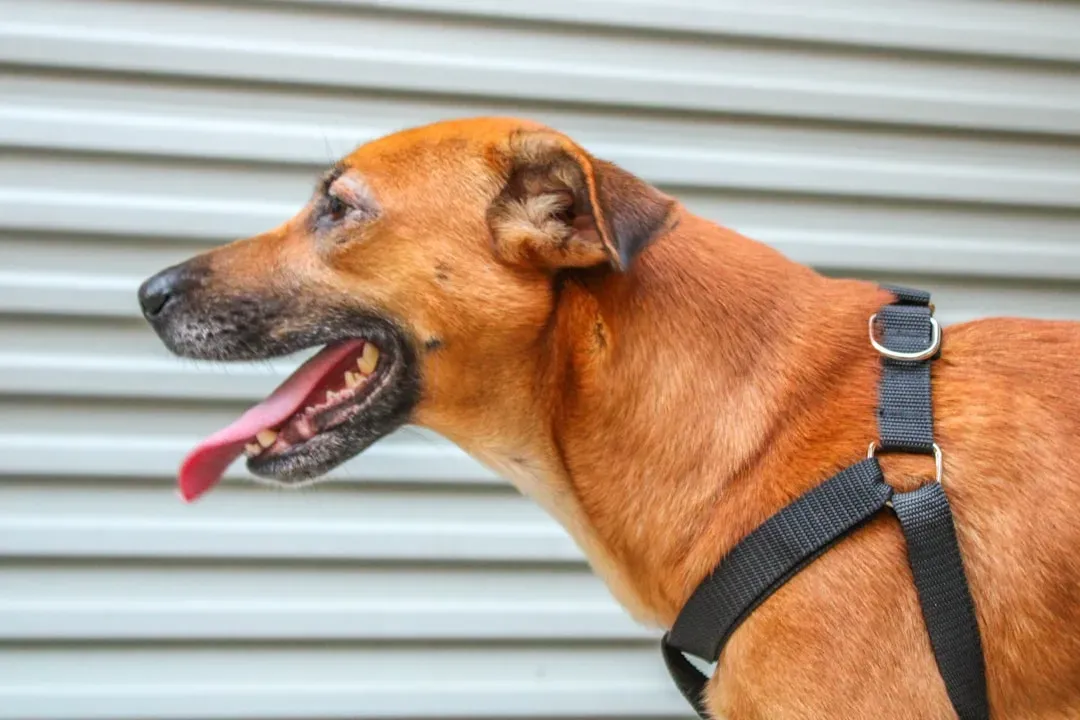
When your dog looks away from you, context matters, but the pattern is often the same: they are trying to keep things comfortable. If you’re leaning in close with a camera, your body might feel big and looming from a dog’s point of view, and the repetitive “pose, pose, pose” can be overwhelming. Looking away is them saying they are not challenging you and they’d love a little less intensity. It is a sign of politeness and de-escalation, not emotional distance.
You might also see your dog look away when you’re correcting them or when you’re upset, even if you are not shouting. People sometimes misinterpret this as guilt or stubbornness, but in reality, it’s often another calming signal. The dog senses your emotion and tries to dial the situation down by breaking eye contact, turning their head, or licking their lips. From their perspective, they’re trying to pour water on the fire. From ours, it can look like they are “ignoring” us, unless we know what we’re actually seeing.
How to Respond When Your Dog Uses Calming Signals
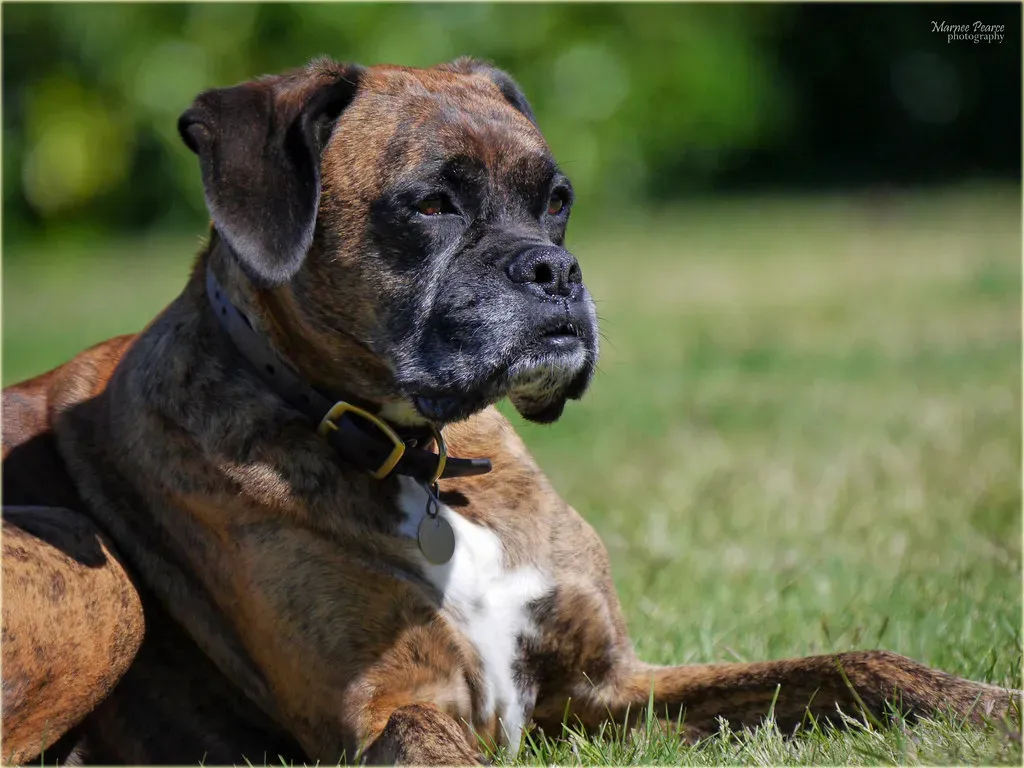
Once you spot your dog looking away in that soft, gentle way, the best thing you can do is respect the message. That might mean easing off the direct staring contest, leaning back a little, softening your own body language, or pausing before you push for more interaction. In practice, it can be as simple as turning your head slightly, blinking slowly, or even looking down and away for a second. To a dog, those moves are like saying, “Hey, I hear you. We’re good.”
When your dog realizes you respond to their calming signals, trust grows. They feel safer communicating subtly instead of having to escalate to growling or snapping to be heard. In training sessions, this awareness is huge. If your dog starts offering a lot of calming signals, it may be a sign that the session is too intense or confusing. Taking a short break, lowering the difficulty, or changing the environment can make training feel more like a game again instead of a high-pressure test.
Common Misunderstandings: “Guilt,” “Stubbornness,” and “Disobedience”
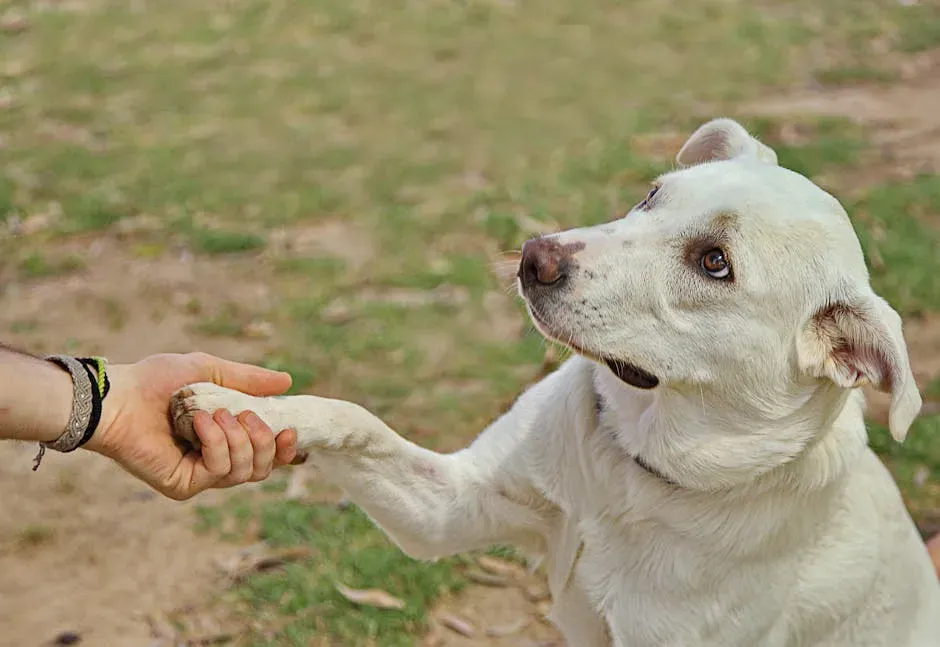
The famous “guilty dog look” that goes viral online usually shows a dog doing a whole cocktail of calming signals: looking away, turning the head, squinting, licking their lips, lowering their ears, or even yawning. People love to assume the dog “knows what they did,” but behavior science paints a different picture. More often, the dog is just reacting to the human’s tone, posture, and energy and trying to calm things down, not confessing to some moral crime.
Similarly, when a dog looks away during a cue like “sit” or “come,” owners sometimes jump straight to words like stubborn or defiant. It is worth pausing and asking: is the dog confused, stressed, or overwhelmed? Are there distractions? Is my body language intense without me realizing it? Interpreting calming signals as defiance can push people toward harsher methods that only make the dog more anxious. Seeing them instead as information opens the door to kinder, more effective communication.
Building a Deeper Bond by Learning to “Listen With Your Eyes”
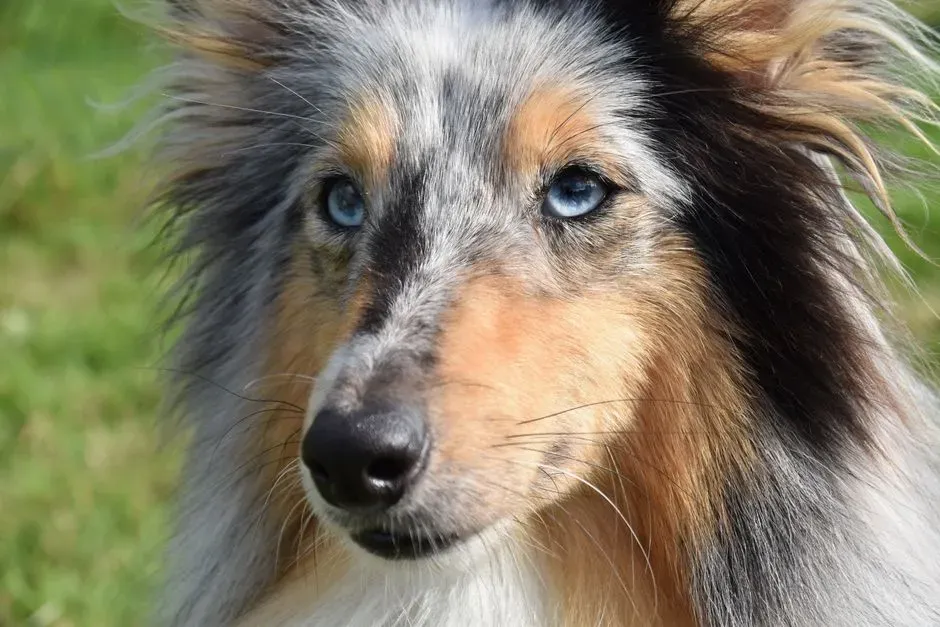
Once you realize that looking away is a documented calming signal, you start to notice how much of your dog’s “personality” is actually nuanced body language. I remember sitting on the floor with a rescue dog who had clearly had a rough past; every time I looked straight at him, he’d glance away and lick his nose. Instead of pushing closer, I copied him: I turned my head a bit, blinked slowly, and waited. Over a few days, that dog started to seek out my gaze on his own terms. It felt less like I had trained him and more like we had negotiated a shared language.
That is the real gift hidden inside this small behavior. When you treat your dog’s calming signals as meaningful communication instead of shrugging them off, you stop forcing human expectations onto a non-human species. You start to see them as they are: a social, sensitive animal doing their best to keep the peace in a world that often feels loud and confusing. That shift in perspective can turn everyday moments, like a quick look-away on the couch, into proof that your dog is not avoiding you at all – they are working hard to stay safe, connected, and kind.
Conclusion: Stop Taking It Personally – Start Taking It Seriously
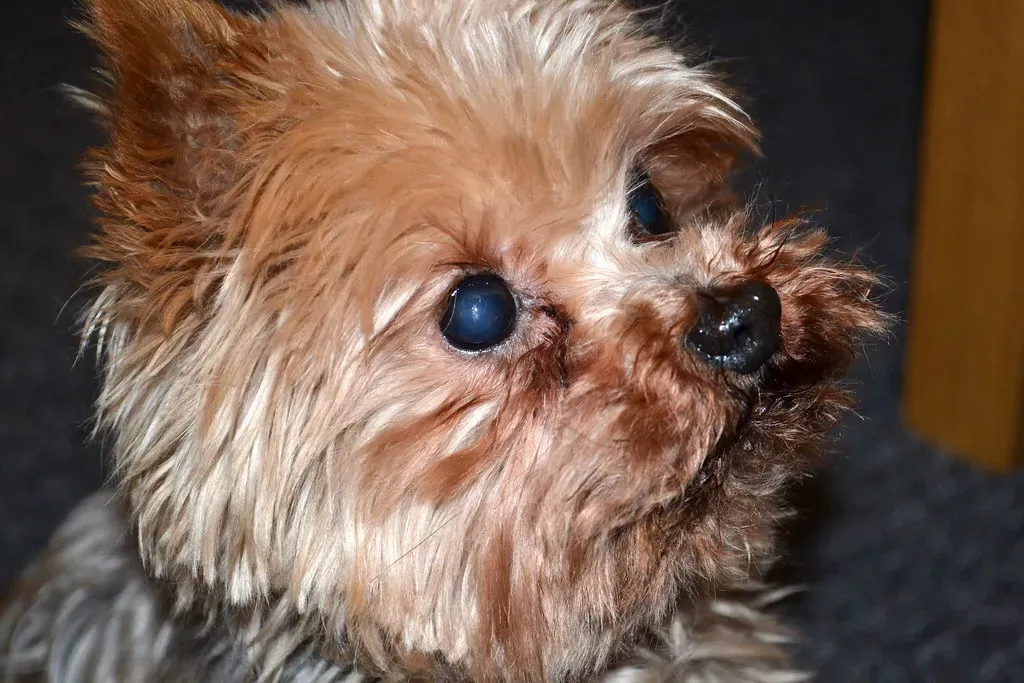
I think we underestimate dogs when we assume every look-away is boredom or disinterest. To me, the opposite is true: a dog who calmly glances away from your stare is showing social maturity, not emotional distance. They are using one of the most powerful tools they have to keep the relationship gentle instead of intense. Ignoring that message is like talking over a friend who keeps trying to tell you they’re uncomfortable. You might still get what you want in the moment, but you lose something in the bond.
If we truly love dogs, we owe it to them to learn their language instead of forcing them to live entirely in ours. Recognizing that looking away is a calming signal changes how you interpret your dog’s behavior: suddenly what felt like rejection becomes reassurance, and what looked like guilt turns into evidence of sensitivity. In my view, that shift is not just cute trivia; it’s a quiet revolution in how we relate to our animals. Next time your dog looks away when you stare, will you see a snub – or a small, polite act of peacekeeping?


