
Walk into an animal shelter on any weekend, and you’ll see the irony up close: some of the most affectionate, eager-to-please dogs are exactly the ones that make insurance companies nervous. In the United States, certain breeds trigger extra paperwork, higher premiums, or even outright exclusions from homeowner and renter policies. To a dog lover, it can feel unfair, even a little insulting, especially when your own dog is a couch potato who is more interested in snacks than security duty.
Yet these lists and restrictions did not appear by accident. They grow out of a blend of liability concerns, old bite statistics, media-fueled fear, and a desire by insurers to minimize risk. The problem is that these broad rules often treat all dogs in a breed as if they share one personality, ignoring training, socialization, and environment. Understanding which breeds are commonly flagged – and why – can help you navigate coverage, advocate for your dog, and maybe even push back on policies that feel out of step with reality.
Pit Bull–Type Dogs (American Pit Bull Terrier, American Staffordshire Terrier, Mixes)

If there’s one category that almost always shows up on “restricted breed” lists, it’s pit bull–type dogs. Insurers tend to group several related breeds and mixes under this label, often citing historical use in dog fighting, strong bite power, and a higher share of reported severe bite incidents in some datasets. That combination has made them the poster child for risk in the eyes of underwriters, even when individual dogs have never shown a hint of aggression.
The reality on the ground is far more nuanced. Many pit bull–type dogs are gentle family pets, therapy dogs, and goofy companions who just happen to have muscular builds and blocky heads. But because of how they look, landlords and insurers may treat them as walking liabilities. I’ve personally fostered a pit mix who was terrified of butterflies yet automatically landed my friend on a “no coverage” list with one carrier. That gap between stereotype and individual behavior is exactly why so many advocates push for evaluations based on temperament, not breed label.
Rottweiler
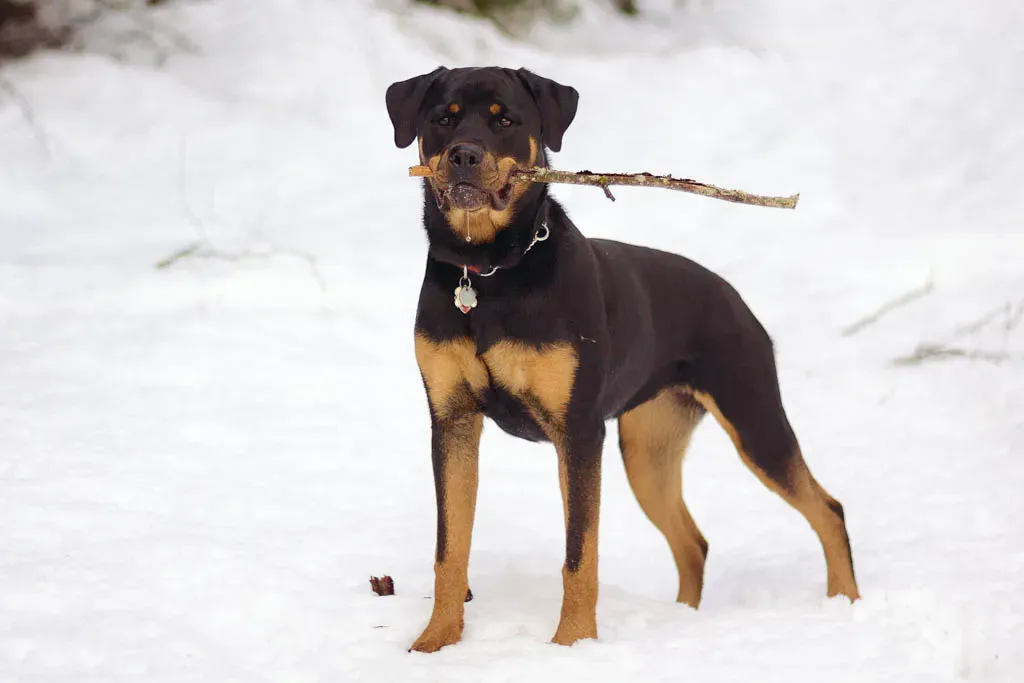
Rottweilers often end up near the top of insurance blacklists, largely because they’re big, powerful, and traditionally used as guard or protection dogs. When you combine size, strength, and a reputation for defensive behavior, underwriters worry that any bite incident will be severe and expensive. Historical claims data has sometimes linked Rottweilers with serious injuries, and that sticks in the minds of risk managers.
What those spreadsheets can’t measure is context. A Rottie raised with consistent training and firm but kind boundaries is usually calm, loyal, and predictable. The trouble is that a minority of poorly socialized, badly handled dogs can tilt the statistics for the whole breed. To an insurance company that looks only at numbers, it’s easier to avoid Rottweilers altogether than to ask whether an individual dog has passed behavior assessments or obedience classes.
German Shepherd Dog
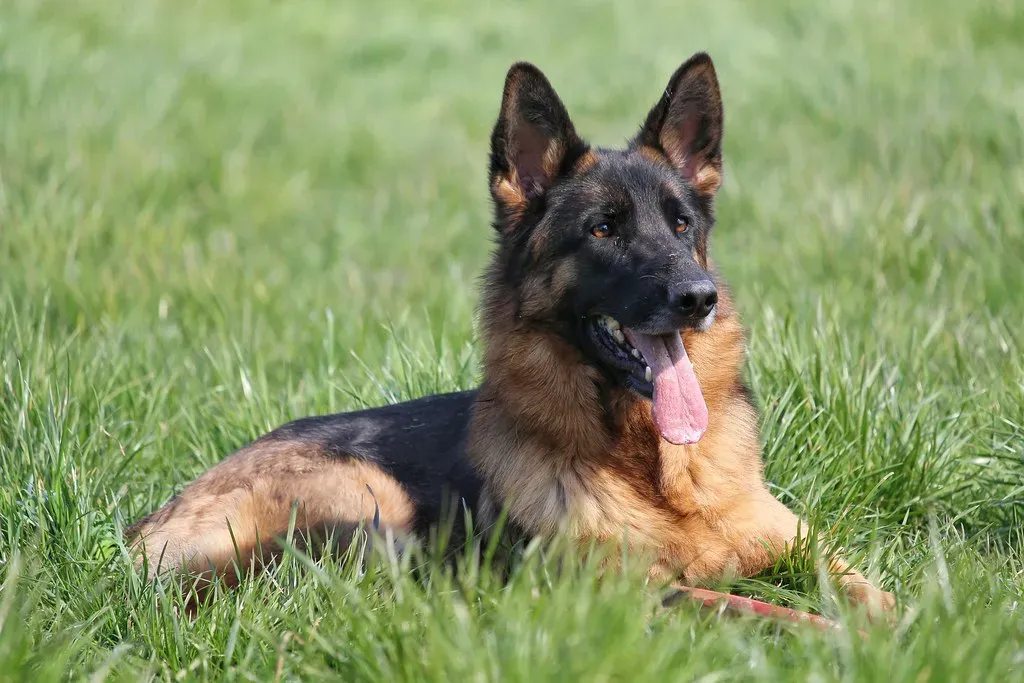
German Shepherds have a dual public image: trusted police and service dogs on one side, “beware of dog” signs on the other. That working-dog heritage – a natural guarding instinct, strong territorial drive, and high intelligence – makes insurers cautious. When these traits are channeled into training, they produce exceptional working partners. When they’re not, they can foster reactive or fearful aggression, especially toward strangers.
From a liability point of view, insurers worry about what can happen when a large, alert dog perceives a threat where there really isn’t one: a delivery driver, a maintenance worker, neighborhood kids cutting across the lawn. Yet many German Shepherd owners describe them as sensitive, almost velcro-like companions who stick close to their families and need mental stimulation more than they need to “guard.” The disconnect between the devoted family dog and the actuarial stereotype is huge, but policies still often treat every German Shepherd as if they’re on patrol duty.
Doberman Pinscher
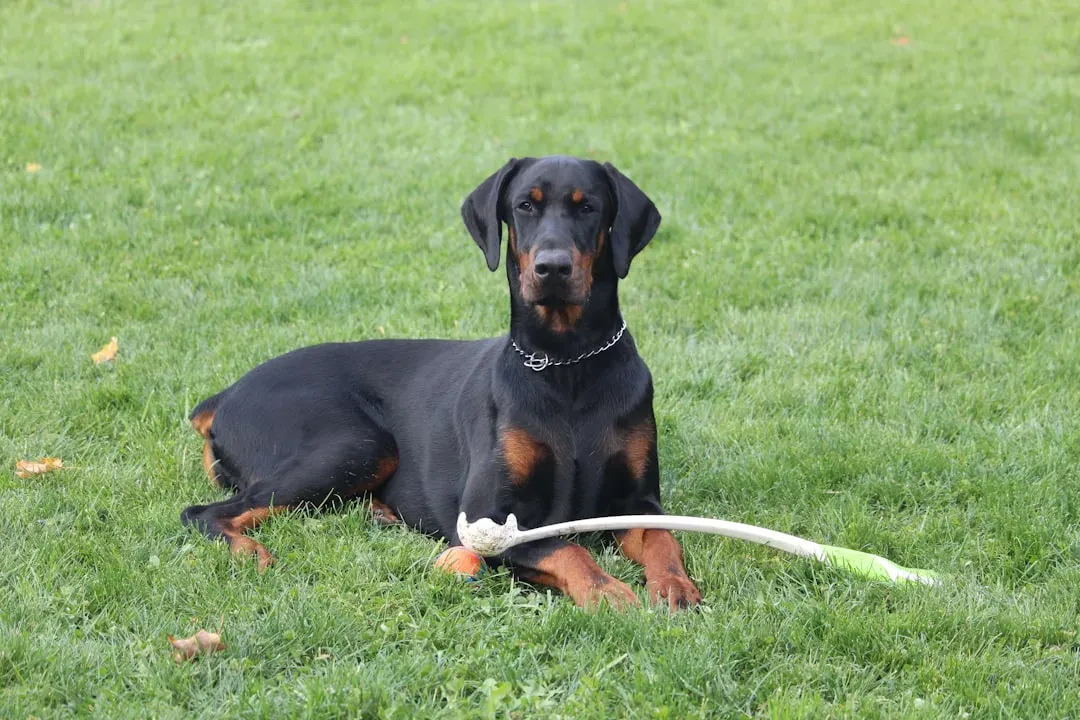
Just the silhouette of a cropped-and-docked Doberman has become shorthand in movies for danger and high-security estates. That image did not help their standing with insurance companies. Historically used as guard dogs and sometimes trained for personal protection, Dobermans are seen as high-drive, high-intensity animals who can inflict serious harm if something goes wrong. Some insurers still view them as “too much risk” regardless of their actual lifestyle.
In real homes, many Dobermans behave more like oversized shadows, following their people from room to room and thriving on close contact. They are often sensitive, highly trainable, and prone to anxiety if left without direction. The problem is that when a dog is both powerful and emotionally wired, poor handling or harsh training can backfire loudly. Insurers rarely differentiate between well-bred, well-trained Dobermans and those with iffy backgrounds, lumping them together in one “avoid if possible” group.
American Bulldog
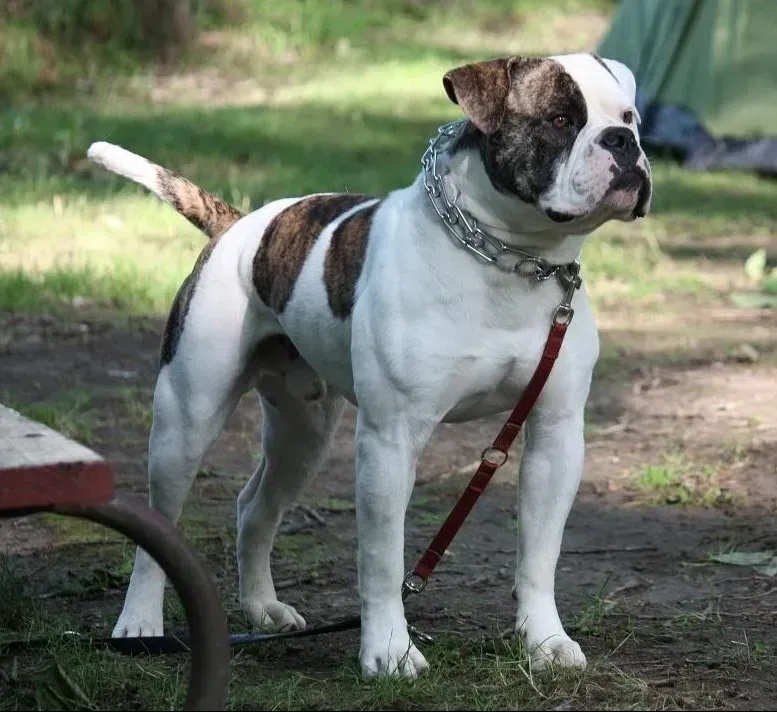
American Bulldogs look like powerhouses: broad chests, heavy heads, and an athletic, bulldog-like frame. Even when they’re wagging their whole rear end, that look alone can put insurers on edge. Because they share physical traits with some pit bull–type dogs, they often get swept into the same bucket on restricted lists, regardless of lineage or temperament. Some carriers treat them as an automatic red flag the moment the breed is disclosed.
Owners, on the other hand, tend to describe American Bulldogs as clownish, affectionate, and stubborn in an almost endearing way. As with many muscular breeds, they absolutely require consistent training and socialization; without that, their size can amplify even minor misbehavior. From a liability perspective, the concern is that one poorly managed dog can lead to an outsized claim. That risk-averse mindset keeps them on many “do not insure” or “surcharge” lists, even when individual dogs pose no more threat than any other large pet.
Akita

Akitas carry an ancient reputation as dignified, independent guardians. They were bred to be alert and protective, traits that translate into strong territorial instincts in modern homes. For insurers, that combination – large size, aloof demeanor with strangers, and a willingness to stand their ground – raises concerns about bites in situations where unfamiliar people enter the property.
What complicates things further is that Akitas tend to be less overtly social than, say, a Lab or Golden. They may tolerate strangers rather than gush over them, and subtle warning signals are easy for non-dog-savvy visitors to miss. From a human perspective, that can feel like living with a reserved, watchful roommate who rarely lets their guard down. From an insurer’s perspective, it looks like a risk profile: a strong dog that might respond decisively if pushed too far.
Chow Chow
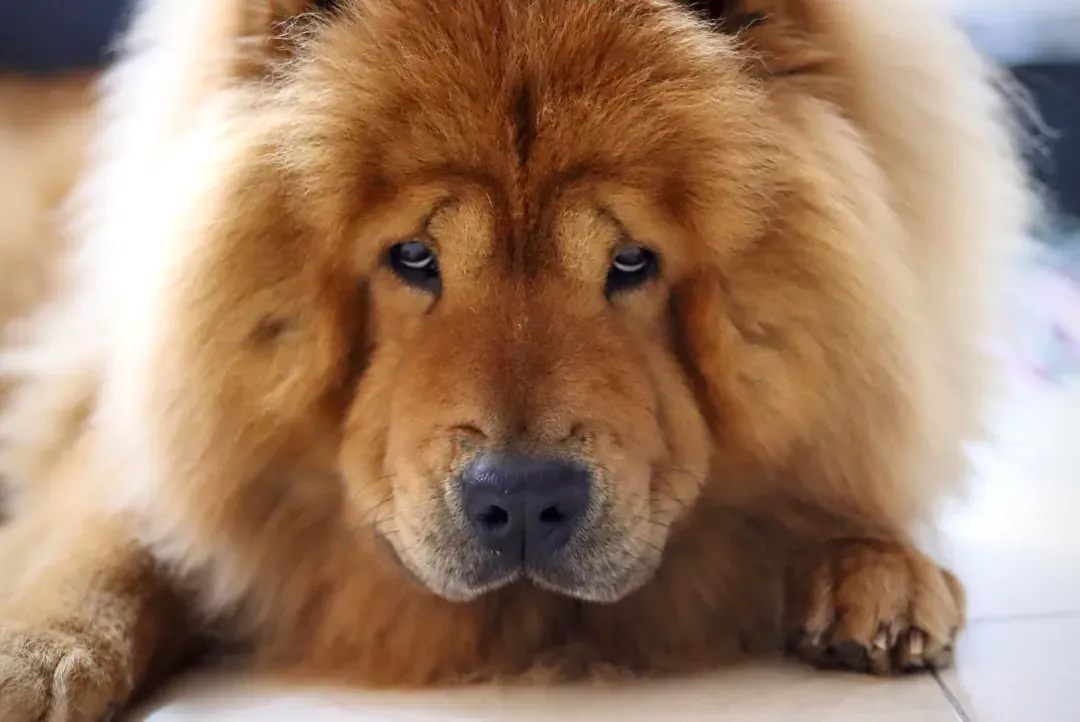
With their lion-like mane and blue-black tongues, Chow Chows look like walking stuffed animals, but their temperament is often closer to that of an independent cat. Historically, they were used as guard dogs, and many still have a strong impulse to protect their home and family. Insurance companies tend to flag them because they can be intolerant of rough handling, defensive with strangers, and difficult to read for people used to more expressive breeds.
A Chow that has been poorly socialized or mishandled can react quickly to what it perceives as intrusive behavior, such as hugging or looming over them. That can turn into a bite incident in a split second, especially with visiting children who do not recognize boundaries. Because liability claims can spike from even one serious bite, some carriers simply decide it’s safer to avoid Chows altogether. Owners who understand the breed’s need for respect and space often live incident-free, but they still pay the price of that broad-brush reputation.
Alaskan Malamute
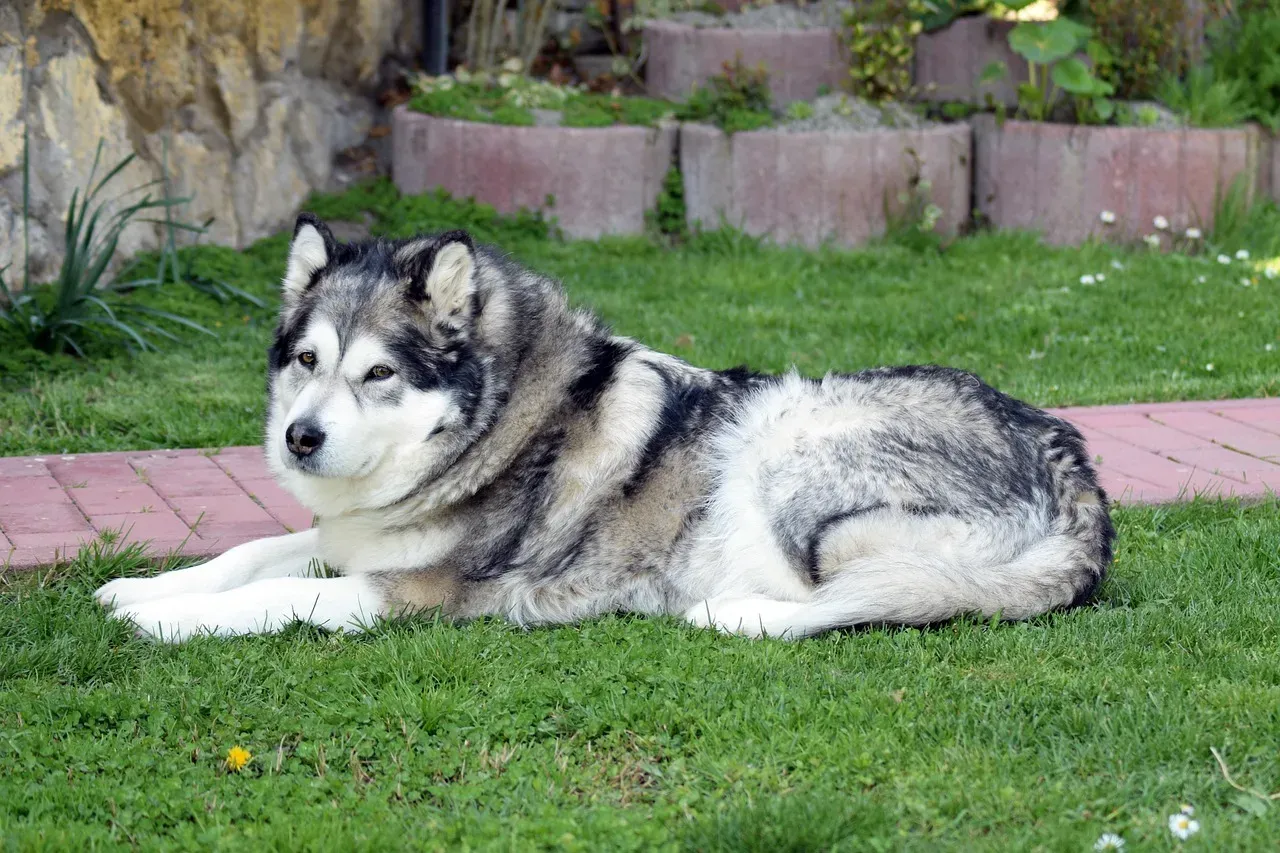
Alaskan Malamutes do not usually make the news for aggression, yet they appear on some insurance restriction lists. The reasoning is less about viciousness and more about size, strength, and stubborn independence. These dogs were bred to pull heavy loads across harsh terrain, which means they are powerful and sometimes headstrong. When something goes wrong – whether it is a bite or a knocked-over visitor – the consequences can be significant simply because of their bulk.
Many Malamutes are exuberant, social, and more likely to jump on you with muddy paws than to threaten you with teeth. Still, insurers look at the worst-case scenarios, not the average afternoon in a family living room. They worry about a large, energetic dog reacting poorly in a chaotic moment or chasing smaller animals, leading to injury and claims. As a result, some companies treat Malamutes as a borderline risk: not always outright banned, but often subject to tighter scrutiny or higher premiums.
Husky (Siberian Husky and Similar Types)

Huskies occupy a strange place on restricted-breed lists. To most people, they are the dramatic, talkative sled dogs of viral videos and snowy adventures. To some insurers, though, they are high-prey-drive, energetic dogs with a history of escape artistry and occasional bite incidents. Their tendency to run, chase, and test fences can turn into liability problems if they roam the neighborhood unsupervised.
Unlike breeds primarily developed for guarding, Huskies are generally friendly with people but can be rough players and intense chasers of smaller animals. If an off-leash husky barrels into a jogger or grabs a neighbor’s small dog, you have the kind of event that can trigger a claim. Insurers are not assessing whether Huskies are “good dogs” in a moral sense; they are evaluating whether the odds of a costly accident are higher than average. On that narrow scale, a strong, fast, escape-prone breed can look like a gamble.
Wolf-Dog Hybrids and Wolf-Like Breeds

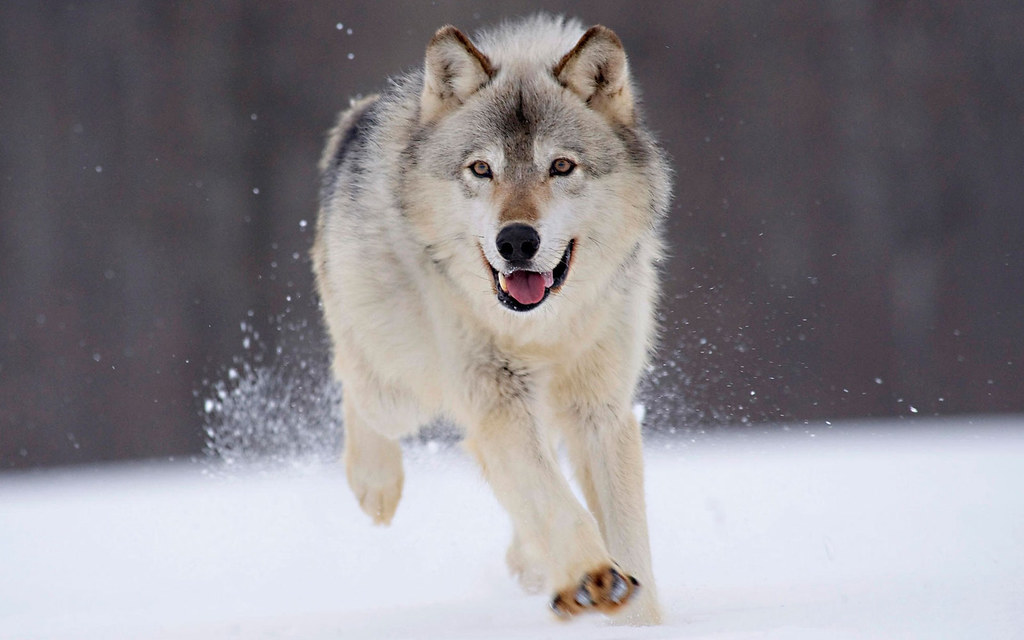
Few categories raise more red flags with insurers than wolf-dog hybrids. Some states heavily regulate or outright ban them, and many carriers will refuse coverage the moment they hear the word “wolf.” The concern is straightforward: animals with recent wild ancestry may behave unpredictably, have stronger prey drives, and respond differently to typical dog training methods. That unpredictability is the enemy of risk management.
Even pure domestic breeds that just look wolf-like – such as some northern spitz types – can attract extra questions if an insurer suspects hybridization. Owners sometimes argue, passionately, that their animals are shy, gentle, and no threat at all. But from the underwriter’s chair, any hint of wild lineage feels like playing with fire near dry brush. That fear keeps this group consistently at the top of “absolutely not” lists, regardless of how well-mannered any given pet might be.
Great Dane
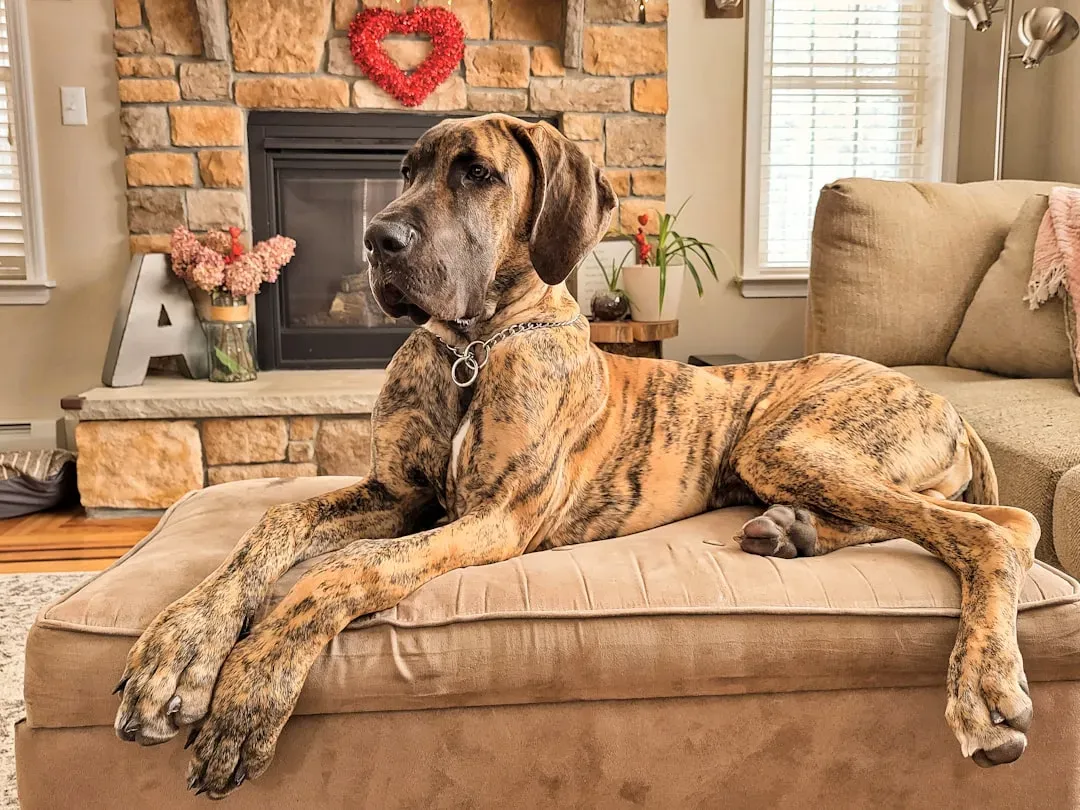
Great Danes are often described as gentle giants, and in many households they are exactly that: lanky, sofa-hogging sweethearts who lean rather than lunge. So why do some insurers hesitate? The simple answer is physics. When a dog weighs as much as many adult humans, even a playful bump or accidental knockdown can result in serious injury and, by extension, serious claims.
Add in the fact that a frightened or startled Great Dane has a powerful bite and reach, and insurers see more than a novelty-sized lap dog. They see medical bills, legal fees, and settlements if something goes wrong. I remember meeting a Dane who was terrified of loud noises; during one thunderstorm he barreled straight into a visiting relative, sending her sprawling. She laughed it off, but that kind of accident is exactly what keeps risk managers awake at night.
Boxer

Boxers are bouncy, expressive clowns, but they also appear on some restricted lists because of their boisterous nature, strong jaws, and protective streak. Historically, they were used as guard and working dogs, and that heritage still shows up as alertness and a willingness to intervene if they think their family is threatened. To an insurer, that can translate into concern about bites in chaotic or high-stress situations.
In everyday life, the bigger issue with many Boxers is over-enthusiasm rather than aggression. They can jump, mouth, and play roughly if not trained, which becomes a problem when visitors or children are involved. If a dog accidentally knocks down a delivery driver on a slick front step, the resulting injury does not care whether the intent was playful or defensive. That line between energetic and hazardous is thin enough that some companies prefer to step back and say no altogether.
Mixed Breeds Resembling “Banned” Types
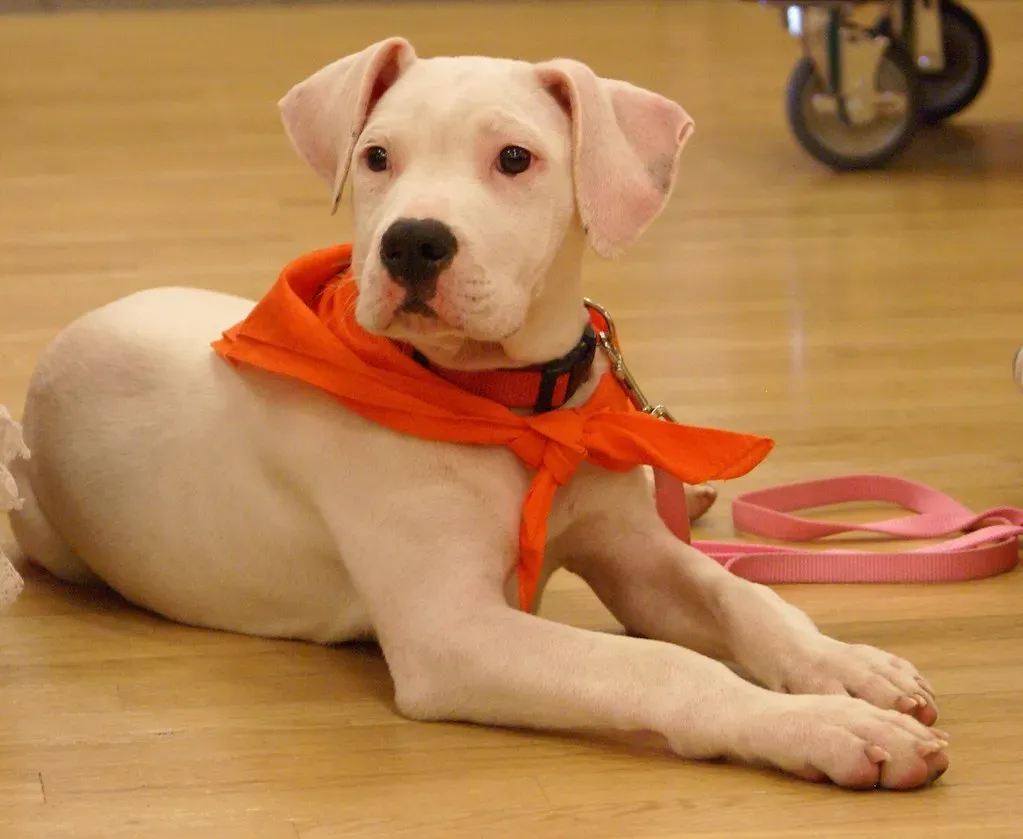
One of the most frustrating realities for dog owners is that even mixed breeds can land on an insurance blacklist if they look like one of the restricted types. A dog with a blocky head, muscular chest, and short coat might be labeled a pit bull mix regardless of its actual genetic makeup. Insurers rarely order DNA tests; they often rely on visual assessment or whatever breed description appears on vet records or shelter paperwork.
This means that two dogs with identical personalities can be treated completely differently just because one happens to resemble a stigmatized breed. For owners, it can feel like being punished for a dog’s silhouette rather than its behavior. For insurers, however, the calculus is brutally simple: if a dog looks like a type that shows up frequently in severe claim files, it is easier to assume the same level of risk rather than investigate further.
Presas, Cane Corsos, and Other Mastiff-Type Guardians
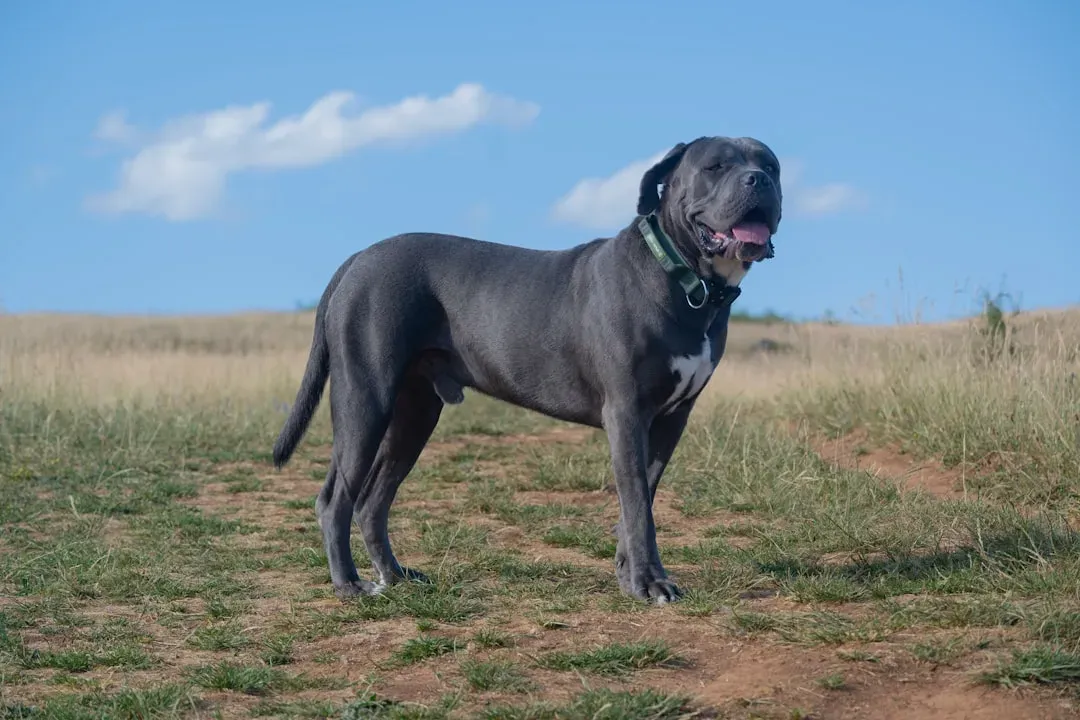
Large mastiff-type guardians – such as the Perro de Presa Canario, Cane Corso, and related breeds – often sit firmly on “do not insure” lists. They were originally bred as estate, livestock, or property guardians, meaning their default setting tends toward territorial awareness and a readiness to confront perceived threats. When something goes wrong with a dog of that size and power, the outcome can be devastating, which is exactly what insurers hope to avoid.
In the right hands, these dogs can be stable, serious companions, more reserved than reckless. The key phrase, though, is “in the right hands.” They demand experienced owners, careful socialization, and consistent boundaries, and even then they may not be suitable for busy suburban neighborhoods. Rather than parse that nuance, many carriers take a blanket approach and decline coverage whenever one of these breed names appears on an application.
Asian Guardian Breeds (Kangal, Central Asian Shepherd, Tibetan Mastiff)
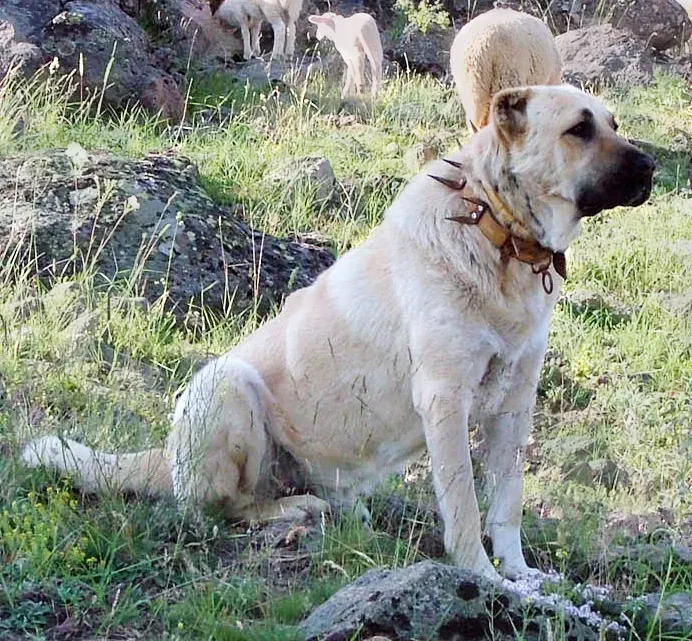
Asian guardian breeds may be less common in US suburbs, but when they do appear, insurers often react quickly. These dogs were created to guard livestock from serious predators, sometimes working independently over large territories. That heritage builds in an intense protectiveness, strong suspicion of strangers, and a physical presence capable of deterring wolves and other large threats. Transplanted into a modern neighborhood, those traits can spell trouble if not carefully managed.
To a homeowner who understands them, these dogs can feel like living security systems with a calm, almost regal demeanor toward their own family. To an insurance company, they look like a high-stakes gamble: rare, powerful, and potentially reactive if they perceive trespass or danger. Because there is less broad population data on some of these breeds, many carriers err on the side of maximum caution and put them in the same restricted category as more familiar guard types.
Why Insurers Target Breeds Instead of Behaviors
Stepping back from the list, the obvious question is why companies focus so heavily on breed instead of individual temperament, training, or owner responsibility. The blunt answer is that breed is an easy checkbox on a form, while real behavioral evaluation is messy, time-consuming, and hard to standardize. Insurers are not in the business of reading training logs or interviewing neighbors; they are in the business of predicting cost based on quick, simple data points.
The downside is that this approach punishes responsible owners and calm, well-socialized dogs who happen to belong to (or resemble) a stigmatized breed. It also gives a free pass to poorly managed dogs of “safe” breeds that rarely appear on lists. As someone who has seen a tiny, supposedly harmless dog send a visitor to urgent care, I find the obsession with a handful of breeds deeply flawed. Risk does not stop at the edge of a blocky head or a fluffy tail, no matter what an underwriter’s spreadsheet suggests.
Conclusion: The Real Risk Is Oversimplifying Dogs

these fifteen types of dogs not because they have secret insight into canine morality, but because they are chasing a simple story: certain breeds equal higher odds of expensive claims. That story is convenient, easy to code into underwriting software, and appealingly black-and-white. Unfortunately, real dogs do not live in that black-and-white world. They live in living rooms and backyards, shaped by training, socialization, genetics, health, and the competence of the humans who raise them.
In my view, breed lists are a clumsy tool that offload human responsibility onto canine labels. They make life harder for good owners and good dogs, while doing less than advertised to prevent bites and injuries. A smarter future would lean more on behavior-based screening, education for owners, and consequences for actual negligence, not for owning the “wrong” silhouette. Until then, if you share your life with one of these breeds, you are forced to become not just a caretaker, but an advocate. Which matters more in the end: the letters on your dog’s vet record, or the life you’ve actually built together?


