

You know that feeling when you are barely holding it together and, out of nowhere, your dog silently settles against you like a living weighted blanket? It can feel almost eerie, as if they know something you have not even said out loud yet. Many grieving dog owners describe this as one of the few things that gets them through the hardest days.
What is going on there is not magic, and it is not you imagining things. While research is still evolving, science is increasingly suggesting that dogs may be sensitive to the smell and behavior changes that come with intense emotions like grief. They do not understand loss the way humans do, but they can register that your inner world has shifted, and they often respond by literally changing how close they are to you.
The Science of Scent: How Dogs May Detect Hormonal Changes

One of the most fascinating ideas in this area is that dogs might be picking up on chemical changes in our bodies when we are grieving. Strong emotions like sadness, stress, and fear are linked to shifts in hormones such as cortisol and adrenaline, and these changes can subtly alter our body odor even if we have showered, changed clothes, and tried to pull ourselves together. Dogs have a sense of smell that is often described as tens of thousands of times more sensitive than ours, so what is invisible to us may be obvious to them.
Researchers have shown that dogs can be trained to detect changes related to conditions such as diabetes, some cancers, and seizures, all by smelling biochemical shifts. That does not automatically prove they can smell grief specifically, but it strongly suggests that when your hormones are all over the place after a loss, your dog is literally sniffing out that something is different. To them, your “grief scent” may become a recognizable signal that you are not okay.
Body Language and Micro‑Cues: Your Dog Reads You Like a Book

Scent is only part of the story. Grief often changes the way we move, speak, and interact in ways we may not notice ourselves. People in deep grief might move more slowly, talk less, avoid eye contact, or sit in the same spot for long stretches of time. Dogs are experts in reading human body language; they learn our daily rhythms like a script and notice quickly when anything breaks from the pattern.
Over time, your dog builds a mental library of what “normal you” looks and sounds like. When you suddenly become quieter, more withdrawn, or start crying more often, they may interpret that shift as a cue to adjust their own behavior. This is not them reading your mind; it is them reading your posture, your breathing, your tone of voice, and even how you put your keys down on the table. To a dog, those micro‑cues are as loud as a siren.
From Velcro to Distant: How Dogs Adjust Their Proximity
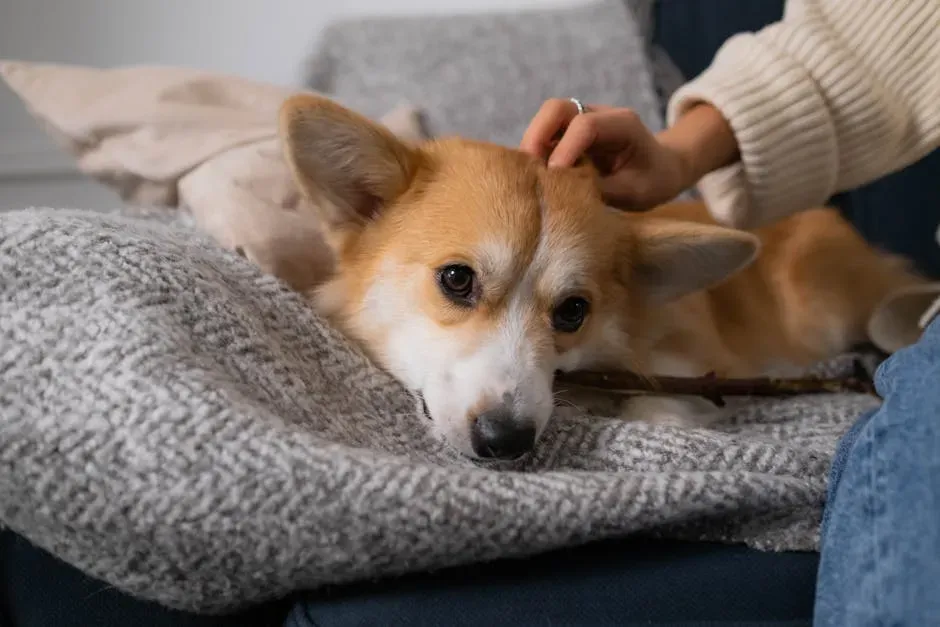
Many grieving owners notice their dogs becoming “velcro dogs” – following them from room to room, lying closer than usual, or even sleeping pressed up against their chest or legs. For some dogs, this extra closeness may be a way of seeking reassurance for themselves while also offering comfort to their human. Being physically close to you can be soothing for them too, almost like they are checking, over and over, that you are still there.
Interestingly, not all dogs respond with more closeness. Some become a bit more watchful from a distance, lying in the doorway or keeping you in sight but not forcing contact. This can be their way of giving you space while still staying on alert. It is similar to a friend who sits across the room quietly so you are not alone but also does not push you to talk. The instinctive part is not about a fixed rule of “always be closer” but more about adjusting position based on how they have learned you usually respond.
Attachment, Bonding, and Why Grief Hits Dogs Differently

The emotional bond between humans and dogs is not just sentimental language; it shows up in biology. When dogs and their owners interact in positive ways, both sides can show changes in brain chemistry associated with social bonding and attachment. That helps explain why your dog might be unsettled when you are in emotional pain: your distress interrupts a relationship that normally feels safe and predictable for both of you.
At the same time, dogs do not grieve in the exact human sense of reliving memories, replaying conversations, or worrying about the future. Their emotional experience is more anchored in the present. They may notice that someone is missing, routines are broken, and you are different. The result is that they can look confused, clingy, quieter, or occasionally disruptive. They are reacting to a world that suddenly feels “off,” just like you are, but through the lens of a different nervous system.
Comfort or Co‑Regulation? How Dogs Help Calm Grieving Humans
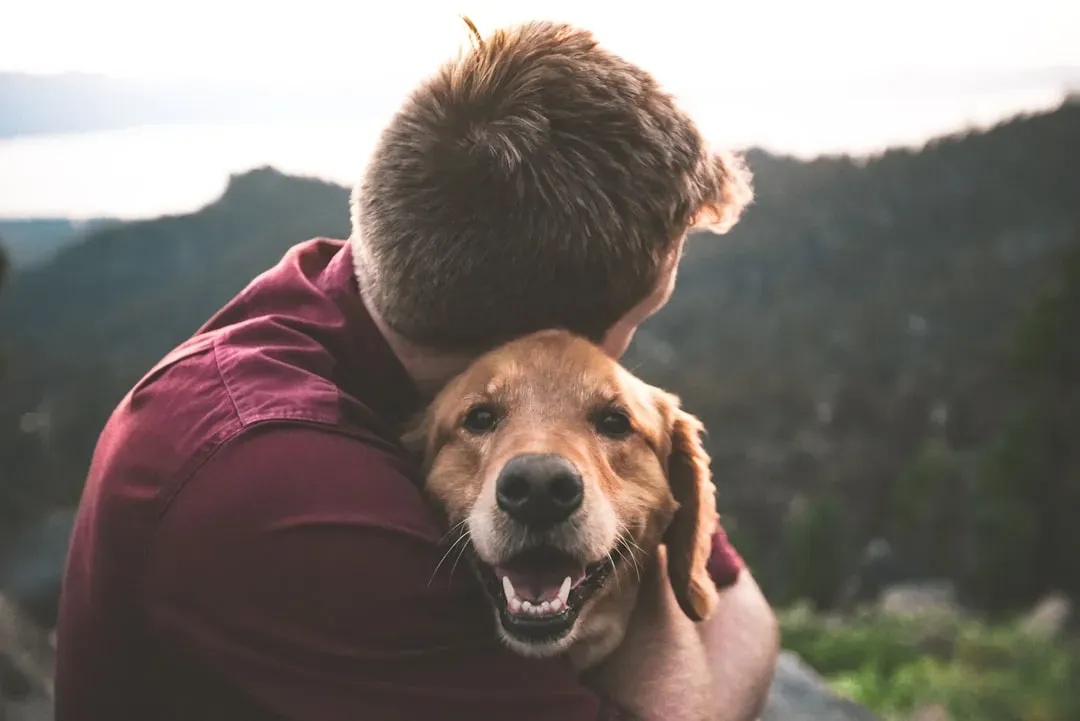
When a dog moves closer to you during grief, it is not only emotionally comforting; it can have physical effects on your body. Touching or even just being near a familiar, calm animal can help slow your breathing and reduce the sense of being flooded by emotion. For many people, focusing on a dog’s steady breath, warm body, or small routines like feeding and walking becomes a lifeline that keeps them grounded when everything else feels out of control.
Psychologists sometimes use the term co‑regulation to describe how one nervous system can help another settle. Your dog is not consciously thinking in those terms, but their presence and proximity can gently nudge your body toward a calmer state. In my own life, I have had days where grief made it feel impossible to get out of bed, and the only thing that got me moving was my dog nudging my hand because it was time to go outside. In a way, he pulled me back into the world simply by needing me.
Why Some Dogs Seem to “Overreact” to Grief and Stress

Not every dog becomes a quiet guardian when their owner is grieving. Some dogs respond with what looks like overexcited or anxious behavior: pacing, whining, panting, or even acting out. This does not mean they do not care; in many cases, it is the opposite. They may be feeling the tension and change but do not know what to do with that energy, so it spills out as restlessness or clinginess that can be overwhelming when you are already raw.
Think of it like having a friend who loves you deeply but panics when you cry and starts talking nonstop because silence feels unbearable. These dogs might benefit from extra structure, predictable routines, and calm reassurance during your grieving period. Sometimes the kindest thing you can do for both of you is to keep regular walk times, simple training games, and moments of gentle affection, so they have a stable script to follow while your emotions are anything but stable.
Practical Ways to Support Your Dog While You Grieve

When you are grieving, it is easy to feel guilty for not being the playful, energetic person your dog is used to. The good news is that you do not need to be perfect; you just need to be consistent in small ways. Keeping familiar routines, even in a stripped‑down form, sends your dog a message that life still has a rhythm. A shorter walk at the usual time is often better than no walk at all, both for their sake and for your own nervous system.
You can also give your dog clear “jobs” that channel their instinct to stay close. Let them lie next to you on the couch while you watch something mindless, or encourage them to rest their head on your lap when you are struggling to sleep. At the same time, if you need a bit of space, it is okay to gently guide them to a nearby bed or mat and reward them for staying there. You are allowed to both accept their comfort and set boundaries, even in the middle of heartbreak.
What This Says About Our Relationship With Dogs
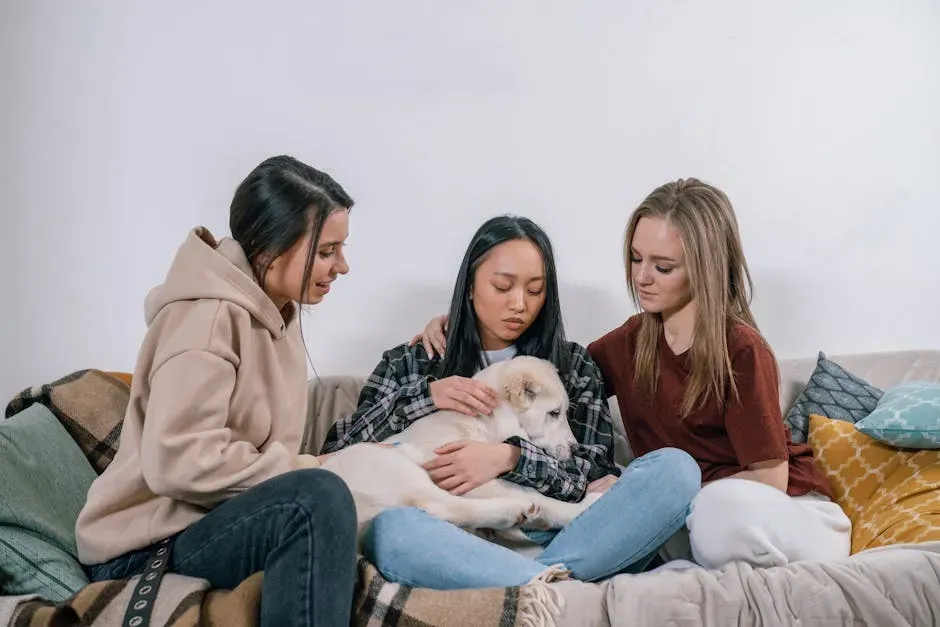
The idea that dogs can sense hormonal shifts and adjust their proximity during grief says as much about us as it does about them. We have selectively bred and lived alongside dogs for thousands of years in a way that rewards them for paying close attention to human states. The modern dog is almost like a living emotional mirror that picks up subtle changes and reflects them back through their behavior.
At the same time, there is a danger in romanticizing this too much or treating your dog as an emotional therapist whose sole job is to absorb your pain. Dogs can be incredibly attuned, but they also have their own needs, limits, and stress responses. The most honest, healthy version of this bond is not one where your dog “fixes” your grief, but where both of you move through a hard season together, each affecting the other in quiet, powerful ways.
Conclusion: An Opinionated Take on Dogs, Grief, and What We Owe Them
To me, the most striking part of all this is not the possibility that dogs can smell hormonal changes or detect grief chemically, although that is fascinating. What stays with me is how they choose to respond once they sense that something is wrong. They do not offer advice, they do not ask you to be stronger, and they do not tell you to “move on”; they simply come closer or stay watchful, adjusting their distance the way a good friend might adjust their voice. That quiet loyalty feels almost radical in a world that often rushes grief along.
If our dogs are this tuned in to our inner storms, then we owe them more than just gratitude; we owe them presence in return. That might mean showing up for the boring daily walk when you would rather hide, or getting curious about their stress signals instead of brushing them off because you are hurting. In the end, the real miracle is not that dogs can sense our grief, but that they stay with us in it without asking us to be anything other than exactly as broken as we are in that moment. When you think about it that way, who is really comforting whom?


