
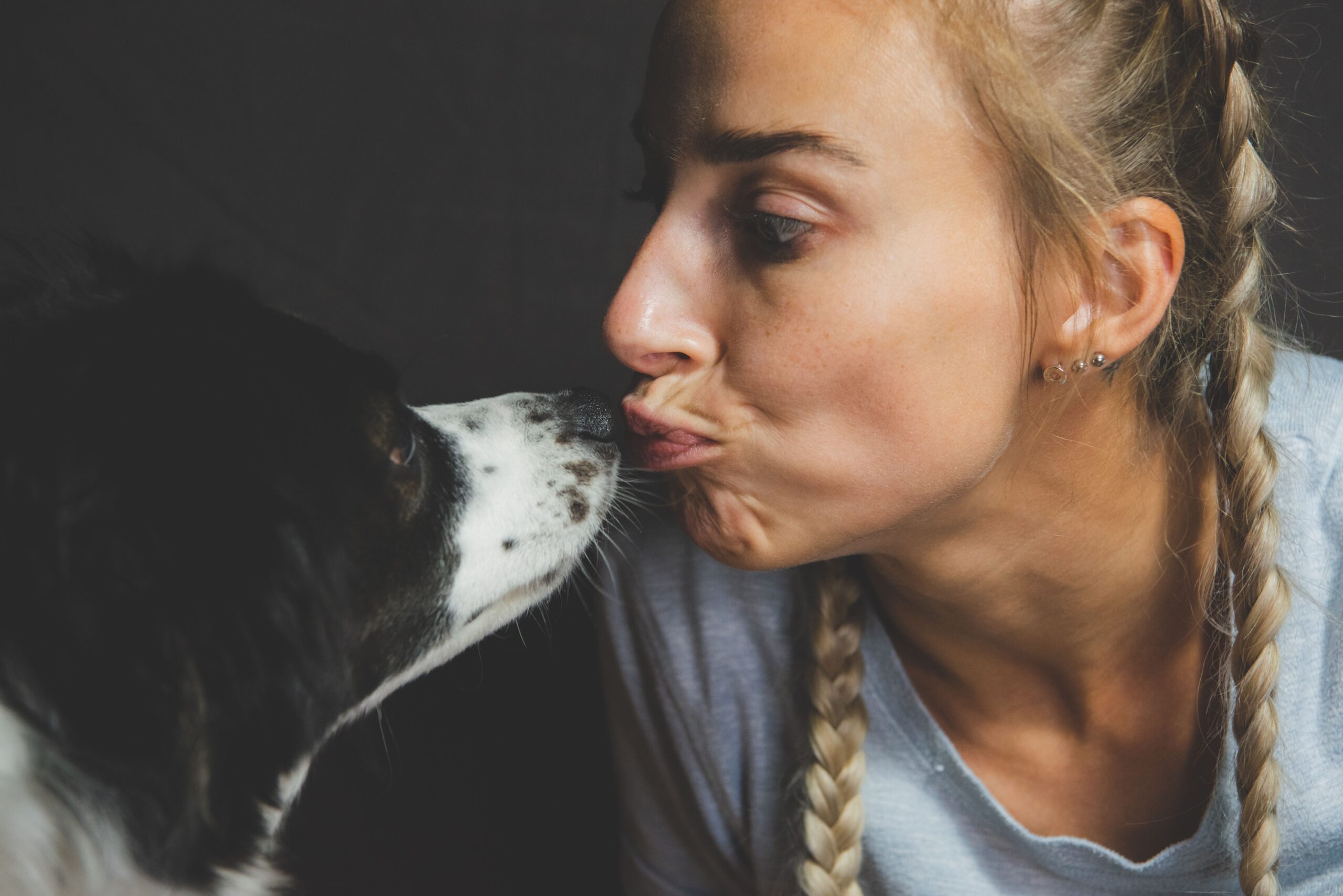
Most of us like to believe our dogs love every single thing about us, from our laugh to our worst hair days. But science suggests there’s at least one part of us they scrutinize pretty hard: our faces. Carefully controlled experiments have shown that dogs can tell the difference between happy and angry human expressions, and they consistently treat angry faces as something to avoid, even when they cannot see the rest of the body.
That sounds dramatic, but it actually fits with what many dog owners quietly suspect: our mood does not just change the vibe, it changes how our dogs feel in their own skin. Understanding how your dog reads your face is not just a cute curiosity. It is a window into how their brain, emotions and survival instincts are wired – and it might make you think twice about what you are silently “saying” to your dog every time your eyebrows pull together.
How Scientists Test Whether Dogs Recognize Human Emotions
It is one thing to say your dog seems upset when you frown; it is another to prove it in a lab. Researchers typically use controlled images of human faces showing different emotions, such as happiness and anger, and present them to dogs on screens or printed panels. The rest of the body is removed or hidden so that only the face is visible, which strips away obvious cues like posture, hand gestures, or looming movements.
Dogs are then trained to perform simple tasks, like touching or looking longer at one image over another, so scientists can see which faces they prefer or avoid. In some experiments, dogs learn that choosing a particular expression leads to a reward, and then researchers subtly change things – new people, new angles, even half faces – to see if the dog still understands which emotion they are looking at. When dogs continue to respond differently to happy versus angry faces under these controlled conditions, it becomes very hard to write it off as coincidence or owner bias.
Why Angry Faces Are Uniquely Aversive to Dogs

What stands out in these studies is not just that dogs notice emotional differences, but that angry human faces are consistently treated as something negative. Dogs tend to approach happy faces more readily, while they hesitate, look away, or avoid angry ones, even when they have never met the person in the photo. The rest of the body is often cropped out, which means the message is coming from specific facial features – narrowed eyes, tense mouth, wrinkled brows – not from overall threatening posture.
From an evolutionary perspective, it makes sense that dogs would be tuned to pick up on early warning signs of human aggression. They have lived alongside us for thousands of years, and for a dog, misreading an angry person could be dangerous. So an angry face basically becomes a big red flag saying: something is wrong, stay cautious. Your dog is not “dramatic” when they turn away from your glare; they are acting on a deeply learned survival rule.
The Hidden Role of Domestication and Evolution
Dogs are not just wolves who moved indoors; they are a species that has evolved in tight partnership with humans. During domestication, dogs that were better at reading human signals – gestures, tone of voice, and eventually subtle facial expressions – likely had a serious advantage. They got fed more, punished less, and were kept close instead of driven away. Over many generations, that kind of selection pressure adds up, shaping both brain and behavior.
What is especially striking is that dogs seem to handle human faces in ways that even our closest relatives, like chimpanzees, struggle with in similar tasks. A dog’s world revolves around people to a degree that is almost strange when you step back and think about it. So of course their brains have become finely tuned to human social cues, and our faces – and the emotions they broadcast – are at the center of that social radar.
Facial Expression, Tone of Voice, and Body Language: A Three‑Way Conversation

Real life is messier than a lab screen, and your dog is not relying only on your smile or frown. They are also listening to your tone of voice and watching your body posture. In everyday situations, these three channels are constantly mixing together: a sharp face, a clipped voice, and fast, jerky movements send a very different message than a gentle smile, soft tone, and relaxed shoulders. Dogs likely integrate all of this into a single emotional “read” of the moment.
That is why you may see confusion when your signals are mixed – for example, if you are smiling but your voice is tense, or you are laughing but physically blocking a doorway. Dogs are good at pattern recognition, and when your face says one thing and your body says another, you can almost see them hesitate, as if asking, “Which part should I believe?” Angry facial expressions weigh heavily in that mix, often tipping your dog toward caution, even if your words sound relatively calm.
Living with a dog forces you to notice just how often humans send emotional “static” without realizing it. Maybe you are scrolling your phone, jaw set and eyebrows tight from work stress, while your words to the dog are affectionate. Many dogs will pick up the tension in your face and subtly adjust – moving a little farther away, stretching their body posture lower, or offering appeasement behaviors like lip licking or turning their head to the side. They are not being disobedient; they are trying to stay safe in what feels like a slightly unstable emotional weather system.
How Your Dog Reacts When Only Your Face Is Visible
One of the most intriguing parts of this research is that dogs do not seem to need your whole body to understand when you are upset. When only your face is visible – as in photos, video calls, or someone peering in from a doorway – dogs still tend to respond more cautiously to angry expressions. That means key information is carried in small details: the shape of your eyes, the tightness around your mouth, the way your brow shifts downward.
I have noticed this with video calls. A calm, smiling call gets my dog to wander over, tail loose and soft, as if a friend walked in the door. But if I am intensely focused, squinting at a screen or frowning at something I am reading, he often stays on his bed, watching more than approaching. The rest of my body barely moves, but my face is doing all the emotional shouting.
Common Misinterpretations: “Guilty” Dogs and “Stubborn” Behavior
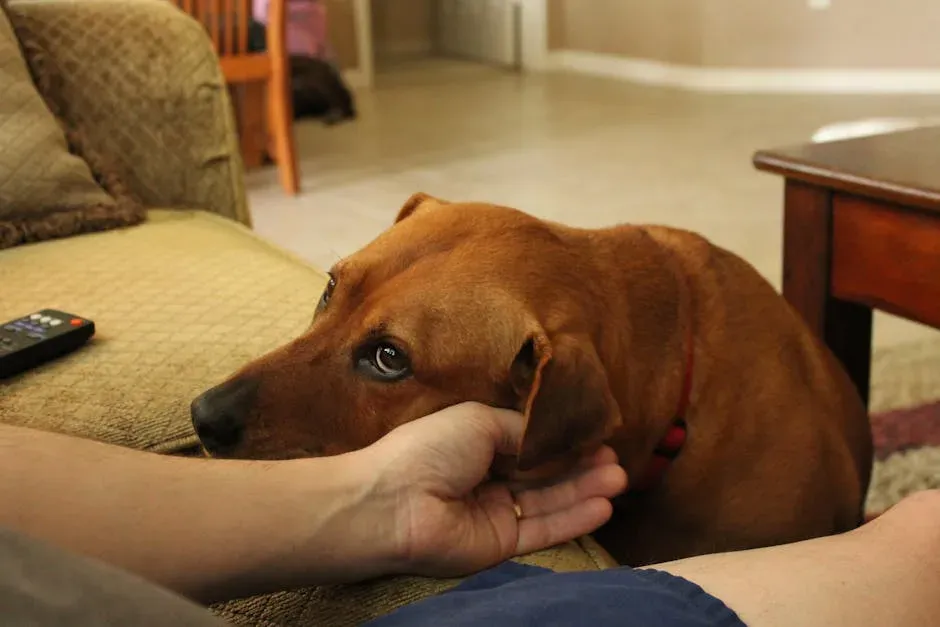
Many of the classic “my dog knows they did something wrong” stories can be reinterpreted through this lens. Often, the so‑called guilty look – ears back, avoiding eye contact, cowering slightly – shows up not because the dog understands the moral meaning of chewed shoes, but because your face and body are screaming anger. By the time you walk in, see the mess, and whip your head around with a furious expression, your dog’s brain has already filed that face under “dangerous, back off.”
Labeling that as guilt can be comforting for humans because it matches our narrative about rules and consequences. But from a dog psychology perspective, it is more likely they are reacting to the emotional storm in your face and voice, not to a rational understanding of what was done three hours ago. The dog is not playing mind games; they are simply trying to diffuse a tense situation with appeasement gestures that worked at other times when humans looked and sounded angry.
Practical Ways to Use This Knowledge in Everyday Training
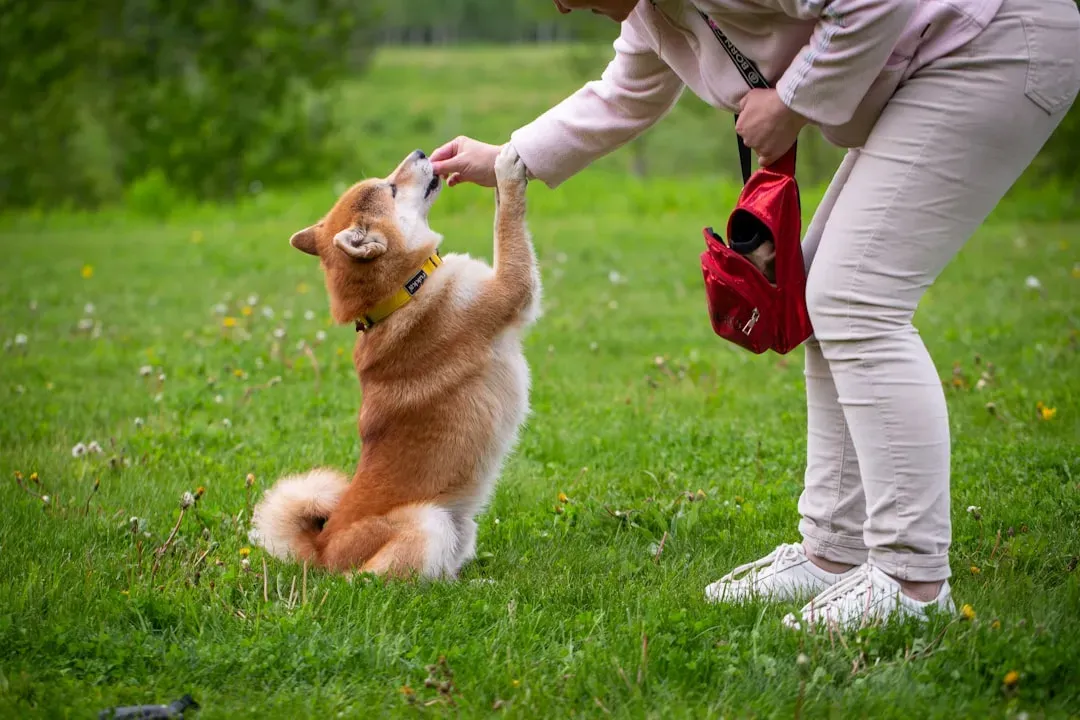
Once you accept that your face is a powerful training tool, it becomes easier to adjust your expectations and your approach. If you are trying to teach something new, deliberately soften your facial expression: relaxed eyes, gentle mouth, maybe even an exaggeratedly pleasant expression. Pair that with a warm tone and slow, confident body movements, and you are giving your dog the emotional version of a green light. They are far more likely to experiment and offer new behaviors when they do not feel like they are walking through a minefield.
On the flip side, if you catch yourself scowling, jaw clenched, and shoulders up around your ears, it might not be the best time for a difficult training session. In those moments, any mistake your dog makes lands in the shadow of your angry face, whether you intend it or not. Sometimes the kindest, most effective training decision is to pause, reset your own emotional state, and come back when your face can match the calm, patient message you think you are sending.
What This Reveals About the Human–Dog Bond
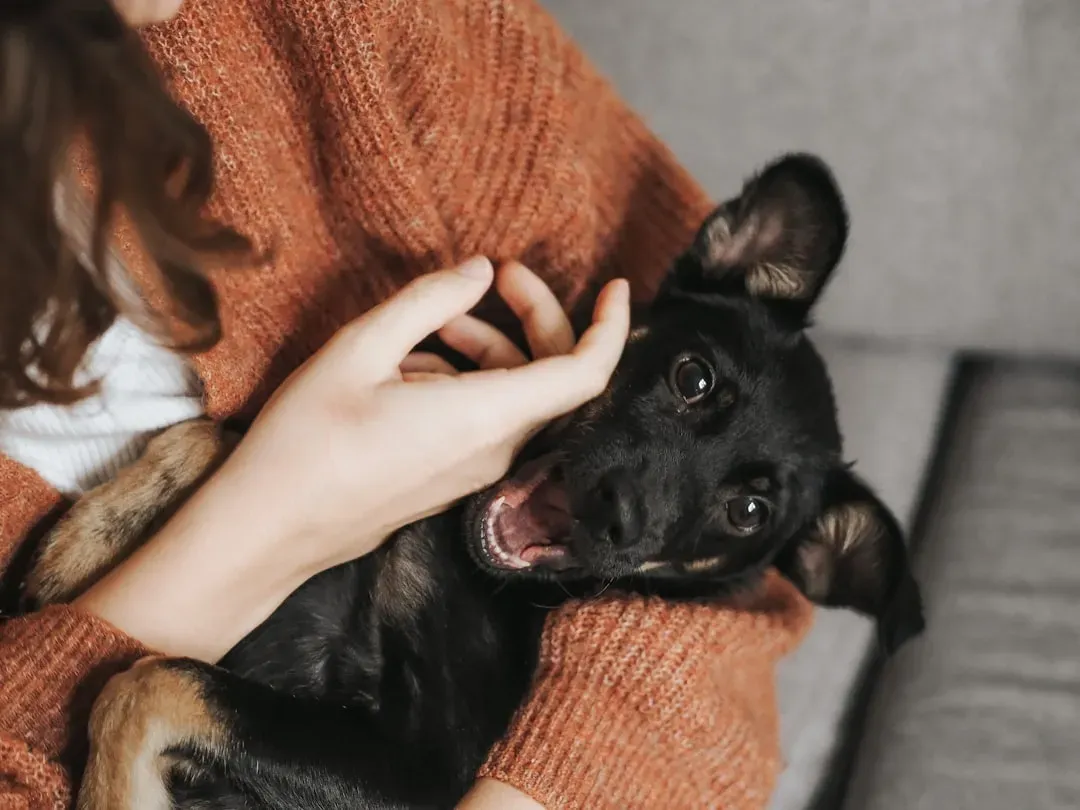
The fact that dogs can read angry human faces as reliably aversive is not just a fun science trivia bit; it is a mirror held up to the relationship we have built with them. They are so invested in our emotional world that our facial muscles can change their behavior in a heartbeat. That is an enormous amount of power for any species to hold over another, especially one that depends on us for food, safety, and affection.
In a strange way, the sensitivity dogs show to our anger is a backhanded compliment. It suggests they care enough about our feelings that they have built an entire internal alarm system around them. But it also means that chronic anger, constant stress, and harsh expressions can quietly erode trust over time, even if you never raise a hand or shout loudly. A dog that spends most of its day trying to avoid a frowning human is not living the life we like to imagine when we call them family.
Conclusion: Your Face Is Part of Your Dog’s World – Use It Wisely
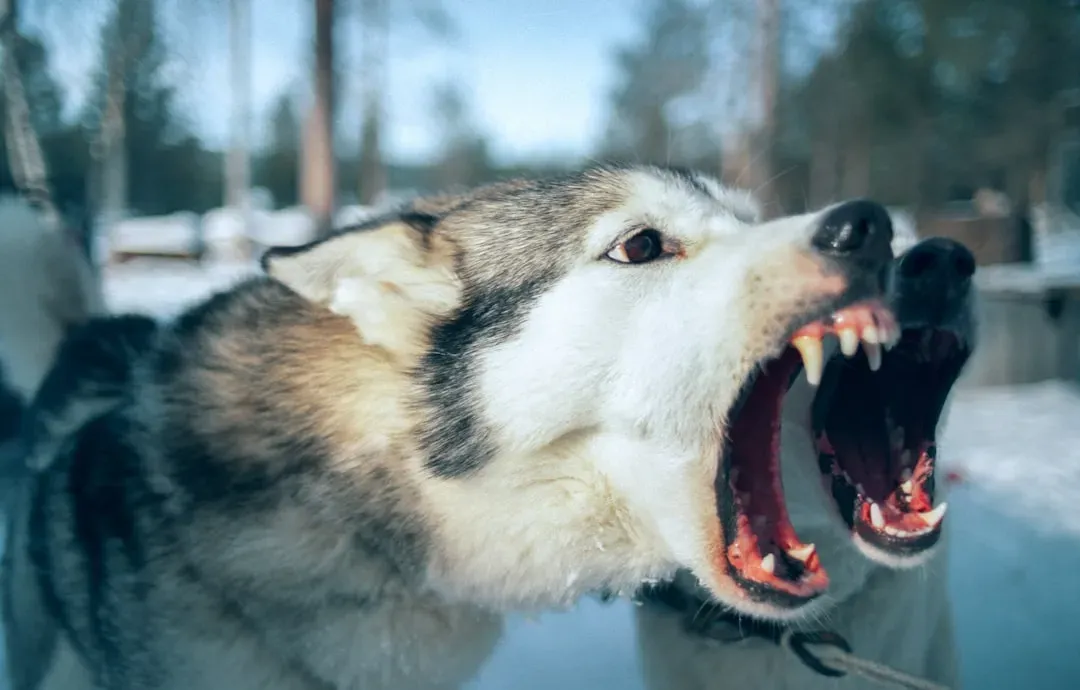
Here is the uncomfortable, opinionated truth: if your dog consistently sees you with an angry face, you are not just having a bad day; you are shaping their emotional landscape. The science is clear that dogs can tell the difference between happy and angry human faces, and they treat anger as something to avoid, even when all they can see is your expression floating above a still body. Pretending that does not matter because “they will get over it” is, in my view, a way of dodging responsibility for the power we hold.
We like to say dogs are part of the family, but families pay attention to how their expressions and moods land on the people they love. If your dog is reading your face like a weather forecast, you owe it to them to notice what you are broadcasting. That does not mean never feeling anger; it means recognizing that every narrowed eye and clenched jaw is part of the story your dog is living with you. The real question is simple: what kind of story do you want their face to tell when they look back at you?


