
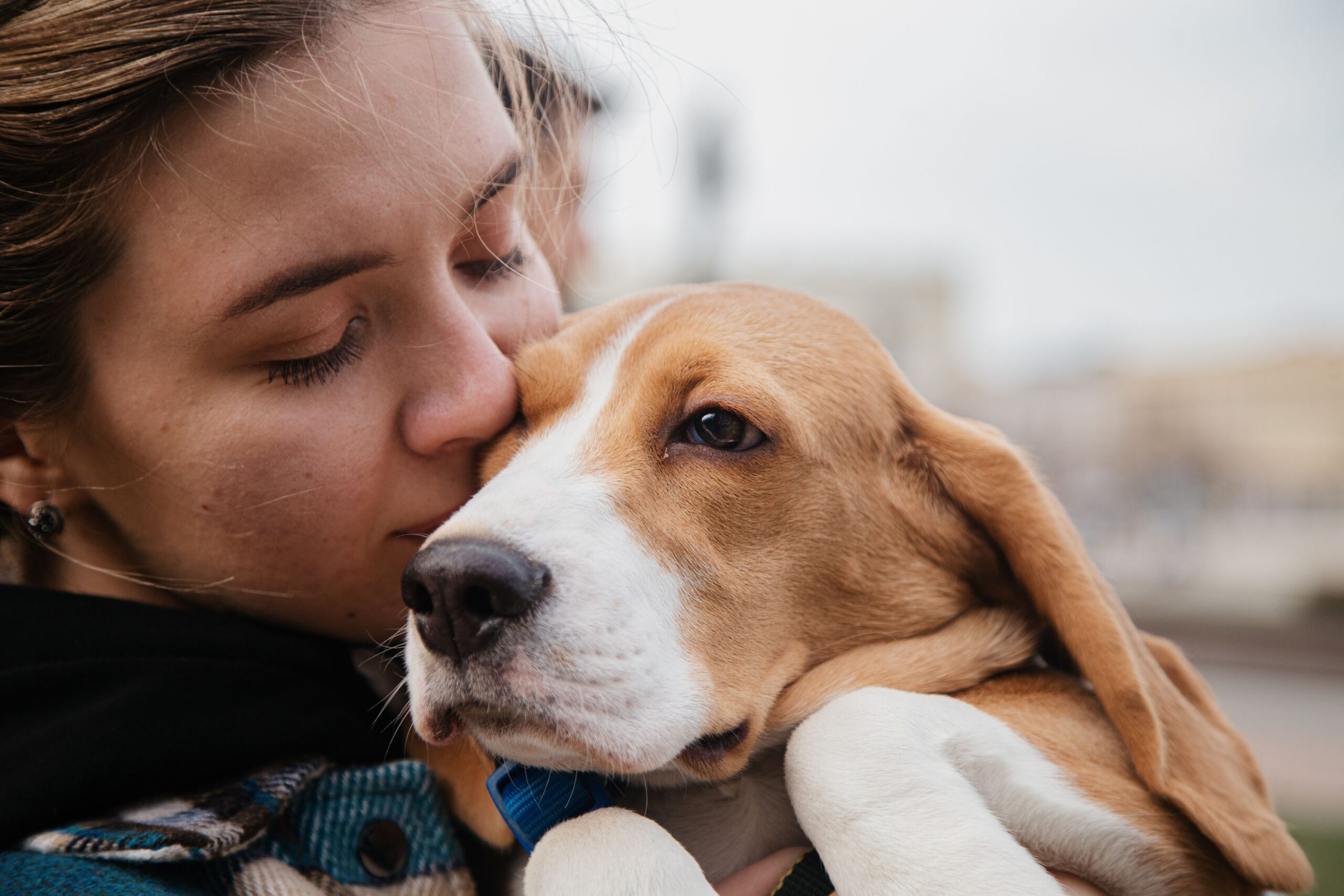
You know that feeling when your day completely unravels, and suddenly your dog is right there, quietly pressing their head into your leg like they just know? It turns out that this comforting instinct is not just something dog lovers imagine or romanticize. Animal science is increasingly showing that dogs pay very close attention to human emotional states, and they seem especially drawn to people who are crying, even when that person is not their owner.
Researchers have found that dogs are more likely to approach a crying person than someone who is humming or speaking neutrally, and this pattern appears even when the crying person is a total stranger. That is a big deal, because it suggests dogs might not simply be reacting to their owner’s familiar cues, but to something deeper and more universal in human emotional expression. So what is really going on in that furry head when they walk up to a stranger in tears and quietly sit at their feet?
The Surprising Science Behind Dogs and Human Tears

One of the most striking findings from animal behavior studies is that dogs consistently show more interest in people who are crying compared with those who are calm, humming, or speaking in an everyday tone. In controlled experiments, dogs are given a choice between interacting with a person who is emotionally neutral and another who is visibly distressed. Time and time again, they tend to move toward the person who appears upset, even when they have no prior relationship with them.
From a scientific standpoint, this suggests that dogs are not just reacting randomly to noise or movement, but are sensitive to emotional cues that humans display when they are in distress. Crying is unusual compared with normal speech or humming: the pace, pitch, and rhythm all change, and the body language around it looks very different. Dogs seem to pick up on that pattern and respond in a way that mirrors concern or attention, and that makes many researchers wonder whether this hints at a form of emotional empathy.
How Dogs Read Human Emotions: More Than Just Tone of Voice
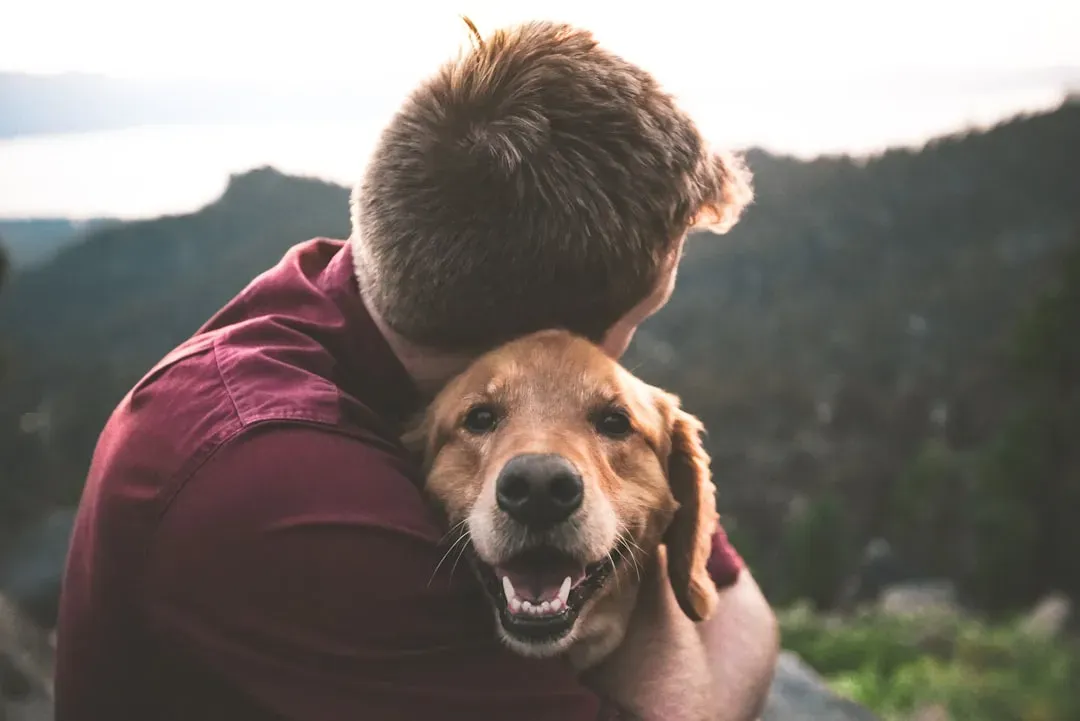
For a long time, people assumed that dogs mostly respond to tone of voice: cheerful voice equals happy dog, harsh tone equals anxious or cautious dog. That is partly true, but the research around crying shows that the story is more layered. Dogs appear to integrate several channels at once: vocal sounds, facial expressions, posture, and even subtle cues like breathing rate or movement speed.
When someone is crying, they usually change all of those signals at the same time. Their shoulders may slump, their face tightens or crumples, their voice breaks. Dogs have evolved alongside humans for thousands of years in close social environments, and they have become specialists in decoding this bundle of cues. It is almost like they are running an internal emotional radar that says, “Something is wrong here, better check in,” even if the person is a stranger they have never interacted with before.
Why Dogs Might Prefer the Crying Stranger Over the Calm One

At first glance, it sounds counterintuitive: why would a dog choose to walk up to the emotionally intense, possibly noisy, crying person rather than the relaxed, humming one? You might expect them to avoid the disturbance. Yet, what many experiments have shown is that dogs approach crying humans more quickly and more frequently, sometimes calmly, sometimes with cautious curiosity, but they still approach.
One explanation is that emotional distress acts as a kind of social magnet. In social species like dogs and humans, visible signs of pain or sadness trigger attention and sometimes caregiving responses, rather than avoidance. Dogs may have learned over generations that comforting or staying close to distressed humans is rewarded, whether through affection, treats, or simply a stronger bond. That learning, layered on top of natural social sensitivity, could make crying people especially compelling targets for their attention.
Empathy or Conditioning? Untangling What Dogs Really Feel

The big debate in animal science is whether dogs actually experience something like human empathy or whether their behavior is mostly learned association and conditioning. When a dog walks over to a crying stranger and sits quietly, humans are quick to describe that as kindness or compassion. Scientists, though, have to be cautious and ask whether the dog might be reacting in a more basic way: perhaps they are simply drawn to unusual sounds, or maybe they have learned that approaching upset people often ends in positive contact.
There is evidence hinting that the answer may sit somewhere in the middle. Dogs do appear to distinguish between different emotional states in both facial expressions and vocal cues, and they sometimes show signs of stress themselves when humans nearby are distressed. That kind of emotional mirroring is one piece of what we call empathy in people. At the same time, decades of living with humans, being rewarded for staying close, and being soothed after stressful events undoubtedly shapes how dogs respond to crying. So, while it is tempting to label every nuzzle as pure empathy, the safest view is that dogs combine biologically rooted social sensitivity with a lifetime of learning from us.
The Role of Evolution: From Wolf Packs to Human Living Rooms
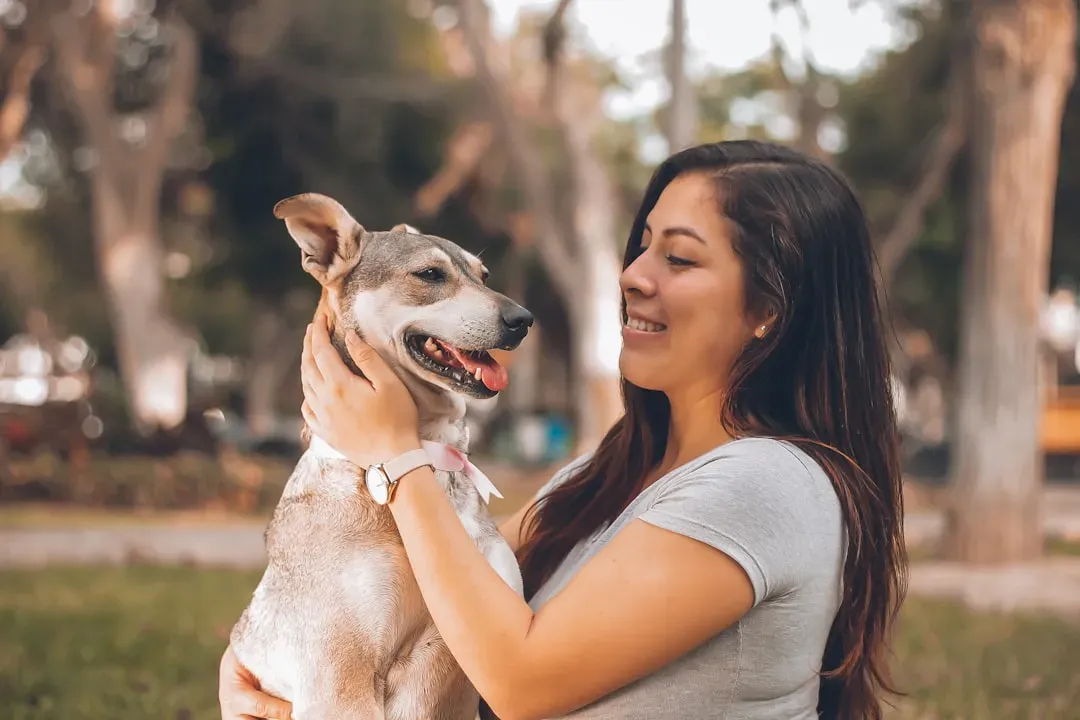
To really understand why dogs are drawn to crying humans, it helps to step back and look at where they came from. Their ancestors, wolves, lived in tight-knit social groups where reading subtle cues from packmates could be the difference between survival and disaster. Cooperation, coordinated hunting, and caring for injured or vulnerable members all required being tuned in to how others were feeling and acting.
Domestication took those social skills and dropped them into a human environment. Instead of just interpreting a wolf’s whine or a packmate’s posture, dogs had to navigate a new social landscape filled with human voices, faces, rituals, and emotional displays. Over many generations, the dogs that were best at reading humans and staying close to them gained more food, protection, and opportunities to breed. The result today is an animal that may be uniquely suited to understand human emotion signals, including the dramatic, sometimes messy act of crying.
Crying Versus Humming: Why “Normal” Behavior Is Less Interesting

When scientists compare crying to more neutral behaviors like humming or speaking in a usual tone, they are testing how dogs respond to emotional intensity versus everyday social noise. Humming and normal conversation are part of the background soundtrack of life for most dogs; they hear them constantly and quickly learn that those sounds usually do not signal a problem that needs attention. As a result, those cues become easy to ignore.
Crying is different. It is rare, it is intense, and it often comes bundled with urgent body language. In evolutionary terms, paying attention to rare, intense signals is generally smart, because they often indicate danger, pain, or a sudden change in the environment. So when a dog chooses the crying person over the humming one, it might not be because they dislike calm people, but because their brain flags the crying as priority information that deserves a closer look.
What This Means for Your Relationship With Your Dog

Learning that dogs will often approach a crying stranger suggests something pretty powerful about the bond you share with your own dog. If they are willing to check on someone they do not know, imagine how much more tuned in they are to your moods, your tone of voice, and your body language. The way you move around your home on a good day versus a terrible day probably does not go unnoticed by them, even if they cannot understand the details behind it.
For dog owners, this research is an invitation to see their dog’s “clinginess” or quiet presence in tough moments as more than random behavior. When your dog curls up next to you during a hard night or paws at your arm when you are upset, they may be responding to emotional signals in a way shaped by thousands of years of shared history. You do not have to turn every moment into a scientific experiment, but knowing there is real behavioral science behind those comforting gestures can make them feel even more meaningful.
How To Responsibly Interpret and Use This Knowledge
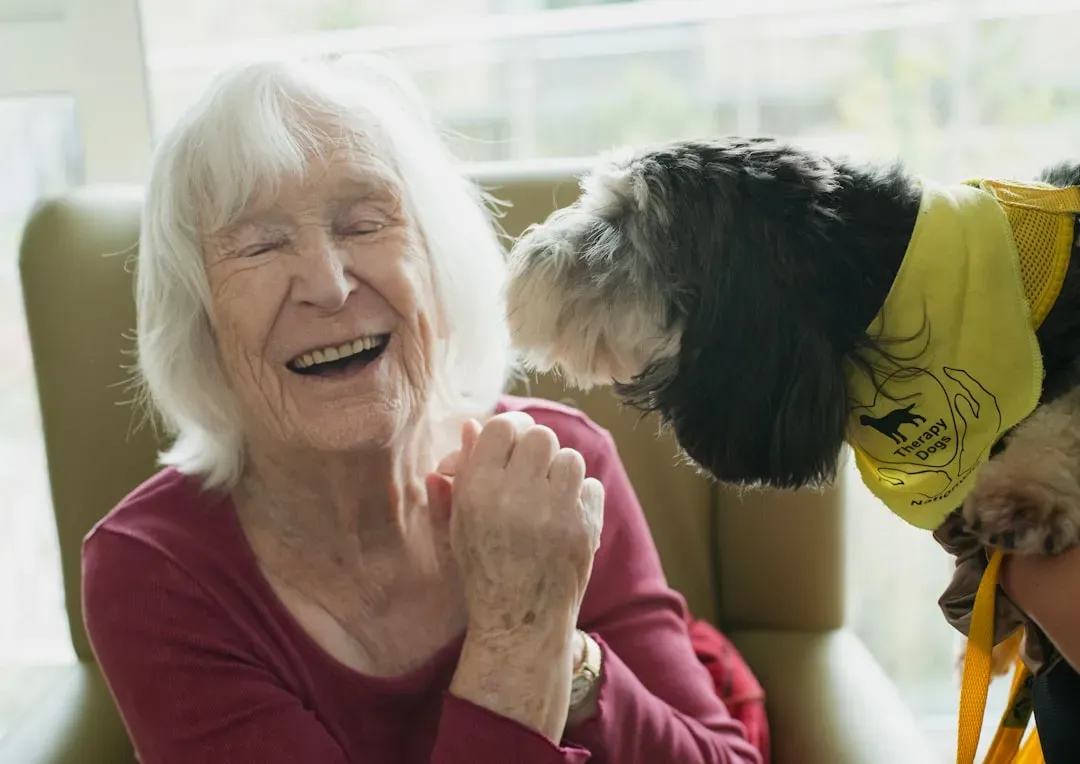
It is tempting to hear that dogs approach crying strangers and immediately declare that all dogs are natural therapists for humans. As comforting as that image is, it can be risky to overstate what the evidence shows. Not every dog will react the same way to emotional distress, and some might be frightened or overwhelmed by loud crying or chaotic movements. Breed, past experiences, socialization, and individual personality all shape how a dog responds.
The responsible takeaway is that many dogs are highly attuned to human emotion, especially distress, and that this sensitivity can be nurtured and respected. If you work with therapy dogs or simply share your home with a companion animal, paying attention to their comfort level is just as important as noticing their willingness to approach. Supporting dogs with predictable routines, gentle handling, and positive experiences around emotional humans helps ensure that their natural sensitivity becomes a source of connection, not stress, for both sides.
Conclusion: Dogs, Distress, and the Quiet Power of Being Seen

I still remember sitting on the floor after a brutal day, convinced I was alone in my mess, until my friend’s dog quietly wandered over, leaned his full weight against my side, and stayed there without fuss. At the time, it felt like pure, unfiltered understanding. Now, knowing what the science suggests, I see it as something even more interesting: a blend of evolved social wiring, careful attention to my emotional cues, and a lifetime of learning that humans in distress are worth approaching, not avoiding.
In my view, the most honest way to put it is this: we do not need to pretend dogs are tiny fur-covered humans with the exact same kind of empathy to appreciate how extraordinary their responses can be. The fact that many dogs will move toward a crying stranger rather than away from them is already remarkable, and it says something hopeful about how two very different species have learned to share emotional space. Maybe the real magic is not in proving they feel exactly what we feel, but in recognizing that, when we fall apart, they so often choose to come closer instead of turning away. Did you expect that quiet act of attention to be backed by so much science?


