
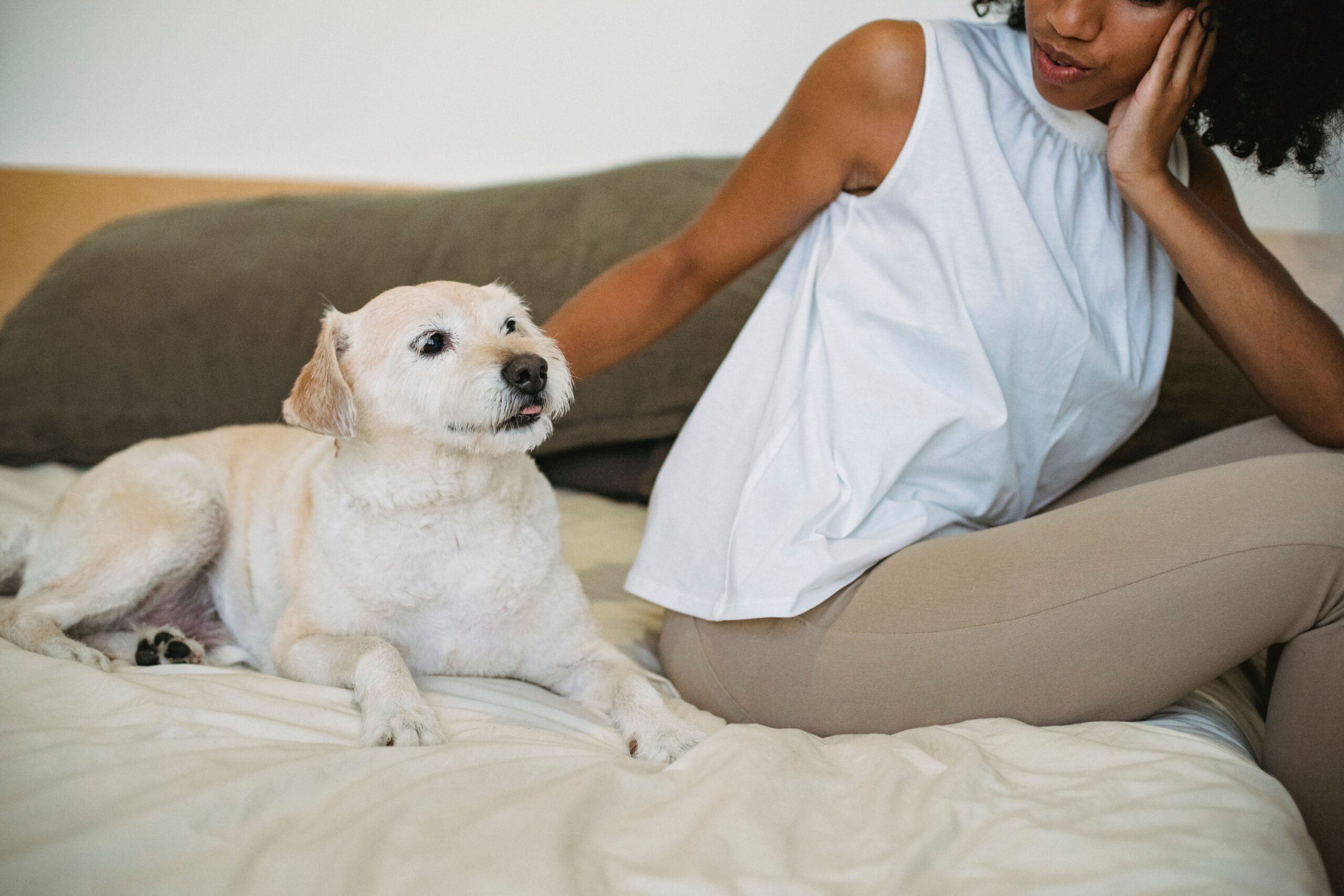
You stand up for two seconds to grab a drink and, like magic, your dog has teleported into your warm spot on the couch. A lot of people instantly assume this is some kind of “dominance move,” as if your dog is trying to overthrow your tiny living room monarchy. But that explanation is usually way off the mark.
What’s really going on is much more ordinary, much more dog-like, and honestly, a lot more charming. Once you understand the simpler reasons behind this behavior, it stops feeling like a power struggle and starts looking like what it usually is: your dog trying to feel cozy, safe, and close to you in the only way they know how.
Warmth Is Prime Real Estate For Dogs

The most boring explanation is also one of the most accurate: your dog just loves the heat your body left behind. Think about how often you catch them sunbathing in that one stripe of sunlight on the floor or curling up right in front of a heater. Your recently vacated seat is like a pre-heated dog bed, and they are just making a very practical choice.
Dogs, especially smaller breeds or those with short coats, lose body heat quickly and will naturally seek warm spots to conserve energy. From a biological point of view, choosing a warm seat over a cold one is just an efficient way to stay comfortable, not a psychological chess move about who runs the household.
Your Scent Is Comforting, Not A Power Play
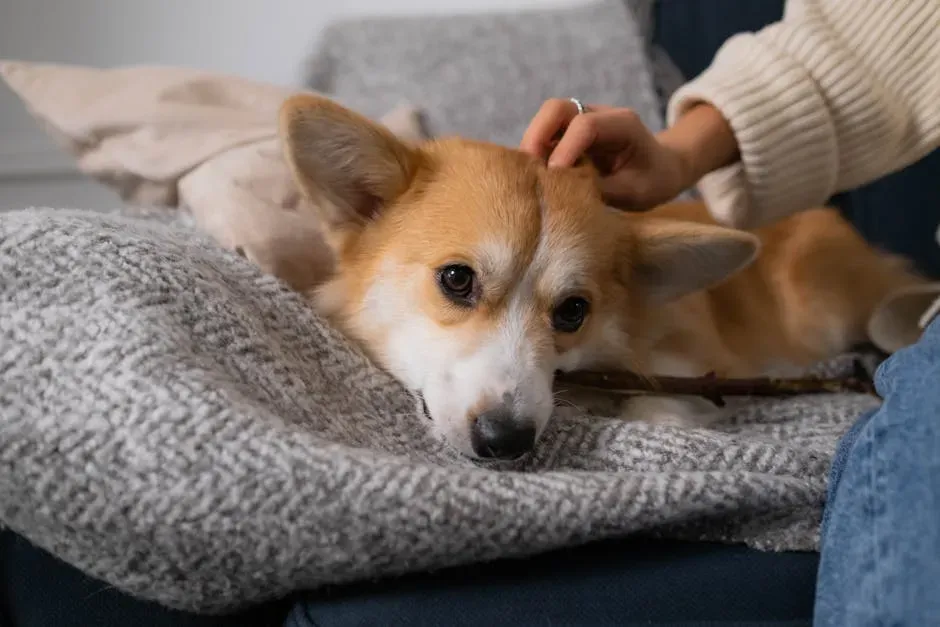
Another huge part of the story is your scent. Dogs experience the world through their noses in a way we can barely imagine, and the place where you were just sitting is saturated with your smell. When they curl up there, they’re basically wrapping themselves in an invisible blanket of “you.”
That’s usually a sign of affection and attachment, not control. A lot of anxious or sensitive dogs especially love lying on your pillow, your laundry pile, or the exact spot you just left because it makes them feel safe and connected. It’s much closer to a kid sleeping with a parent’s T-shirt than to some four-legged coup attempt.
Proximity To You Matters More Than Status
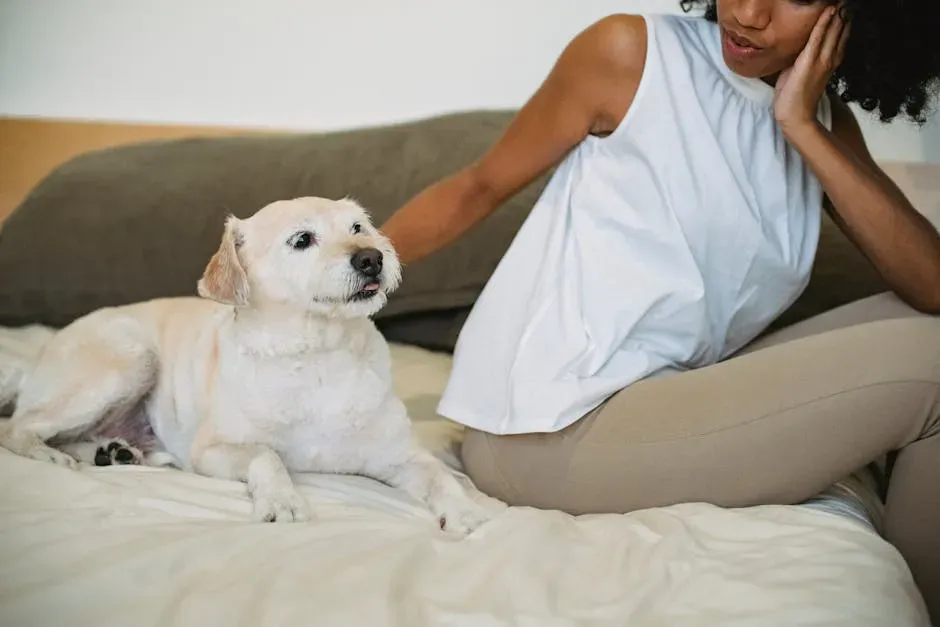
Even if you move only a few steps away, many dogs want to remain as close as possible to where you are or where you were. Your spot is usually next to where you sit, where you talk, where you watch TV, where things happen. To a dog, that’s the center of the social universe in the home, and they naturally gravitate toward it.
In other words, they’re following the action, not trying to outrank you. If you sit on the floor, a lot of dogs will happily give up the couch to come lie next to you instead, which is the exact opposite of a dominance story. What they really want, most of the time, is not the “top spot” but the “closest-to-you” spot.
Many Dogs Just Learn That Spot Is The “Best Seat In The House”
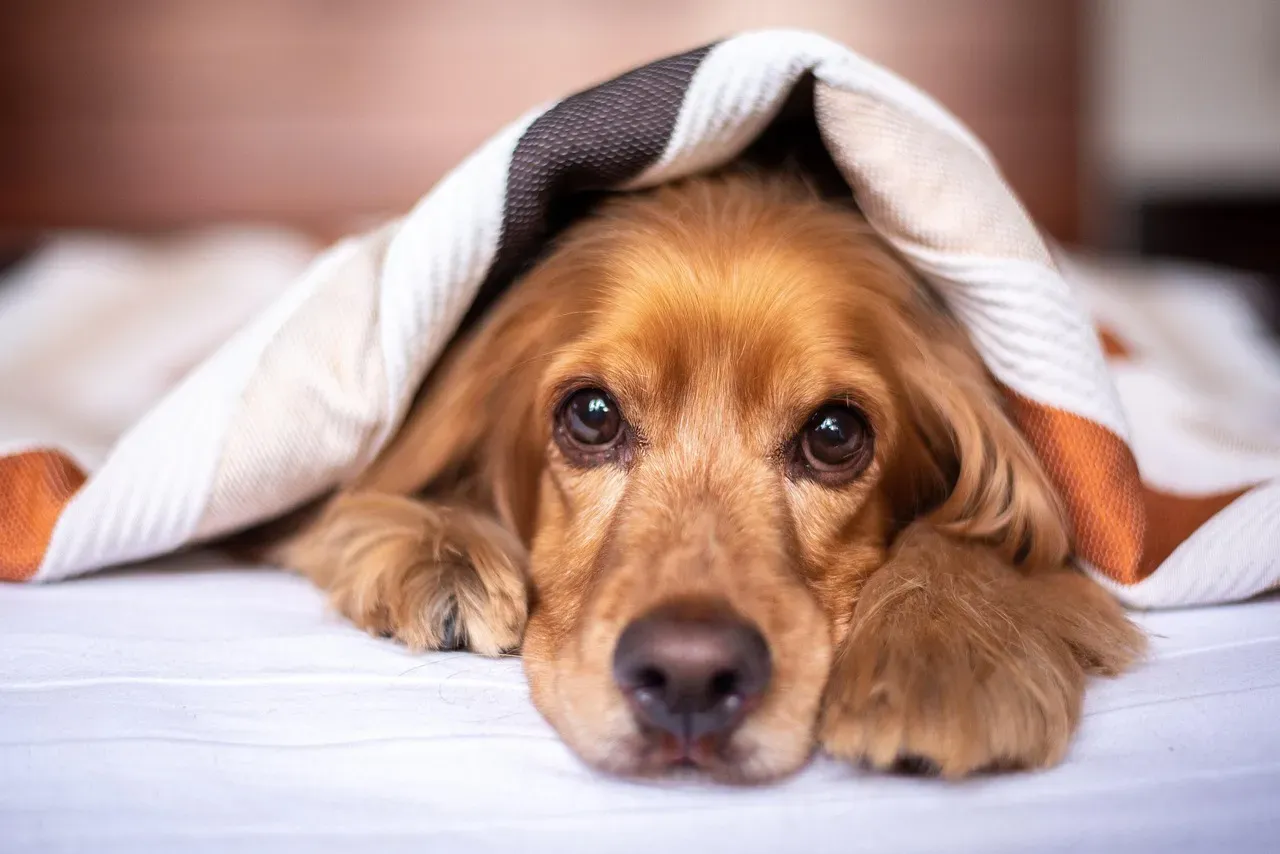
There’s also a simple learning angle: your dog notices that you always sit in the same place, and in their mind that marks it as valuable. Dogs are experts at picking up habits and patterns, often long before we realize we even have them. If you consistently choose one chair or one side of the bed, they start to see that spot as “the good one.”
Over time, taking your seat when you get up becomes almost automatic for them. They are not thinking in terms of rank; they’re repeating a behavior that’s been mildly rewarded over and over by comfort, warmth, and maybe even a few extra head pats when you return and find them there looking adorable.
True Dominance Looks Very Different From Seat-Stealing
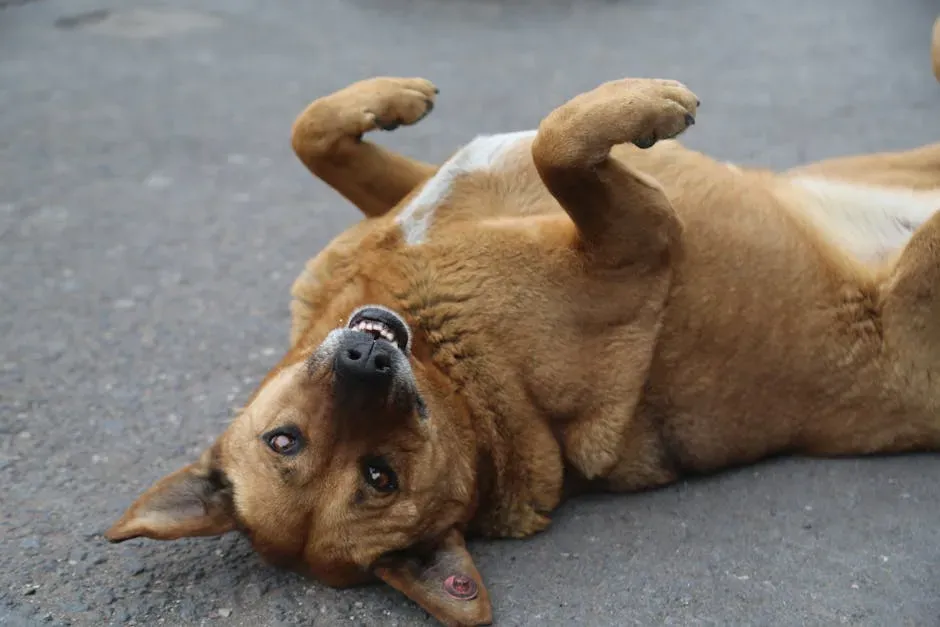
People throw the word “dominance” around a lot with dogs, but in most households it’s badly misunderstood. True social tension or resource guarding usually shows up as stiff body posture, growling, blocking access, or refusing to move out of the way when asked. It tends to be consistent and often involves defensiveness around food, toys, or specific people.
Compare that to a dog who happily hops out of your spot with a tail wag the second you ask them to move. That’s not a dominance issue; that’s a polite dog enjoying an opportunity while it lasts. If a dog gives up the seat easily, or even expects a little game or cuddle when you come back, you’re looking at normal, harmless behavior, not a power struggle.
Anxiety, Clinginess, And The Need To Feel Safe
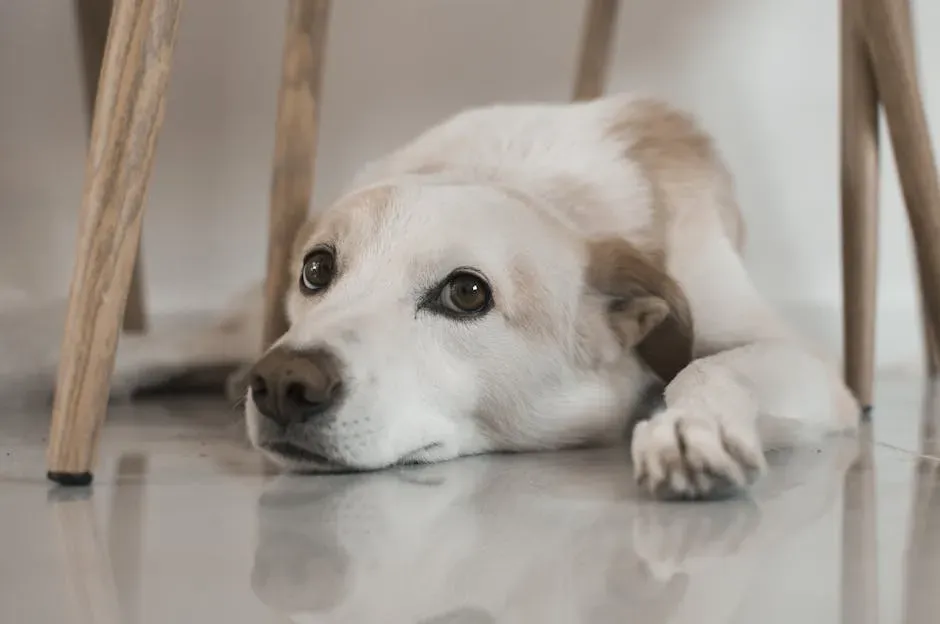
For some dogs, especially those who are a bit insecure, jumping into your spot is less about comfort and more about reassurance. When you vanish, even just for a minute, they may feel a little spike of worry. Sitting where you were just a moment ago can be their way of coping with that tiny burst of separation stress.
In those cases, your seat becomes both a lookout post and a security blanket. If you notice your dog also follows you from room to room, startles when you leave, or struggles when you go out, the spot stealing might be one small piece of a bigger anxiety pattern. Addressing their overall confidence and independence will do far more good than worrying about “dominance.”
When Spot-Stealing Becomes A Problem (And How To Fix It)
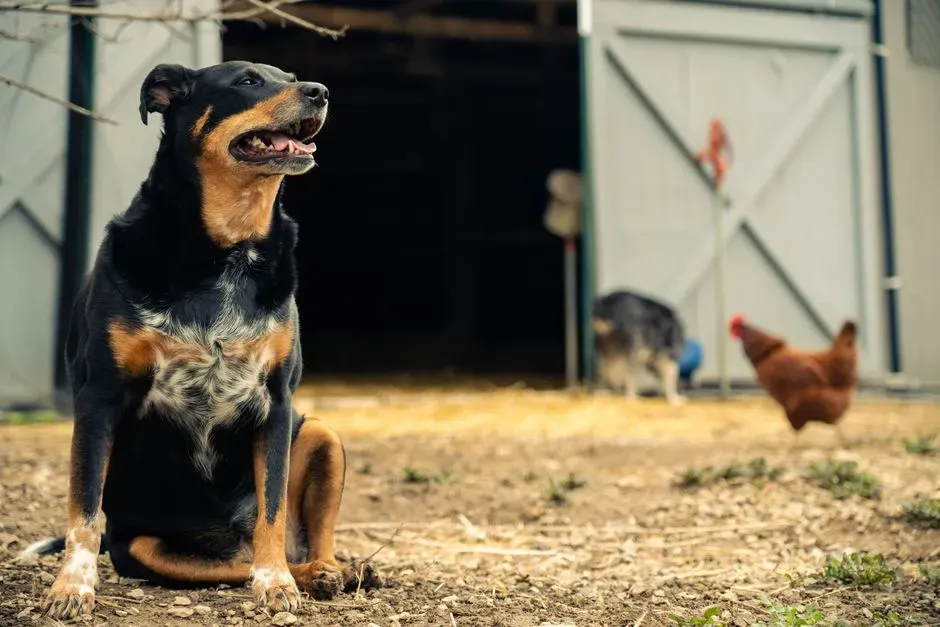
Most of the time, dogs swiping your spot is harmless and even kind of sweet. But it can become an issue if your dog starts growling when you try to sit back down, refuses to move, or pushes other pets away aggressively. That kind of behavior is less about rank and more about resource guarding, which can involve fear, insecurity, or previous bad experiences.
The fix is not to “dominate back,” but to calmly teach better manners and boundaries. Reward your dog for moving when asked, give them their own cozy, rewarding spaces, and avoid turning it into a battle of wills. If things feel tense or unsafe, working with a qualified force-free trainer or behavior professional is far more helpful than relying on outdated pack-theory ideas.
How To Handle It Day-To-Day Without Overthinking It
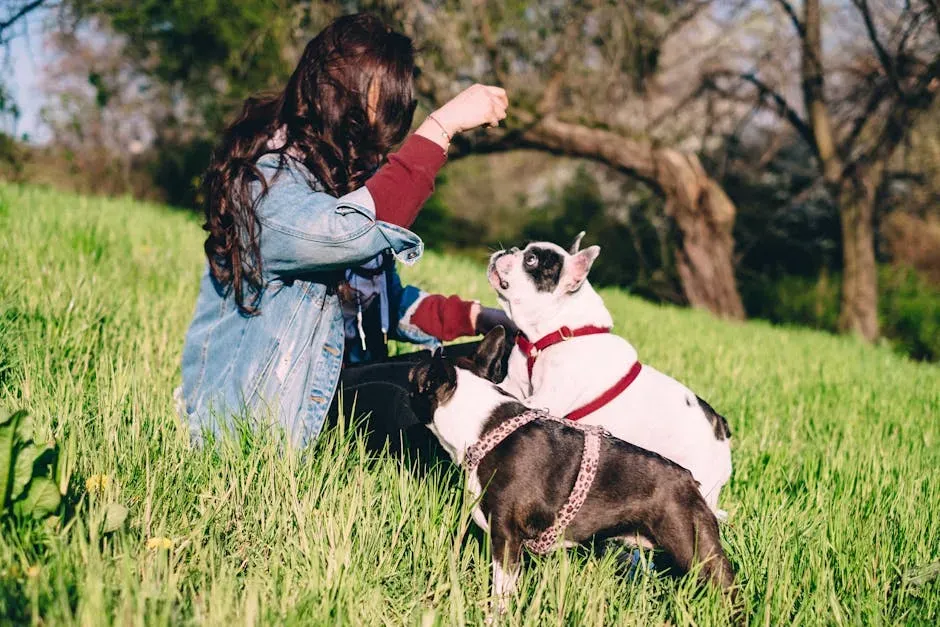
On a practical, everyday level, the easiest response is usually the best: just ask your dog to move, reward them for doing it, and then sit down. You can even turn it into a mini training opportunity, using cues like “off” or “move” in a calm, matter-of-fact way. The more your dog learns that giving up a comfy spot leads to good things, the less conflict you’ll ever have around furniture or beds.
If you want to prevent spot-stealing altogether, you can give your dog an especially inviting bed or mat nearby, and consistently guide them there when you get up. A soft, warm, high-value resting place of their own often beats the couch over time, especially if you pair it with treats, toys, or extra affection when they choose it.
Conclusion: It’s Not A Throne, It’s Just A Warm Seat
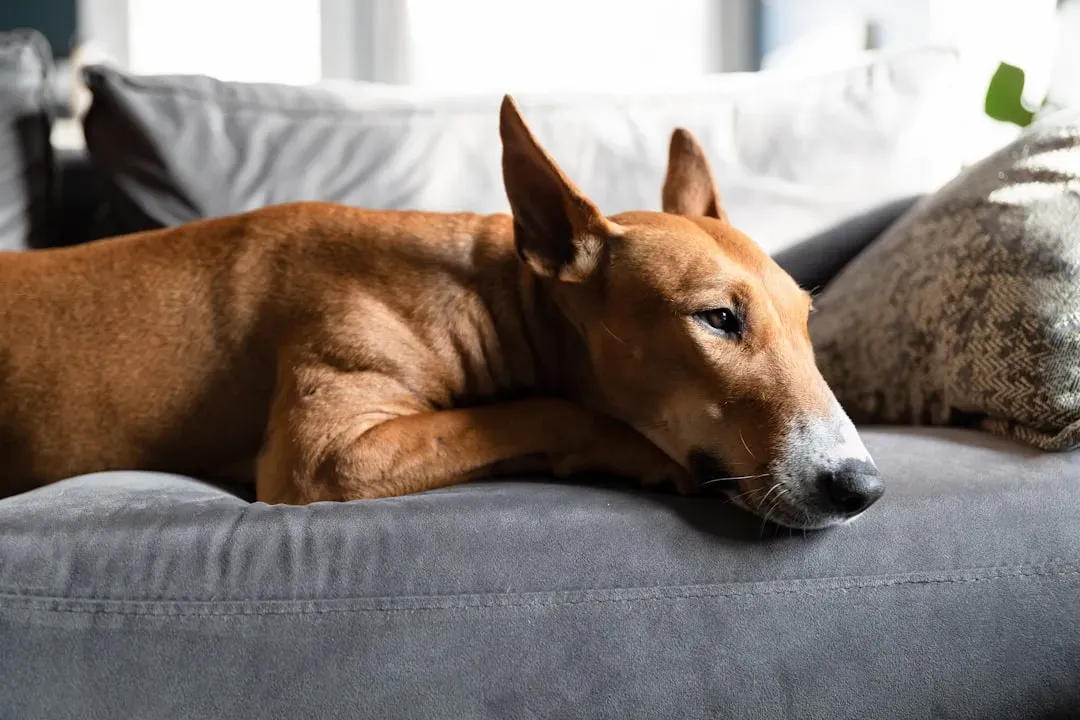
I’ll be honest: once I stopped seeing my dog’s little seat heists as some kind of challenge and started seeing them as a mix of comfort-seeking and affection, it completely changed how I felt about it. Instead of bristling over “who’s in charge,” I saw a creature who just wanted to be warm, safe, and close to me, and that felt a lot more accurate and a lot more fair.
The dominance story can be tempting because it makes everything sound dramatic and deep, but most dogs are not that calculating. They’re just very efficient at finding the coziest, most you-scented place in the room. So the next time your dog slides into your spot the second you stand up, maybe ask yourself: is this really a power move, or just a furry roommate with excellent taste in seating?


