
Most people think “smart animals” starts and stops with dolphins, chimps, and maybe a border collie doing tricks for treats. Nobody puts a coyote or a fox on that list. Maybe they should.
Out in deserts, tundra, and quietly in your own backyard, wild canines are pulling off feats of memory, deception, and teamwork that would embarrass most trained animals. This isn’t instinct dressed up as intelligence – these animals fake out rivals, vote on group decisions, and read human schedules better than we read theirs. Field biologists have spent decades tracking exactly how sharp these creatures really are, and the list only gets stranger the closer you look.
#10 – The Red Fox: The Street-Smart Generalist
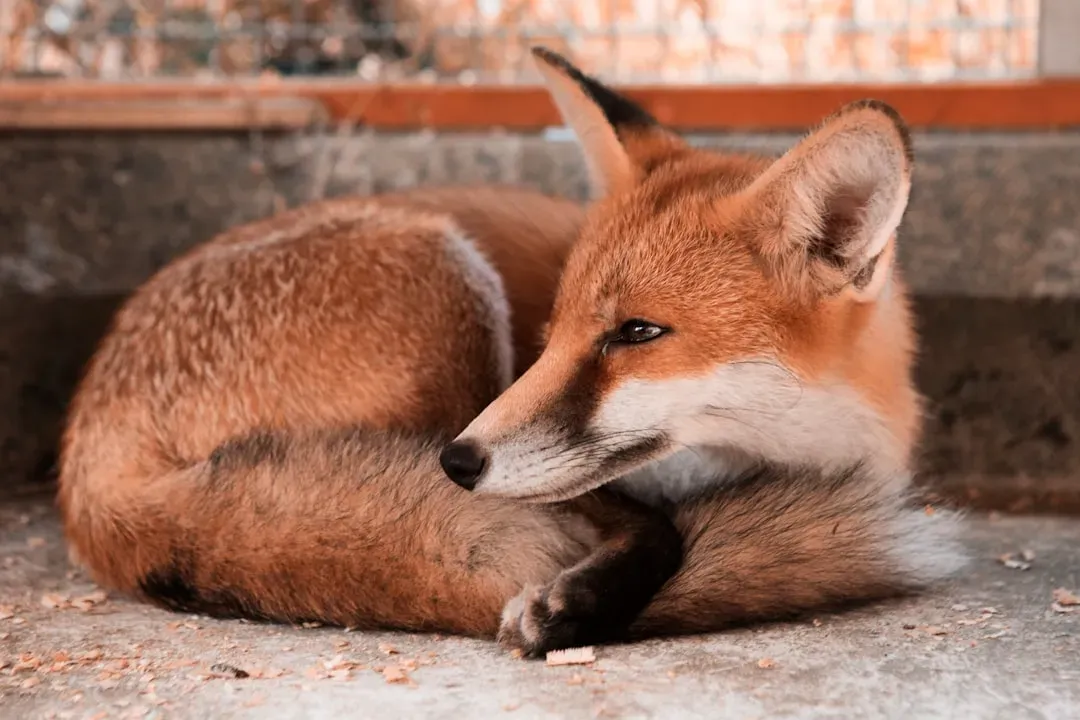
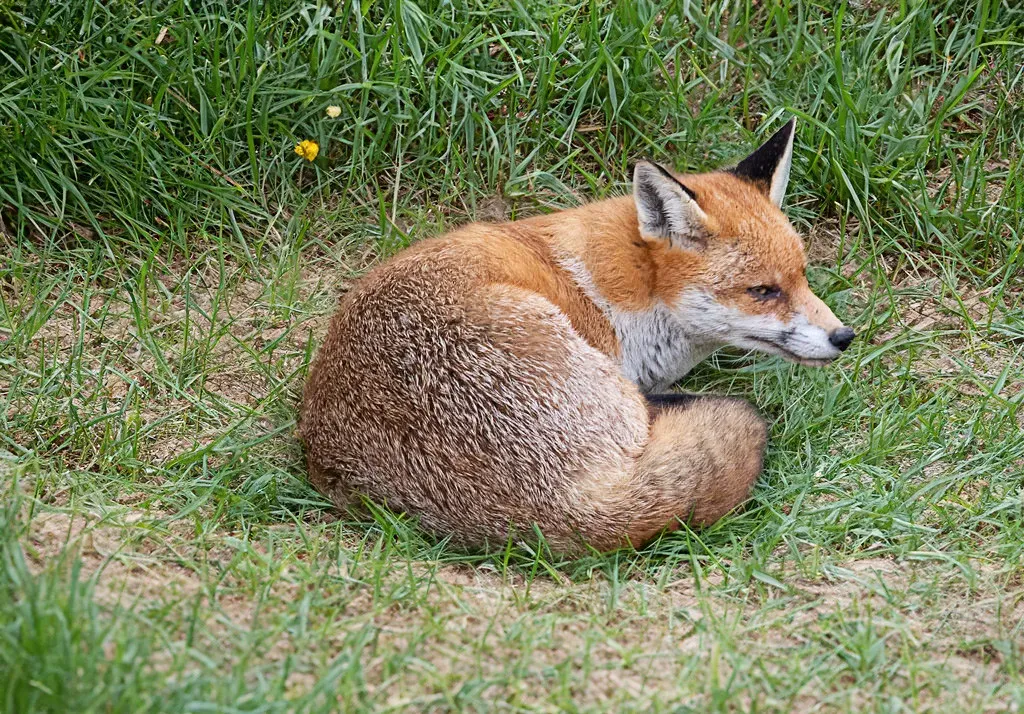
The red fox looks like a countryside cliché, but its brain runs more like a street-smart survivor than a fairy-tale villain. Foxes thrive everywhere from rural fields to dense cities, constantly reading human traffic patterns, garbage schedules, and shifting food supplies. Some have reportedly learned to time road crossings with traffic lights and track garbage pickup days to maximize their odds of a free meal – that’s real-time pattern recognition, not blind instinct.
They’re also skilled liars. Foxes will bury extra food, then fake-bury it in a decoy spot if they sense a rival is watching, essentially deceiving their own competition. Urban foxes have been filmed opening garden gates, climbing fences using man-made objects as tools, and teaching their kits exactly which neighborhoods are safe to explore.
Fast Facts
- Widest geographic range of any carnivore on the planet, spanning nearly 70 million square kilometers across the Northern Hemisphere
- Adults typically weigh just 8 to 15 pounds, yet consistently outmaneuver far larger predators
- Classified as “Least Concern” by the IUCN – this species isn’t struggling, it’s thriving
- Native to most of North America, Europe, and Asia, with introduced populations now established in Australia
#9 – The Coyote: The Urban Tactician
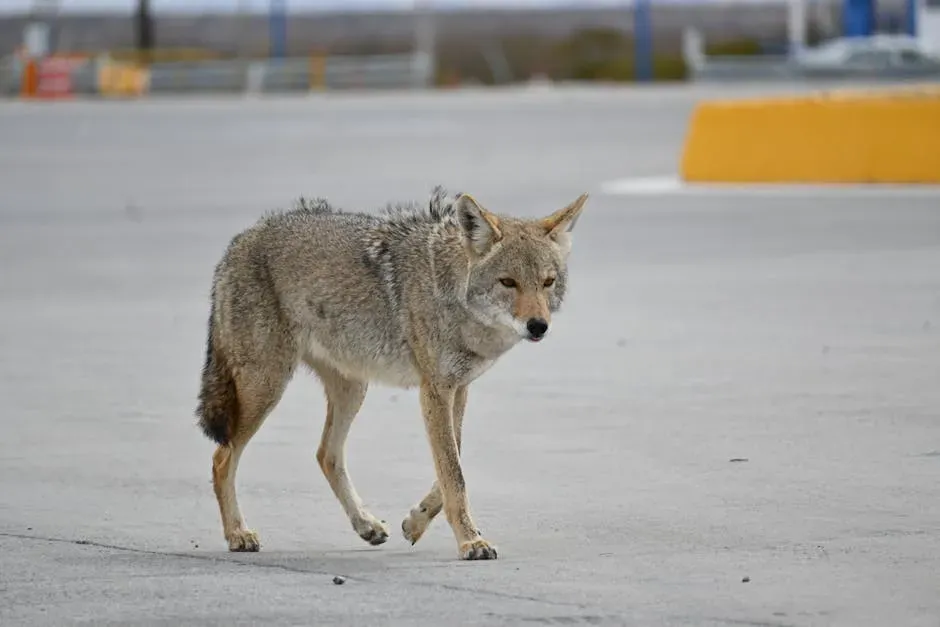
Coyotes get written off as scrappy scavengers, but their behavioral flexibility looks more like a chess player constantly revising strategy. Over the last century they’ve expanded from open prairies into suburbs and megacities, and they’re not just surviving there – they’re thriving. In cities, coyotes shift toward nocturnal schedules and reroute their travel to dodge human routines, which is learned risk assessment, not luck.
Their teamwork is even more impressive. In some regions, coyotes hunt in loose pairs, with one animal flushing prey toward a partner waiting to ambush it. Even stranger, in a few places coyotes have formed temporary hunting alliances with badgers – the coyote chases prey above ground while the badger digs the same animal out from below. Ranchers still love calling them dumb varmints, but decades of failed eradication campaigns say otherwise.
#8 – The Golden Jackal: The Quiet Strategist
Golden jackals don’t get much global attention, but across Europe, the Middle East, and Asia, they’re quietly proving how sharp a mid-sized canid can be. They’re classic opportunists, shifting from hunting small vertebrates to raiding human waste depending on season and competition. Researchers have found they dynamically switch between solitary and pair hunting based on prey size and risk, constantly weighing cost against reward.
Socially, golden jackals form long-term monogamous pairs and lean on helpers – older offspring who stick around to raise the next litter of pups. Those helpers absorb the territory’s layout, prey behavior, and human patterns before striking out on their own. In farmland, jackals have learned to avoid peak work hours and use irrigation channels as private travel corridors, coexisting with people without ever fully urbanizing.
#7 – The Arctic Fox: The Extreme Environment Problem-Solver
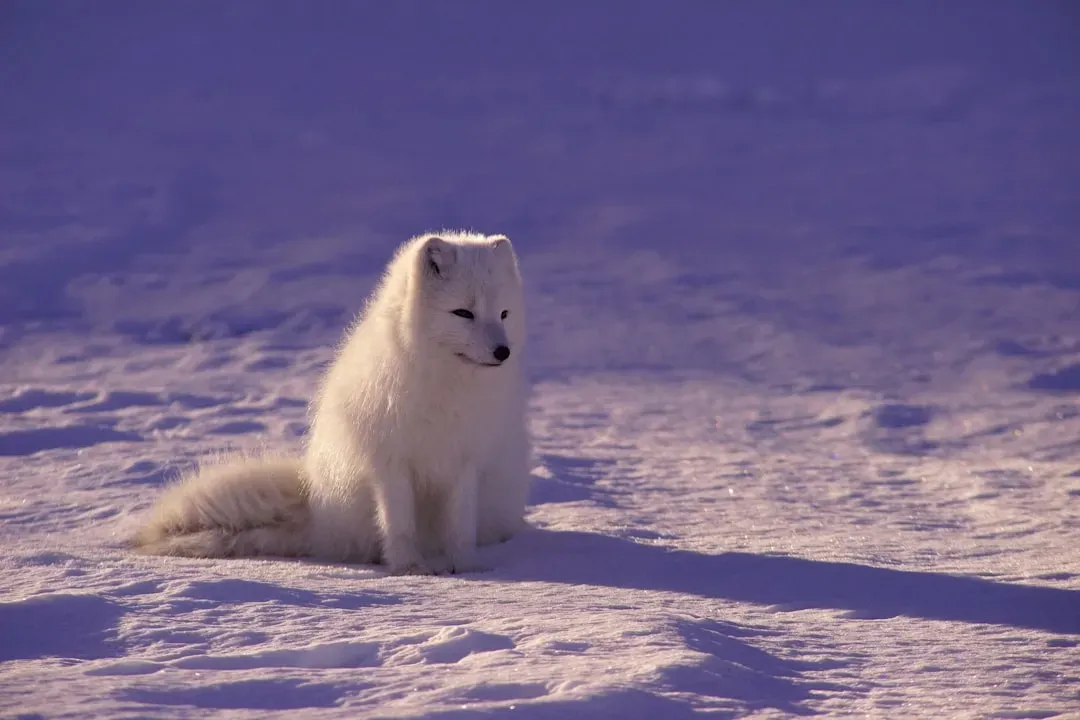
At first glance, the Arctic fox looks like a fluffy snowball, not a cognitive powerhouse. But surviving in a polar environment is basically one long IQ test, where food is scarce and conditions change by the hour. Arctic foxes use spatial memory to relocate hundreds of food caches buried under snow and ice, sometimes months after burying them, with no obvious landmarks to guide them.
When their main prey crashes – like a bad lemming year – they don’t panic, they pivot. Arctic foxes trail polar bears across the ice to scavenge seal carcasses, timing their approach carefully to avoid a deadly confrontation. Some even track seabird colonies by nesting season to raid eggs and chicks, and around research stations, they’ve learned exactly when and where human scraps show up.
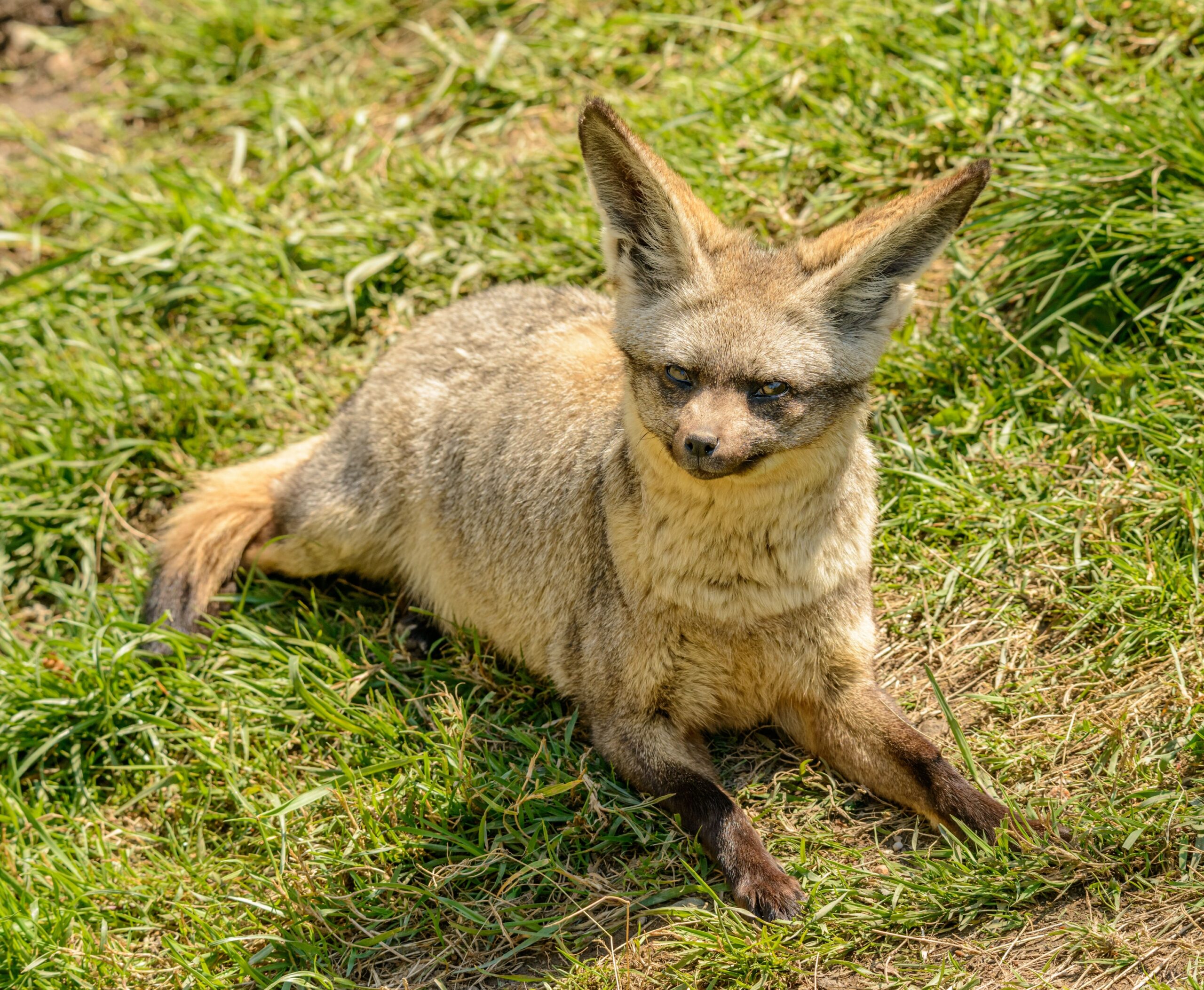
#6 – The Bat-Eared Fox: The Listening Specialist
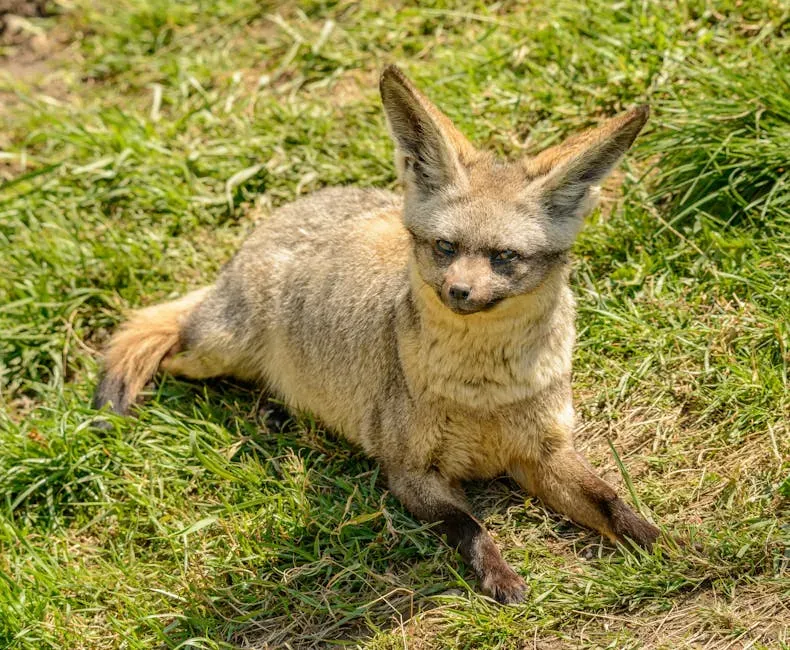
The bat-eared fox looks almost cartoonish with those oversized ears, but that exaggerated anatomy comes with serious cognitive specialization. Unlike most canids, they rely heavily on insects, especially termites, using their ears to detect individual bugs moving underground or through grass. Turning that raw sound data into an accurate pounce is real-time processing most predators simply can’t match.
They live in small family groups, coordinating foraging and pup care through soft calls and visual signals that keep everyone in sync without losing contact. Some have been seen rerouting their entire foraging pattern after a termite mound gets disturbed, updating their mental map of the landscape on the fly. That’s exactly the kind of flexible, environment-specific learning researchers look for when studying animal intelligence, even if it never shows up in a lab maze.
Worth Knowing
- Termites and dung beetles make up roughly 80% of their diet – a single fox can devour over a million termites a year
- Their ears can stretch up to 5 inches long, sharp enough to detect insects moving underground
- They carry 46 to 50 teeth, more than almost any other mammal, built for crunching insect exoskeletons
- Litters average just 3 to 6 pups, with both parents sharing every duty from guarding to grooming
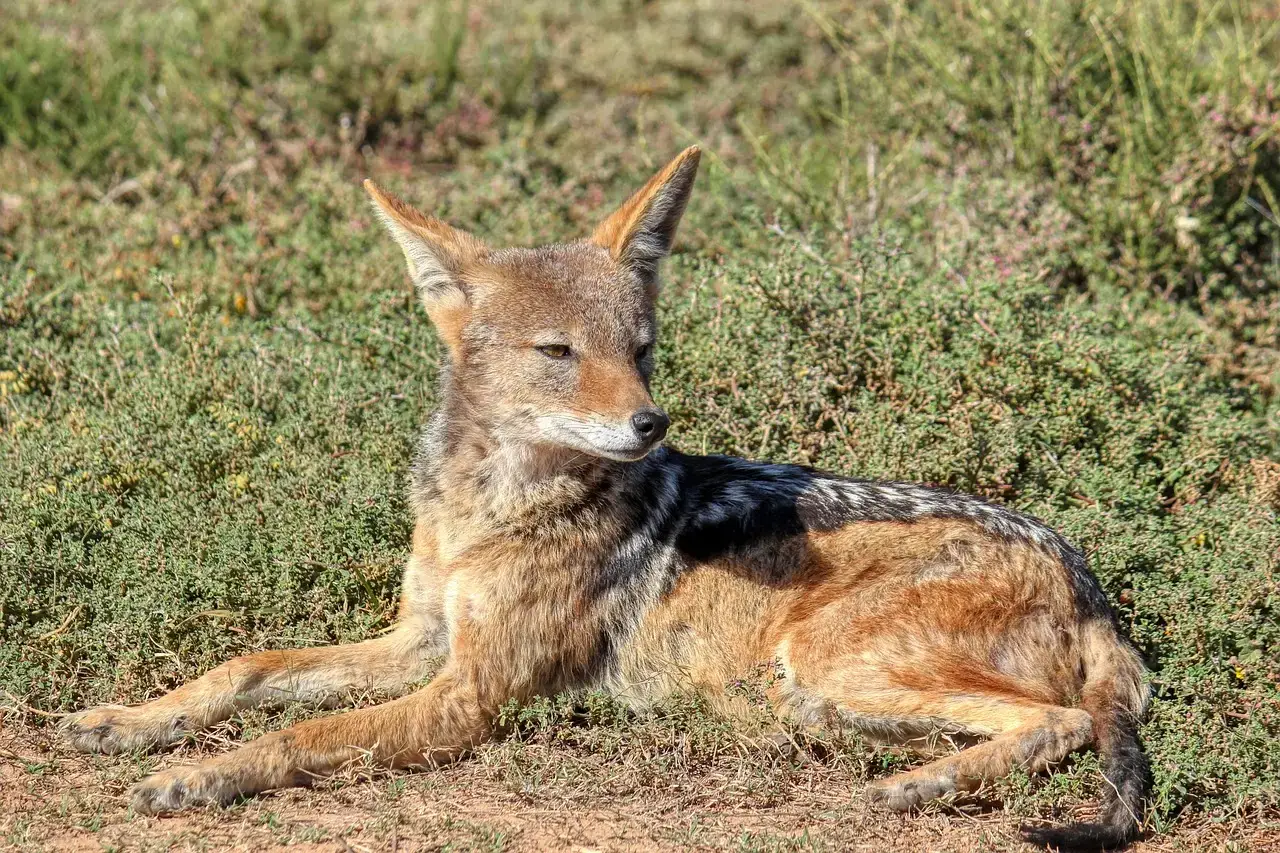
#5 – The Black-Backed Jackal: The Calculated Opportunist
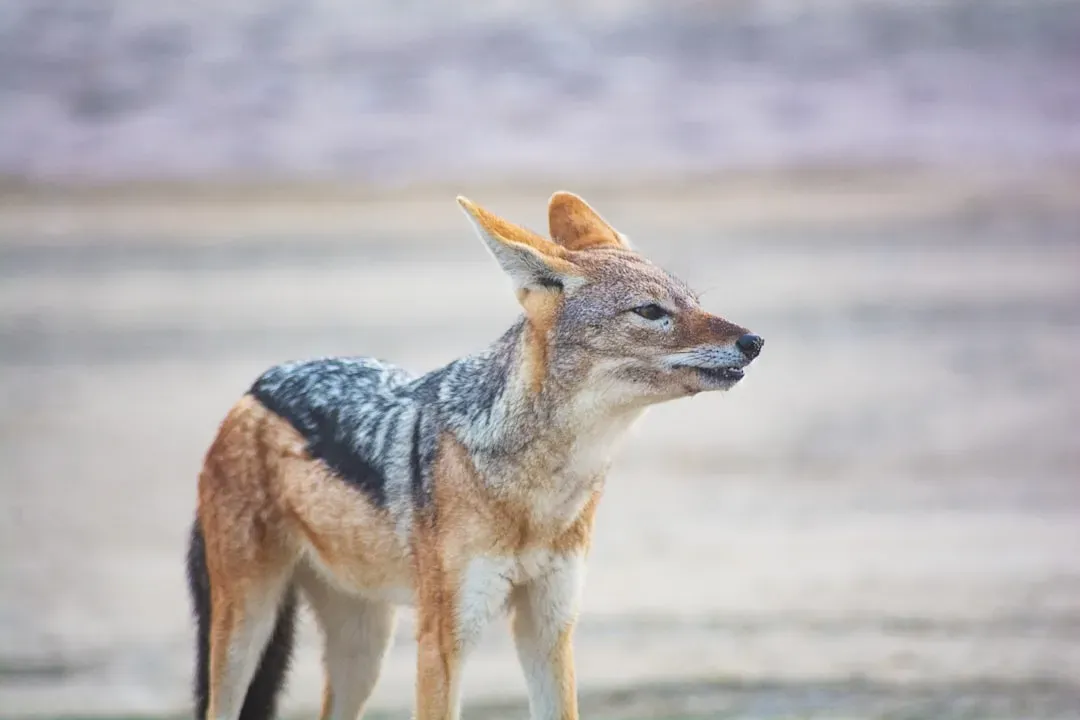
Black-backed jackals get cast as sneaky scavengers trailing lions and hyenas, but that undersells them badly. At a kill site, they read the mood, headcount, and feeding positions of much larger predators before deciding exactly when to dart in. Grabbing a mouthful of meat in that company takes split-second judgment and a sharp read of risk most animals couldn’t pull off.
These jackals also form long-term pair bonds, sometimes defending the same territory for years and teaching their pups the boundary lines, safe den sites, and reliable food spots. They coordinate guard duty and foraging through a nuanced system of calls and body language. In farmland, they quickly figure out which properties tolerate them and which don’t – the kind of strategic thinking field biologists increasingly take seriously.
#4 – The African Wild Dog: The Democratic Hunter
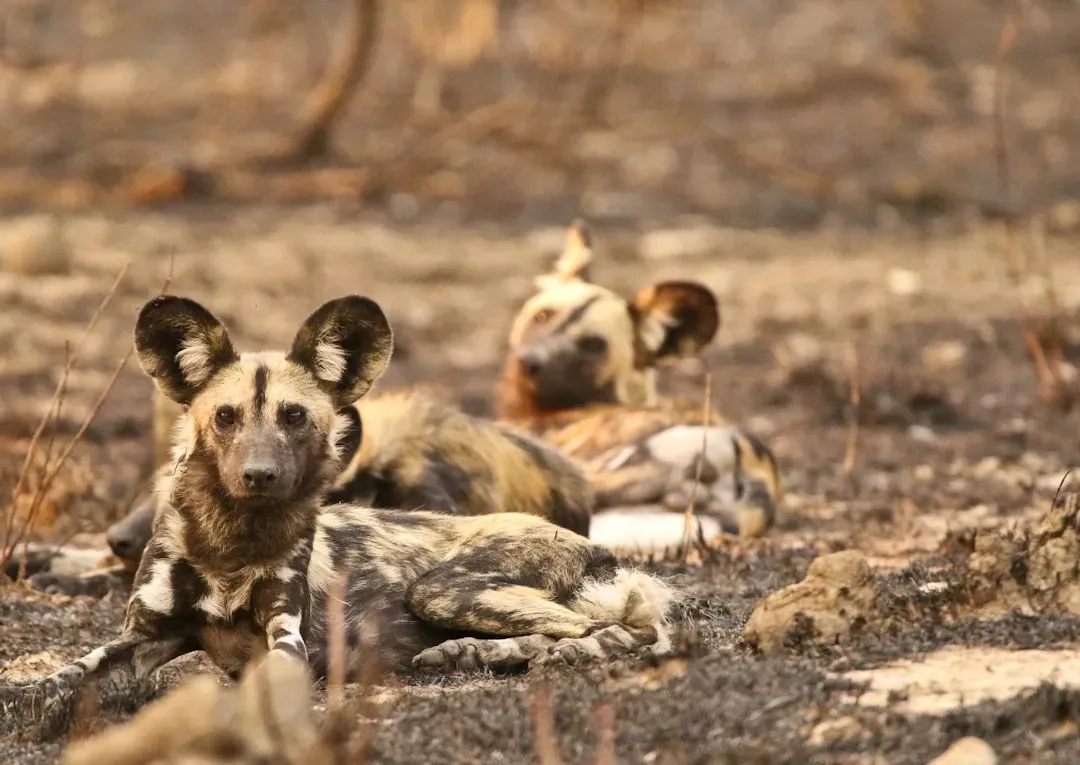
African wild dogs, or painted wolves, get hyped for their hunting success rate, but the real story is how they decide to hunt in the first place. Before a chase, multiple pack members perform what researchers call “sneeze votes” – short sneezes that build until a threshold is reached and the group takes off. That’s consensus-based decision-making, a trait almost never documented in large carnivores.
Their hunts are a masterclass in coordination, with individuals taking on roles as flankers, chasers, and blockers that shift mid-chase depending on how the prey moves. They also look after their own – injured pack members get brought food, and the group will slow its pace so weaker dogs aren’t left behind. Lions still get called Africa’s smartest predator because they’re famous, but a growing number of researchers argue wild dogs show far more sophisticated teamwork and social empathy.
Why It Stands Out
- Hunting success rate of 60% to 90%, compared to roughly 25% for lions
- Capable of sprinting up to 44 mph – matching a greyhound’s top speed
- Packs typically run 7 to 15 members, occasionally growing to 40
- Consumes a kill in under 15 minutes, before rival predators can muscle in
#3 – The Red Wolf: The Overlooked Problem-Solver
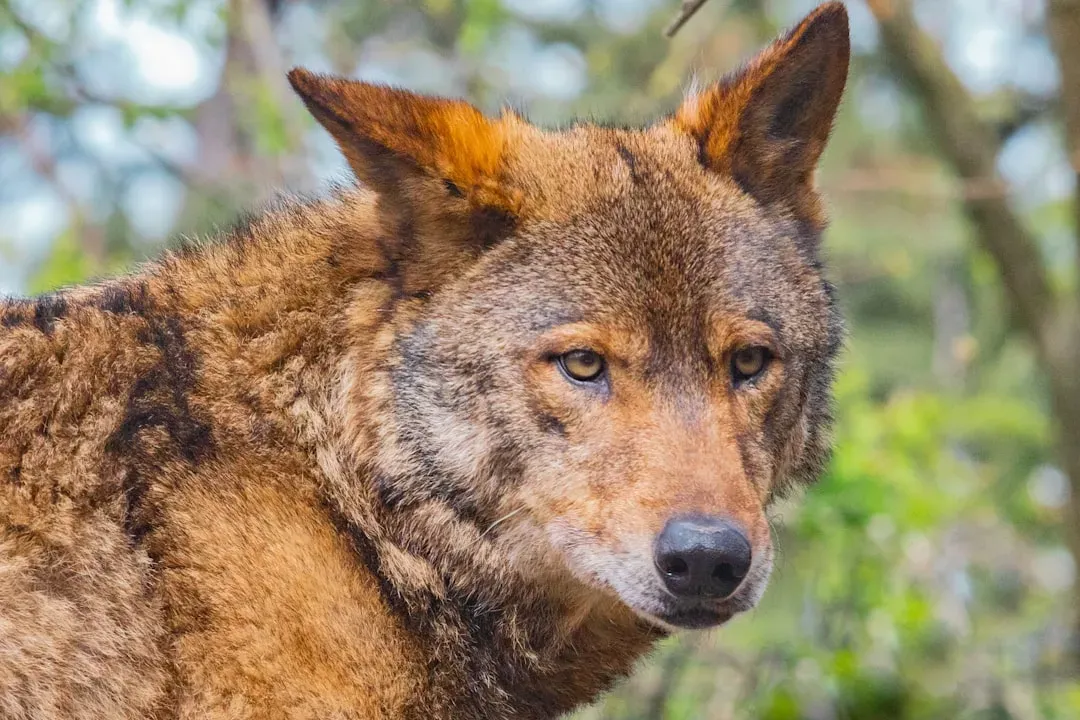
The red wolf is one of the most endangered canids on Earth, and that obscurity has let people badly underestimate its brainpower. Living in fragmented habitat across the southeastern United States, red wolves navigate roads, farms, and shifting prey with a level of caution and boldness that takes real judgment to balance. They travel mostly at night, use cover to avoid detection, and still manage to hold stable territories.
Socially, they form tight family units similar to gray wolves, just smaller and far more secretive. They coordinate deer hunts, splitting tasks and regrouping through vocal and scent signals, and reintroduced populations have shown real dietary flexibility as prey availability shifts. People still argue over whether red wolves are a distinct species or a hybrid, and that debate gets used to downplay them – but their flexibility and caution look exactly like what a predator needs to survive alongside humans without constant conflict.
#2 – The Dingo: The Unofficial Cognitive Middle Ground
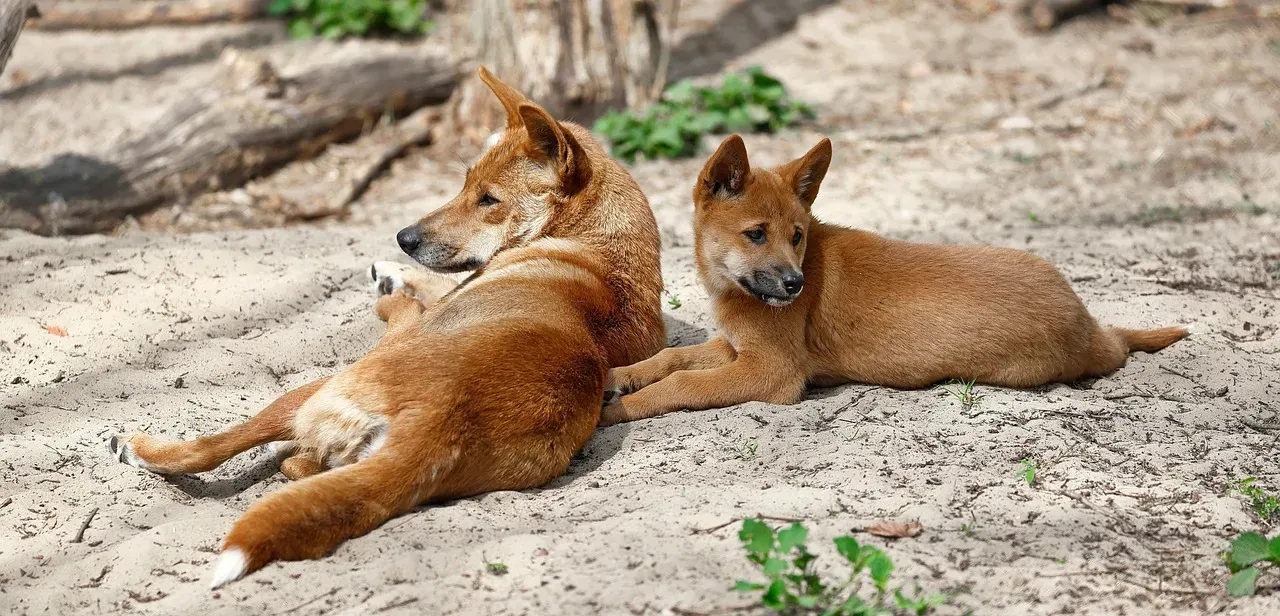
Dingoes sit in a strange in-between spot: not quite domestic dogs, not fully wild wolves either, and that in-between status has made them irresistible to cognition researchers. In problem-solving tests, dingoes have outperformed many pet dogs at tasks like operating complex latches or navigating around transparent barriers. Unlike heavily socialized dogs, they don’t glance back at a human for help – they just keep experimenting until they crack it.
In the wild, dingoes swing between solo rodent hunts and cooperative kangaroo chases, and they quickly learn which human areas mean easy food and which mean danger. Some indigenous Australian knowledge systems even recognize individual dingoes’ personalities, distinguishing bold innovators from cautious followers. A growing number of ecologists argue dingoes shouldn’t be labeled invasive pests at all – they may be apex predators capable of stabilizing entire ecosystems, if people just let them.
Quick Compare
- Domestic dogs: often glance back at a human the moment a puzzle gets tricky
- Dingoes: keep working the problem alone until they solve it themselves
- Domestic dogs: shaped by thousands of years of breeding for cooperation with people
- Dingoes: still rely on independent, wild-honed judgment for everyday survival
#1 – The Gray Wolf: The Social Intelligence Benchmark
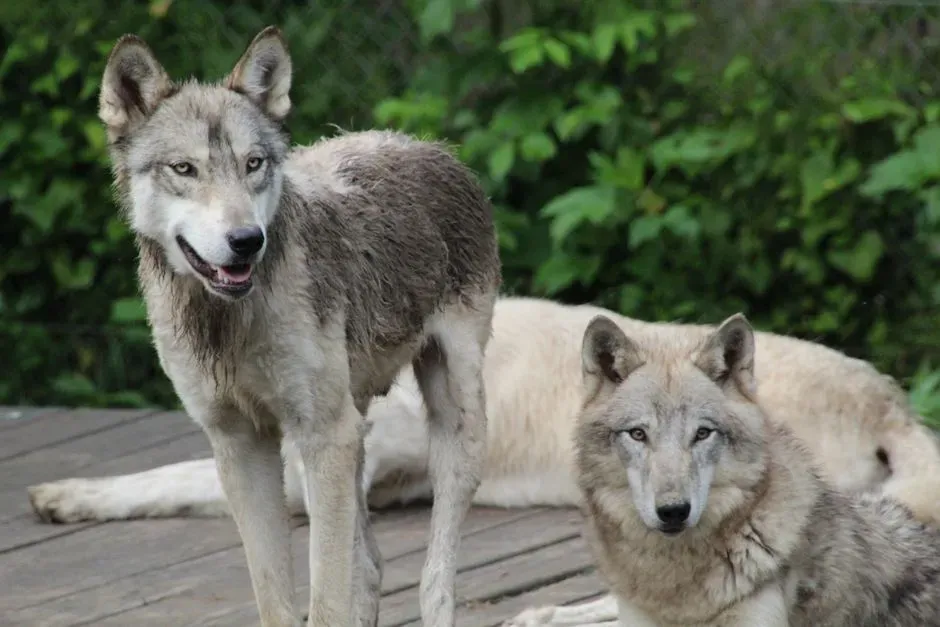
The gray wolf is still the gold standard for wild canine intelligence, especially when it comes to social complexity. Wolves don’t run in chaotic mobs – they operate in family-based packs that coordinate territory defense, pup-rearing, and hunting with a nuance that looks more like primate behavior than typical carnivore instinct. They track rival packs, remember seasonal prey migrations, and clearly learn from past conflicts.
Their communication system backs that up: howls, whines, growls, postures, and scent marks all carry specific information about location, mood, and intent. Long-term observation suggests wolves can anticipate what a packmate will do next and adjust their own move in advance, not just react to it. Specific hunting techniques and travel routes even get passed down through generations like family traditions.
Only the mountain has lived long enough to listen objectively to the howl of a wolf.
Aldo Leopold
Wolf politics are polarizing – people either idolize them or want them gone – but the science lands somewhere calmer. Gray wolves combine memory, emotional depth, and strategy in a way that makes them one of the most cognitively complex carnivores alive today.
The Bottom Line
When people rattle off “smart animals,” wild canines almost never make the list, and that says more about us than about them. From foxes faking out rivals with decoy caches to wild dogs holding literal group votes before a hunt, these species prove intelligence isn’t about performing human tricks. It’s about reading environments, partners, and threats better than the competition does.
Here’s the uncomfortable part: several of these animals are better at adapting to our chaos than we are at adapting to theirs. The science increasingly suggests we’ve been underestimating wild canines for decades, mostly because it’s easier to call them pests than to admit they’re outsmarting us in real time.
So which one do you think we’ve underestimated the most – the trickster fox rifling through your trash, or the wolf we’ve spent centuries either worshipping or hunting?


