

Anyone who has ever sobbed into a dog’s fur knows the feeling: those big eyes, the quiet leaning against your leg, maybe the gentle nudge of a wet nose. It can feel like they understand everything. In the last few years, researchers have been asking a surprisingly tricky question: are dogs really responding to our sadness, or are we just seeing what we want to see?
What scientists are finding is both heartwarming and humbling. Dogs do notice when we cry, and many of them react in ways that look remarkably like empathy. But their responses are not automatic, and they are not all the same. How closely a dog is bonded to you, what they have learned from past experiences, and even their own stress levels may shape what they do when the tears start.
Do Dogs Actually Notice When We Cry?
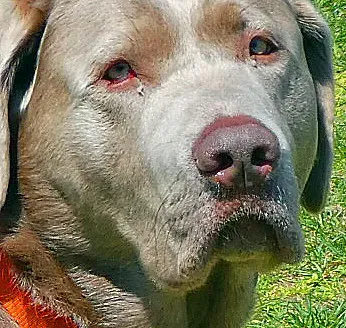
Here’s the surprising part: for dogs, human crying is not just “louder talking,” it is a distinct emotional cue. Studies using recordings of human sounds have found that many dogs react differently when they hear crying compared with neutral speech, sometimes becoming more alert, anxious, or attentive. Their body language often shifts: ears perk, posture changes, and they may move toward the sound, as if checking whether something is wrong.
Researchers have also looked at dogs who see a person pretending to cry versus casually chatting. Even when the crying person is a stranger, a number of dogs are more likely to approach and interact with them than with someone who is just humming or speaking. That suggests they are not just reading our words, but picking up on the emotional tone in our voice, facial expression, and body posture in a way that goes beyond simple obedience or training.
When Comfort Looks Like Empathy
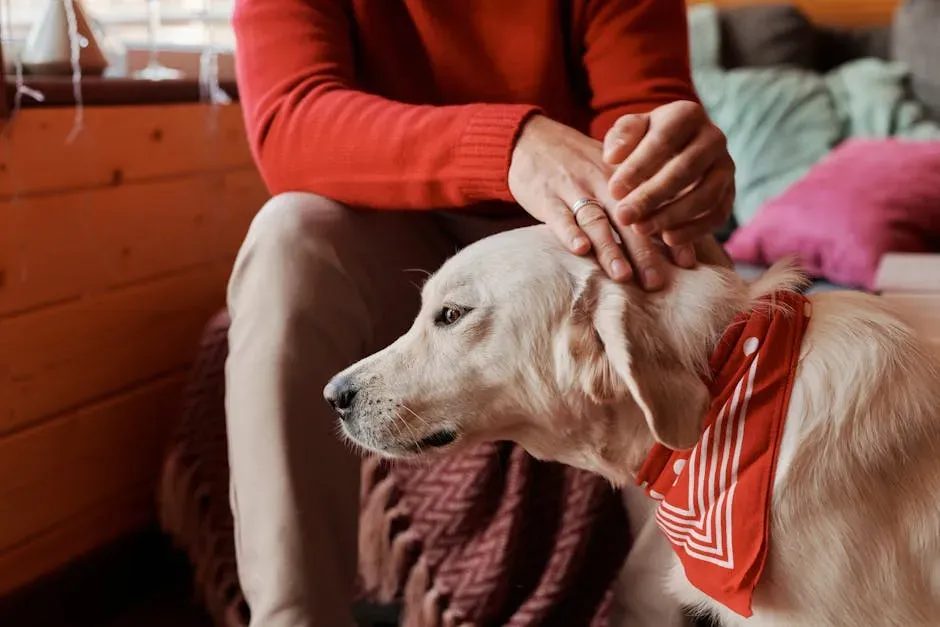
One of the most touching behaviors people report is their dog coming to “comfort” them when they are upset. In experiments where a human cries, many dogs will move closer, lick, nuzzle, or gently paw at the person. Some will even whine softly or rest their head on a lap, behaviors that look a lot like an attempt to soothe or connect. That has led scientists to ask whether this might be a basic form of empathy, sometimes called emotional contagion.
Emotional contagion is when one individual mirrors another’s emotional state without fully understanding it, like when you tense up around someone who is scared, or tear up when you see another person cry. Dogs seem capable of this kind of emotional syncing with their humans. Their heart rate and stress hormones can shift in response to their owner’s emotional state, hinting that when you feel lousy, they might literally feel it with you, not just stand nearby as a furry prop.
The Bond Factor: Why Your Dog Reacts Differently to You Than to Others
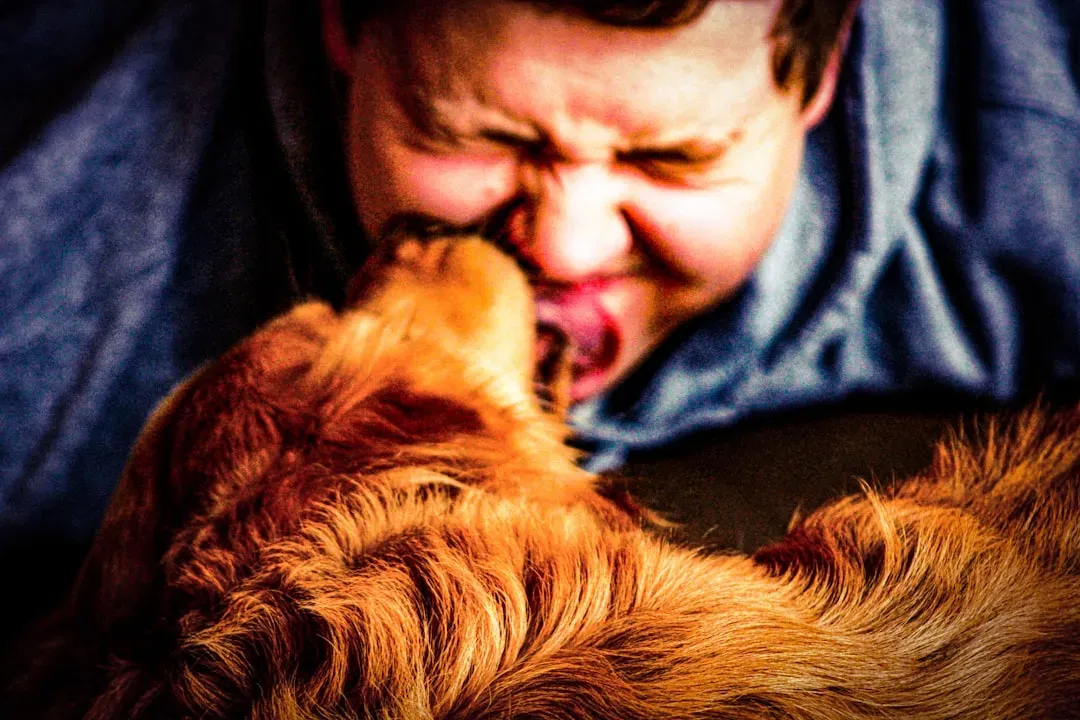
Not all humans are equal in a dog’s emotional world. Many studies suggest that dogs form attachment bonds with their main caregivers that are strikingly similar to the way young children bond with their parents. They use their human as a safe base, show distress when separated, and look to them for reassurance in strange or stressful situations. It is not shocking, then, that this bond seems to shape how they respond to human crying.
Dogs often react more strongly when their own person is upset than when a stranger is. They may be faster to approach, more persistent in trying to make contact, and more focused on the crying individual. In some experiments, dogs have even been observed trying to cross a mild barrier to reach their crying owner. That suggests they are not just responding to any sad sound, but specifically tuned in to the person they rely on and interact with every day, the way you might be more concerned about your best friend’s tears than a stranger’s.
Comforting You vs. Calming Themselves

Here’s where it gets more complicated. When your dog rushes over as you cry, are they trying to comfort you, or are they trying to make their own discomfort stop? From a scientific perspective, those two possibilities are hard to untangle. A dog that licks your hand when you sob could be responding to your distress, but it could also be reacting to their own rising anxiety and seeking closeness because they themselves feel unsettled.
Some researchers think both things can be true at once. Dogs may find human crying stressful or confusing, which pushes them to seek contact. At the same time, because they have learned that close contact, gentle touch, and staying near you usually leads to calm and safety, they default to those behaviors when something feels wrong. In everyday language, you could say they comfort you because comforting you also comforts them, and over time that shared pattern becomes part of your bond.
Why Some Dogs Come Running – and Others Walk Away
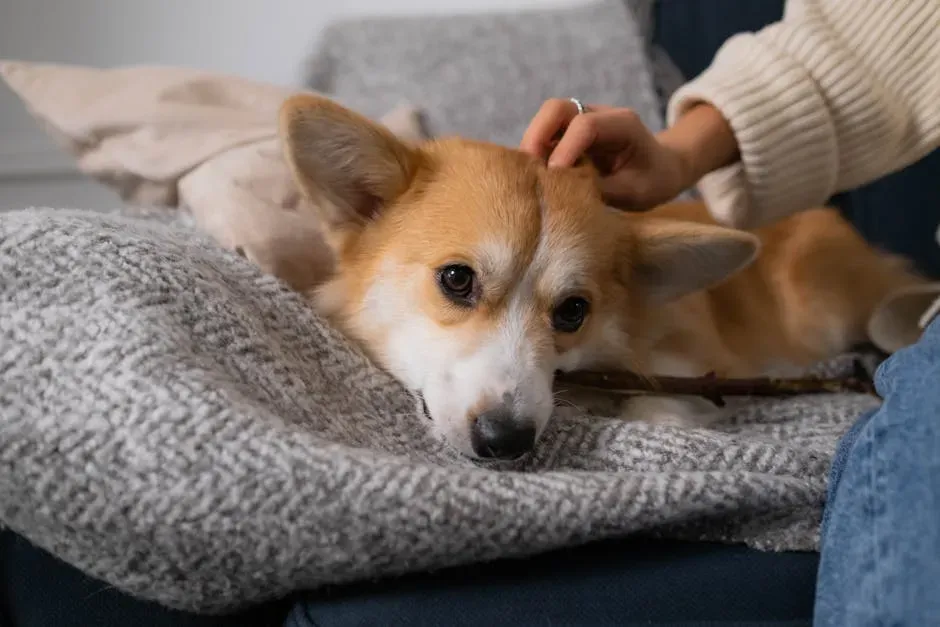
If you have had multiple dogs, you might have noticed that some act like four-legged therapists while others seem almost indifferent to tears. Temperament plays a big role here. More social, people-focused dogs are often quicker to approach and engage when a human is upset. More independent or anxious dogs might keep their distance, pace, or hide, even if they care deeply about their person. It is not that they do not notice the crying; they may simply not know how to deal with it.
Past experiences also matter. A dog who has been punished around loud voices or sudden movements could associate intense human emotion with danger and choose avoidance instead of comfort. On the flip side, dogs who have been gently reinforced for checking in, staying close, or being calm around upset humans are more likely to show those “comforting” behaviors. Just like people, dogs bring their history and personality into every emotional moment.
From my own experience, I have seen one dog climb into a sobbing friend’s lap like a weighted blanket, while another dog hovered anxiously by the doorway, torn between curiosity and nervousness. Neither reaction felt wrong. Each dog was doing the best it could with the emotional tools it had, shaped by years of learning what human moods might mean.
How Dogs Read Human Emotions Beyond Tears

Crying is only one piece of the emotional puzzle. Dogs are surprisingly good at reading other human cues: facial expressions, posture, tone of voice, and even tiny changes in movement. Research using photos and sounds has shown that many dogs can distinguish between happy and angry faces and can match emotional voices with corresponding expressions. They do not just hear that your voice is louder; they seem able to tell when a human mood has shifted from calm to tense or from cheerful to distressed.
Over time, your dog builds a mental library of your patterns. They learn that when you move slowly, speak softly, and slump your shoulders, something is off, while particular tones of laughter or frustration might predict certain outcomes. Crying often comes with a full package of signals – red eyes, slower movements, different smell from stress hormones, a different way of touching – that a dog may learn to recognize as a distinct state. That makes it easier for them to notice that this is a moment that calls for a different kind of response.
Can We Train Dogs To Respond Better To Our Feelings?

While some of a dog’s sensitivity to human emotion seems to come naturally from domestication, a lot of it can be shaped through everyday interaction. When you calmly reward your dog for checking in when you are stressed, or you invite them to sit with you rather than pushing them away in emotional moments, you quietly teach them that responding to your feelings is safe and welcome. Over months and years, that can turn into a reliable pattern where your dog seeks you out and settles near you when life gets hard.
That said, it is important not to treat your dog like an on-demand emotional support machine. If your distress is intense or frequent, some dogs may become overwhelmed, anxious, or even avoidant over time. Offering them breaks, maintaining predictable routines, and giving them their own safe space allows them to be emotionally present without burning out. In a way, healthy emotional support between human and dog is a two-way street: you lean on each other, but you also protect each other’s capacity to cope.
What Our Dogs’ Reactions To Our Tears Say About Us
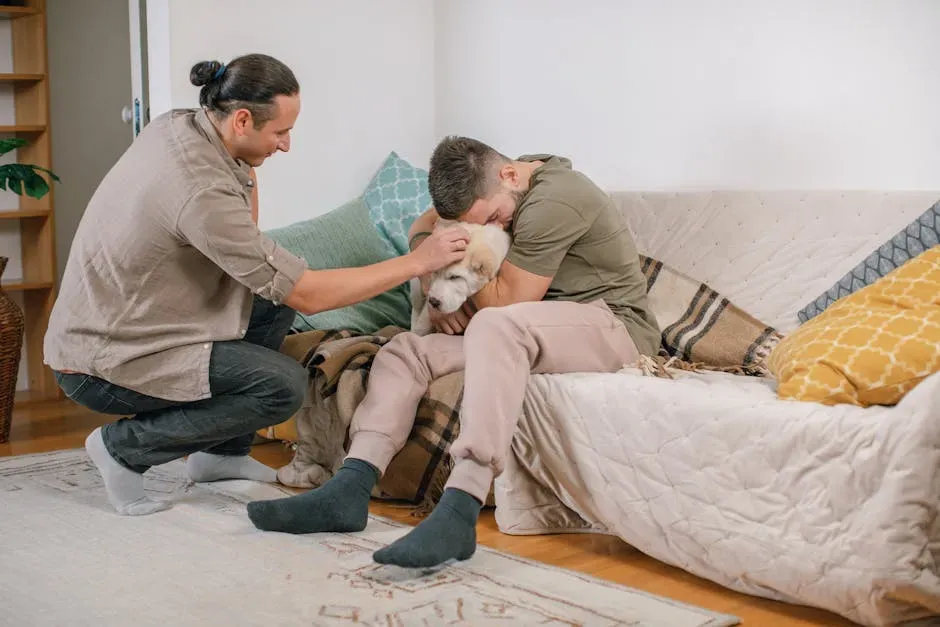
Ultimately, the way a dog responds when a human cries is less like a movie scene and more like a mirror. It reflects the history of your relationship, your patterns of communication, and the emotional climate you have created together. A dog that quietly leans against you may be showing years of learning that your sadness is something to move toward rather than away from. A dog that hides might be telling a story about confusion, overstimulation, or past experiences where big human emotions felt unsafe.
To me, the most moving part is not the question of whether dogs are perfectly empathetic like humans, but the fact that they are even in the emotional conversation at all. They did not evolve to understand human tears specifically, yet thousands of years of living alongside us have tuned them into our moods in a way no other animal quite matches. Maybe the deeper question is not whether our dogs truly understand our crying, but how we can become just as attentive and gentle with their quieter signals of fear, stress, or contentment. When your dog looks up at you with worried eyes as you wipe your face, it is an invitation to remember that the bond runs both ways – and that might be the most healing part of all.


