Perhaps they start pacing, whining, or seeking shelter even when the sky is clear. These behaviors aren’t just quirks; they’re signs of your dog’s acute sensitivity to impending weather changes. Understanding these pre-storm behaviors can offer valuable insights into canine instincts and even provide early warnings for severe weather.
1. Pacing and Restlessness
1. Pacing and Restlessness (Image Credits: Pexels)Before a storm, many dogs exhibit increased restlessness, often pacing back and forth without settling. This behavior is linked to their ability to detect drops in barometric pressure, a common precursor to storms. Their heightened sensitivity to atmospheric changes can make them uneasy, prompting them to move around in search of safety.This restlessness isn’t just random; it’s a survival instinct. In the wild, seeking shelter before a storm is crucial for survival. Your domesticated dog retains this instinct, manifesting as pacing or an inability to relax as they sense the approaching weather changes.
2. Seeking Shelter in Unusual Places
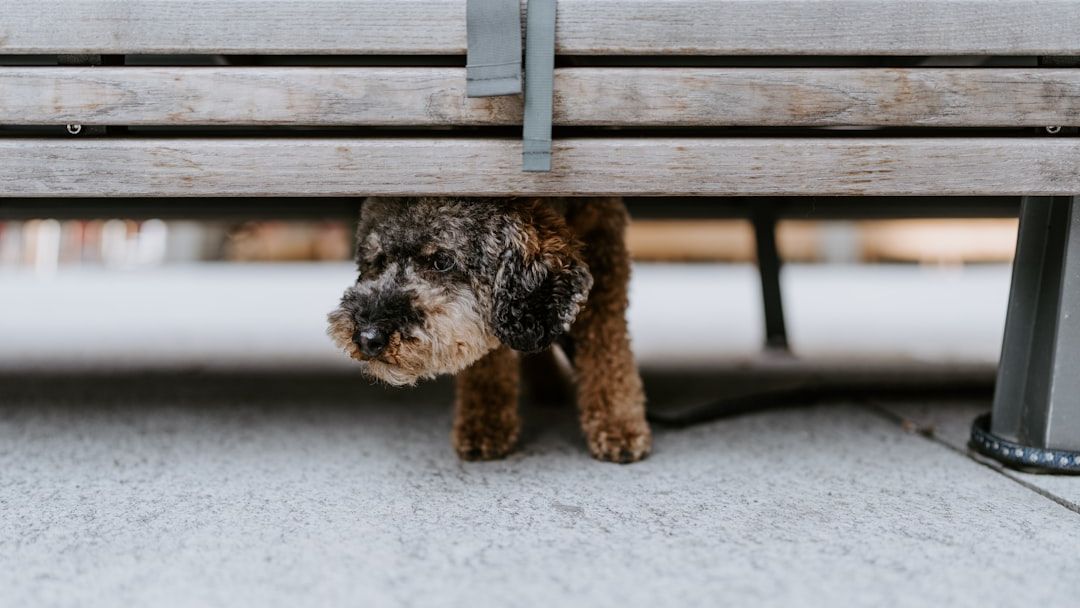
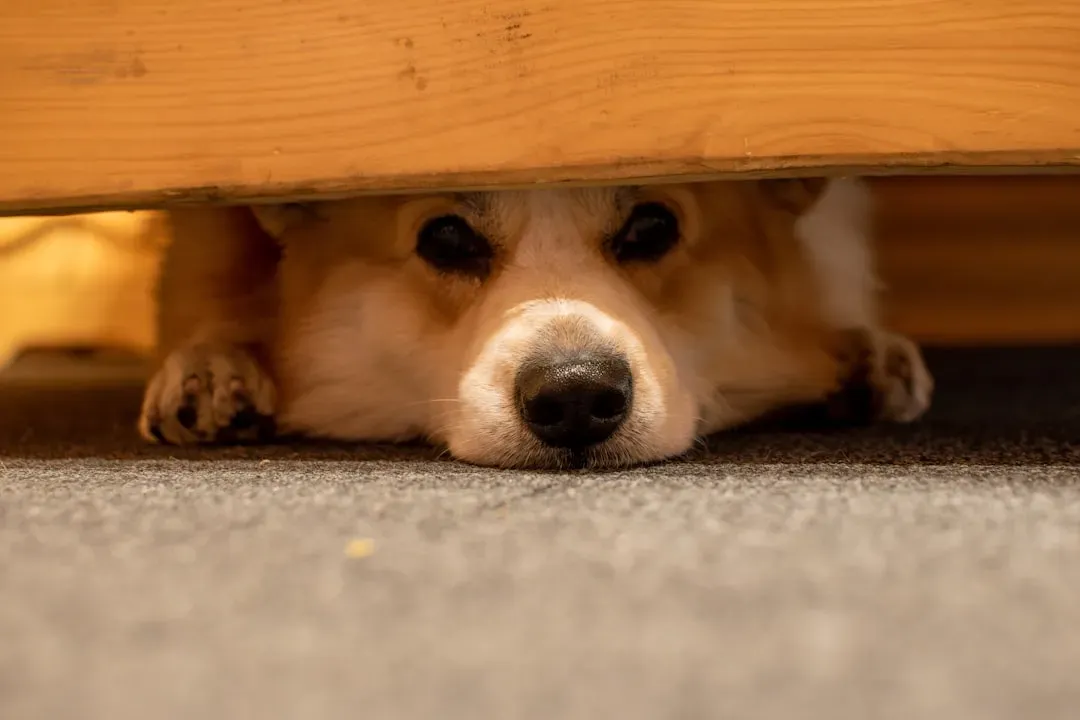
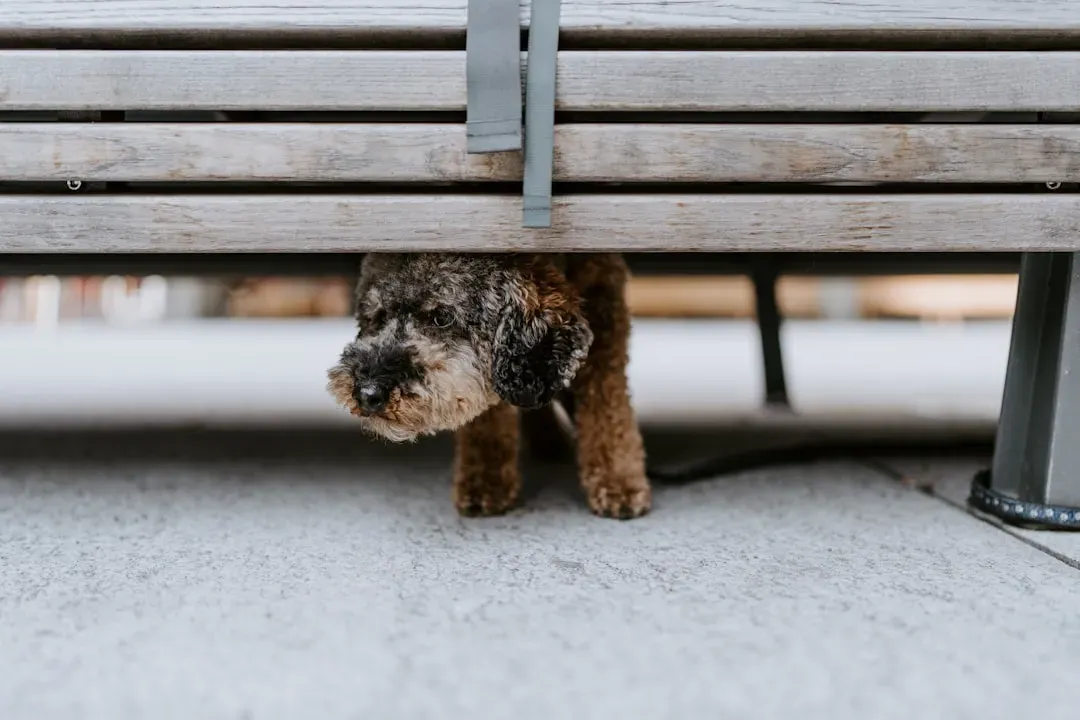
2. Seeking Shelter in Unusual Places (Image Credits: Unsplash)Dogs often seek out confined spaces like closets, bathrooms, or under furniture before a storm. This behavior is believed to be a response to their discomfort with static electricity buildup in the air, which can cause a tingling sensation in their fur. Enclosed spaces may provide a grounding effect, reducing this discomfort.Additionally, these areas are typically quieter and darker, offering a sense of security. By retreating to these spots, dogs are attempting to shield themselves from the sensory overload that storms can bring.
3. Excessive Barking or Whining
3. Excessive Barking or Whining (Image Credits: Pexels)An increase in vocalization, such as barking or whining, is common as a storm approaches. Dogs’ acute hearing allows them to detect the low-frequency rumbles of distant thunder long before humans can. This early detection can cause anxiety, leading to vocal expressions of distress.This behavior serves as a form of communication, signaling their unease and seeking reassurance from their human companions. It’s their way of expressing that something in their environment feels off or threatening.
4. Trembling or Shaking
4. Trembling or Shaking (Image Credits: Pexels)Visible trembling or shaking is another sign of storm anxiety in dogs. This physical response can be triggered by their sensitivity to changes in air pressure and the static electricity that precedes a storm. The combination of these factors can lead to a heightened state of nervousness.This involuntary reaction is akin to a human’s response to fear or cold, indicating that the dog is experiencing significant stress due to the impending weather changes.
5. Clinginess or Seeking Constant Attention
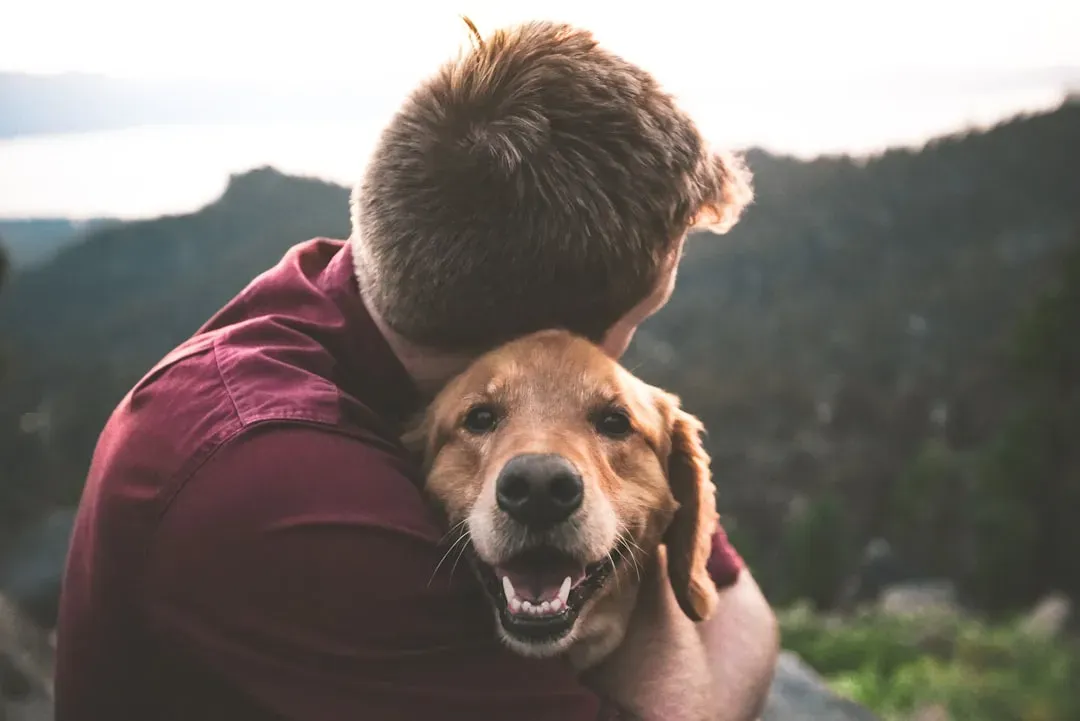
5. Clinginess or Seeking Constant Attention (Image Credits: Unsplash)Some dogs become unusually clingy before a storm, following their owners closely and seeking constant attention. This behavior is a coping mechanism, as they look to their trusted humans for comfort and security in the face of impending atmospheric changes.By staying close, dogs may feel more protected and reassured, helping to alleviate their anxiety about the approaching storm.
6. Hiding or Attempting to Escape
6. Hiding or Attempting to Escape (Image Credits: Unsplash)In an effort to find safety, dogs may hide under beds, in closets, or even attempt to escape from the house or yard. This behavior is driven by their instinct to seek shelter from perceived threats, such as the loud noises and flashes of light associated with storms.This escape behavior underscores the depth of their fear and their strong desire to find a secure environment away from the storm’s stimuli.
7. Loss of Appetite
7. Loss of Appetite (Image Credits: Unsplash)A sudden disinterest in food can occur as a storm approaches. The anxiety and stress induced by their sensitivity to impending weather changes can suppress their appetite, leading them to ignore meals they would typically enjoy.This loss of appetite is a common stress response, indicating that their focus has shifted from routine activities to coping with the perceived threat of the storm.
8. Excessive Drooling or Panting
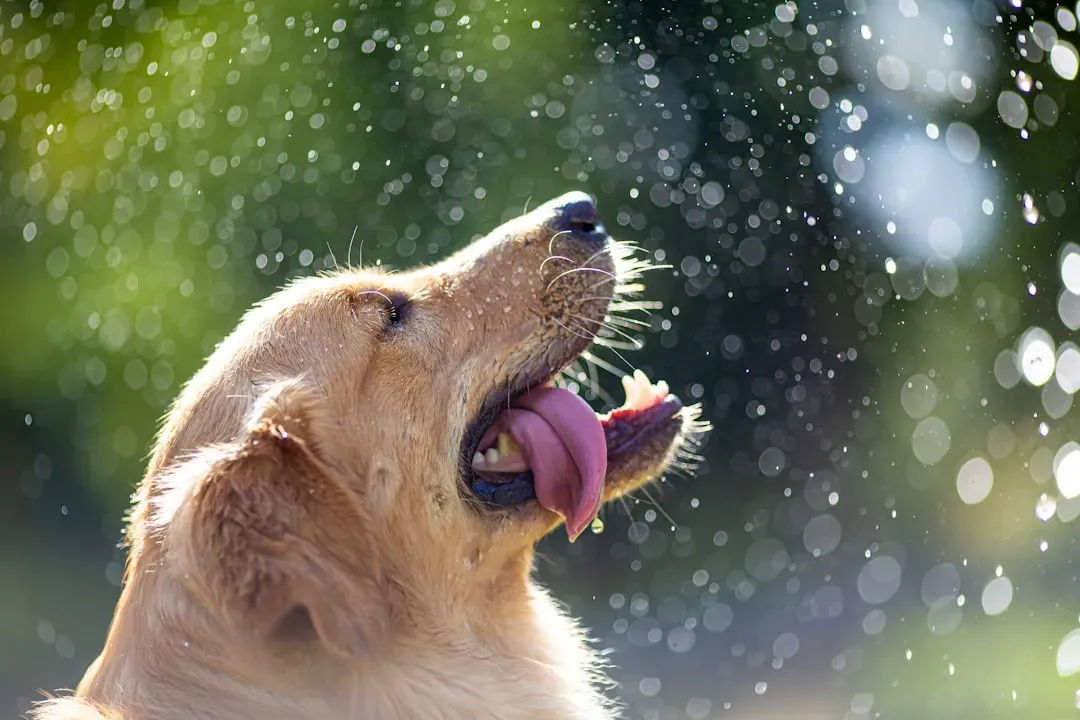
8. Excessive Drooling or Panting (Image Credits: Unsplash)Increased drooling or panting is a physiological response to stress. As dogs sense the approaching storm through changes in pressure and static electricity, their anxiety levels rise, leading to these physical manifestations.These signs are indicators of their heightened state of alertness and discomfort, reflecting their internal response to the environmental changes they are detecting.
9. Destructive Behavior
9. Destructive Behavior (Image Credits: Pixabay)Some dogs may engage in destructive behaviors, such as chewing furniture or scratching doors, as a storm nears. This can be an outlet for their anxiety and a way to cope with the stress caused by their acute awareness of the impending weather changes.This behavior is not out of spite but rather a manifestation of their inability to process and manage the stress they are experiencing due to the storm’s approach.
10. Frequent Urination or Accidents Indoors
10. Frequent Urination or Accidents Indoors (Image Credits: Pixabay)Anxiety can lead to a loss of bladder control, resulting in frequent urination or accidents indoors. The stress from sensing an approaching storm can disrupt their normal bodily functions, leading to these incidents.This response is similar to how stress can affect bodily functions in humans, indicating the profound impact that storm anxiety can have on dogs.
11. Hyperactivity or Unusual Energy Bursts
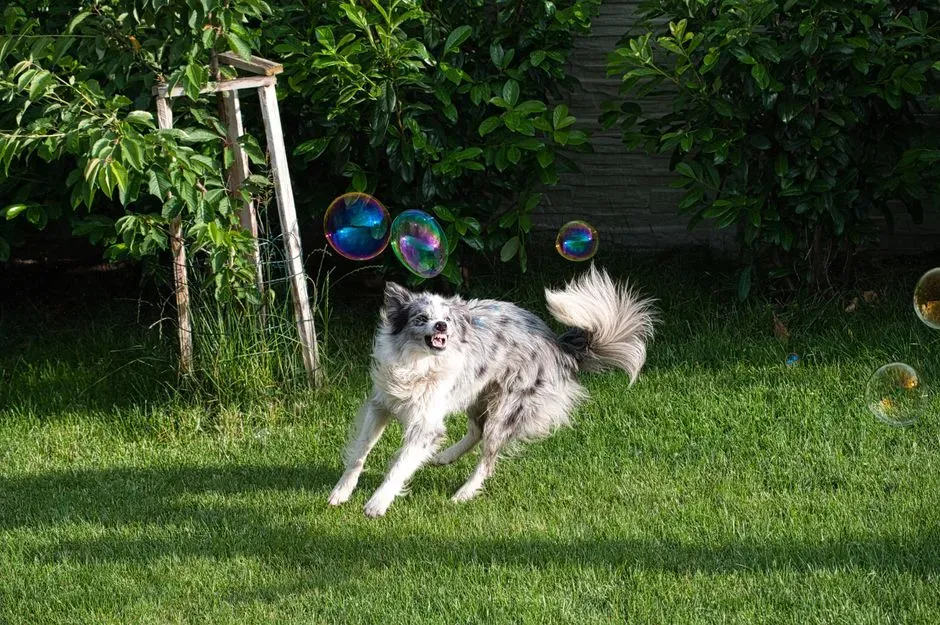
11. Hyperactivity or Unusual Energy Bursts (Image Credits: Pexels)Some dogs may display sudden bursts of energy or hyperactivity before a storm. This can be a response to the discomfort they feel from changes in the environment, such as shifts in barometric pressure or static electricity.This hyperactivity serves as a way for them to expend nervous energy and cope with the unease they are experiencing due to the impending storm.Understanding these behaviors is crucial for pet owners. By recognizing the signs, you can provide comfort and create a safe environment for your dog during storms. Moreover, these canine instincts could serve as natural early warning systems, offering valuable time to