
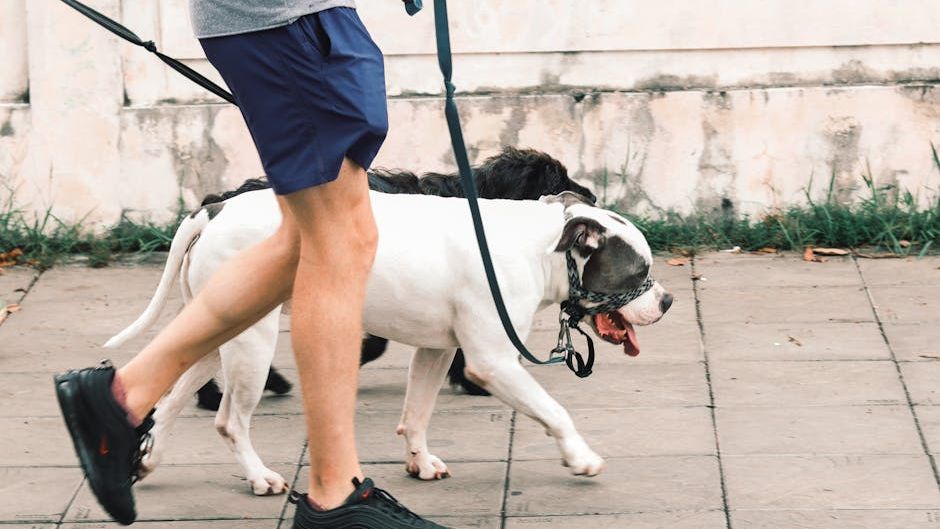
Most dog owners clip the leash on each morning without giving it a second thought. The dog comes, the door opens, and off you go. But here’s something worth sitting with: just because your dog shows up for the walk doesn’t automatically mean they’re loving every minute of it.
Dogs can’t exactly tap you on the shoulder and let you know they’d rather take a different route or slow down by that tree for a bit longer. They communicate entirely through their bodies, their pace, their posture, and dozens of small signals that most of us walk right past. Once you start noticing what those signals actually mean, walks become a completely different experience for both of you.
The Tail Tells More Than You Think
Most people assume a wagging tail equals a happy dog. It’s one of the most deeply held beliefs in the entire dog-owner playbook. The reality is a bit more nuanced than that.
Tail-wagging seems like an obvious body language signal. If a dog’s tail is wagging, the dog is happy, right? But all a wagging tail really means is that the dog is emotionally aroused. Arousal and happiness are not the same thing, and that distinction genuinely matters on a walk.
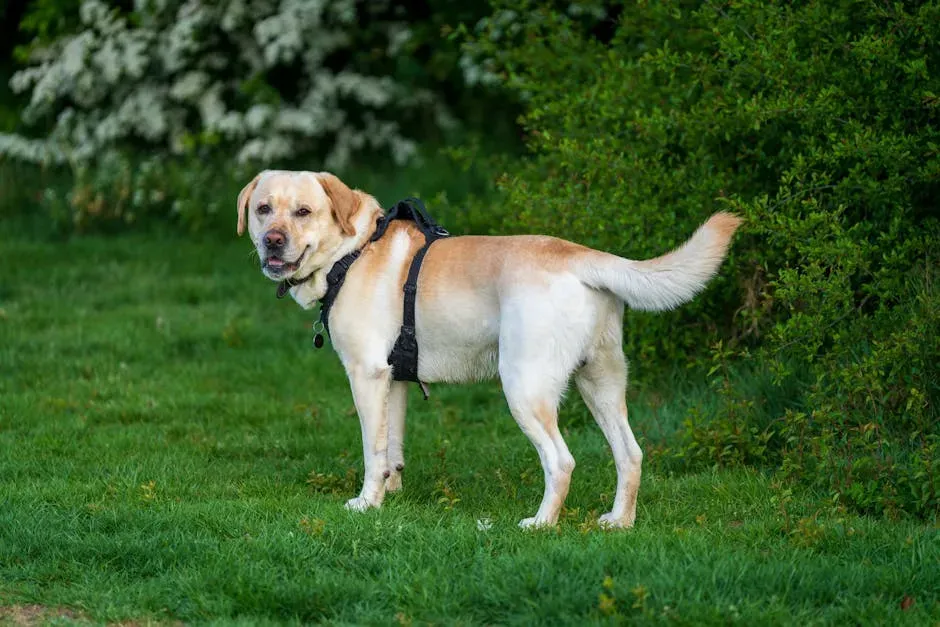
Tail movement and position are highly sophisticated, and not all wags mean a dog wants you in their space. What you’re looking for is a tail in a lower position. The wag should be slow, rhythmical, have a casual quality about it, and move back and forth like an old-fashioned metronome.
A key sign is found in circular wags. If your dog is wagging its tail in a circle, it is showing you that it is very happy and joyful. On the other side of the coin, a tail curled tightly down and between the hind legs is a universal sign of fear, stress, or submission. A tail held low and wagging in a stiff, rapid, frantic manner signals insecurity, worry, or apprehension.
Read the Whole Body, Not Just One Part
Watching the tail is a start, but the real picture comes from reading your dog from nose to paw. Their body is always speaking; the question is whether you’re listening to the full sentence or just one word.
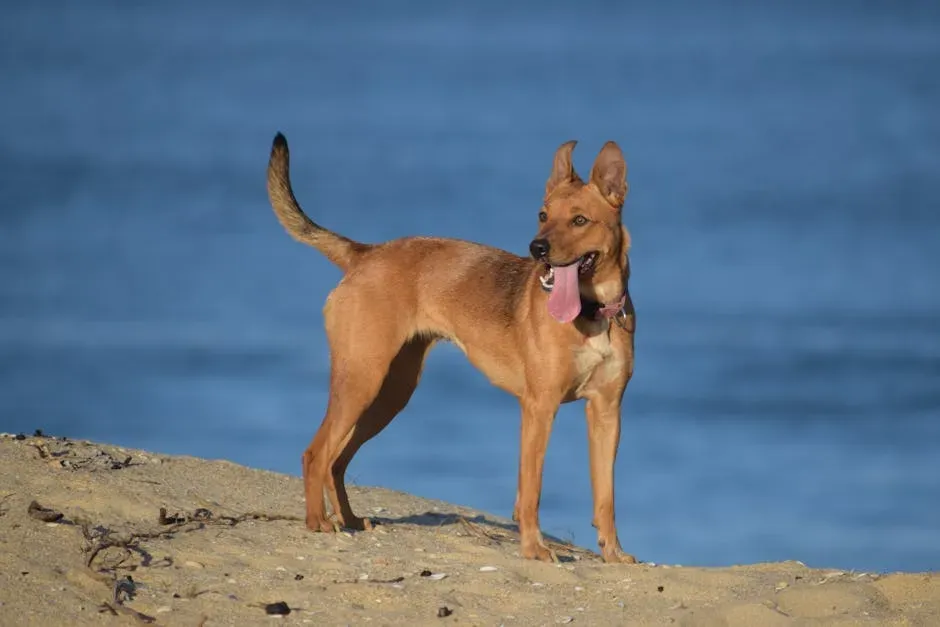
A happy dog often displays relaxed and loose body language. Their posture is neither stiff nor tense, and their tail wags gently or in broad, sweeping motions. The eyes will appear soft, with no signs of squinting or tension. A loose, open mouth that looks like a smile and relaxed ears also indicate contentment.
A wagging tail doesn’t always mean a dog is happy. It’s the rest of the body that gives the wag context. Are they loose and wiggly, or stiff and tense? A dog whose whole body is soft and fluid is genuinely at ease. One that carries tension through the shoulders and neck even while the tail moves is probably managing some level of stress.
A happy dog has an open countenance, a relaxed expression, a lack of stress lines around the face, and no tension in their body. That might sound like a small thing, but you’ll immediately notice it once you start paying close attention on your next walk.
Eye Contact and Check-Ins Are Genuine Signs of Joy
There’s something quietly moving about the moment your dog looks back at you mid-walk. It’s easy to overlook, but that small glance carries a lot of weight.
Even with so much to explore on a walk, many dogs will glance back at their owners to check in. Your pup might look up or make quick eye contact to see what’s happening. Even confident dogs will glance at you or look up to see if you’re walking in sync. This signifies trust and a desire to stay connected, even if there are distractions like plants or other people walking.
Eye contact between you and your dog triggers the release of oxytocin, sometimes called the “love hormone,” in both humans and dogs. This same hormone helps build trust between mothers and their babies. So, when your dog gazes at you with those soft, loving eyes, it’s not just cute, it’s strengthening your emotional connection and lowering stress for both of you.
When a dog is happy and relaxed, their eyes are almond-shaped, with a gentle, relaxed gaze. You might even see them squint a little when they look at you. This is the opposite of the wide-eyed “whale eye,” where you can see the whites of their eyes, which is a sign of stress.
The Sniff Factor: Why Nose Time Matters Deeply
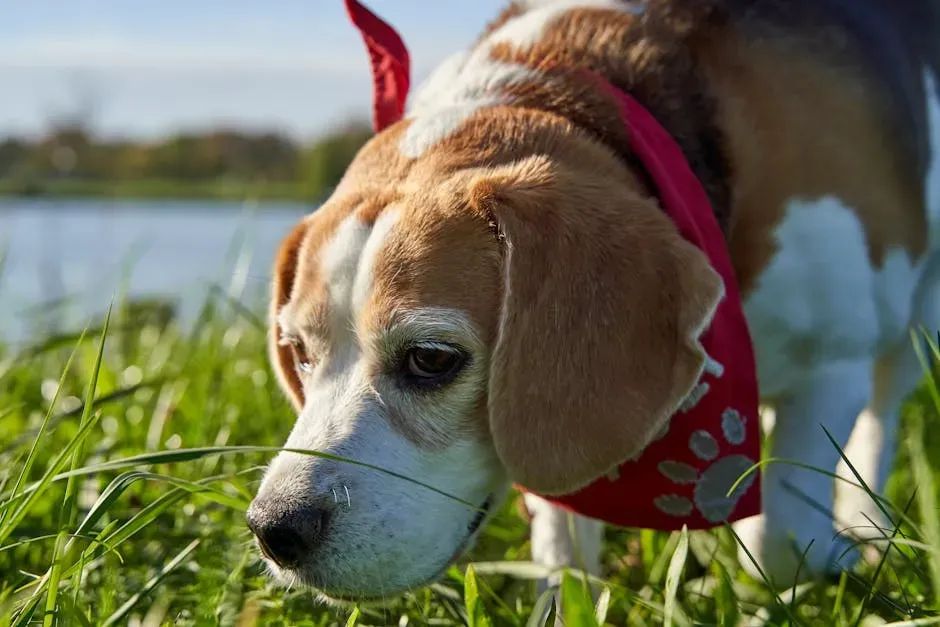
If your dog keeps stopping to smell every blade of grass and lamppost, that’s not them being difficult or slow. That’s them doing exactly what their brain and body need most.
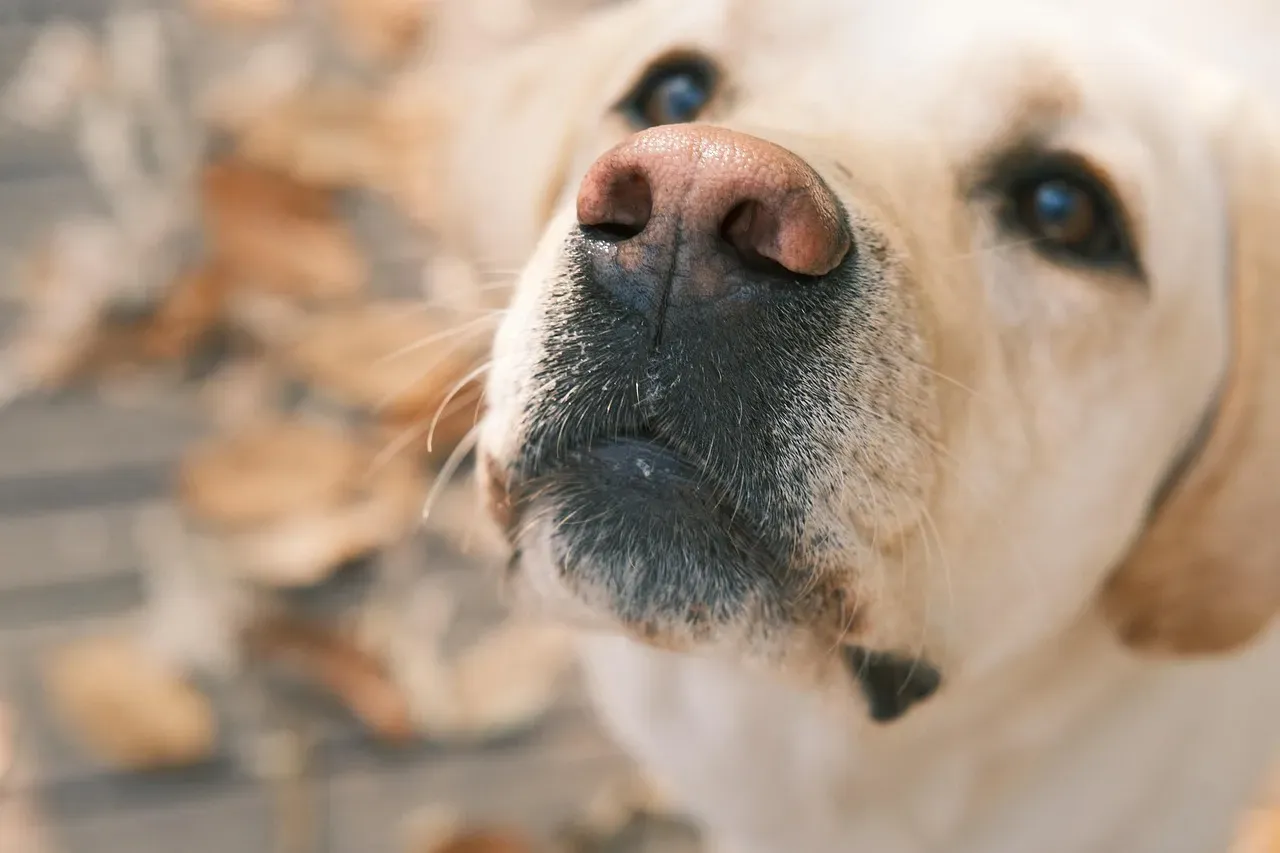
When dogs step outside, they are greeted by a plethora of captivating scents, sights, and sounds. Their sense of smell is significantly more powerful than ours, allowing them to pick up on a wide range of odors. Every blade of grass, tree trunk, or fire hydrant holds a story waiting to be discovered. Dogs explore the world through their noses, and going on walks allows them to indulge in this sensory delight.
Dogs experience the world through their noses, so every sniff on a walk is like reading the morning news. When you let your dog stop and investigate scents, you’re not spoiling them, you’re feeding their brain. This kind of enrichment can help reduce stress, anxiety, and even unwanted behaviors at home.
Safe and happy dogs are curious about the world around them. They’ll sniff around during walks, greet new people or other dogs with interest, and explore new toys with excitement. Dogs that feel safe in their environment are more likely to adapt well to new situations. Giving your dog permission to lead with their nose is one of the simplest ways to measure whether a walk is going well.
Warning Signs That the Walk Isn’t Going Well
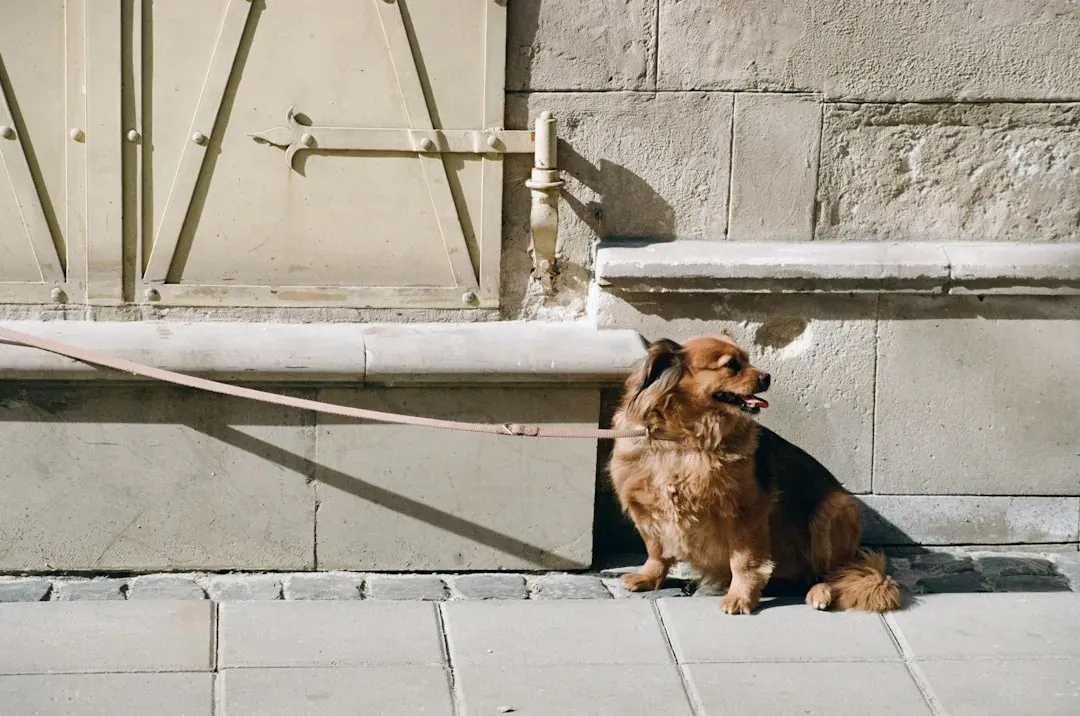
Enjoying a walk and tolerating a walk are two very different things. Some dogs push through discomfort without making a fuss, which makes it easy to miss the signals.
Anxiety in dogs can manifest through various signs such as excessive panting, lowered tail, ears pulled back, and trembling. If your dog shows these signs, try to identify triggers and gradually expose them to desensitization techniques to build confidence.
A worried dog will also look tense rather than relaxed in the way that they hold themselves. They might shrink away, hold their head low and avoid eye contact by looking away. If your dog goes very still, like a statue, that usually means they’re getting really uncomfortable. Stillness during a walk, especially in a new environment, is often misread as calm. It rarely is.
The leash can serve as a form of communication between you and your dog. Tension on the leash can be a sign of stress or excitement. A slack leash indicates a more relaxed and comfortable dog. Pay attention to how the leash actually feels in your hand, not just where your dog is going.
How Routine and Consistency Shape the Walk Experience
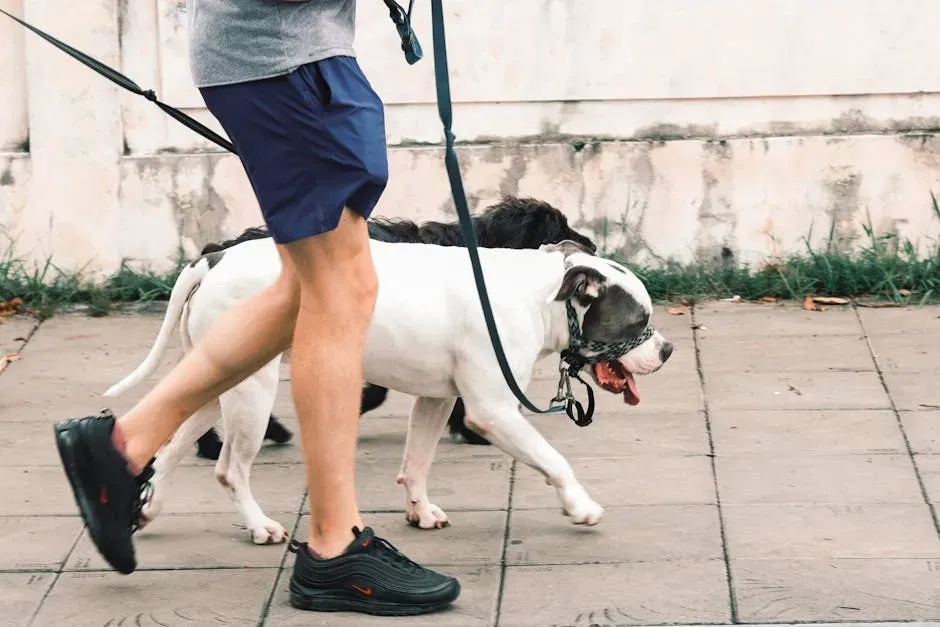
Dogs are creatures of pattern in a way that genuinely surprises many owners. The consistency of a walk matters almost as much as the walk itself.
Regular walks provide not only physical exercise but also mental stimulation for dogs. The sights, sounds, and smells they encounter during walks engage their senses and keep their minds active. Dogs thrive on routine, so consistent daily walks can help them feel secure and reduce anxiety. Knowing what to expect during a walk, like the route you take and when breaks occur, can provide comfort for your dog.
A tired dog is a calmer dog. A mentally stimulated dog is a better-behaved one. Regular walks can reduce or even eliminate some of the more frustrating behaviors that stem from under-stimulation or stress. There’s a real connection between a well-walked dog and one that settles easily at home in the evening.
Walks are relationship-building moments. They help establish trust and improve communication. You become your dog’s guide to the world, showing them what’s safe and what’s not. Over time, you’ll notice your dog looking to you for cues, paying more attention to your body language, and becoming more responsive overall. That growing responsiveness is itself one of the clearest signs that the walks are working the way they should.
The Bigger Picture: What a Truly Good Walk Looks Like
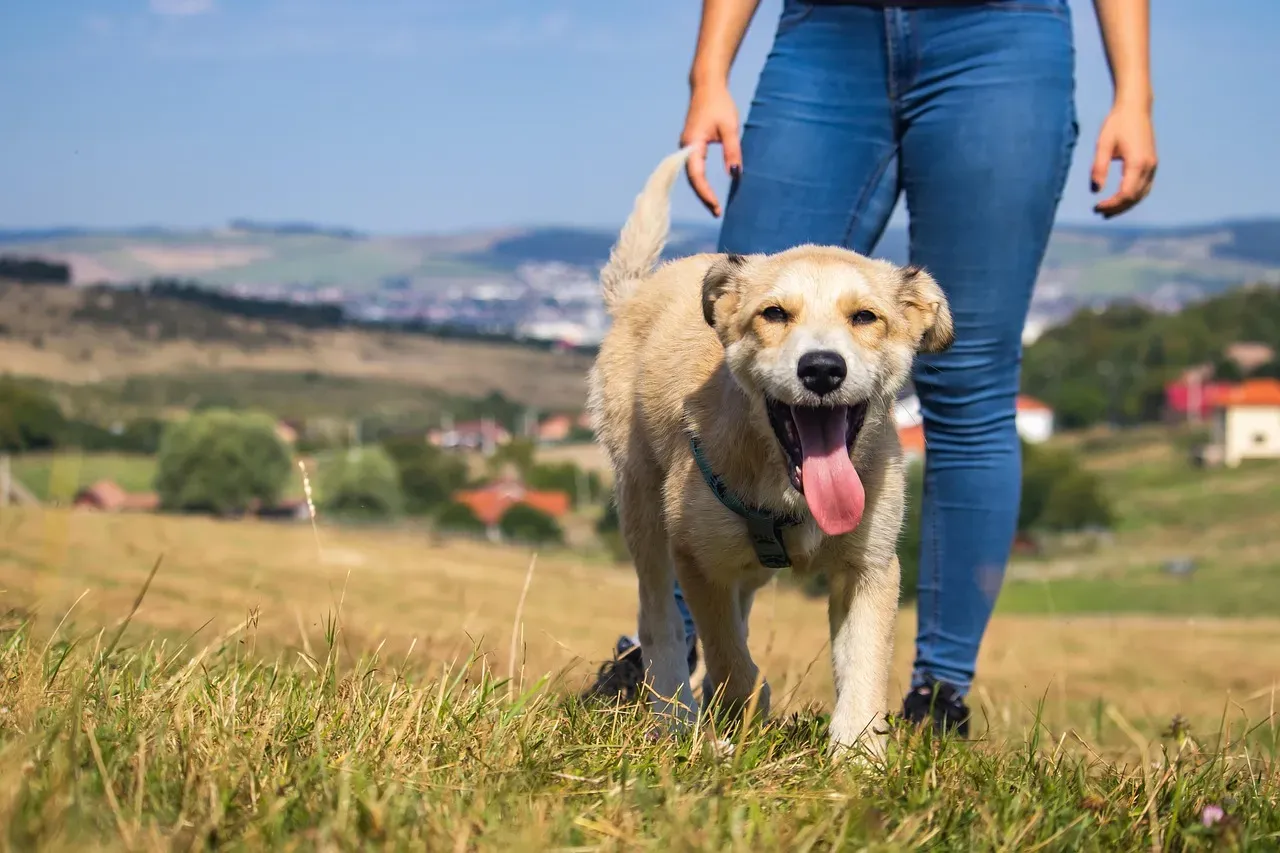
A dog that’s genuinely enjoying their daily walk looks a very specific way. They move with ease. Their body is fluid. They sniff freely, check in with you often, and carry themselves without tension. It’s recognizable once you know what to look for.
Behaviors such as “the zoomies,” quick bursts of energy, and regular check-ins with their owner during walks are also indicators of a content and well-adjusted dog. Zoomies, or sudden bursts of energy and running around, are a playful way your dog can show off their happiness. When a dog experiences the zoomies, they may also display other signs of happiness, such as a wagging tail and playful expressions. These quick bursts of energy are a great sign of contentment.
If you ever catch your dog making a little “huff” sound as they lie down after a walk, that’s a contented sigh. Dogs most often make it as they settle down for a rest after doing something they enjoy, such as a walk or playtime. That quiet exhale after a walk is, in its own gentle way, everything.
The walk you think you’re giving your dog and the walk they’re actually experiencing may not always be the same thing. Take a little time to observe before you lead. Let them sniff. Notice the leash. Watch the eyes. Your dog is sharing their whole emotional world with you on every outing, and the more fluently you can read it, the better that shared time becomes for both of you. The leash connects more than just two bodies moving down a street. Used well, it becomes a line of genuine communication.


