
There’s a quiet moment that every new dog owner eventually experiences. You’ve carried in the last box, the movers have gone, and your dog is standing in the middle of a strange room, nose working overtime, body a little too still. To you, this is home. To them, it’s a mystery. Every smell is unfamiliar, every sound is unplaced, and nothing makes sense yet.
Dogs don’t understand the concept of moving, but they do sense every shift in their environment. That’s why bringing a dog into a new home is about much more than simply transporting them from one place to another. It’s about care, preparation, and adjusting the whole process to meet their emotional needs. The good news? There’s a lot you can do to make this easier. These six approaches are grounded in what actually works.
Understand What Your Dog Is Going Through First
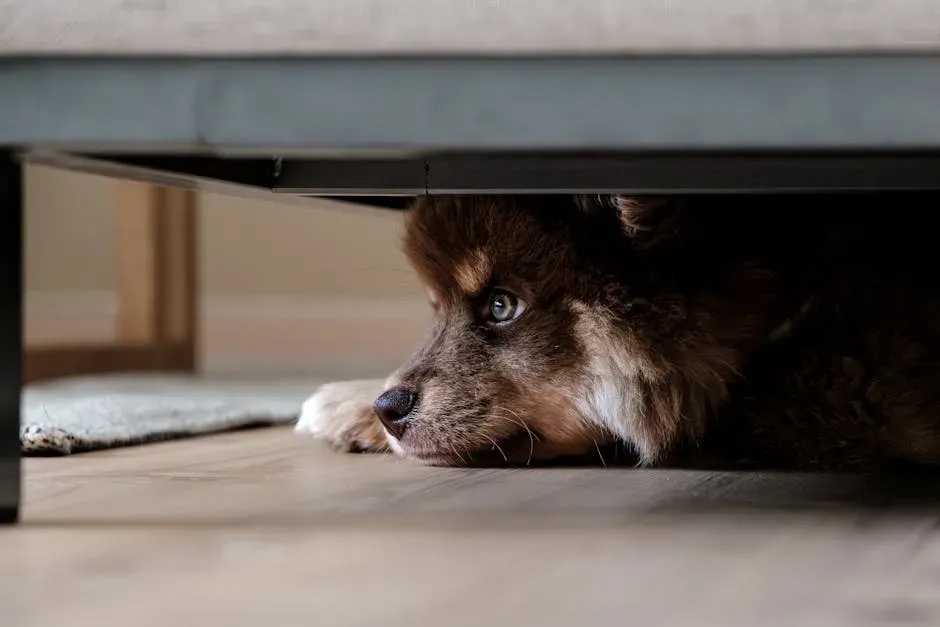
Before you can help your dog settle in, it’s worth understanding what’s actually happening for them. Dogs don’t understand the concept of a “new home.” Instead, they sense the loss of familiar smells, spaces, and routines that once made them feel secure. That’s why the adjustment period is completely natural, but it’s also delicate, and it requires understanding and patience.
Any stressful event can cause an increase in cortisol in your dog, which weakens the immune system and can cause or contribute to significant health issues, both short-term and long-term. A short-term stress event can produce cortisol that stays in your dog’s system for two to three days. Ongoing long-term stress keeps cortisol in the system constantly and does a lot more damage.
The “3-3-3 rule” for dog anxiety is a set of general guidelines for bringing home a new dog. It provides a framework for how to help your dog settle in during the first three days, the first three weeks, and the first three months. Think of it less as a strict schedule and more as a gentle reminder that adjustment happens in layers. The time it takes for a dog to adjust to a new home can vary from one dog to another. Normally, it takes two to three weeks for a dog to adjust to a new home, but it can take up to three months for them to fully adjust behaviorally.
Create a Safe Space They Can Call Their Own
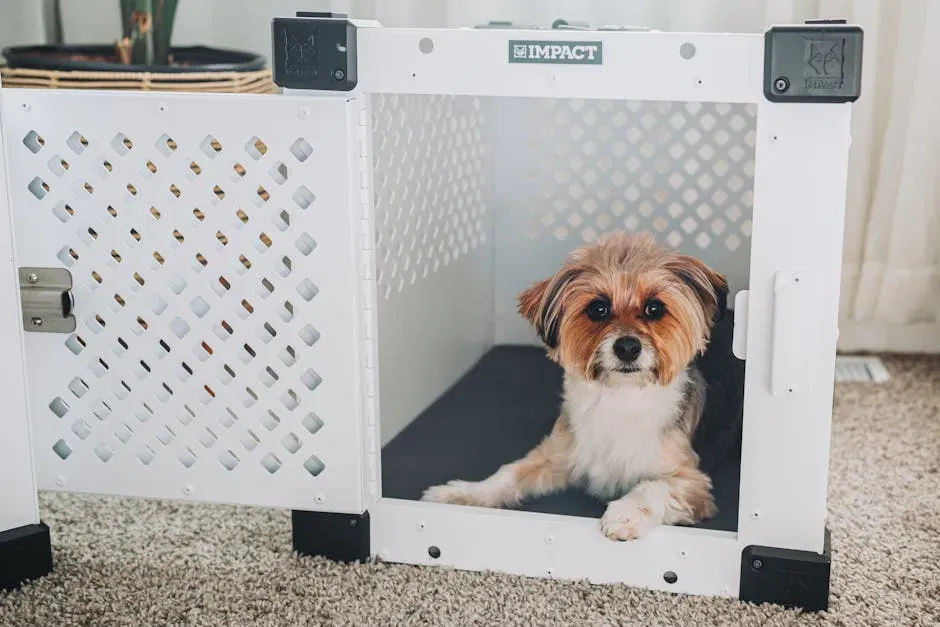
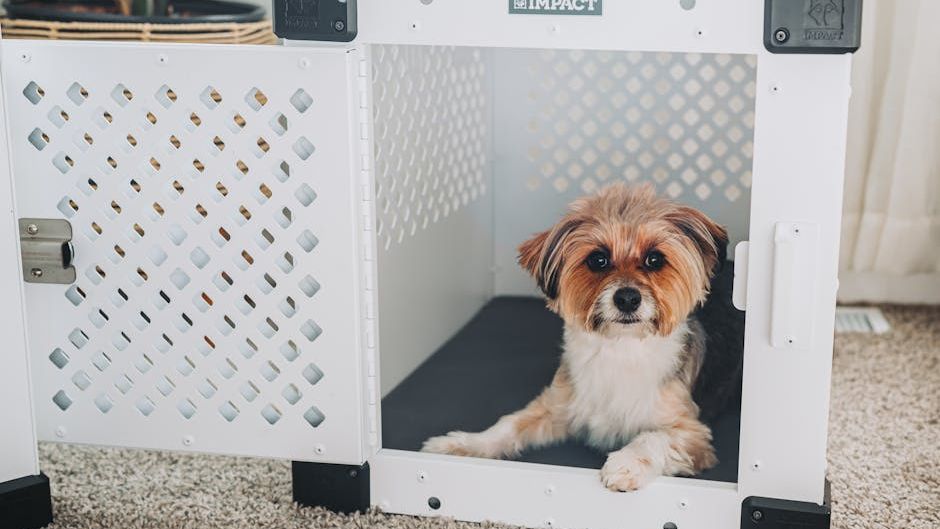
When you first bring your dog into your home, it’s essential to provide them with a quiet, safe space where they can settle in without feeling overwhelmed. Many dogs, especially those who have experienced trauma, can feel anxious in unfamiliar surroundings. This doesn’t need to be elaborate. A corner of a quiet room works perfectly well.
Place a soft bed or blanket in the area and add familiar items such as toys or a piece of clothing that smells like you. This can help comfort them while they adjust to their new home. Try to keep the area calm and quiet, away from loud noises or bustling household activities, so your new dog can have some peaceful downtime.
It helps to give your dog a safe, quiet zone as their base. Once they feel secure in that spot, allow them to choose when and how they venture out. Avoid dragging them into rooms they resist. Instead, lay a familiar toy or blanket in other rooms to encourage positive associations. Let curiosity do the work. It will come, on their timeline.
Stick To a Consistent Daily Routine
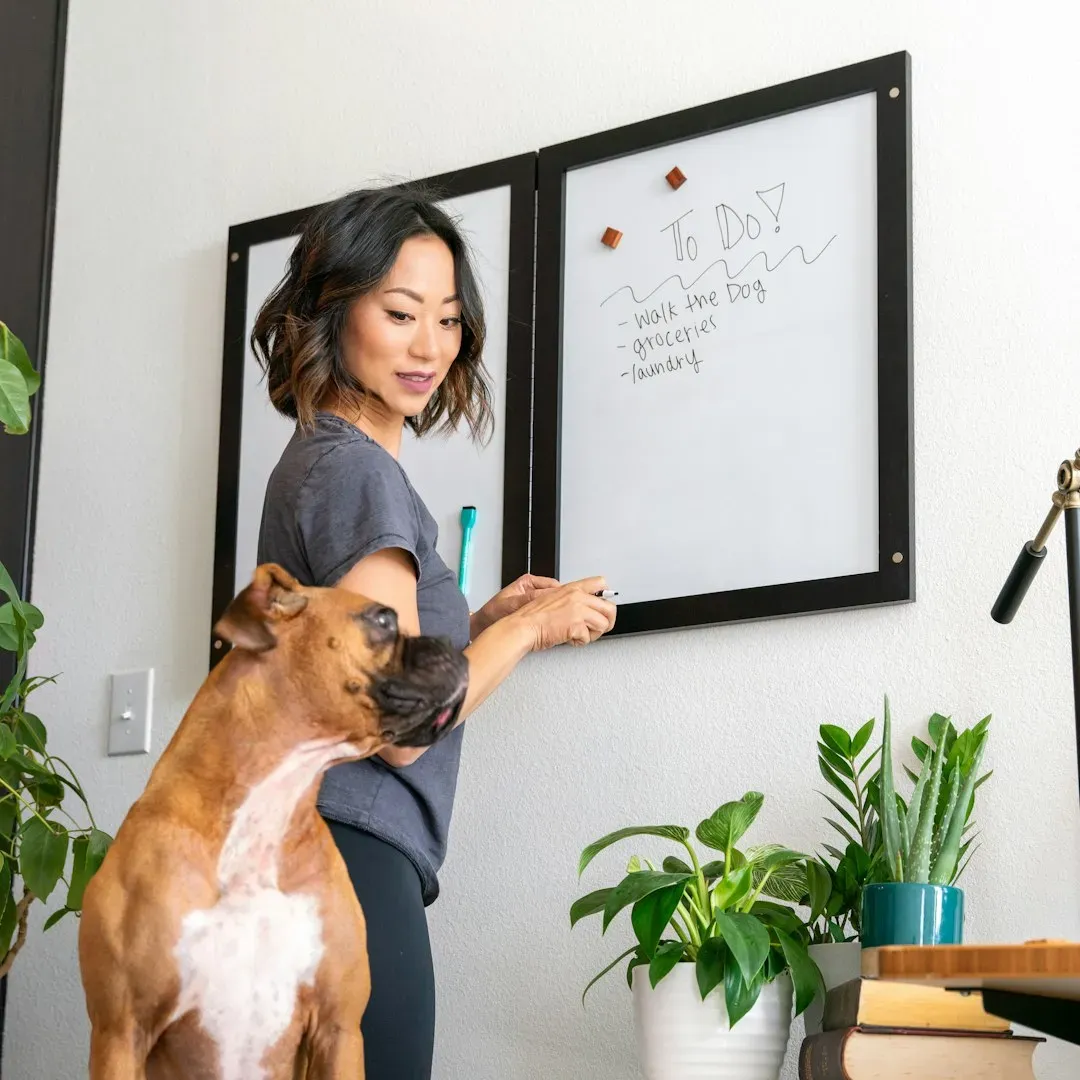
One of the most effective ways to help a dog settle in a new home is to establish a consistent daily routine as quickly as possible. Dogs thrive on predictability, and a consistent daily routine helps them feel secure. Establishing a routine for meals, walks, bathroom breaks, and playtime will help your dog know what to expect each day. This will also help them understand that they are safe and that their needs will be met consistently.
Most dogs can tolerate a great deal of change so long as their social structure and daily routine remain consistent. That’s why the number one tip for getting a dog used to a new home is consistency. Following your normal, predictable routine as best you can will help create a comforting environment for your dog in your new home.
Keep their diet consistent as well. Changing food on top of a big move is a recipe for stomach upset. Stick with the same food for at least a few weeks after the move. If you need to transition to a new diet, do it slowly by mixing old and new food over seven to ten days. Routine is the quiet language your dog understands best.
Use Familiar Scents and Positive Reinforcement

Your dog will use its nose to learn the layout of its new home, and if there are some familiar scents in the area, the dog will be less stressed. You are the most familiar scent your dog knows, and taking an old shirt and rubbing it on corners, doorframes, or floor areas where the dog will be most often will help spread familiar scents to comfort the animal. It’s a small thing that makes a surprisingly real difference.
Use treats to build positive associations. Walk your dog through each room and use treats and praise to create good associations with the new space. Hiding treats around the home and letting your dog find them is a low-pressure way to get them comfortable exploring.
Positive reinforcement is one of the most effective ways to help a dog adjust to their new home. When they behave in ways that you’d like to encourage, such as going to the bathroom outside, following a command, or sitting quietly, offer praise, treats, or affection to reinforce the behavior. This will not only help them learn the house rules and commands but also strengthen your bond. Rewarding good behavior will make your dog feel confident, loved, and secure in their new environment.
Limit Visitors and Introduce New Things Slowly

It’s completely natural to want to show off your new dog to everyone who loves you. Resist that instinct, at least for the first few weeks. Ask eager friends and family to let your new dog settle in for a few weeks before coming over to meet them, keeping the environment only to the people who live in your home. This helps your new dog more readily acclimate to their new surroundings.
Introduce new things one at a time. Stress hormones can stay elevated in dogs for several days after a new experience. A trip to a new dog park, a new person in the home, and a new neighbor’s dog all in one week is too much at once. Space new introductions out by several days and keep visitors limited during the first couple of months.
Dogs may need time to adjust to their new environment, especially if they’ve experienced past trauma. It’s important to take things slowly and avoid overwhelming them with too much too soon. You might feel eager to explore new activities, meet new people, or introduce your dog to other pets, but it’s crucial to allow them time to feel comfortable in their new surroundings first. Slow and steady is not a cliché here. It’s genuinely the right strategy.
Know When To Seek Help From a Vet or Trainer
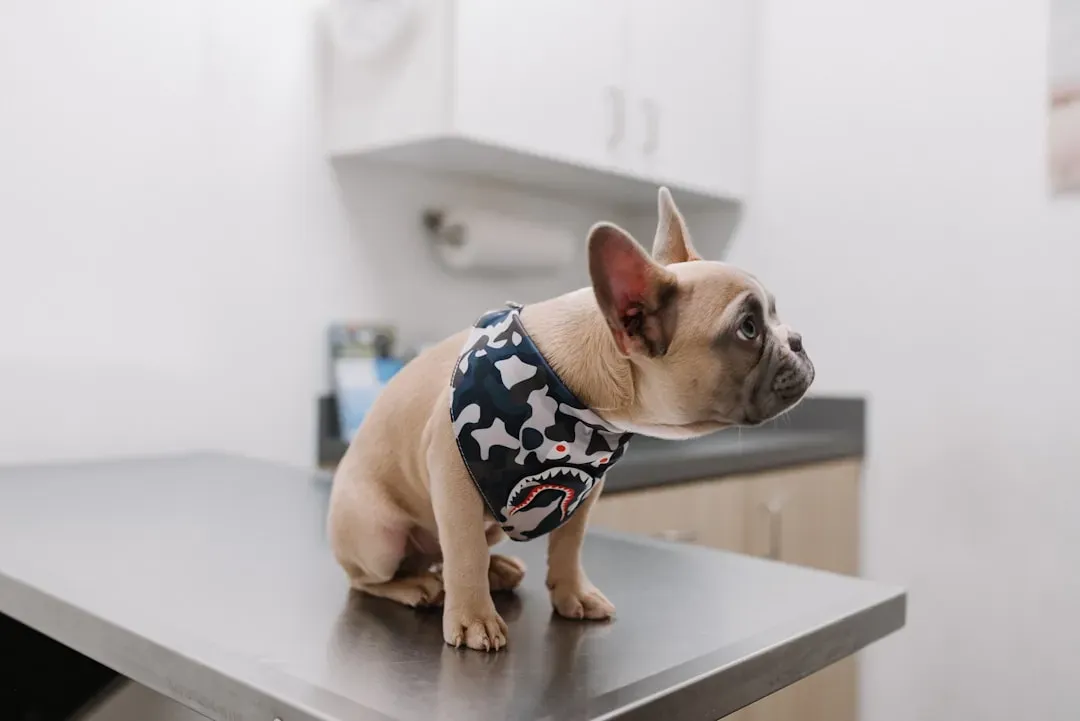
Your dog may exhibit signs of stress, such as excessive barking, hiding, or changes in eating or sleeping habits. If these signs persist, it’s a good idea to consult with your veterinarian. They can help determine whether your pet’s anxiety is a short-term reaction to the move or if there’s an underlying issue that needs to be addressed.
If anxiety or aggression persists, a positive reinforcement-based trainer can help you understand what your dog is communicating and rebuild the trust and routine they need to relax in the new environment. There’s no shame in getting outside support. Some dogs carry histories that make adjustment genuinely harder, and a professional can make the difference between months of struggle and a relatively smooth transition.
Schedule a visit with your new vet within the first week after arrival regardless of how your dog seems. Getting onto your vet’s schedule early is good practice, and your dog may also need vaccinations that are required or recommended in their new home region. Also update your dog’s identification paperwork as soon as possible after moving. This includes any licensing requirements from a new city, county, or state, as well as updating address records with a veterinarian or providing records to a new vet. Your dog’s microchip information should also be updated, which will be critical if you are separated or your pet becomes lost.
A Final Thought
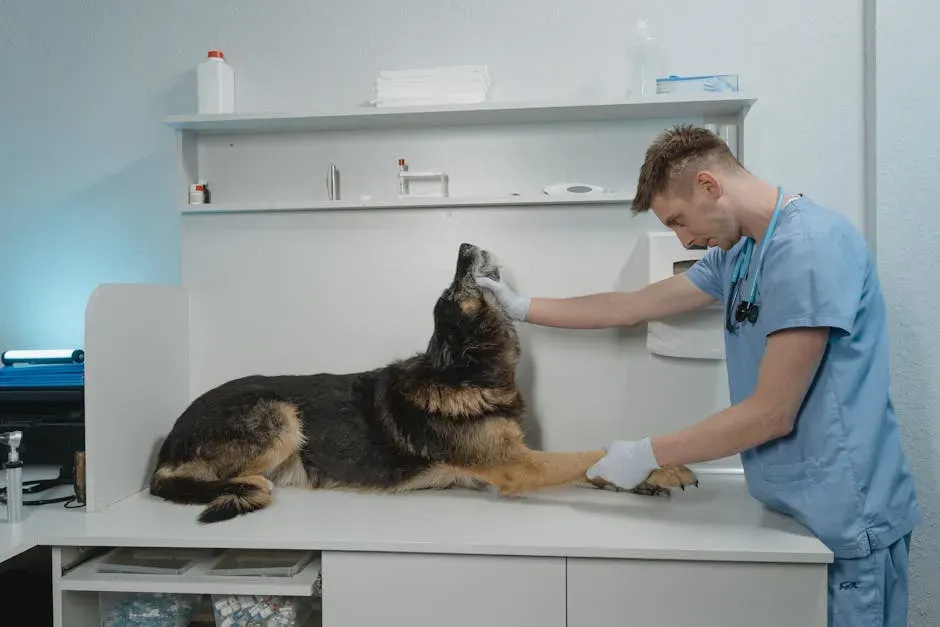
If there’s one honest takeaway from all of this, it’s that your dog doesn’t need a perfect new home. They need a predictable, calm, and patient one. Progress is often slow and nonlinear. Celebrate the small wins and stay present through the setbacks. The tail wag that finally comes freely, the first morning they greet you at the door, the moment they curl up beside you without hesitation – those moments are earned, not given.
In my view, the dogs who take the longest to settle in often become the most bonded. They were testing whether you’d stay patient, stay consistent, and keep showing up. When you do, the trust that builds is something quite remarkable. Respect their boundaries and allow them to retreat to their safe space when they need to. The more patient and understanding you are, the faster they will begin to trust you and feel comfortable in their new home.
A new home stops being unfamiliar the moment it starts feeling safe. Your job, really, is just to help them get there.


