
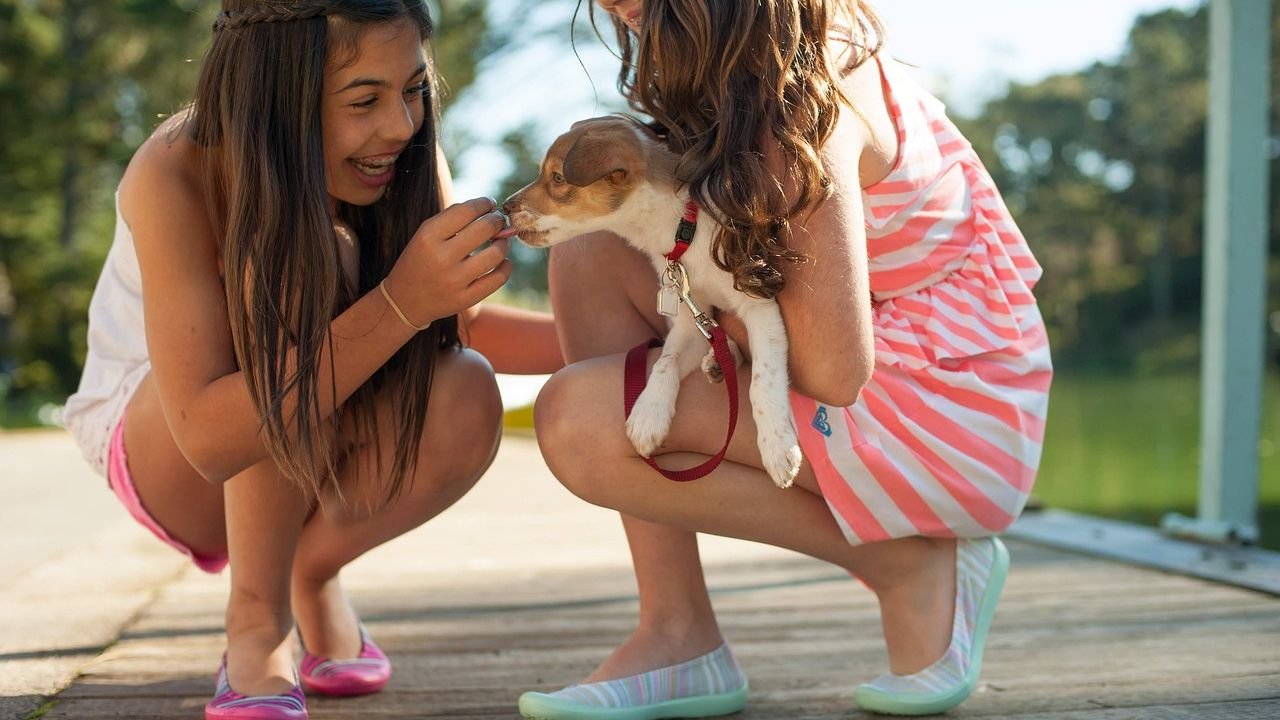
You toss the ball, your dog trots over to fetch it, and you smile thinking, “They’re having such a great time!” But here’s the thing – what if they’re just going through the motions? What if, beneath that wagging tail, your pup is quietly thinking, “I’d rather be napping on the couch right now”? It sounds almost absurd, doesn’t it? Yet it’s more common than most dog owners realize.
Dogs are endlessly expressive, but they speak an entirely different language. A language made up of ear positions, body posture, tail movements, and tiny behavioral cues that most of us miss completely. Learning to read those signals doesn’t just make you a better pet parent – it transforms the entire relationship you have with your dog. So let’s dive in.
The Body Never Lies: Reading the Physical Signs of True Enjoyment
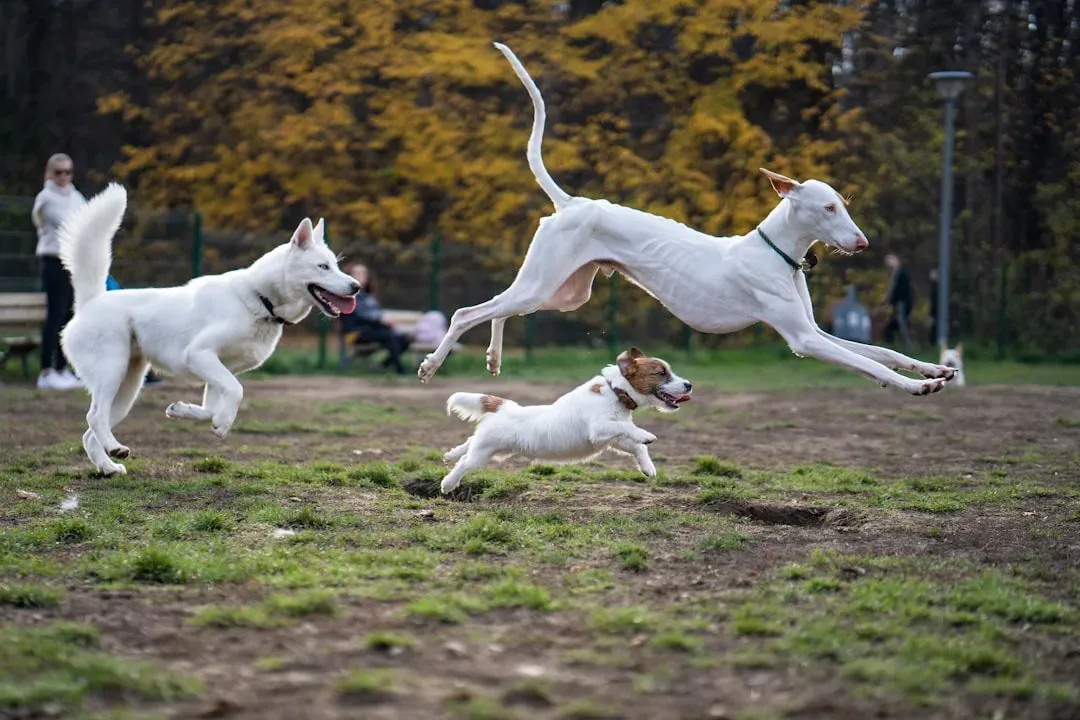
Honestly, the most reliable window into your dog’s emotional state during play is their body. A dog having fun looks relaxed even in motion, with their body moving fluidly in loose curves rather than stiff lines. Think of it like watching a kid run freely on a beach versus a child reluctantly participating in a school exercise – the difference in body energy is unmistakable.
Healthy dog play often includes exaggerated, bouncy movements, play bows, loose body language, and wagging tails. Pay close attention to the quality of that wag. A loose, wiggly body and a wagging tail usually mean your dog is happy and comfortable, so watch for a wag that’s wide and relaxed, not stiff or overly rapid.
Happy dogs often appear to smile – the mouth is soft and open, the corners turned up, and while some teeth may be visible, it’s not in an aggressive manner. If your dog’s face looks tense or tight during play, that’s worth paying attention to. The face tells a story the tail sometimes hides.
The Play Bow and Other Green-Light Signals You Should Know
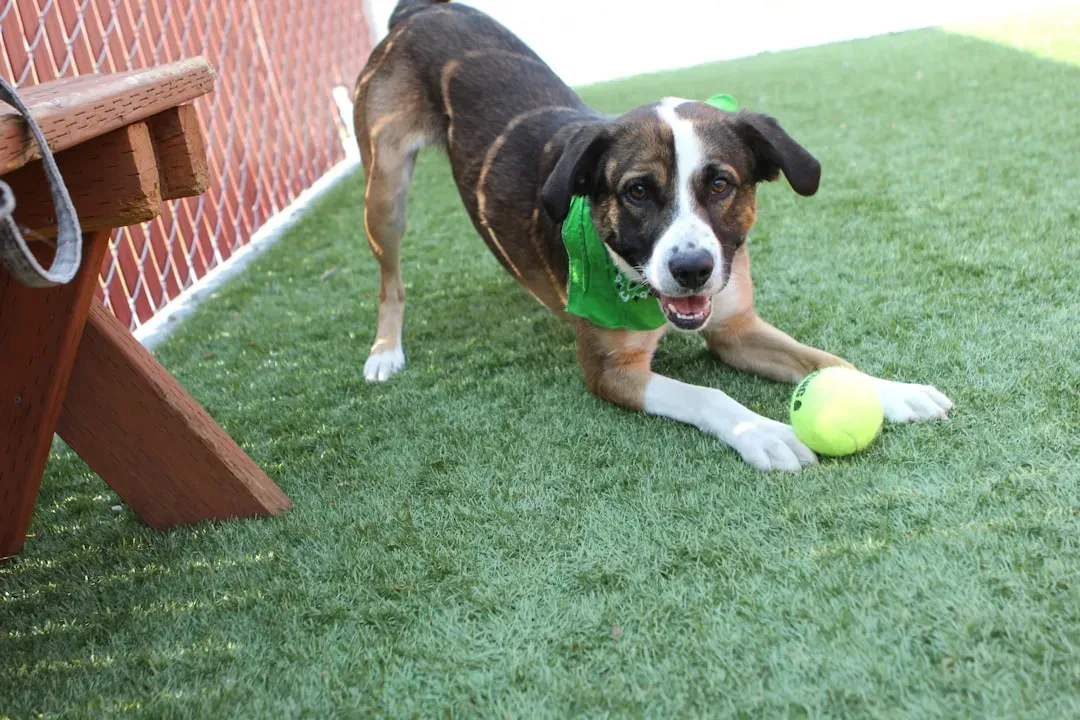
There is one signal in the dog world that is so clear, so universal, it’s almost like a written invitation. The classic play bow, with front legs stretched forward and the rear end in the air, is a clear invitation to play and a way of saying, “This is just for fun.” When you see it, relax. Your dog is in a genuinely good place.
Play bows are not just invitations to begin play – dogs often use them to interrupt their own intense behavior and clarify that their intentions are still playful rather than serious. It’s basically your dog hitting the reset button mid-session to keep things light. How thoughtful is that?
Another surprisingly telling signal is sneezing. Many dogs use these “play sneezes” mid-wrestle as a communication tool to show they’re feeling friendly and non-threatening. I know it sounds crazy, but next time your dog sneezes during a tug-of-war, consider it a tiny thumbs-up. They’re telling you, and their playmate, that everything is just fine.
Warning Signs: When Your Dog Is Just Going Along With It
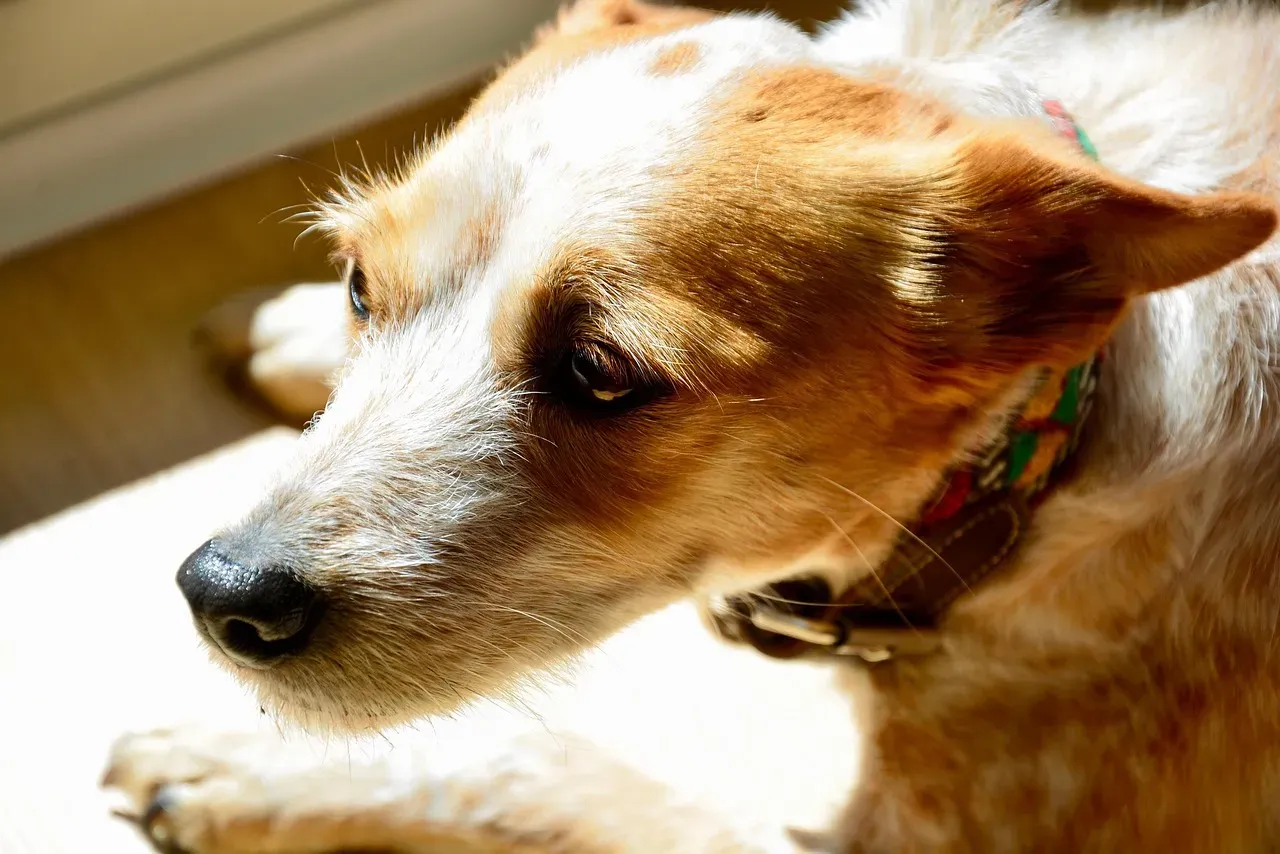
Here’s where things get real. Not every dog who participates in play is actually enjoying it. Signs your dog may be overwhelmed include stiffening, pinned-back ears, lip licking, yawning, or avoiding eye contact – and if you notice these cues, it’s time to step in, give your dog a break, or redirect the play to a calmer activity.
If one dog is actively trying to escape or shows signs of fear or anxiety, it’s a clear sign that the play has become problematic – this could indicate one of the dogs is being too forceful, overwhelming, or simply not a good match for the other in terms of temperament. It’s a bit like being stuck at a party where you don’t know anyone and someone keeps trying to drag you onto the dance floor.
If a dog is hiding, trying to leave, or constantly avoiding the other dog, they’re not having fun – a dog who genuinely wants to play always comes back. That “coming back” part matters more than people realize. Voluntary re-engagement is one of the truest signs of a dog who is actually having a blast.
The Fairness Factor: Role Reversals, Breaks, and Balanced Play
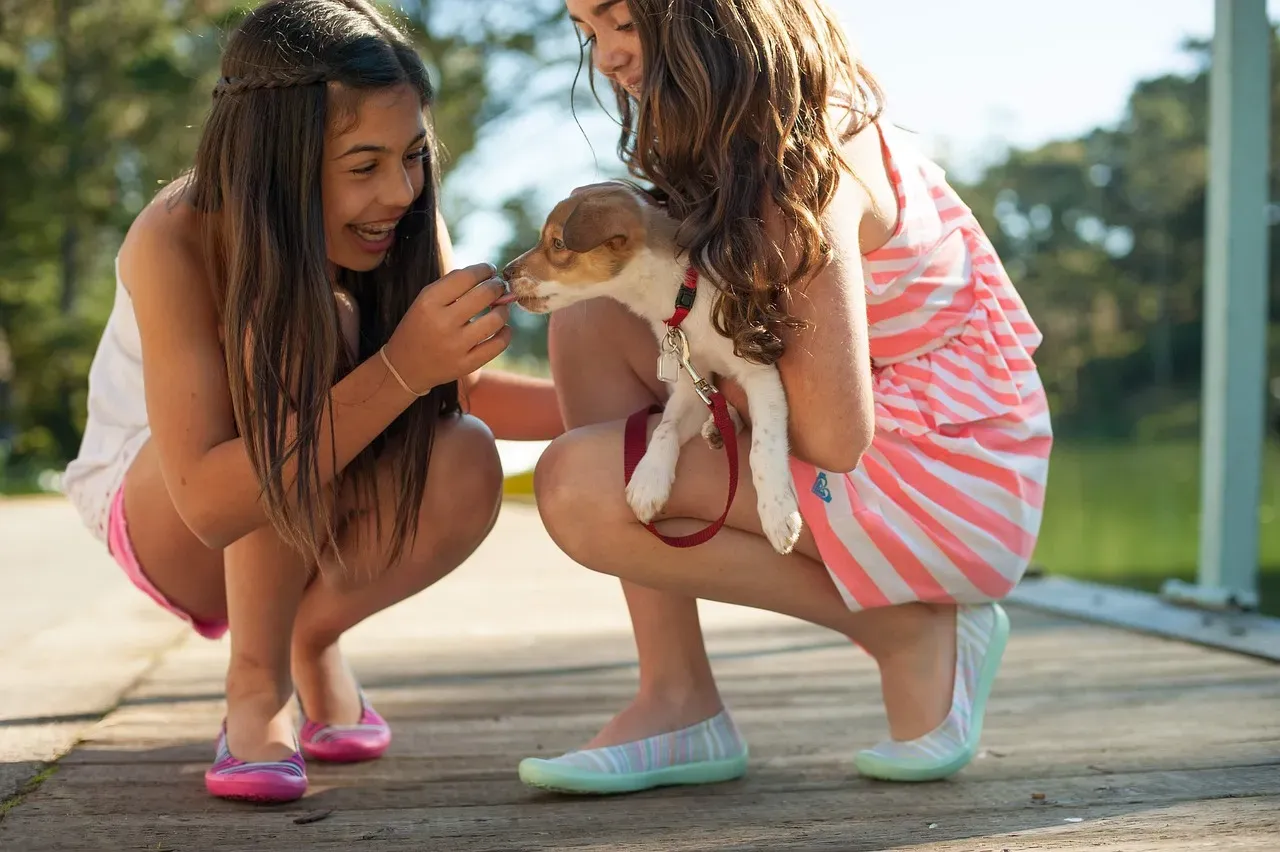
Think about the best games you’ve ever played with a friend. There was probably some back-and-forth, some laughter, some natural rhythm to it. Dog play works exactly the same way. Healthy play involves role reversal, where dogs take turns chasing and being chased, and includes self-handicapping, where larger dogs adjust their intensity for smaller partners.
The dog who is always losing may be tolerating rather than enjoying the interaction, because if one dog is always on top, always chasing, and always winning, the play is unbalanced. Watch carefully. Lopsided play dynamics are one of the most overlooked signs that something is off during a session.
Healthy play often includes short breaks, allowing each dog to catch their breath and assess the situation – these pauses are a good sign that the play is mutually enjoyable. If the play never stops, never breathes, and never resets, that’s actually a red flag rather than a sign of a great time. Even the most enthusiastic players need a moment to come up for air.
How You Can Make Playtime Better Right Now
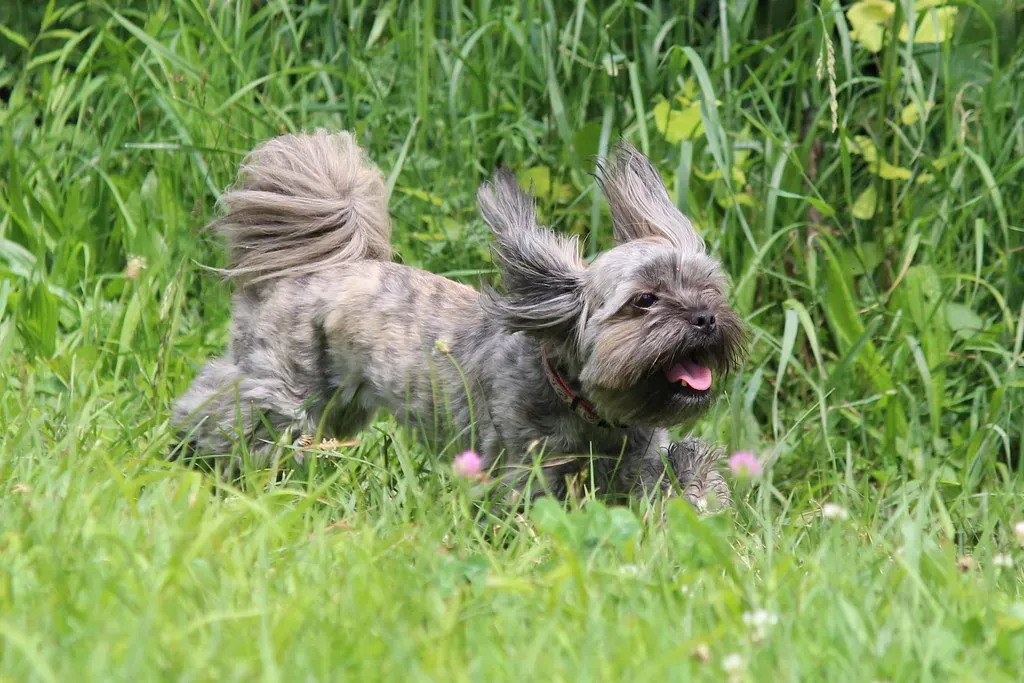
Here’s something that might surprise you. Research has shown that observed levels of social play were significantly higher during conditions in which an attentive owner was present than during conditions in which an owner was either inattentive or absent, and this effect was maintained across repeated sessions. Your presence and attention literally make playtime more enjoyable for your dog. Put the phone down. They notice.
If your dog no longer enjoys playing with others, don’t try to force it by taking them to the dog park – such a change could also be an indication that they’re suffering pain from arthritis, a pinched nerve, or a host of other potential causes, so have them evaluated for pain by your veterinarian. Sometimes what looks like a personality shift is actually your dog quietly telling you something hurts.
It’s important to create play breaks preemptively rather than waiting until a scuffle has already broken out, because if you’re proactive in managing the energy during play, you’ll be able to prevent bad experiences and possible fights which can cause lasting physical injury and emotional damage. Think of yourself less as a bystander and more as a gentle referee – one who cares deeply about every player on the field.
Conclusion: Listen With Your Eyes
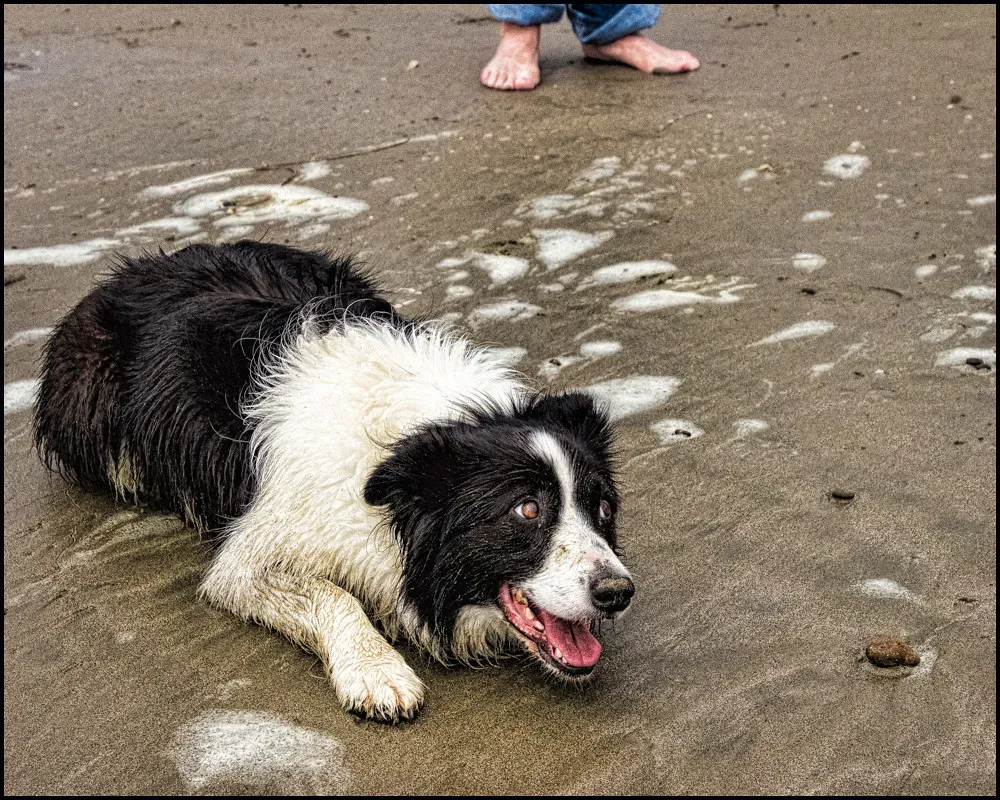
Your dog cannot tell you in words whether they’re loving every minute of playtime or simply enduring it for your sake. What they can do is show you, in a hundred tiny, beautiful ways, if only you know what to look for. Dogs may not speak our language, but they constantly talk to us – every wag of the tail, head tilt, or ear twitch says something about how they feel, and when we learn to read these signals, we unlock a whole new way of connecting with our four-legged friends.
Once you start seeing your dog’s emotional world through their body language, you won’t be able to unsee it. You’ll spot the difference between a genuine play bow and a polite freeze. You’ll notice when the tail wag changes quality. You’ll feel it when they lean in versus lean away. That awareness is one of the greatest gifts you can give your dog – the gift of truly being understood.
So the next time you pull out that tennis ball or rope toy, take a moment to really watch. Is your dog running back to you with that loose, bouncy, full-body excitement? Or are they hanging back, ears flat, just going along with the game? The answer might just change everything about how you play together. What do you think – have you ever noticed your dog tolerating playtime rather than loving it? Share your experience in the comments below.


