

#1: The General Rule Most Vets Agree On
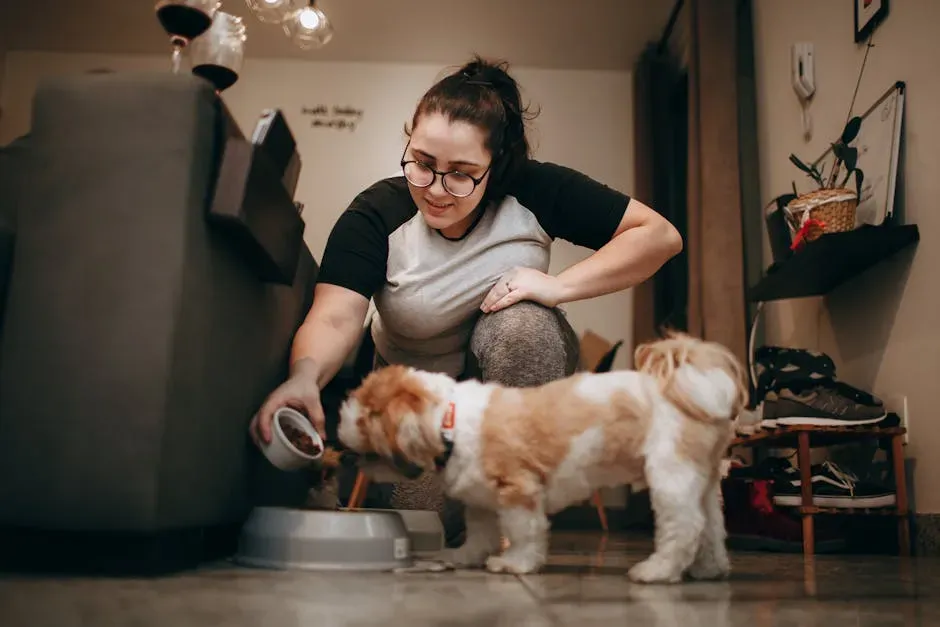
Though there’s no hard-and-fast rule to how often a dog should eat, twice a day is generally a good place to start. This applies to the vast majority of healthy adult dogs and reflects both their digestive biology and their behavioral needs. It’s the baseline that most veterinary guidance circles back to, regardless of breed or size.
Dogs have a simple stomach anatomy, just like humans. Once their stomach is filled with food, it will empty within a few hours as food moves into the small intestine. After 8 to 10 hours, an empty stomach begins to send signals to the brain that stimulate a hunger response. That’s the biological reason two meals a day makes so much sense. It keeps the hunger cycle in check without overwhelming the digestive system in one sitting.
Ideally, meals should be spaced apart by about 8 to 12 hours. Morning and evening feedings fit naturally into most household routines, and that consistency matters more than you might think. Establishing a consistent feeding schedule helps regulate your dog’s metabolism and keeps them energized throughout the day.
#2: Puppies Need Far More Frequent Meals
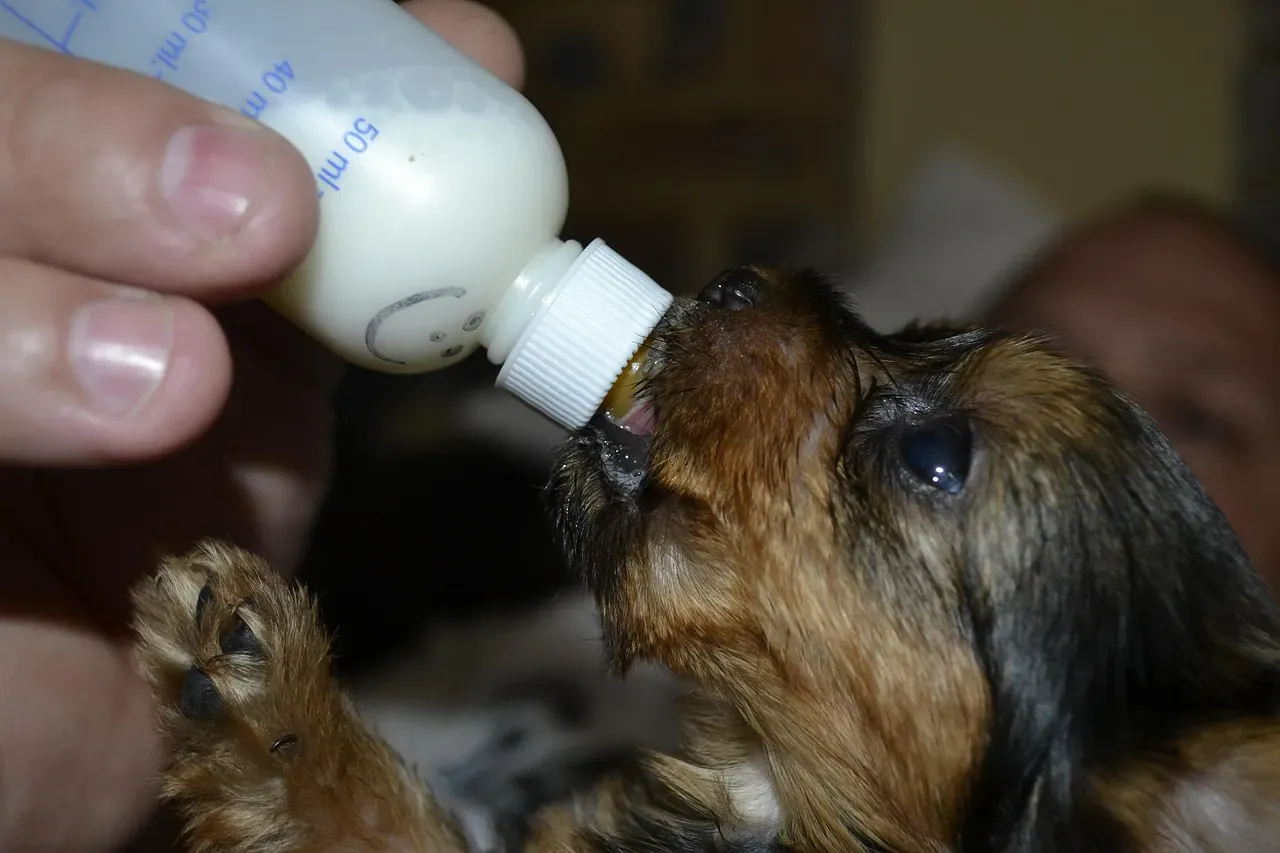
Puppies have different dietary needs than adult dogs due to their rapid growth and development. During their early months, puppies require more frequent meals to support their growth. Most experts recommend feeding a puppy three to four times a day, spacing out their meals to maintain steady energy levels and prevent digestive issues. Their small stomachs simply can’t hold large amounts in one go, and their energy burns through fast.
For young pups, especially those under four months old, multiple meals a day aren’t just a suggestion – they’re a must. Veterinarians recommend a schedule of three meals per day for puppies under 4 months to fuel their high-octane metabolism and incredible growth rate. This frequency is critical for preventing hypoglycemia (a dangerous drop in blood sugar) and ensuring their brain and body have a constant supply of energy.
From 8 to 12 weeks: stick with four small meals a day, which keeps their blood sugar stable and energy levels consistent. From 3 to 6 months, you can transition down to three meals a day, as their stomach is getting bigger and can handle more at once. From 6 months to 1 year, it’s time to move to two meals a day – this twice-a-day routine will likely be their schedule for life. It’s a gradual process, and rushing the transition can cause real digestive upset.
#3: Senior Dogs Deserve a Closer Look

As dogs age, their metabolism slows down, and their activity levels may decrease. Senior dogs may benefit from smaller, more frequent meals to aid digestion and prevent weight gain. What worked perfectly for your dog at age three may need tweaking once they hit their senior years. Their bodies are simply processing things differently.
As dogs enter their senior years, their metabolism slows down and their nutritional needs change. A senior dog feeding schedule should focus on maintaining their health and preventing age-related issues. Senior dogs are less active and require fewer calories to maintain a healthy weight, since overfeeding can lead to obesity, which puts extra strain on their joints and organs. While they need fewer calories, senior dogs still require essential nutrients like protein, fiber, and omega-3 fatty acids to support their aging bodies.
What’s considered a “senior dog” depends on the dog’s size: small breeds and toy breeds are considered seniors when they’re 11 or 12, medium breeds are considered seniors at 10 years old, large breeds are categorized as seniors at 8 years old, and giant breeds are seniors at 7 years of age. Knowing where your dog falls on that spectrum helps you time adjustments before problems emerge, not after.
#4: Breed, Size, and Activity Level Change Everything
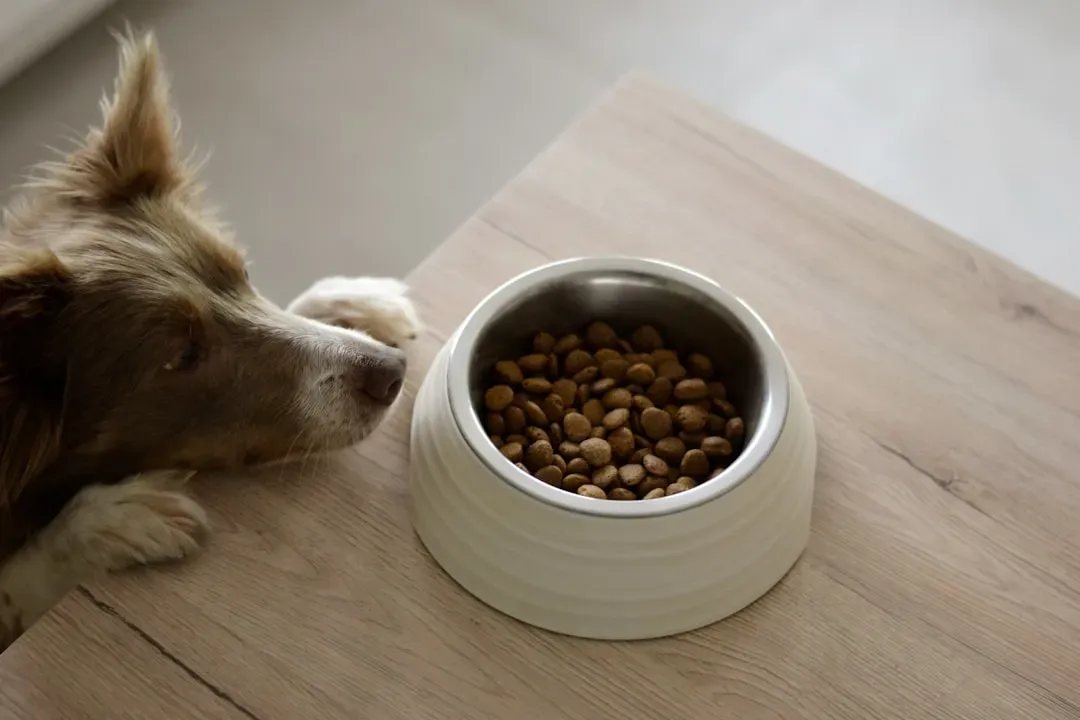
Smaller breeds often need more frequent meals due to their faster metabolism, while larger breeds may do well with fewer, larger meals. Highly active dogs burn more calories and may need additional meals or larger portions. This is where the “twice a day” guideline can start to bend. A Border Collie that runs several miles daily has different fueling needs from a Basset Hound who prefers the couch.
Toy-breed puppies will need 4 to 6 meals per day for the first three months of their lives. Medium-breed puppies will require three meals per day, and large-breed puppies typically need 3 to 4 meals per day. Though the breed is an important consideration, metabolism and energy levels can vary by up to 30 percent. That variation is significant and explains why two dogs of the same breed can have quite different ideal feeding schedules.
Spayed and neutered dogs need fewer calories than unaltered dogs. If your dog is pregnant or nursing, she’ll need to eat more food to support herself and her puppies. Reproductive status is an often-overlooked factor that genuinely shifts how much and how often a dog should be fed.
#5: The Real Problem with Free-Feeding
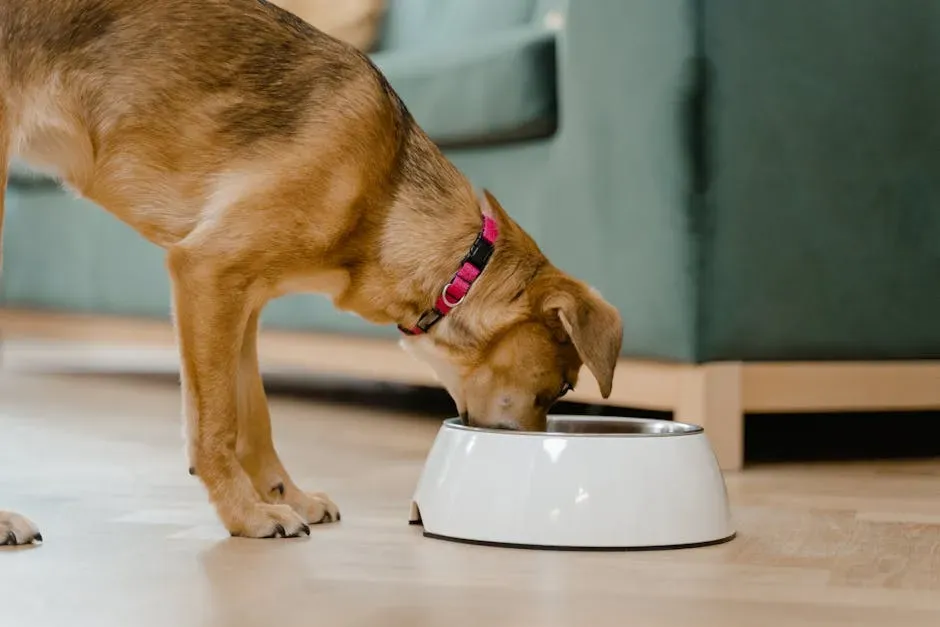
Free feeding, or giving your dog unlimited access to food throughout the day, can actually do more harm than good. It’s more difficult to ensure your dog isn’t overeating, which can easily lead to obesity, or not eating enough. It also strips you of a key health monitoring tool. When your dog eats on a schedule, you instantly notice if something is off.
It is easy to see if all the food from a meal is consumed. If food is left, whether all or part of a meal, that is an important signal that something is wrong, and it is time to schedule a veterinary appointment. That early warning system alone is worth the structure of scheduled meals. Free-feeding (leaving food out all day) can lead to overeating and obesity. Only free-feed a dog if a vet specifically recommends it.
Feeding your dog once a day can also increase the risk of bloating, a potentially serious condition that occurs when a dog’s stomach becomes filled with gas or fluid. To avoid this scenario, it’s best to divide their daily food allowance into two or three meals spaced throughout the day. This is especially true for larger, deep-chested breeds where bloat can become a veterinary emergency.
#6: How to Build a Feeding Schedule That Actually Works
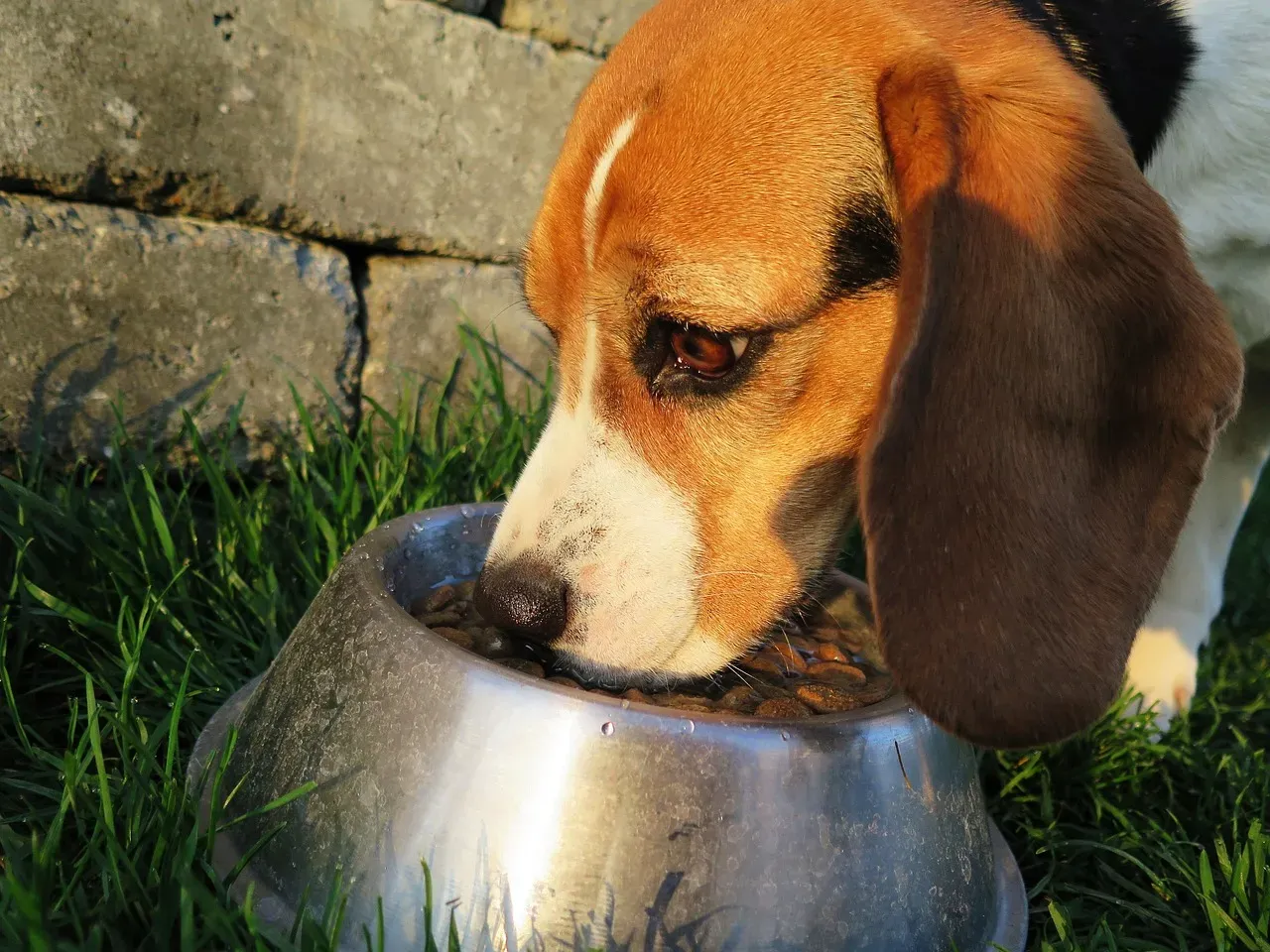
Dogs are creatures of habit. You can use this fact to your advantage by creating a regular feeding schedule and sticking to it. A regular feeding schedule helps with house training puppies, as well as adult rescue dogs who have not been taught household manners. Consistency isn’t just convenient for you; it genuinely contributes to your dog’s sense of security and behavioral stability.
Feeding your dog at the same time each day helps keep their digestive system regular and makes their need to go outside more predictable. This schedule also helps your dog learn when to expect you home, so they’ll have fewer accidents. It’s one of the low-effort things that quietly improves a dog’s daily life in multiple ways at once.
Treats should make up no more than about 10% of your dog’s daily calories. That’s an important detail that many owners overlook when building a feeding plan. If you need to change your dog’s feeding frequency, do so gradually to avoid digestive upset. Start by adjusting meal times or portion sizes slightly and monitor your dog’s response. Over the course of a week or two, you can fully transition to the new schedule.
Conclusion: Feed With Intention, Not Just Habit
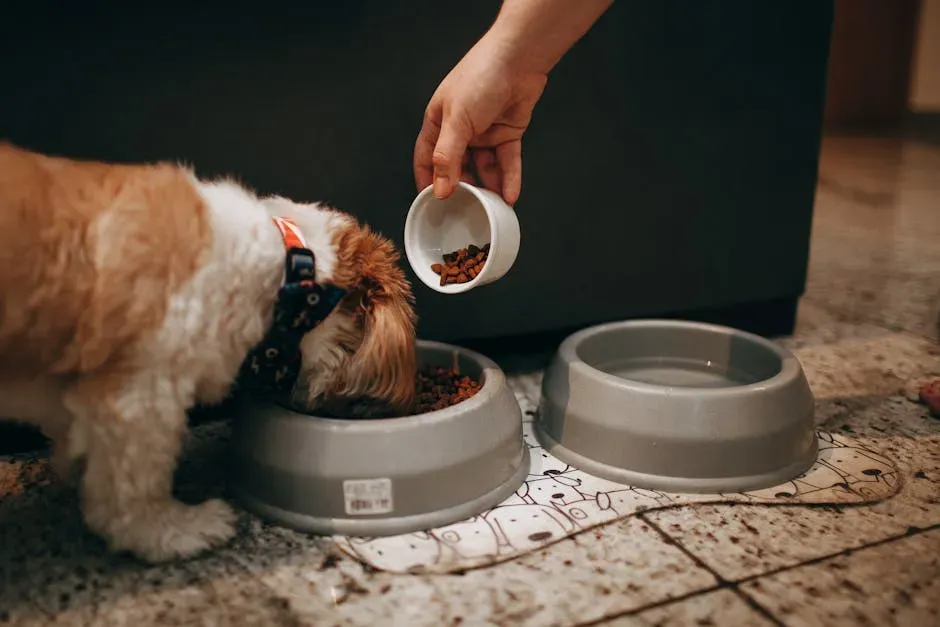
The honest answer to how many times a day you should feed your dog is: it depends, but two structured meals daily is the right foundation for most healthy adult dogs. From there, you fine-tune based on age, breed, health, and lifestyle. There’s real science behind feeding frequency, and the stakes are higher than they might seem.
Obesity, digestive problems, hypoglycemia in small breeds, and missed health signals are all tied directly to how and when you feed your dog. Getting the schedule right isn’t a complicated undertaking, but it does require paying attention rather than running on autopilot. Your dog can’t tell you when something feels off. A well-thought-out feeding routine gives you the daily data points to figure that out yourself.
In the end, the bowl you fill twice a day is one of the most powerful tools you have for keeping your dog healthy. Use it deliberately.


