

#1. Understand Why Yelling Makes Things Worse, Not Better

There’s a common assumption that a loud, firm voice signals authority to a dog. In reality, the opposite tends to happen. When we yell, our dogs don’t understand the context like a human would. Instead, they perceive loud noises and angry tones as something threatening and scary.
Yelling could actually worsen behavioral issues as it can create anxiety and fear in your dog, which in turn can lead to more problematic behaviors. So the very thing you’re doing to stop unwanted behavior may be amplifying it over time.
When we consistently yell at our dogs, they can become desensitized to our voice and less responsive to our commands. This can lead to a range of behavioral problems, including disobedience and lack of respect. In short, yelling trains your dog to tune you out.
Yelling at dogs can have long-term consequences for their behavior and overall well-being. Dogs that are regularly exposed to yelling may become more anxious or fearful, leading to the development of behavioral problems such as phobias or aggression. The relationship you’re working so hard to build quietly erodes every time the volume goes up.
#2. Use Positive Reinforcement as Your Primary Tool
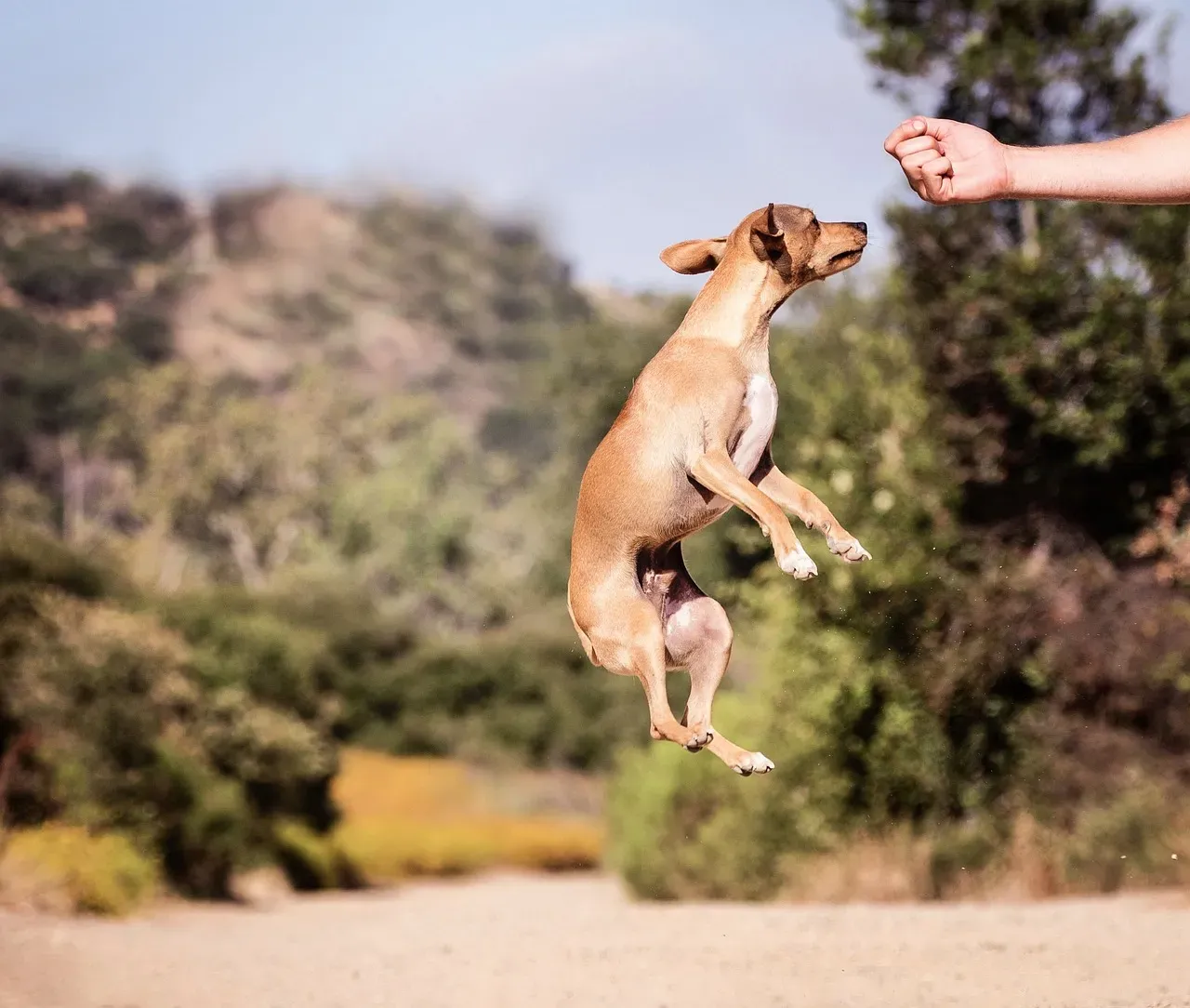
Dogs are very eager to please their owners, and positive reinforcement lets them know their behavior was good and gives them a solid indication of how to keep making you happy. It leads to an eager dog that is easy to teach and wants to listen, knowing the correct behavior means a happy owner and a treat or activity they enjoy.
Studies show that dogs trained with positive reinforcement learn faster, retain information better, and have fewer behavior problems than dogs trained with fear or pain-based methods. That’s not a small difference. It’s a fundamental shift in how quickly and reliably good behavior sticks.
Rewards can look like edible treats, verbal praise, physical touch, or giving your pup toys after they do something correctly. The beauty of this approach is its flexibility. You don’t need expensive equipment or a professional setup. You just need consistency and good timing.
Positive reinforcement is only effective if it’s constant, predictable, reproducible, and given immediately after your dog exhibits good behavior. Rewards must occur within seconds of the desired behavior or your dog may not be able to associate the two. That timing piece matters more than most people realize. A reward three minutes after a good action means almost nothing to a dog.
#3. Redirect and Replace Instead of Just Punishing
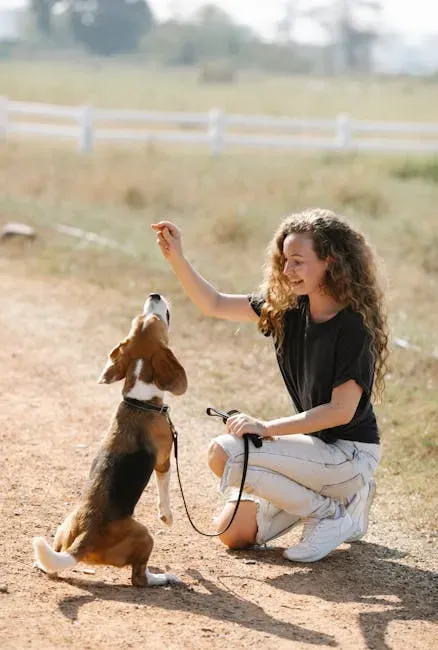
One of the most practical and underused techniques in dog training is the idea of replacement. Rather than simply stopping a behavior, you give your dog something else to do instead. When used correctly, disciplining your dog looks like guiding your dog to make better choices without adverse or painful methods.
Instead of punishing bad behavior, redirect your dog to a better choice. For example, if your dog jumps up, reward them for sitting instead of scolding them for jumping. The dog still gets to express energy, but now that energy is channeled somewhere productive.
If your puppy starts to chew on a table leg, you can say your positive interrupter and then redirect your pup to chew on a toy instead. Over time, this repeated redirection teaches the dog that the toy is the satisfying option, not the furniture.
If you tell your dog what you want them to do instead of what you don’t want them to do, they’ll understand better, for example, saying “sit” rather than “don’t jump,” or “heel” rather than “don’t pull.” Commands that point toward an action are always more useful than commands that simply say stop.
#4. Consistency Is the Foundation Everything Else Rests On
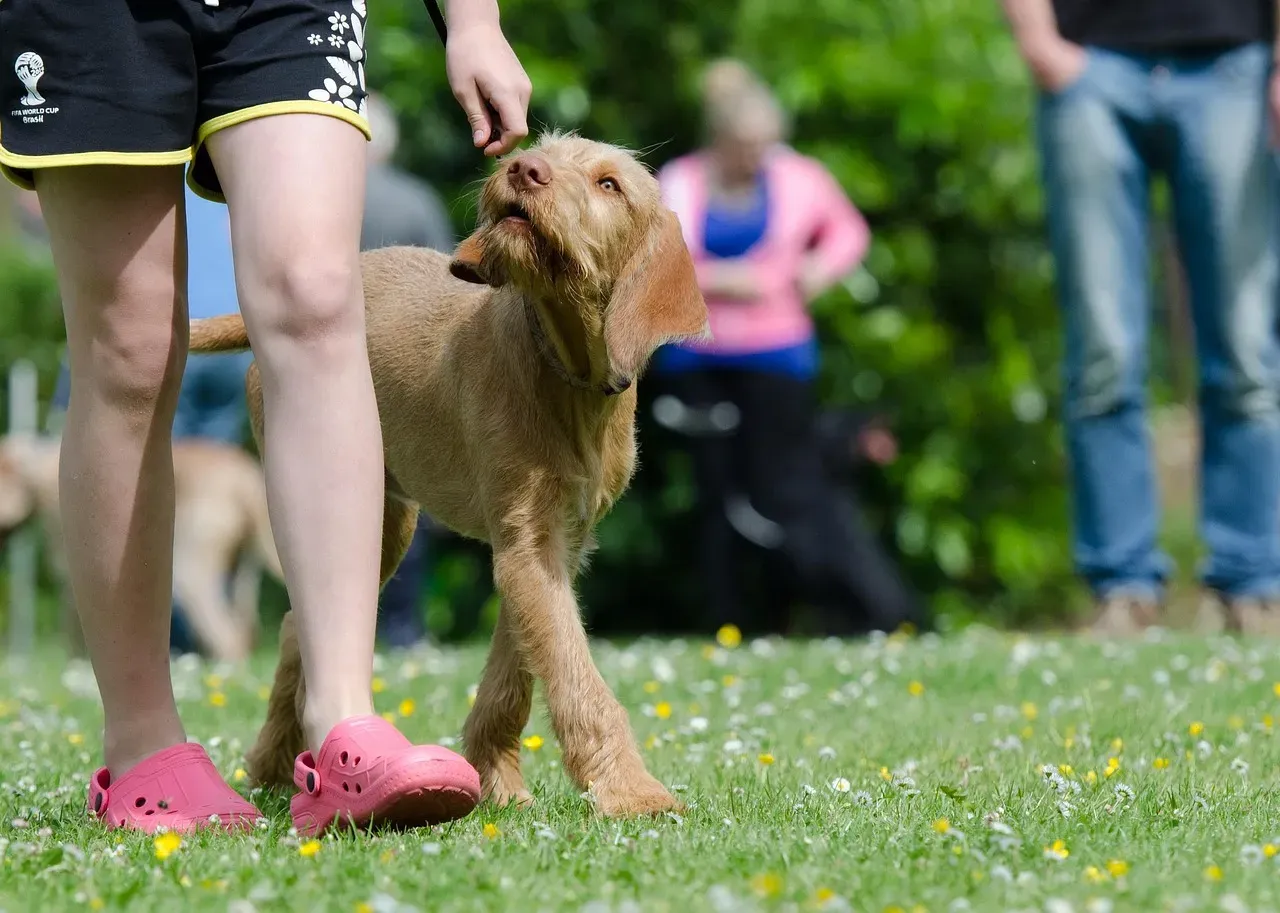
You can use the best training techniques in the world and still get nowhere if the rules keep shifting. Dogs don’t operate on a “sometimes” system. They need clear, predictable patterns to understand what’s expected. Be clear and consistent in what you want and don’t want. Do not allow behaviors one day and then ignore them the next. Dogs do not define behaviors as bad or good.
It’s a good idea to have everyone follow the same rules when it comes to setting standards for dog behavior. If you don’t feed the dog from the table but someone else slips them treats, the dog will learn to beg at the table. If you ignore your dog when they jump on you but others pet them when they do, they’ll continue jumping on people.
Consistency plays a crucial role when breaking bad habits. Stick to a routine and use the same commands. Reward good behavior with treats or affection. Every person in the household becomes part of the training equation, whether they realize it or not.
For your pup to be happy and comfortable in your home, a dependable, consistent environment is important: it makes your dog feel safe and stable. That sense of stability isn’t a luxury for a dog. It’s what allows them to relax, trust, and actually learn.
#5. Know When to Involve a Professional and What to Expect
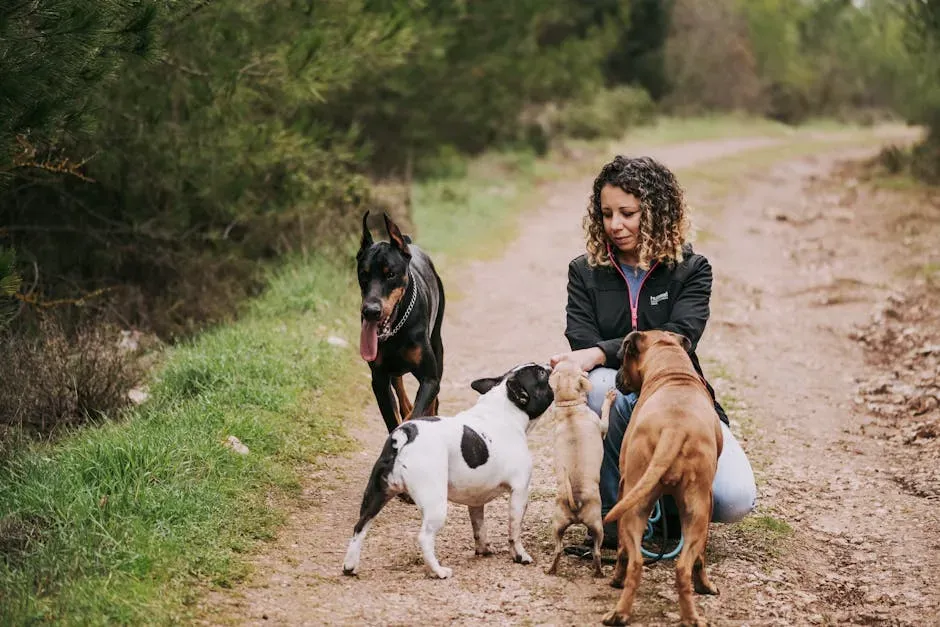
Some behaviors don’t resolve easily on their own, regardless of how patient or consistent you are. That’s not a failure. It’s simply a sign that more specialized help is needed. A professional behaviorist will observe your dog in their environment and watch their reaction to situations, take an in-depth history of the behavioral problem, pinpoint exactly which triggers cause unwanted behaviors, and provide an in-depth training and management plan.
Positive reinforcement is especially effective for reactive or anxious dogs because it addresses the root cause of problem behaviors rather than suppressing them with punishment. A trained professional can identify what’s driving behavior at a deeper level, which is something owner observation alone sometimes can’t catch.
Decades of research underline that reward-based training isn’t just kinder, it’s also more effective for long-term behavior change. Professional trainers working within this framework aren’t just making sessions feel nicer. They’re applying an evidence-based method with a track record of lasting results.
Keep in mind that stopping unwanted behaviors doesn’t always follow a linear path. Sometimes you will need to reevaluate and rework your training plans until you find the right formula for you and your dog. That kind of flexibility isn’t giving up. It’s smart training.
A Final Word: The Relationship Is the Training
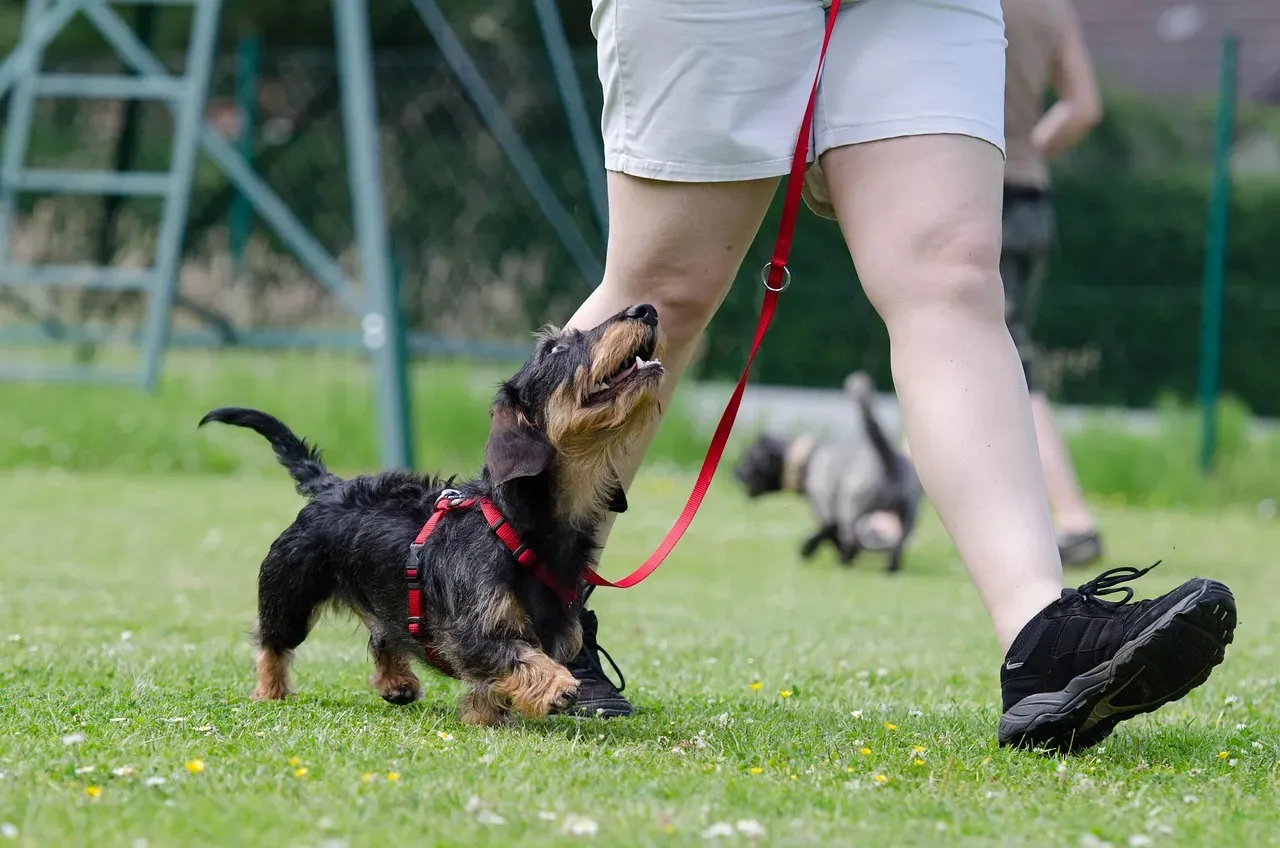
Here’s an opinion worth stating plainly: the biggest mistake most dog owners make isn’t using the wrong technique. It’s viewing training as something separate from the relationship. Every walk, every meal, every quiet evening on the couch is part of how a dog learns to read you. When that foundation is built on calm communication and clear expectations rather than fear, the results aren’t just better behaved dogs. They’re genuinely happier ones.
When dogs learn with kindness, they understand your guidance, feel safe, and choose to participate. This nurtures a respectful, trusting partnership, far beyond obedience. That distinction matters. Obedience driven by fear is fragile. Trust-based behavior holds up in the real world, under distraction, under stress, across the animal’s whole life.
Correcting bad isn’t about being soft. It’s about being effective. The dog in front of you is doing its best to figure out the rules of a human world it never asked to live in. Meeting that effort with patience and clarity isn’t just the kind choice. It’s the smart one.


