

Picture this: your beloved furry friend who once lived peacefully in your adult-only household now faces the whirlwind of tiny humans with sticky fingers, unpredictable movements, and ear-piercing squeals. That magical relationship between dogs and children doesn’t come naturally, and many dogs are apprehensive around kids. Yet, with the right approach and patience, your pup can learn to not just tolerate but genuinely enjoy the company of little ones.
The stakes couldn’t be higher for getting this right. Children have roughly a fifty percent chance of being bitten by a dog during their childhood, with kids ages five to nine being the most vulnerable demographic, and most bites occurring from dogs they already know. Though that sounds terrifying, here’s the encouraging truth: nearly every dog-child incident is preventable when we understand what our dogs need and how to set everyone up for success. So let’s dive into how to transform your dog into a confident, child-friendly companion who thrives in a family environment.
Understanding Your Dog’s Natural Child Response
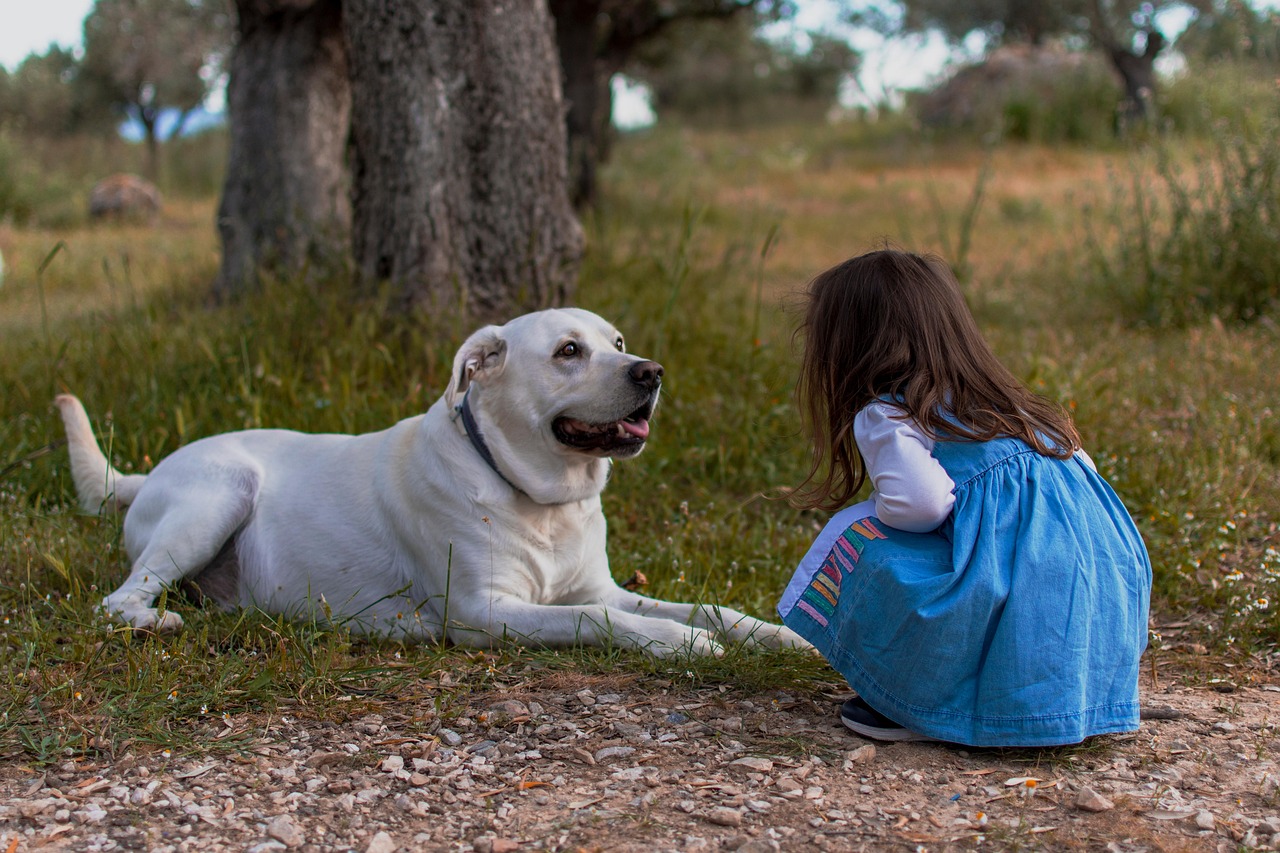
Dogs don’t automatically know how to behave around children, and frankly, kids can be pretty overwhelming from a dog’s perspective. Children are unpredictable and scary to dogs because they move, sound, act, and smell differently than adults and are more likely to lack boundaries. Think about it from your dog’s viewpoint: these small humans suddenly appear, moving erratically, making high-pitched noises, and often trying to grab or hug without warning.
Kids behave differently than adults by running around, yelling, and moving suddenly, which is why you can work on training your dog at a nearby park or playground to desensitize them to these habits. Toddlers are often the most challenging age for dogs because they’re very unpredictable and stand at eye level, which can feel threatening. Your dog isn’t being difficult when they seem nervous around children; they’re simply responding naturally to unfamiliar stimuli that challenge their comfort zone.
Reading Your Dog’s Stress Signals Around Children
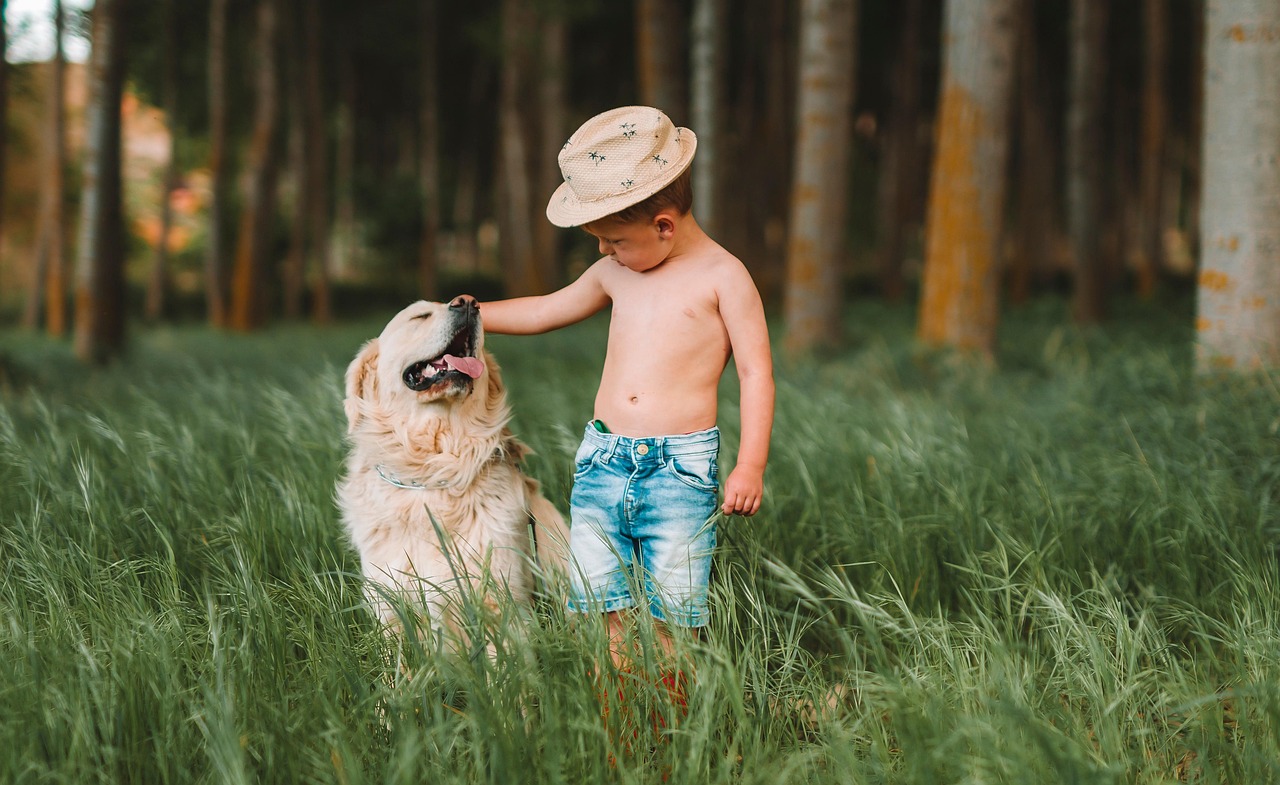
Learning to recognize when your dog feels overwhelmed is absolutely critical for everyone’s safety. Signs your dog may need a break include avoiding children, moving away from their approaches, stiff or tense body, closed mouth, side eye, tucked tail, raising a front paw, excessive panting when it’s not hot, ears back, avoiding eye contact, yawning, growling, barking or snapping. These aren’t signs of a “bad” dog; they’re your pup’s way of communicating discomfort before reaching their breaking point.
Yawning, blinking, and lip licking are the first signs that dogs might want to be left alone, followed by turning their head away, then turning their whole body which often results in a paw lifting off the ground. When dogs are surrounded by kids and let out a big yawn, it’s not sweet but rather a sign that they’re overwhelmed and would appreciate your help. Never ignore these early warning signals, as they’re your dog’s polite way of asking for space before feeling forced to escalate their communication.
Early Socialization and Exposure Techniques
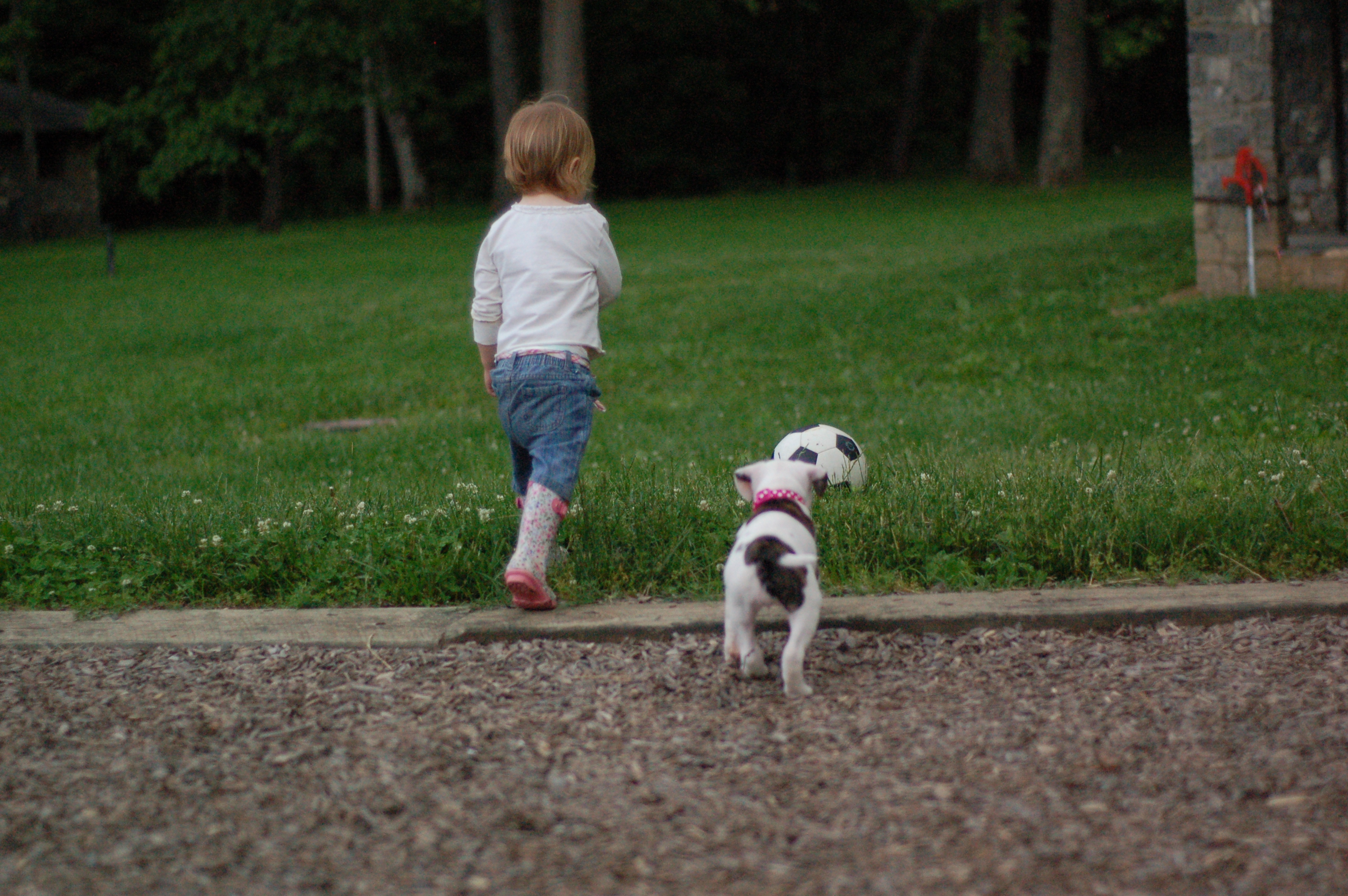
Just like with humans, a dog’s habits are best formed during their initial years, with puppies going through a vital development phase between eight and sixteen weeks that shapes their future selves, requiring exposure to as many new situations and people as possible. However, don’t panic if you have an adult dog – training an adult dog to be comfortable around children is still very possible. The key lies in gradual, positive exposure that builds confidence rather than overwhelming your pet.
A crucial step in preparing dogs for children is simply exposing them to kids playing, laughing, and crying until they feel comfortable, proceeding gradually by inviting friends with well-behaved older children over first. You can help by acting like a child yourself for practice – run around, shout more, move erratically, and make exaggerated gestures to introduce your pet to childlike behavior and help them get acclimated. Start with short, positive sessions and gradually increase exposure time as your dog shows comfort.
Teaching Essential Commands for Child Safety
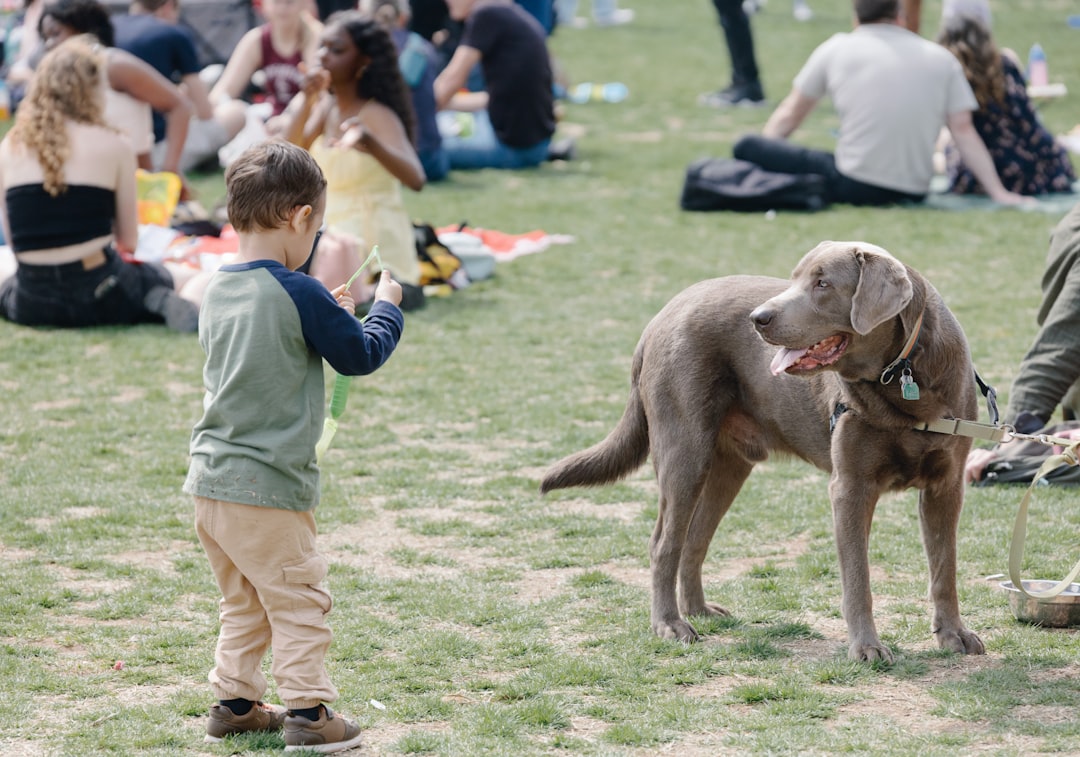
Be sure to train basic manners such as “sit” for greetings and “lie down,” and it can help to teach “leave it” for self-control and to tell your dog to leave a child alone if they get too excited. A dog cannot be prepared for children until it has been trained to follow basic control commands: sit, down, and let go, which enables you to assert control and establish a relationship with your pet. These aren’t just nice-to-have skills; they’re essential safety tools that give you immediate control when needed.
Begin with positive reinforcement and clicker training, rewarding your dog with treats and praise for calm, friendly behavior around children, focusing on teaching them to sit, stay, and lie down when children are nearby to create a more controlled and safe environment. Commands such as “leave it” and “stay” come in handy when keeping your dog from stealing or chasing after children’s toys, and you should redirect them to appropriate dog-friendly toys with treats as rewards. Practice these commands regularly in different settings to ensure your dog generalizes them to various situations.
Creating Safe Spaces and Management Strategies

Dogs need a quiet location that allows them to rest away from chaos, as they require roughly fourteen hours of sleep daily and puppies need even more, and lack of rest can make them cranky just like toddlers, so provide a safe space like a large crate draped with an old sheet, spare room with baby gate, or ex-pen. Think of this as your dog’s personal retreat center where they can decompress and recharge without any pressure to interact.
Your pets should never feel forced to interact with your children, so give them the ability to excuse themselves from situations using baby gates for that purpose. This safe space works when kids need space from dogs, when dogs need space, when you need a break from supervising, or during high-activity events like birthday parties, plus it helps prevent undesirable behaviors like chewing kids’ toys and counter surfing. Management isn’t giving up; it’s being proactive about preventing problems before they occur.
Positive Association Building Between Dogs and Children
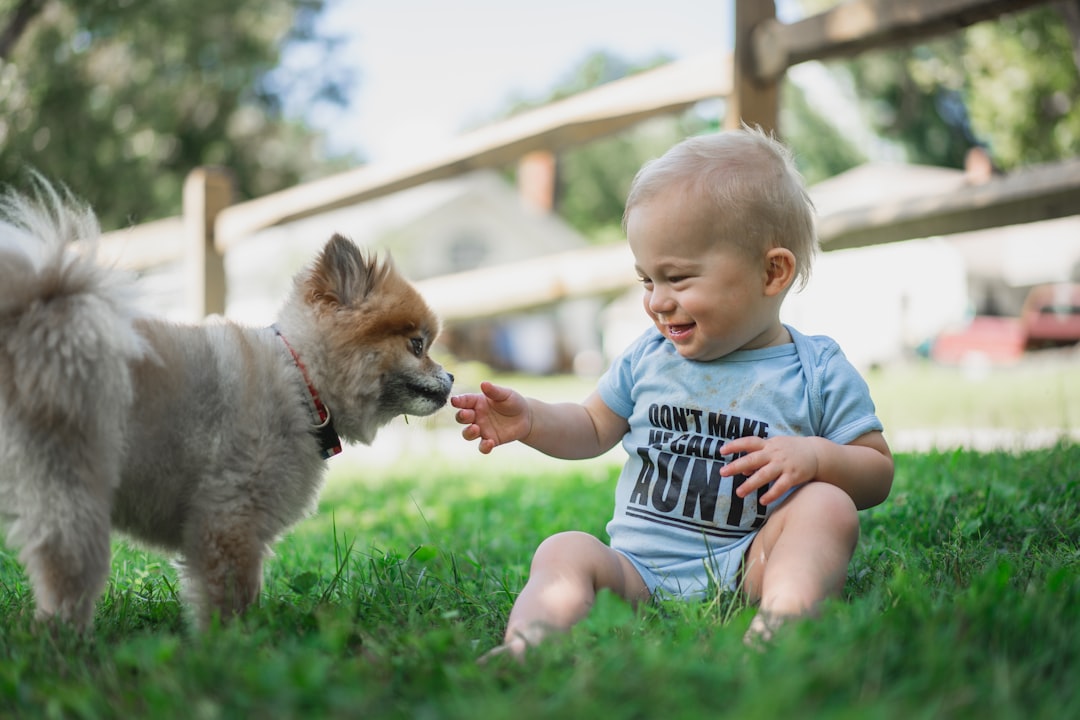
When your dog behaves well around children, give lots of praise, treats, and attention so your dog learns that good things happen whenever kids are around, and soon your pup will be happily seeking out children and staying on their best behavior. The goal is to make children predict wonderful things in your dog’s mind, not just neutral or stressful experiences. Every positive interaction builds a foundation of trust and comfort that pays dividends over time.
Show your child how to engage positively with dogs through activities like throwing balls for dogs who love fetch, or helping food-motivated pups enjoy treats or peanut butter from a spoon, as the more your dog associates these positive experiences with your child, the more likely their relationship will bloom. Involve your children in the training process by teaching them to give clear, simple commands like “sit” or “stay” and reward the dog for following through, which helps foster responsibility and respect between child and dog.
Handling Physical Contact and Touch Preparation
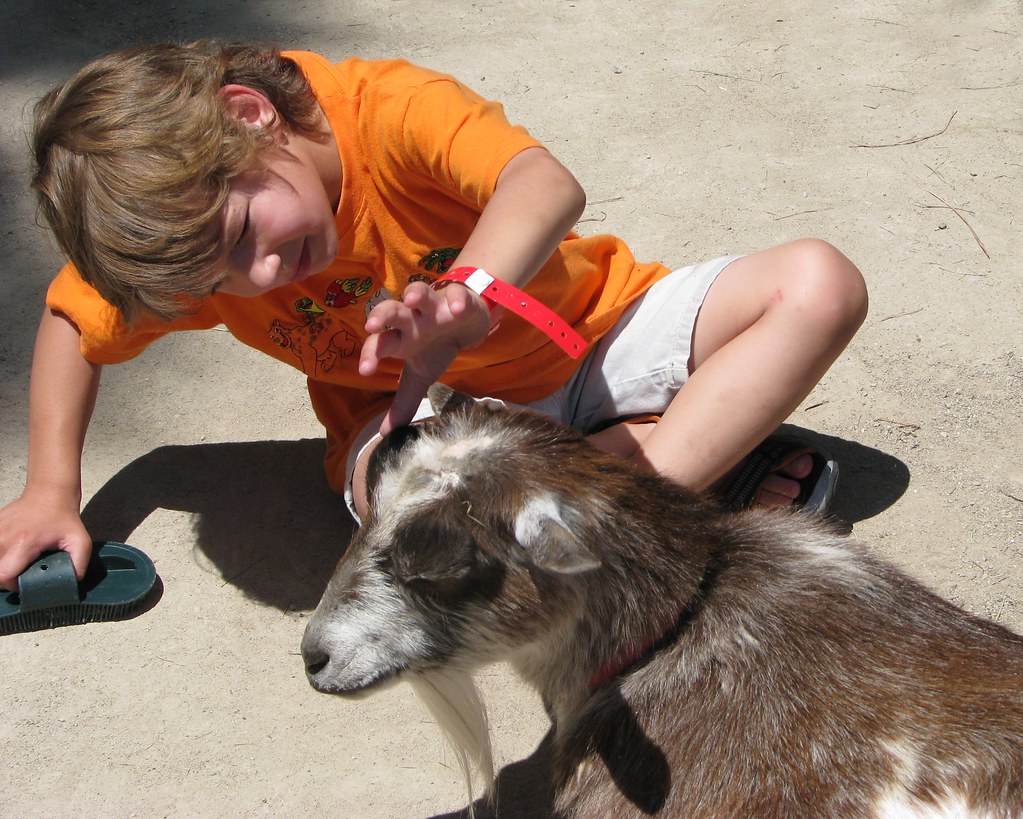
Even well-behaved children sometimes can’t keep from throwing their arms around a dog’s neck or tugging on ears, so prepare your dog for these situations by giving lots of praise and treats while you gently play with their tail, hold their paws, hug them, and check their ears. Desensitizing dogs to being touched around the face and head and even tugged on gently will prepare them for the ways they are touched by children. This isn’t about teaching your dog to tolerate discomfort; it’s about building positive associations with the types of handling they’ll likely experience.
If your dog exhibits fear or anxiety during gentle handling practice, it may be best to keep children at a distance. Repeated exposure to poking, prodding, grabbing, or hands in food bowls by children will not make your dog more tolerant and can actually cause negative associations, which is very dangerous and can escalate to aggression quickly. Never force interactions; instead, work on building comfort gradually through positive experiences where your dog maintains choice and control.
Supervision Guidelines and Age-Appropriate Interactions
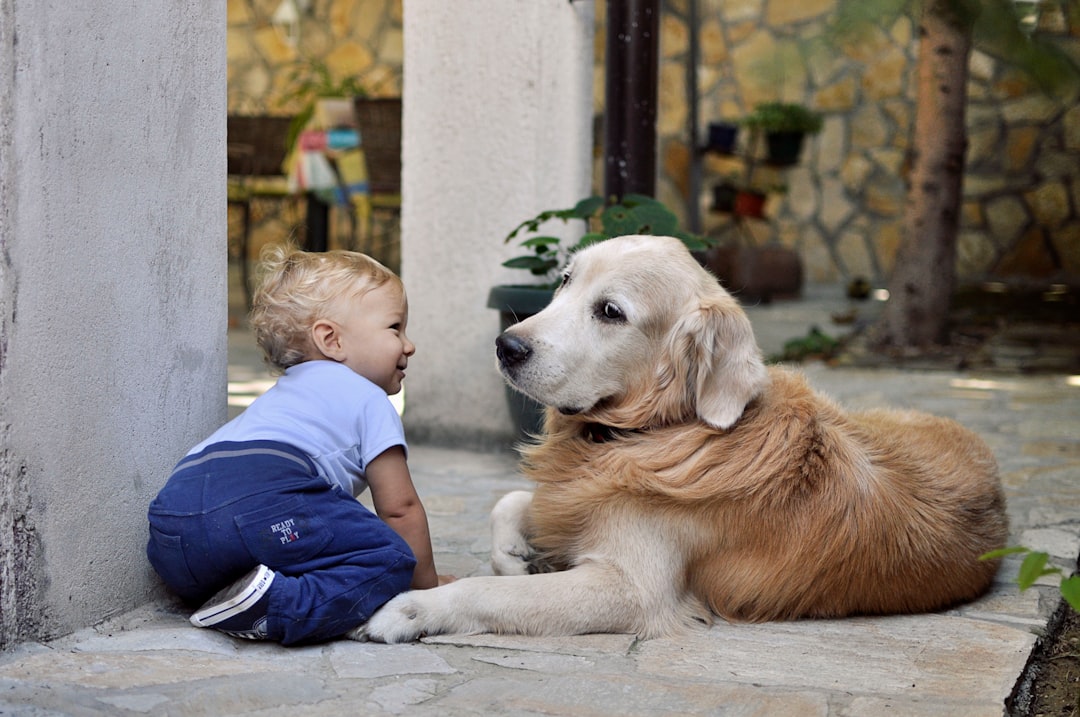
Dogs and small or young children should never be left alone together unsupervised because canine body language is tricky to read and young children simply cannot do it on their own, so an adult should always be in the room actively paying attention to both. As a matter of safety, pets shouldn’t be left alone with children under five because little ones and dogs are still unpredictable, but adult supervision keeps everyone happy and safe. This isn’t about not trusting your dog; it’s about recognizing that both children and dogs can be unpredictable in ways that require adult intervention.
Older children can be left alone with a dog once they’ve learned to appreciate the dog’s needs and you can predict a safe outcome, but younger children need constant supervision even when they know the rules. Think of dog and kid time as “play dates” requiring direct supervision to ensure appropriate interactions, as serious accidents can happen in a split second. Quality supervision means actively watching and being ready to redirect or intervene, not just being in the same room while distracted by your phone or other tasks.
With patience, consistency, and respect for both your dog’s needs and children’s natural curiosity, you can create a harmonious household where everyone feels safe and valued. Remember that every dog progresses at their own pace, and some may need more time and support than others. The investment you make in proper preparation and training pays off with years of joy watching your dog and the children in your life form special bonds built on mutual respect and understanding.
What experiences have you had introducing dogs to children? Tell us in the comments how these strategies worked for your family.


