
#1: They Begin Withdrawing From Everyone They Love
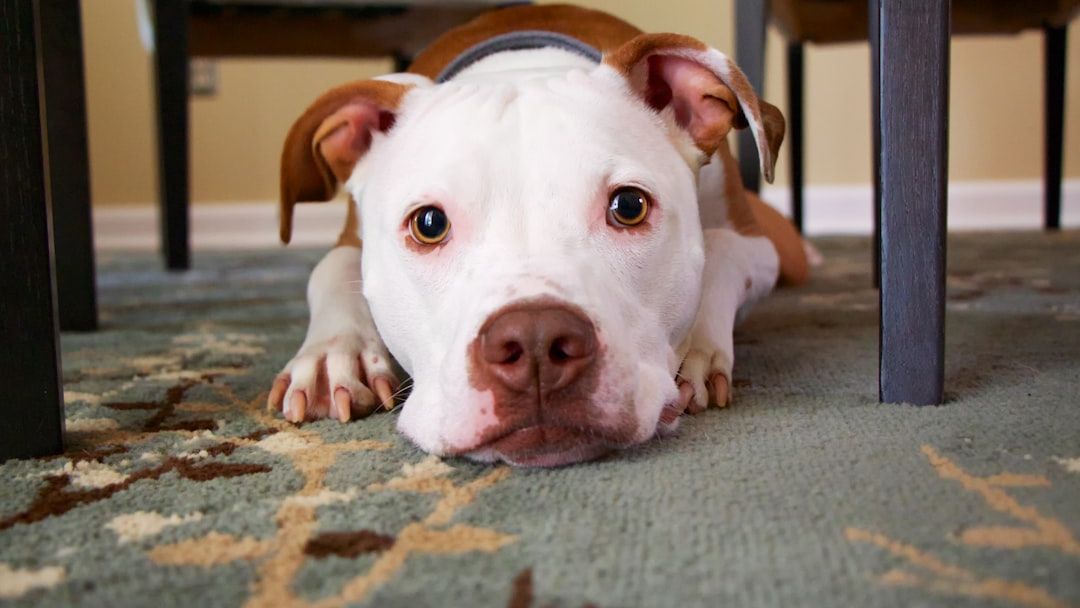
Of all the signs that a dog is nearing the end, social withdrawal is among the most quietly devastating. One of the earliest and most noticeable shifts in behavior can be a change in your dog’s usual social interactions. Some dogs may become excessively clingy, constantly seeking your attention, following you from room to room, and becoming anxious when left alone. This increased need for security and comfort is a natural response to their weakening state.
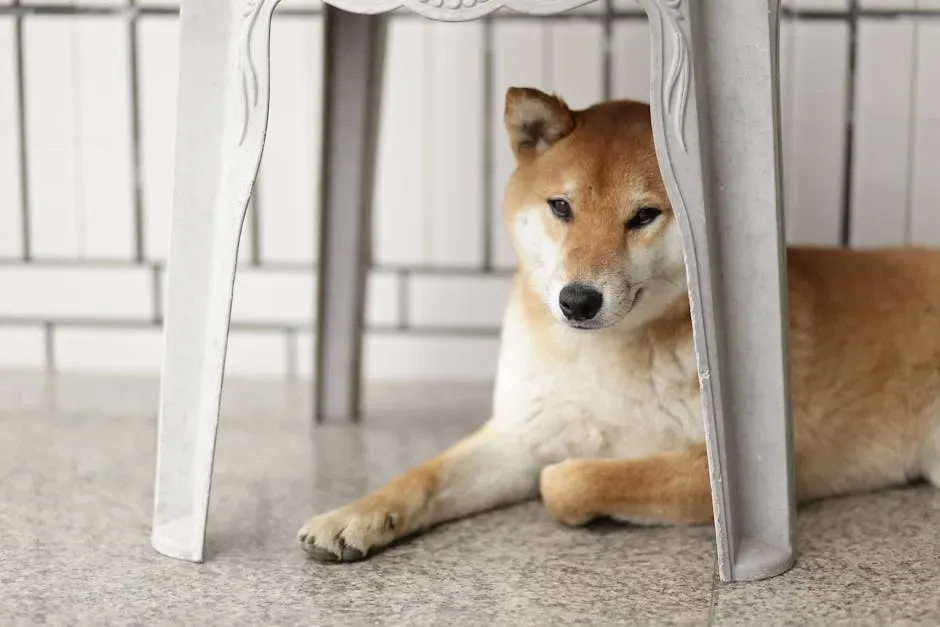
Many old dogs instinctively withdraw as they near the end of life. Some choose quiet, hidden spots such as under beds, in closets, or behind furniture to rest. This behavior reflects instinct rather than rejection. In the wild, dying animals seek solitude for safety and peace.
The two extremes, intense clinginess and complete withdrawal, can both signal the same underlying truth. Dogs are social creatures, so when they begin to isolate themselves or, conversely, become clingy, this could be a sign of dog behavior before death. The emotional and social shifts in their behavior can be heartbreaking, but they offer insight into their state of mind.
Dying pets may behave differently around people, often becoming more distant or sometimes more clingy. Choosing to hide or isolate themselves may reflect fatigue and a desire for quiet, or an instinct to separate oneself from others when the end is near. If your pet displays this end-of-life behavior, avoid forcing interactions, but remain close by so they can feel your calming presence.
#2: They Lose Interest in Food, Water, and the Things They Once Loved

A dog who turns away from their favorite treat is telling you something significant. When dogs enter their final phase of life, they typically exhibit several physical changes that signal their declining health. One of the earliest and most noticeable signs is a significant decrease in appetite. Dogs may completely refuse food or show very limited interest in their favorite treats.
Pets may lose interest in food or water as vital organ functions begin to shut down and end-of-life behaviors set in. Your dog may be reluctant to approach their food bowl, but continue to take treats, or they may stop eating altogether. It often begins gradually, a skipped meal here, a sniff and a turn away there, before becoming a consistent pattern that’s hard to ignore.
Beyond food, as a dog’s health declines, it may no longer show interest in its favorite activities. They may not rouse to play with toys, play with their pet siblings, or bark at small animals or passing cars. A lack of interest in what’s happening around them can signify they are near the end of their journey.
Appetite and water intake will gradually decline as the dog’s organ systems begin to shut down. If you’ve tried warm food, hand-feeding, or their most beloved snacks and still gotten no response, that shift in appetite combined with behavioral withdrawal deserves a veterinary conversation sooner rather than later.
#3: Their Breathing Changes in Ways That Are Hard to Miss

Changes in how a dog breathes are among the most physically visible signs that something serious is happening. Irregular, shallow, or labored breathing is a warning sign that a dog or cat may be dying. Particularly in a pet’s final hours, a gasping breath pattern may occur. Because breathing difficulties can be painful and distressing, you should seek timely veterinary care or rapid euthanasia to reduce suffering if you notice this end-of-life behavior in your pet.
Dogs may start panting even while at rest, develop a cough, or have increased difficulty drawing a normal breath. This can be secondary to heart failure, respiratory diseases, cancer, or a metabolic disease such as diabetes, kidney failure, or liver or adrenal gland disorders.
Respiratory changes are common in old dogs nearing death. The breathing may become slower, faster, shallow, or irregular, and may be accompanied by soft whimpers or groans. Fluid buildup in the lungs, often due to heart or organ failure, can make breathing noisy or labored.
It’s worth noting that not every shift in breathing signals imminent death. Some conditions are treatable. Dogs may also show some of these signs when they have a treatable condition, so it’s important to seek a veterinarian’s evaluation. The point isn’t to assume the worst immediately, but to act with urgency and not wait for the situation to escalate on its own.
#4: A Strange Burst of Energy That Feels Like a Gift, But Isn’t

This one catches people completely off guard, and it may be the cruelest trick of the process. It’s not uncommon for dogs to have a sudden burst of energy before they pass away. This phenomenon, often called the “last bloom” or “rally,” can be confusing and misleading, giving pet owners false hope of recovery.
A dog who has been barely moving may suddenly get up, seek affection, wag their tail, or seem almost like themselves again. It’s natural to feel hope wash over you in those moments. Many families describe it as a gift, a final afternoon of familiar joy shared between them and their beloved companion. Treasure it, because it rarely lasts.
Many pet owners report that their dogs make prolonged eye contact as if trying to communicate something profound. This can be seen as a final connection or farewell. Whether or not dogs understand death at a conceptual level remains genuinely uncertain, but these moments of intense gaze and physical nearness feel unmistakably intentional to the people on the receiving end.
Many dog owners feel their dog “said goodbye” before passing. While dogs do not understand death the way humans do, they are highly intuitive and sensitive to changes in their bodies and environment. Some dogs may become unusually affectionate, seek out their favorite person, or quietly isolate themselves. Others may seem calm and peaceful after a period of discomfort. These behaviors are more likely instinctive responses to weakness or discomfort rather than a conscious farewell, but emotionally, they can feel deeply meaningful to the people who love them.
#5: Confusion, Disorientation, and a Faraway Look in Their Eyes
Perhaps the most unsettling sign of all is when your dog no longer seems fully present, even while they’re still physically with you. Sometimes, dogs near the end of their life experience extreme confusion. They may wander the house aimlessly or get lost in the backyard. There may be times when you think they don’t recognize you or your family members.
A dog’s cognitive function can decline as they near death, and these changes can be subtle or extreme. You might notice signs of confusion in dogs before death, and while this can be tough to witness, it’s important to recognize these mental changes. Your dog may appear disoriented or lost, even in familiar settings. Dogs often become less reactive to their environment, not responding to commands or familiar faces.
Some pets become mentally disoriented as they decline, which may reflect serious cognitive dysfunction or a health condition affecting the brain. Affected pets may pace, stare, vocalize, develop anxiety, or seem lost in their once-familiar home. Medication and sticking to a routine can sometimes help these pets, although the behaviors can be distressing for pet owners, too.
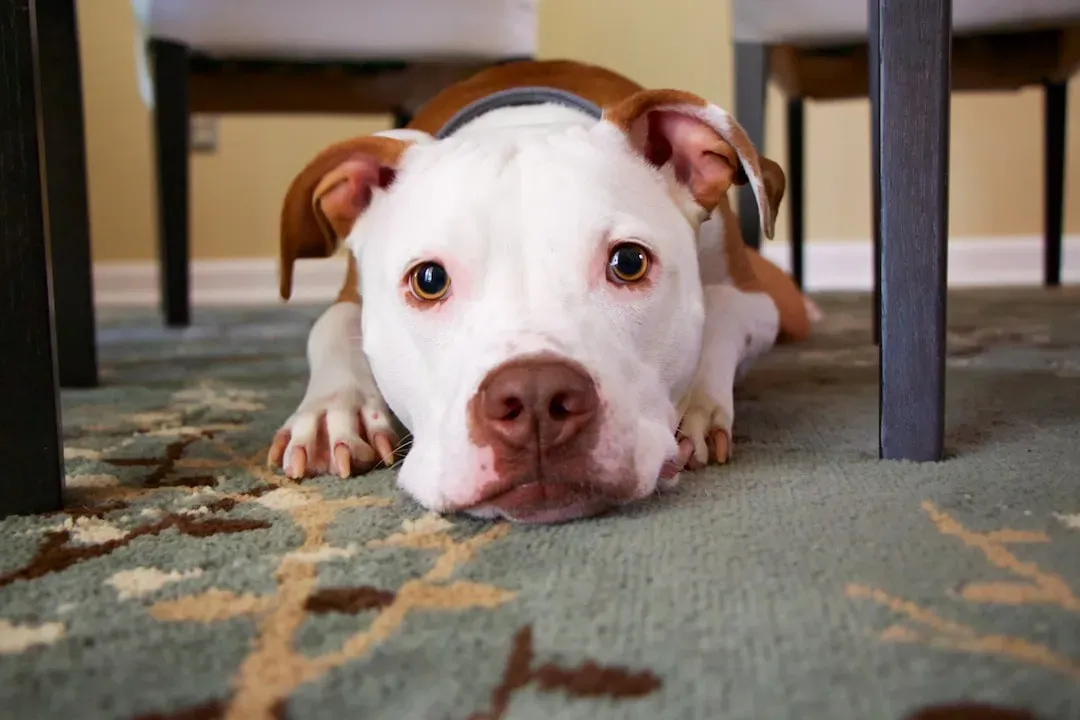
A dog’s body language can be a window into their emotional state. A once vibrant tail may become still, or engaged eyes might appear distant, both possible signs of an inner knowing that their time is near. When you see that faraway look settle in, the kindest response is simply to stay close, speak softly, and let your presence do what words cannot.
What You Can Actually Do When You See These Signs
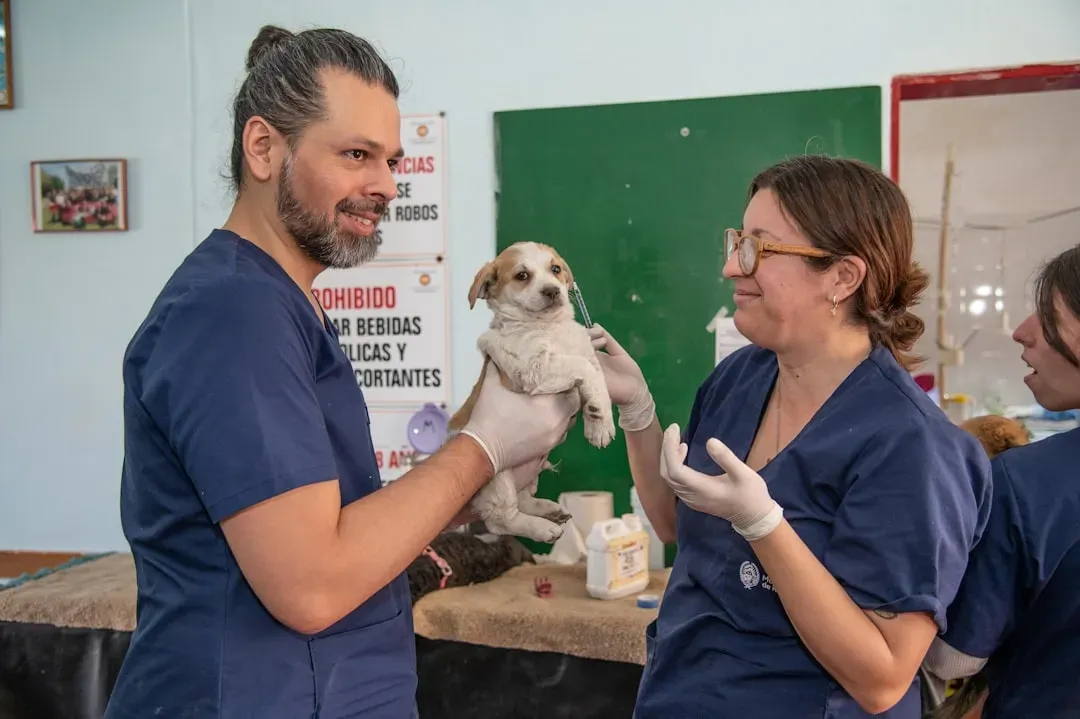
Recognizing these behaviors is one thing. Knowing how to respond with clarity and compassion is another entirely. It is important to remember that while the symptoms above can be signs that a dog is dying, they can also be signs of treatable medical conditions. Therefore, if you are concerned about your dog’s health or think it is dying, it is best to visit your veterinarian for an examination. This will also allow you to discuss end-of-life care options for your beloved pet, if necessary.
While it’s true that some behavioral changes can signal the end of life, it’s just as important to remember that not every sign of decline means your pet is dying. Many pets, especially seniors, experience health issues that are treatable or manageable with proper veterinary care. A sudden withdrawal, mobility issue, or appetite loss could just as easily stem from something like arthritis, dental pain, infection, or a manageable chronic condition, and not necessarily mean impending death.
It can be so difficult to say goodbye to your dog, but there are things you can do as a loving pet parent to make sure your dog is as comfortable as possible and show them continuous acts of care and compassion near the end of their life. Soft bedding in a quiet corner, gentle handling, familiar routines, and pain management through your veterinarian can all make a profound difference in what those final days feel like for your dog.
If possible, make an end-of-life plan for your dog and discuss it with your family and your veterinarian well before the time arrives when you’ll need it. Your veterinarian can explain your dog’s ailments and describe palliative and hospice care options, euthanasia services, natural death, and aftercare and memorial considerations. Having that conversation early removes some of the panic and replaces it with intention.
A Final Thought on Letting Go With Grace
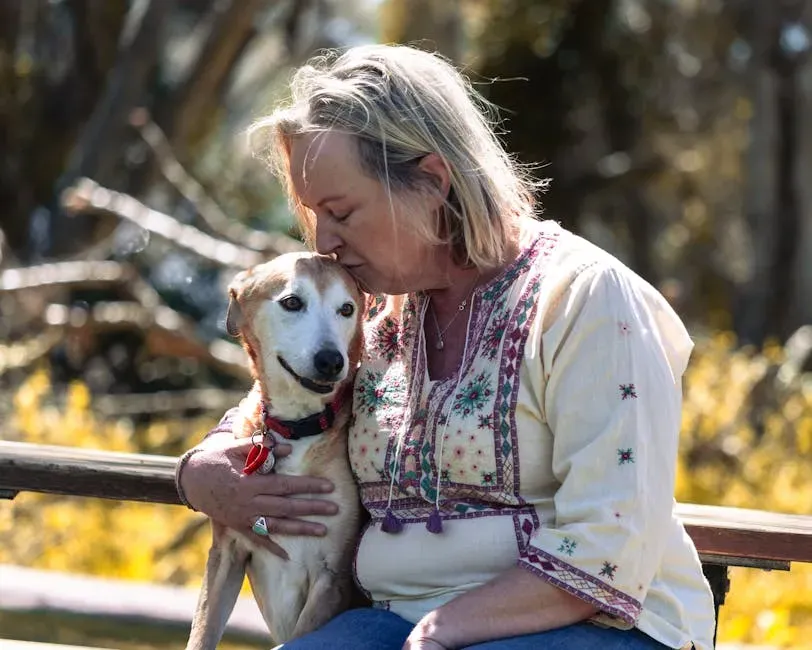
The bond between a person and their dog is one of the most uncomplicated forms of love most of us will ever experience. They ask so little. They give so completely. When the time comes, the most honest thing we can do is pay close enough attention to know when they’re telling us something.
While it’s difficult to determine if dogs know when they are dying or if they say goodbye, their behavior often indicates a change as they approach the end of life, suggesting that dogs may understand death, at least to some extent. Whether or not a dog consciously understands what’s happening, the behavioral shifts are real and they matter.
Personally, I believe those final days, however hard, carry something irreplaceable in them. The quiet moments of sitting together, the steady presence you can offer when your dog can no longer move the way they used to, the act of simply being there, all of it counts. Near the end, many dogs want nothing more than to spend time with the people they love. That’s not a small thing. That might be everything.


