
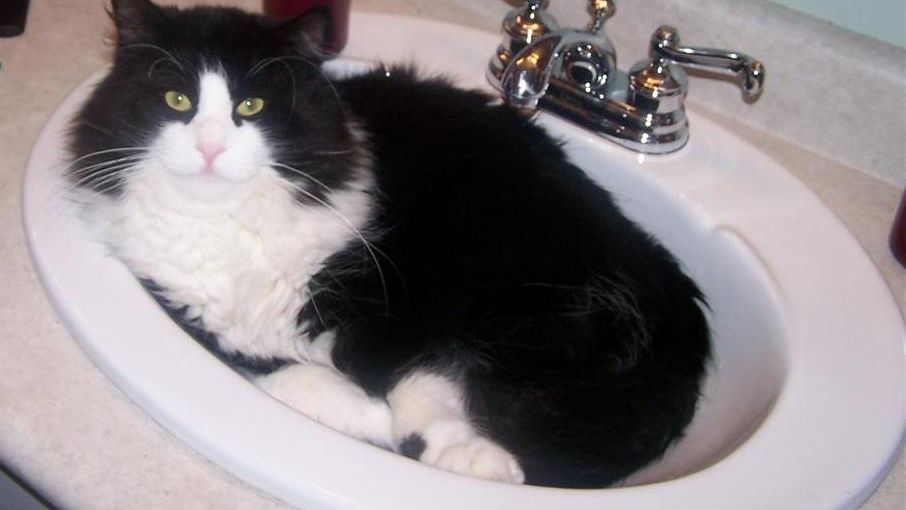
Most cat owners have experienced that familiar shadow at their heels the moment they stand up from the couch. The bathroom door barely cracks open before a pair of eyes appears, and suddenly the private moment turns into a shared one. It feels personal, almost deliberate, yet the reasons behind this habit often surprise people who assume their cat is simply being nosy.
Understanding the behavior starts with recognizing that cats do not follow rules the way dogs do. Their choices reflect a mix of instinct, learned patterns, and the unique bond they share with their humans. What looks like odd timing usually ties back to something far more ordinary in their world.
Curiosity Drives the First Steps
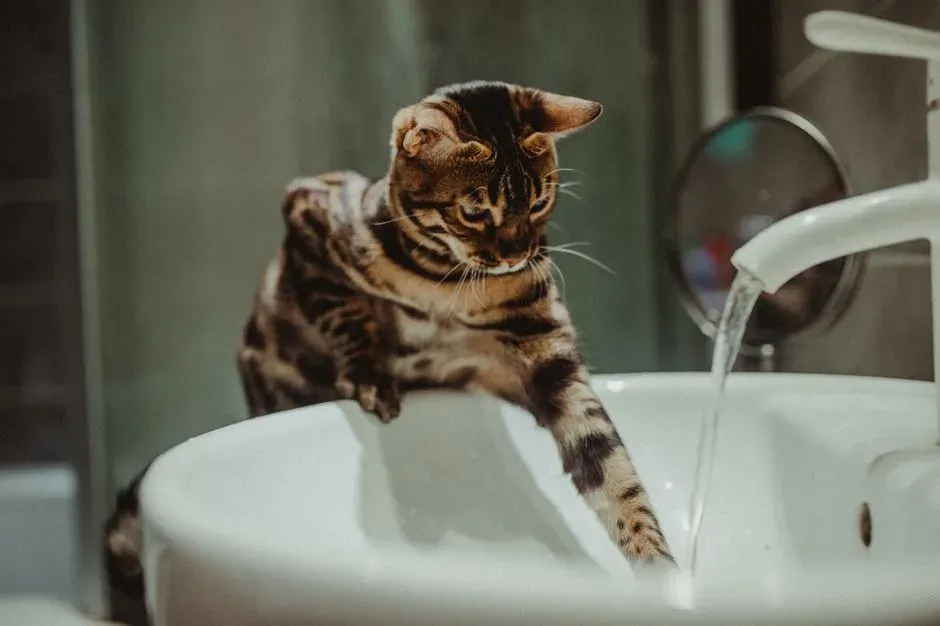
Cats explore spaces that change or open up around them. The bathroom represents a room they rarely enter alone, so the sudden activity draws their attention like a new box or a crinkling bag. They watch the door swing and the water run because those small shifts break the usual quiet of the house.
Once inside, they investigate every corner and sound. A running faucet or the flush of the toilet offers fresh sensory input that satisfies their natural drive to monitor their territory. This simple interest often explains why the same cat ignores other rooms yet appears right on cue for bathroom visits.
They Crave the Quiet Company
Many cats treat the bathroom as a low-stakes place to receive undivided attention. No phones ring, no other pets interrupt, and the enclosed space keeps everyone close for a few minutes. The routine becomes a reliable pocket of calm in an otherwise busy day.
Owners who work long hours or live in active households notice this pattern most clearly. The cat learns that following creates a guaranteed moment of connection without competition. Over time the behavior strengthens because it consistently delivers the closeness they seek.
Protection Plays a Quiet Role
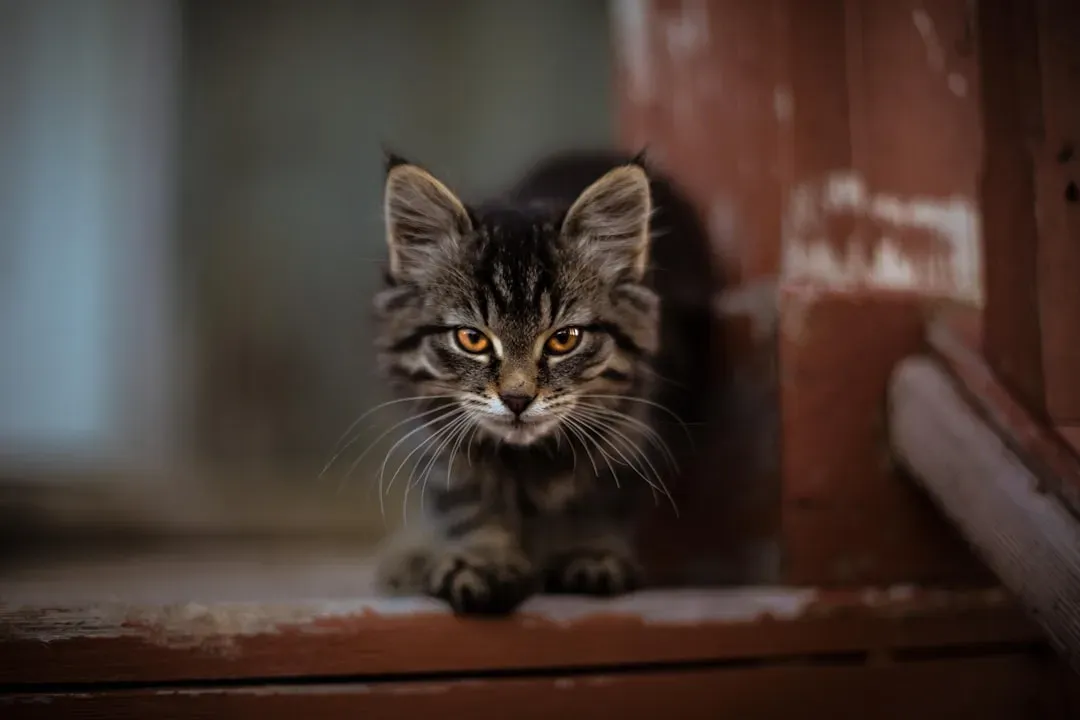
Cats sometimes follow because they feel responsible for the safety of their favorite person. The bathroom can feel vulnerable to them, especially if the door closes and separates the household. Staying nearby lets them keep watch over sounds and movements they cannot see from another room.
This instinct shows up more in cats that have bonded closely or lived through changes like moves or new family members. They position themselves where they can react quickly if anything seems off. The behavior looks clingy but stems from an older survival drive to stay near the group.
Routine Becomes the Real Trigger
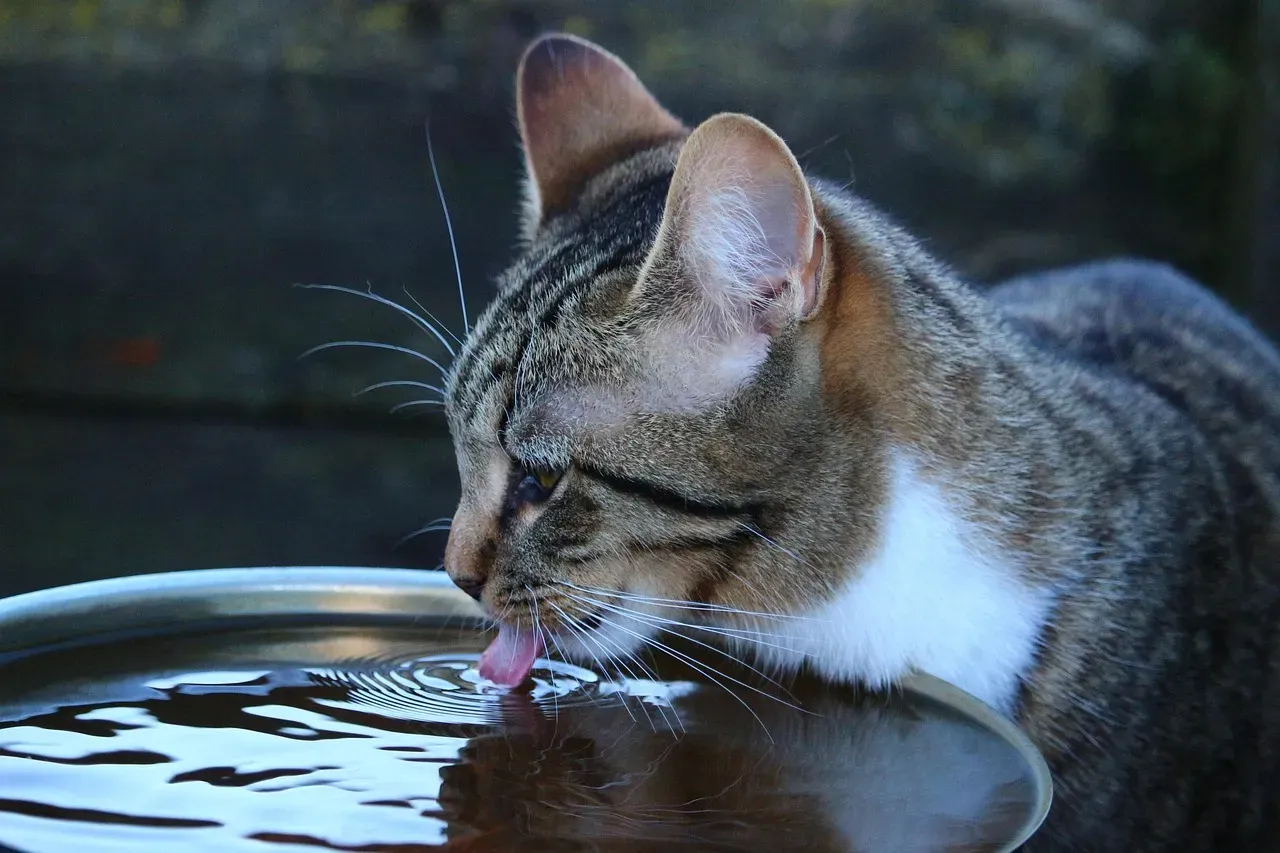
Cats notice sequences better than most people realize. The moment you stand and walk toward the hallway, they recognize the start of a familiar chain of events. Following completes the pattern they have observed dozens of times before.
Changing the routine slightly, such as stopping for a drink first, often breaks the spell and leaves the cat waiting in the original spot. This shows how much the behavior depends on predictable timing rather than any single action inside the bathroom itself. The habit grows stronger with repetition until it feels automatic for both of you.
Scent Marking Happens Without Fanfare
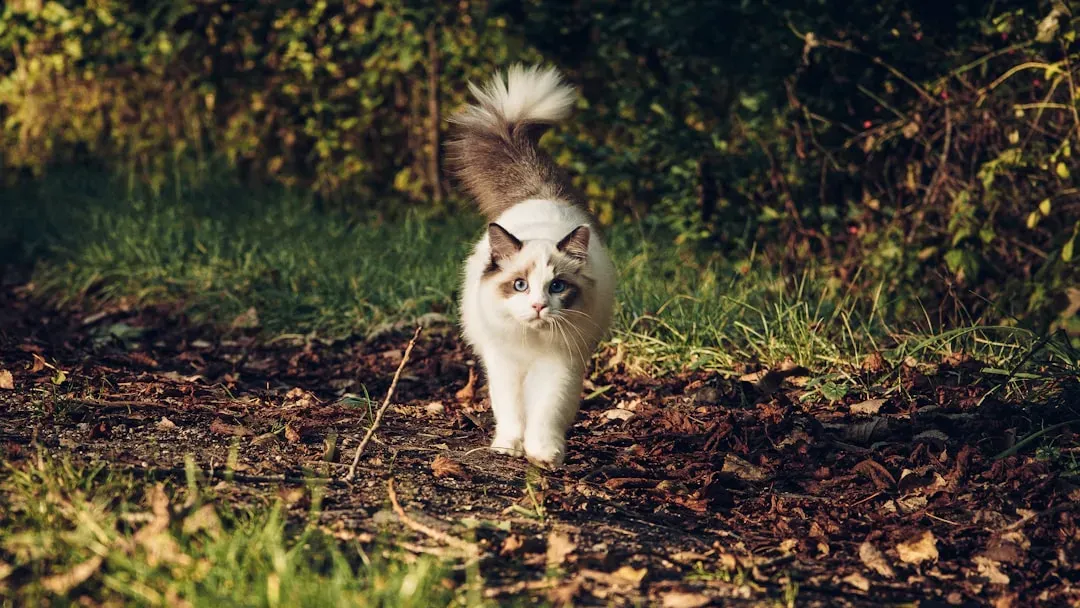
Cats carry scent glands on their cheeks and paws that they use to claim spaces. Rubbing against a leg or brushing past the toilet creates a subtle mark that says this area belongs to them too. The bathroom receives these small deposits because it is one of the few rooms they can access during private moments.
The marks also help the cat feel more secure when they return later. A familiar scent in an otherwise closed-off room reduces any lingering uncertainty. Owners rarely notice the action because it blends into normal rubbing and walking patterns.
Warmth and Comfort Draw Them In

Bathrooms often hold steady warmth from pipes or recent showers that cats find appealing. The tiled floor can feel pleasantly cool or the steam from a hot shower creates a cozy pocket of humidity. Either condition offers a quick comfort break during their daily rounds.
Older cats or those with joint stiffness especially appreciate these micro climates. They settle on a bath mat or near the radiator while you finish your routine. The location becomes a practical resting spot rather than a random choice.
The Bond Strengthens Over Time
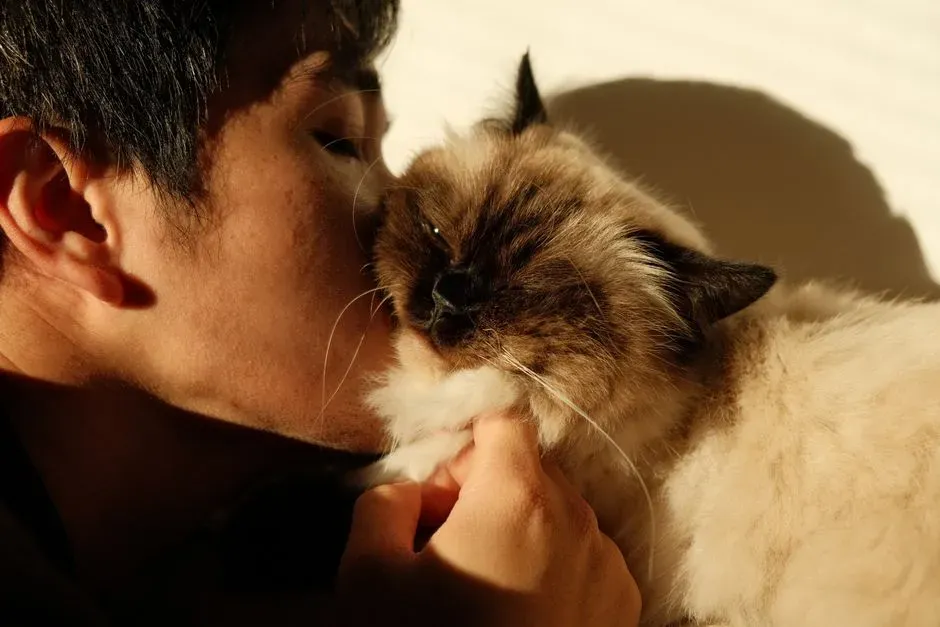
Repeated bathroom visits turn into shared rituals that deepen the relationship between cat and owner. Each trip reinforces trust because the cat learns the space stays safe and the person remains predictable. Small interactions like a quick pet or a soft word build on that foundation.
Cats that follow consistently often show similar attachment in other areas of the home. The bathroom simply offers the clearest daily example of how much they value proximity. Over months and years the pattern becomes one more quiet thread in the fabric of daily life together.
Paying attention to these small habits reveals how cats shape their days around the people they trust most. The bathroom escort is rarely about drama or mystery. It is usually a straightforward expression of curiosity, comfort, and connection that fits naturally into their world. Watching for the pattern can turn an ordinary moment into a clearer window on what your cat values most.


