
#1. Your Dog Doesn’t Understand What’s Happening – And That’s the Hard Part

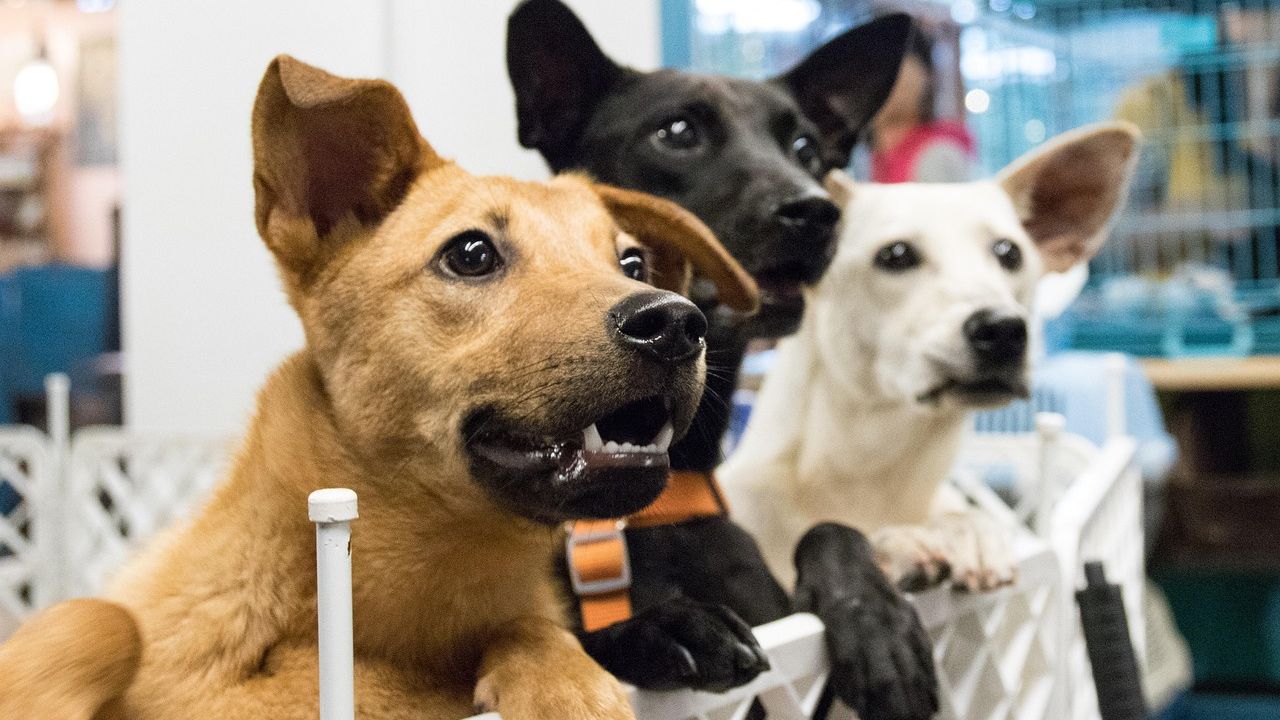
Dogs are deeply social animals that form powerful emotional bonds with their human families. They thrive on routine and familiarity. When that is suddenly removed, it’s not a sense of “betrayal” they feel, but rather acute stress and confusion. There’s no explanation you can give them. No conversation that softens the blow. They simply wake up one day and everything they knew is gone.
When a dog is rehomed, she has no control over the situation. She doesn’t know where she’s going or why, doesn’t know who the new people are, or whether she’s going to be safe. When she gets to her new home, everything is new and different – the people, the environment, the food, the sounds, the scents, the routine. That kind of total disorientation is something we rarely consider when we’re filling out transfer paperwork or handing over the leash.
#2. The Emotional Fallout Is Real, Measurable, and Often Long-Lasting

In the short term, many dogs experience high levels of stress when moved to a new environment. Signs like panting, pacing, or house-soiling may appear as a response to unfamiliar sights, sounds, and people. This emotional upheaval can last for days or even weeks, depending on the dog’s personality and past experiences. For some dogs, it resolves relatively quickly. For others, the impact is far more stubborn.
Once the love-bond has been created, a dog will be loyal to the very end. Break this bond through rehoming, and your canine companion can react by becoming depressed. Depression can manifest in many ways, such as a lack of interest in food or play. A sad dog may also sleep more often and at unusual times. Some dogs may react by suffering from severe anxiety, including whining and barking out of fear or frustration, and may pace and continuously search for their previous owner.
#3. Dogs Remember You – More Than You Realize
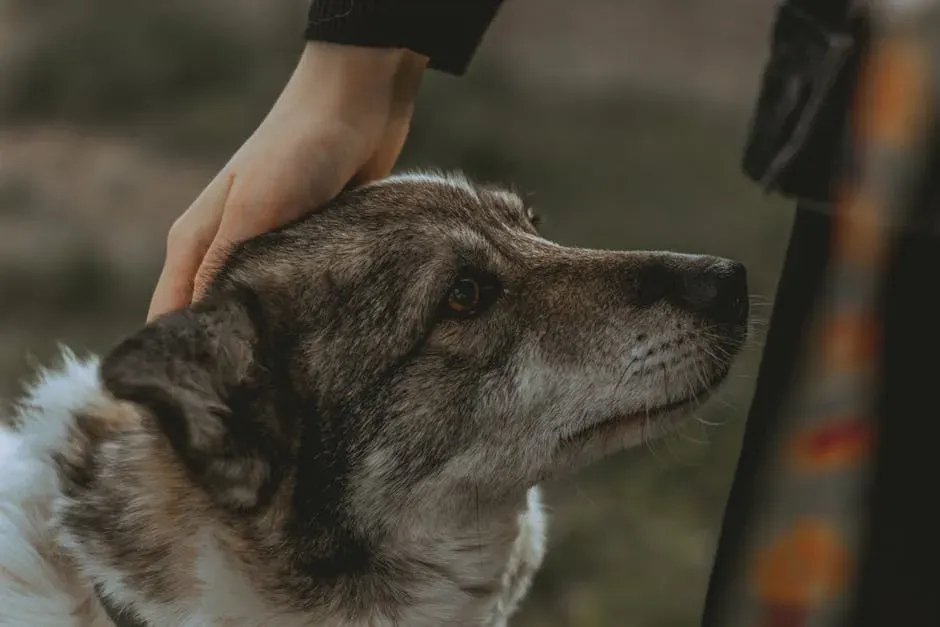
Dogs that had particularly strong bonds with their previous owners took longer to adjust and showed lingering signs of sadness, such as searching for their previous owners or remaining withdrawn. This suggests that dogs do have the capacity to miss their old owners, particularly if the bond is strong. However, with time and care, most dogs form new attachments to their new owners, although the process may vary depending on the individual dog’s temperament and past experiences.
Dogs rely heavily on associative memory, meaning they remember people, locations, and experiences based on past interactions. A dog’s sense of smell is estimated to be up to 100,000 times more powerful than a human’s, allowing them to remember familiar scents for years. Dogs also form emotional bonds with their human companions and can recognize and remember emotions and body language. In other words, they don’t just forget you when you walk out the door. The memory of you, your smell, your voice, the routines you shared – all of it stays.
#4. The Shelter Environment Can Make Things Significantly Worse
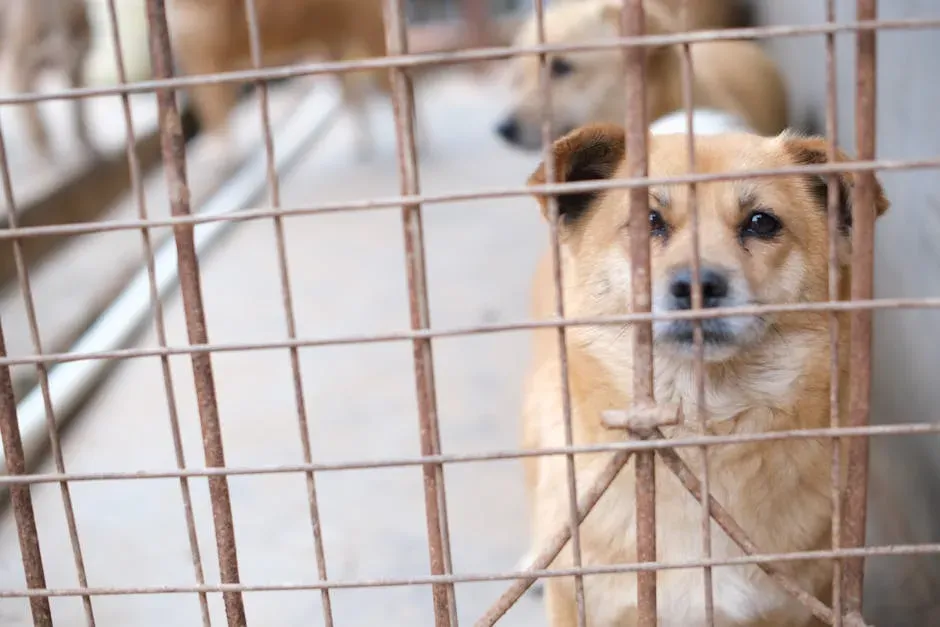
Dogs that are relinquished to a dog shelter are exposed to several stressors, such as a novel and unpredictable environment and noise, and they are often placed in a socially isolated environment, which contributes to an increase in the dog’s stress level. Indeed, rehomed dogs or dogs that have lived in dog shelters for any period can suffer from acute and long-term stress, which can be measured behaviorally and physiologically. The shelter is not a neutral waiting room. For many dogs, it’s genuinely frightening.
There is no conclusive evidence showing exactly why dogs develop separation anxiety. However, because far more dogs who have been adopted from shelters have this behavior problem than those kept by a single family since puppyhood, it is believed that loss of an important person or group of people in a dog’s life can lead to separation anxiety. With every failed adoption, separation anxiety just gets worse. It’s a cycle that’s genuinely hard to break once it starts.
#5. There May Be More Options Than You Think – Before You Give Up
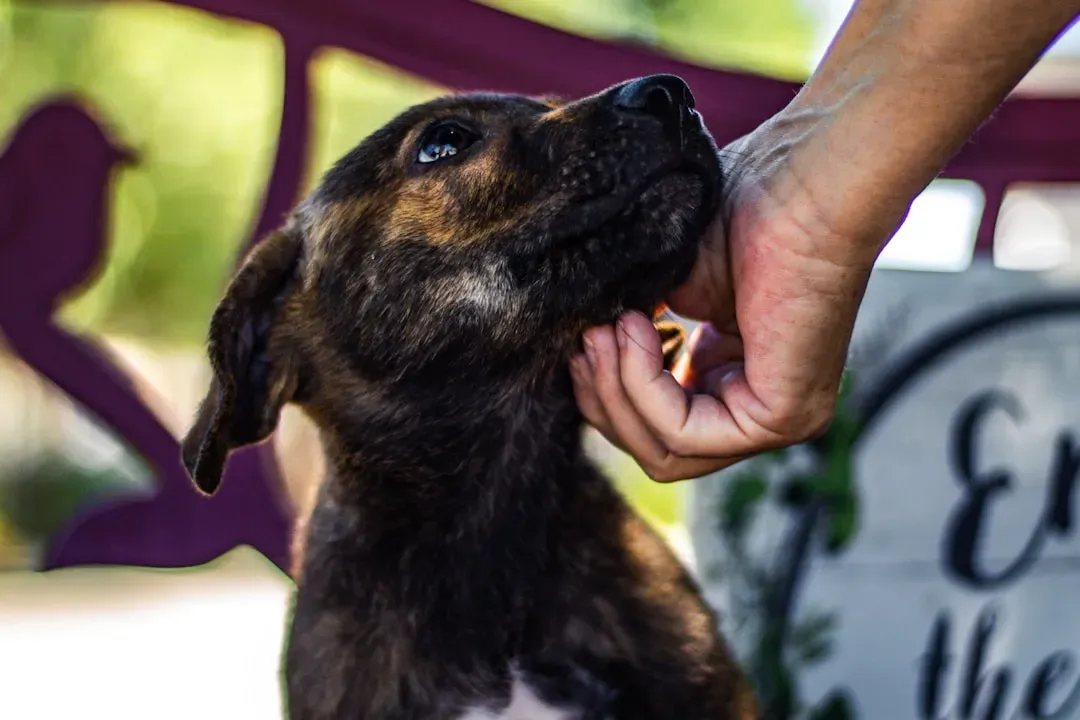
Many animal shelters, rescues, SPCAs, humane societies, and municipal animal controls have programs to keep people and pets together. At minimum, they can often refer you to credible resources in your own community that may be able to help. Surrender prevention programs are on the rise nationwide. The main goal is to keep people and pets together. Most people simply don’t know these programs exist until it’s too late.
Surrender prevention programs can include pet food pantries, low or no-cost veterinary care, and even short or long-term pet fostering. Some provide help with training if behavior issues are the reason you are thinking about giving up your pet. Behavioral issues can be exacerbated when a pet enters the shelter system, so beginning to work through behavioral issues prior to rehoming or admitting a pet to a shelter is the best alternative for your animal’s future. Reaching out before surrendering is almost always worth the conversation.
#6. If Rehoming Is the Only Path, How You Do It Matters Enormously
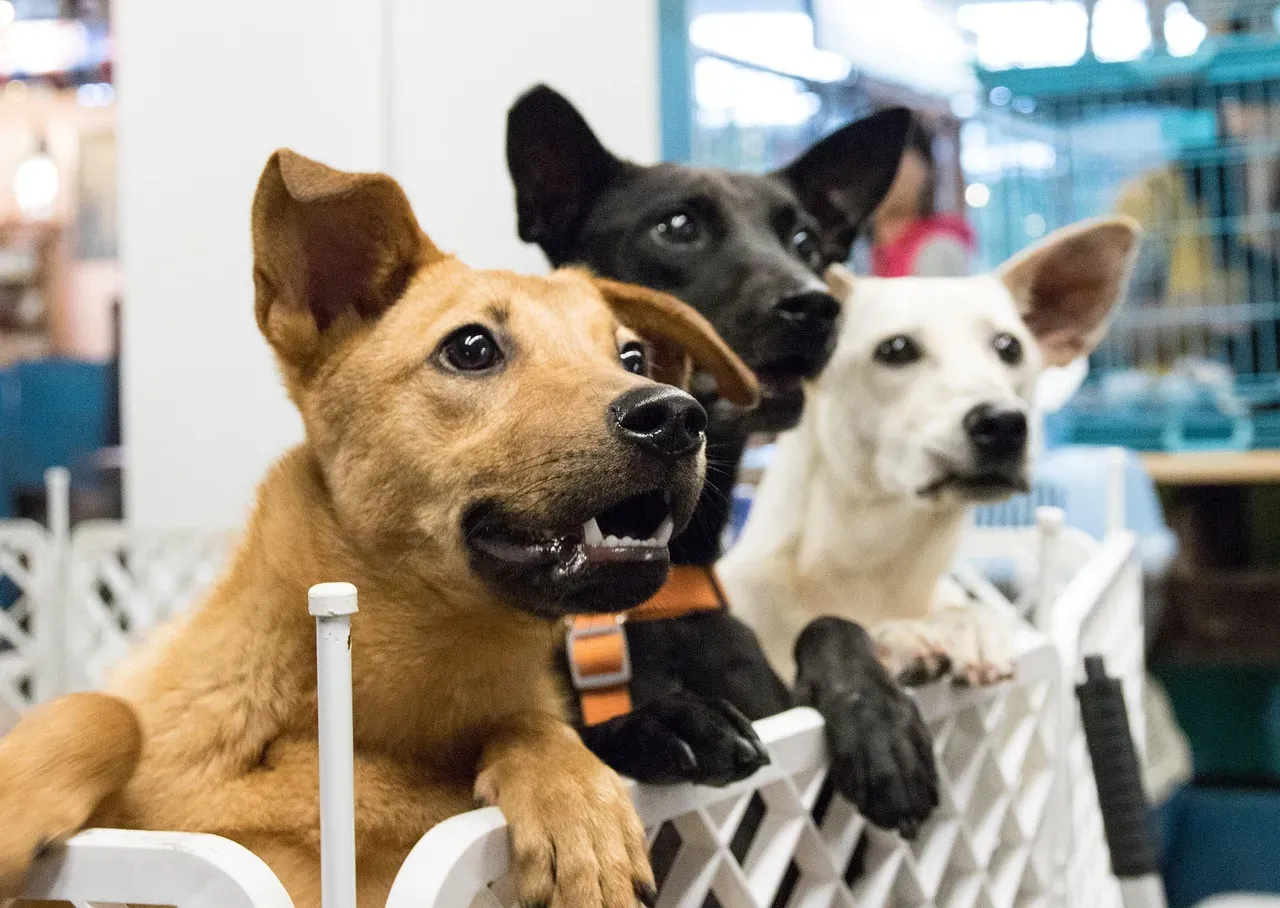
Rehoming a pet through Craigslist may place your pet in significant peril. Many animals advertised on Craigslist have wound up victims of abuse and neglect, rehomed to backyard breeders, hoarders, dog-fighting rings, or other criminal elements. The method you choose for rehoming isn’t a minor detail. It can determine whether your dog ends up safe or in serious danger.
Ethical rehoming involves thoroughly screening adopters, being honest about the dog’s behavior, and ensuring a safe, loving home. Research suggests that owners of rehomed dogs often report a higher emotional closeness to their dogs than owners of dogs who have been with them since puppyhood. Despite the observed short-term effects during the rehoming procedure, rehomed dogs can adapt to their new life and develop a strong relationship with their owner. The outcome depends heavily on how carefully the transition is handled and who receives that dog next.
A Final Word – For the Owner Who Is Quietly Breaking Too

There’s a reason this decision feels so heavy. It’s because the bond between a person and their dog is genuine, mutual, and built over years of shared mornings, walks, and quiet evenings on the couch. Rehoming isn’t a failure of love. Sometimes it’s the most painful expression of it – choosing what’s best for them even when it costs you everything emotionally.
Dogs can miss their previous owners after being rehomed, but they often bond quickly with new families who provide them love and stability. Even if a dog can remember a former family for a long time, that does not necessarily interfere with the bonding process with a new human parent. Dogs have big hearts and a lot of love to offer. They are, in the end, remarkably forgiving creatures.
What they need from us – whether we keep them or must let them go – is thoughtfulness. They deserve every option explored, every resource checked, and if the moment truly comes, the most careful and compassionate transition possible. They gave us their whole world without hesitation. We owe them at least that much in return.


