
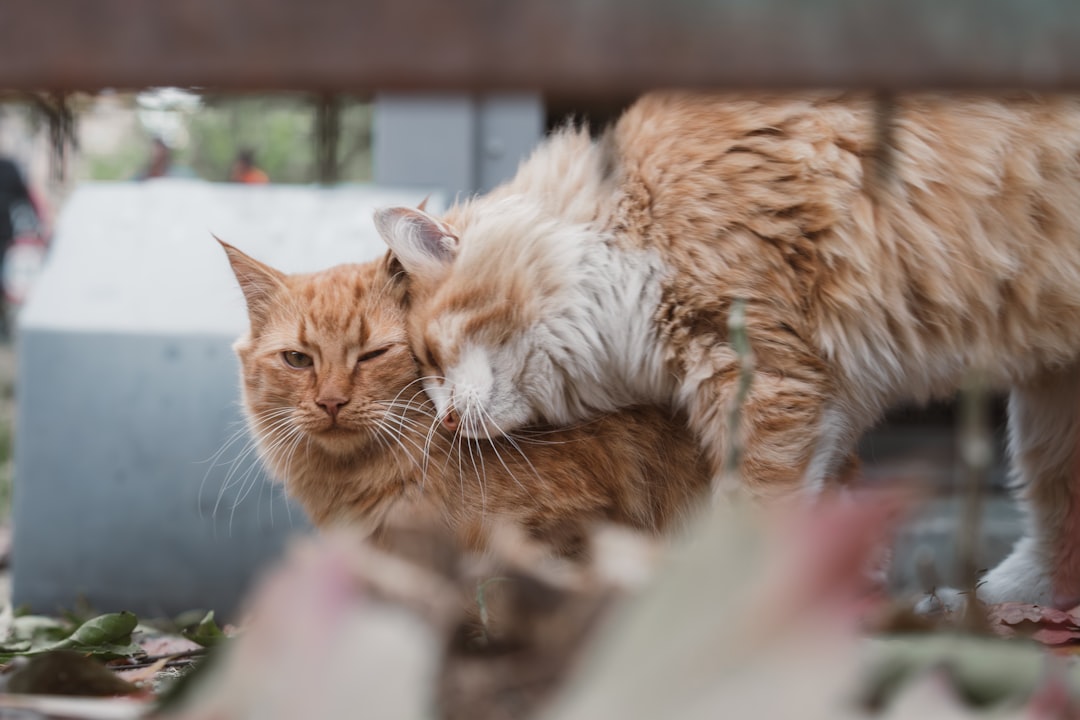
Have you ever felt a warm, furry body press up against you, only to wonder if your cat is sharing a moment of love—or just laying claim to their favorite human real estate? It’s a question that leaves many cat owners scratching their heads while their feline companions purr contentedly on their laps. The answer isn’t as simple as it seems, and discovering your cat’s true intentions can be both surprising and heartwarming. With every gentle nudge, soft paw, or sprawling flop across your bed, there’s a fascinating story unfolding in the secret language of cats. Are you ready to decode it?
The Comfort of Cat Cuddles: More Than Meets the Eye

When your cat curls up beside you on the couch, it’s easy to assume they’re simply enjoying your company. But there’s more happening beneath that velvety fur. Cats are drawn to warmth, and your body offers the perfect cozy spot. Beyond comfort, snuggling can be a sign of security—your cat feels safe enough with you to let their guard down. This trust is a powerful bond that many pet owners crave. Yet, sometimes, what looks like affection might actually be a clever way for your cat to mark their turf. It’s not just a cuddle; it’s a subtle mix of love, comfort, and a dash of feline strategy.
Scent Marking: The Invisible Signature

Did you know that cats have invisible “pens” on their cheeks and paws? These scent glands release pheromones, which they rub onto you and their surroundings. When your cat rubs their face against your hand or nestles into your lap, they’re not only enjoying your warmth—they’re leaving a scent signature that says, “This is mine.” This marking behavior is completely natural and helps your cat feel more secure in their environment. It may seem possessive, but it’s also their way of weaving you into their world, one cuddly moment at a time.
Kneading: A Kitten’s Memory or Territorial Claim?

If you’ve ever felt your cat rhythmically pressing their paws into your blanket or belly, you’ve witnessed the adorable act known as kneading. This behavior often harks back to kittenhood, when nursing kittens knead their mother to encourage milk flow. For adult cats, kneading can be a sign of comfort, reminiscent of those early days. But it can also be a territorial message. By kneading, cats activate the scent glands in their paws, leaving their mark—literally—on you or the spot they cherish most. Whether from nostalgia or a sense of ownership, kneading tells a complex story.
Tail Talk: Decoding the Feline Mood

A cat’s tail is like a living mood ring. When your cat snuggles close and their tail is relaxed or gently curled around you, it’s a sign they feel safe and content. But if their tail is twitching or flicking, even during a cuddle, they might be feeling a bit possessive or uncertain. Watch for a tail that wraps around your arm or leg—this can be both a show of affection and a subtle claim on their favorite human. Paying attention to tail language gives you clues about whether your cat is snuggling for love or laying down the law.
Sleeping Habits: Trust or Territory?

Where your cat chooses to sleep says a lot about their feelings. Cats who sleep on your bed, pillow, or even across your chest aren’t just seeking comfort—they may also be declaring, “This spot is mine.” In the wild, cats sleep in safe, secure places. By choosing to doze near or on you, your cat is showing tremendous trust. At the same time, they’re using scent and presence to stake their claim. This dual purpose turns every nap into a blend of affection and territory marking.
Purring: The Soundtrack of Emotions

Few things are as soothing as a cat’s purr. While purring often signals happiness and relaxation, it can also serve other purposes. Sometimes, cats purr to self-soothe when they’re anxious or to reinforce their bond with their human. If your cat purrs loudly while snuggling, they might be expressing affection—or they could be reassuring themselves that their spot (and human) are safe and secure. The next time you feel that gentle vibration, remember: it’s a symphony of feelings, from love to ownership.
Head Butts and Cheek Rubs: The Ultimate Cat Compliment

When your cat greets you with a head butt or rubs their cheeks against your face, it’s hard not to feel special. These gestures are among the most affectionate in the feline world. But they also serve a territorial purpose; with each nuzzle, your cat is leaving behind pheromones. It’s their way of saying, “You’re part of my family, and I want everyone to know it.” What feels like a sweet hello is also a subtle flag planted in the name of feline ownership.
Following You Everywhere: Love, Curiosity, or Control?

Does your cat shadow you from room to room, even when you wish for a little privacy? While this can be a sign of deep attachment and curiosity, it’s also a way for your cat to monitor their territory—especially if you’re the center of their world. By sticking close, they ensure their scent stays fresh on you and their environment. This watchful behavior is both endearing and territorial, blending the best (and most possessive) parts of cat companionship.
Grooming You: Affection or Assertion?

A cat’s rough tongue can feel a bit startling when it starts grooming your hand or hair. This mutual grooming, or allogrooming, often happens between cats that are closely bonded. When your cat grooms you, it’s a high compliment—an invitation into their inner circle. Yet, grooming also spreads their scent, reinforcing their claim. It’s as if they’re saying, “You belong to me, and I’ll make sure everyone knows it.” So, the next time you get an unexpected tongue bath, remember it’s love with a hint of control.
Body Language: Reading Between the Lines

Understanding your cat’s intentions is often about watching the little things—those tiny ear twitches, slow blinks, or the way they stretch out across your lap. Relaxed ears, half-closed eyes, and soft, kneading paws often signal genuine affection. But a more alert posture, with ears perked and eyes wide, could mean your cat is on high alert for intruders—ready to defend their territory if needed. By tuning in to these subtle cues, you can better appreciate whether your cat’s snuggle is pure love, a territorial maneuver, or a delightful mix of both.


