
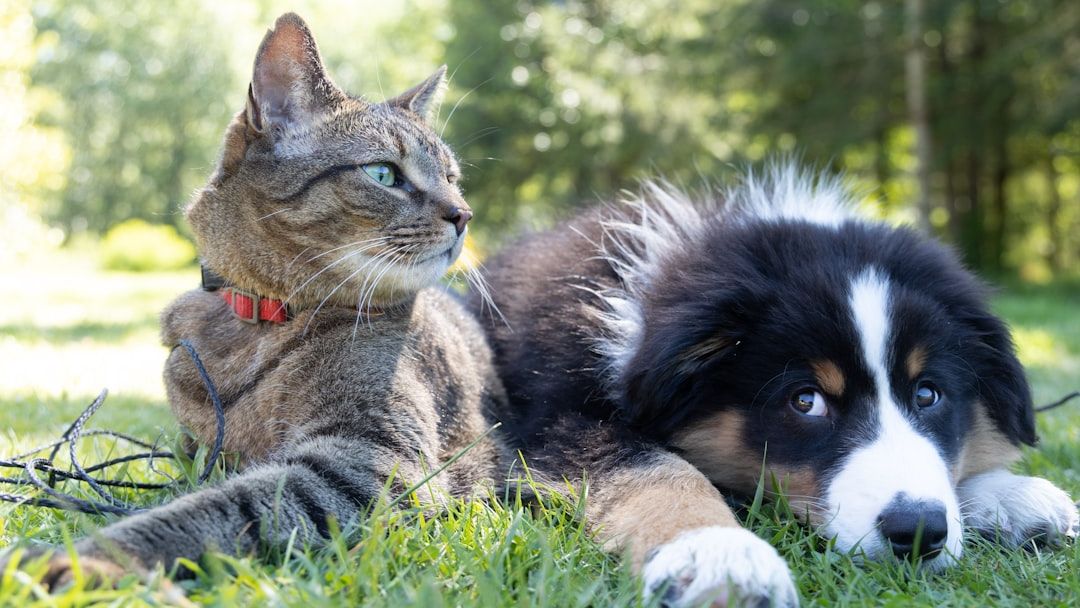
Many people view dogs and cats as opposites in temperament, with one side defined by eager companionship and the other by measured distance. Yet certain breeds developed through centuries of selective breeding now display habits that align more closely with feline preferences for self-reliance and selective interaction. These traits arise not from training shortfalls but from purposeful genetic lines suited to independent tasks.
Breeding History Shapes Reserved Demeanors
Breeds originally tasked with hunting or guarding without direct human oversight often retained a strong sense of autonomy. This background favors dogs that assess situations on their own rather than seeking constant cues or approval. Over generations, such selection produced animals comfortable with solitude and less inclined toward the high-energy sociability associated with many other dogs.
Environment and individual personality still influence outcomes, yet the foundational tendencies remain consistent across these lines. Owners frequently note that these dogs thrive when given space to choose their level of engagement, mirroring patterns seen in cats that approach on their own schedule.
Basenji: Clean Habits and Distinctive Sounds
The Basenji stands out for its grooming routines and preference for quiet self-maintenance. Veterinary consultant Dr. Nita Vasudevan has noted that these dogs are “quiet, clean and often groom themselves like cats,” while also highlighting their independent streak that reduces the need for constant affection. Instead of barking, they produce a yodel-like vocalization that further sets them apart from typical canine expressions.
This African breed’s history of solo hunting work reinforces its self-sufficient nature. Owners report that Basenjis often occupy sunny spots for extended periods, content without frequent interruptions.
Shiba Inu, Afghan Hound, and Sighthound Companions
The Shiba Inu brings a dignified presence marked by meticulous attention to personal space and deliberate responses to commands. Dr. Vasudevan describes the breed as “dignified, independent and meticulous,” noting their tendency to decide when interaction suits them. Afghan Hounds add striking appearance to the mix, with aloof independence rooted in their background of working without close human direction, according to descriptions from PetMD.
Italian Greyhounds and Whippets extend the pattern through their affinity for elevated perches, sunbathing, and aversion to wet conditions. These sighthounds share compact or graceful frames that enhance the visual parallel to cats, along with a shared preference for warmth and stillness over constant movement. Their size similarity to household cats in the case of the Italian Greyhound reinforces the resemblance in daily routines.
Collectively, these breeds illustrate how varied lineages can converge on similar behavioral outcomes. Each maintains core traits of selectivity in affection and comfort with independent observation of their surroundings.
Practical Considerations for Prospective Owners
Understanding these tendencies helps match expectations with reality when considering one of these breeds. Potential owners benefit from preparing for dogs that may not seek attention on demand and that value consistent routines over high levels of structured activity. Training approaches that respect their decision-making process tend to yield better results than those relying on immediate compliance.
Space for quiet observation and opportunities for self-directed exploration support their natural inclinations. Veterinary insights emphasize that these characteristics represent normal variation rather than issues requiring correction.
Betsy Banks Saul, creator of Petfinder, has reflected that cats represent noble creatures and that dogs are fortunate when compared to them. This perspective captures the quiet appeal of breeds that navigate the world with similar measured confidence. For those drawn to such companions, the experience often reveals unexpected parallels that enrich daily life without demanding constant oversight.


