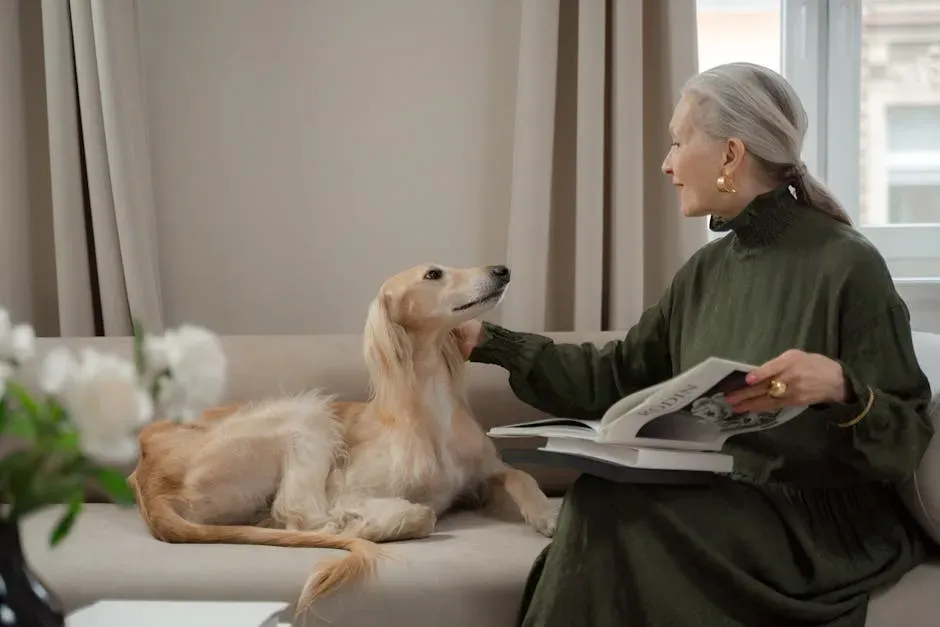
Bringing a dog into your life after 65 can be a source of joy, companionship, and even health benefits. However, not all breeds are suited to the lifestyle and physical capabilities of older adults. Choosing the right canine companion is crucial to ensure a harmonious relationship. Let’s explore seven dog breeds that might pose challenges for seniors and five that are ideally suited for this stage of life.
1. Siberian Husky
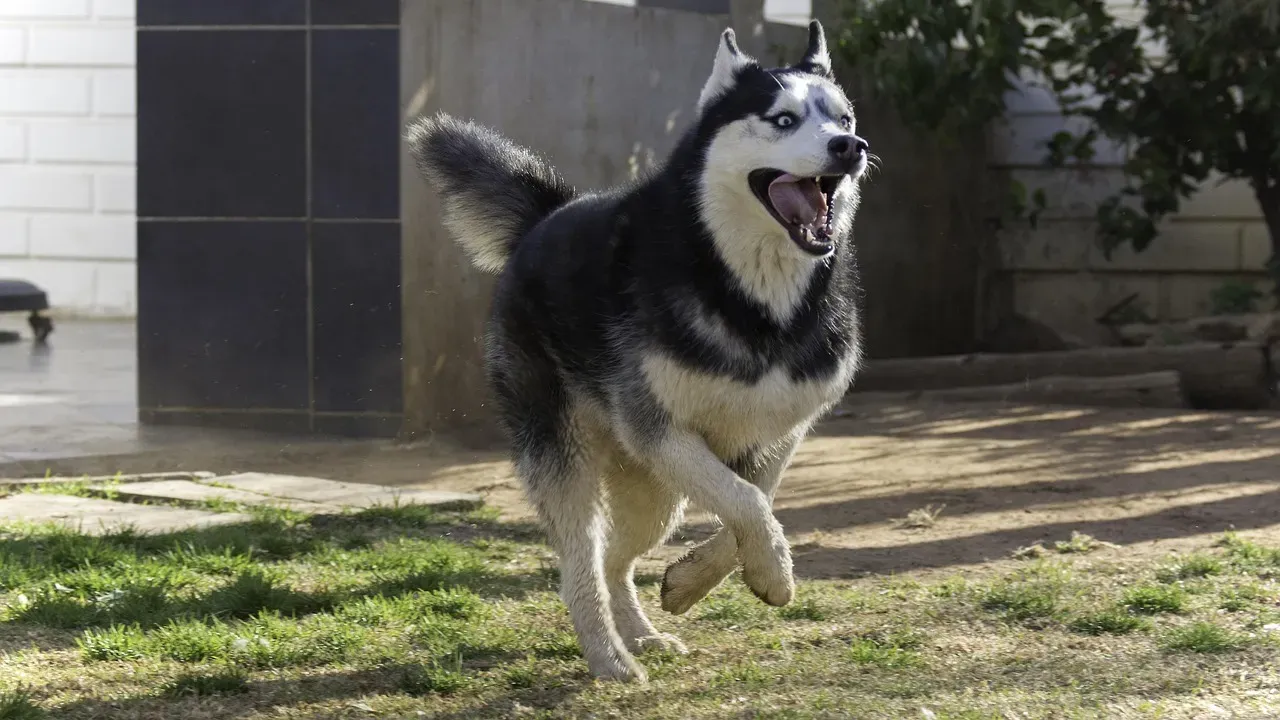
1. Siberian Husky (Image Credits: Pixabay)Siberian Huskies are renowned for their striking appearance and boundless energy. Originally bred as sled dogs, they possess an innate desire to run and require extensive daily exercise. For seniors, meeting the physical demands of a Husky can be overwhelming. Their strong-willed nature also means they can be challenging to train, often displaying a stubborn streak that requires consistent, firm guidance.Additionally, Huskies are known escape artists, often finding ways to break free from enclosures if not adequately secured. Their thick double coat, while beautiful, sheds heavily, necessitating regular grooming – a task that might be cumbersome for some older adults.
2. Border Collie
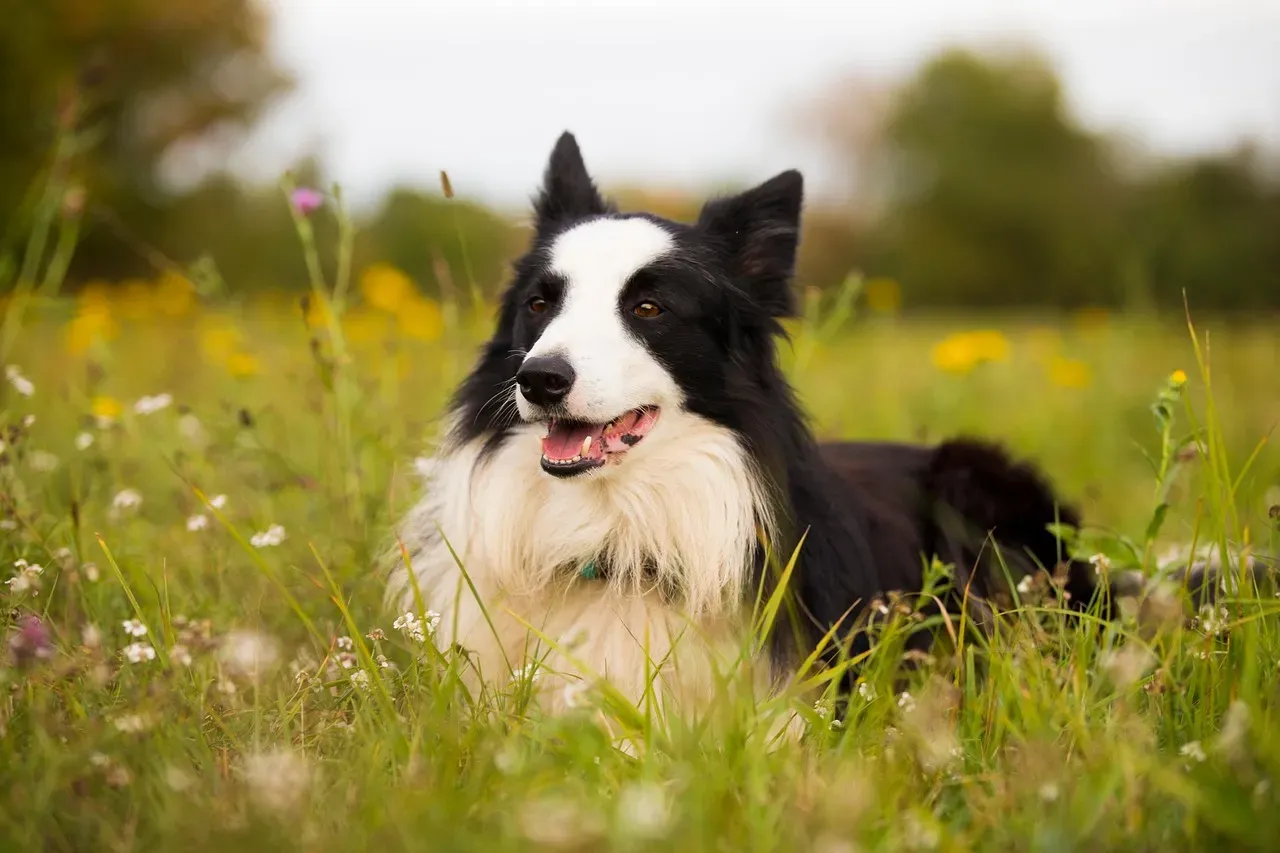
2. Border Collie (Image Credits: Pixabay)Border Collies are often hailed as the most intelligent dog breed, with a work ethic that’s second to none. Bred for herding livestock, they have an insatiable need for mental and physical stimulation. Without sufficient engagement, they can develop behavioral issues, including destructiveness and excessive barking.For seniors, the high energy and constant need for activity can be exhausting. Border Collies thrive in environments where they have a job to do, making them less suitable for a relaxed, low-energy household.
3. Jack Russell Terrier
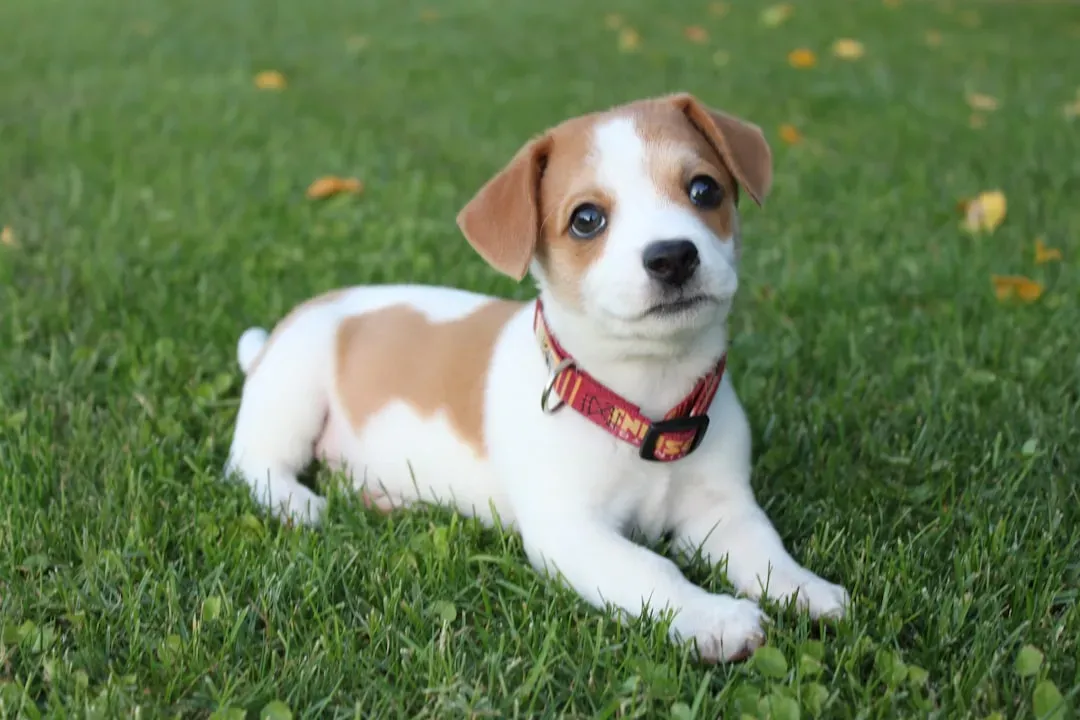
3. Jack Russell Terrier (Image Credits: Unsplash)Don’t let their small size fool you; Jack Russell Terriers are bundles of energy and tenacity. Originally bred for hunting, they have a strong prey drive and require rigorous exercise to keep them content. Their spirited nature can lead to stubbornness, making training a challenge.For older adults seeking a calm companion, the Jack Russell’s vivacity might be overwhelming. Their propensity for digging and chasing can also lead to unintended mishaps, especially if the owner isn’t as agile.
4. Dalmatian
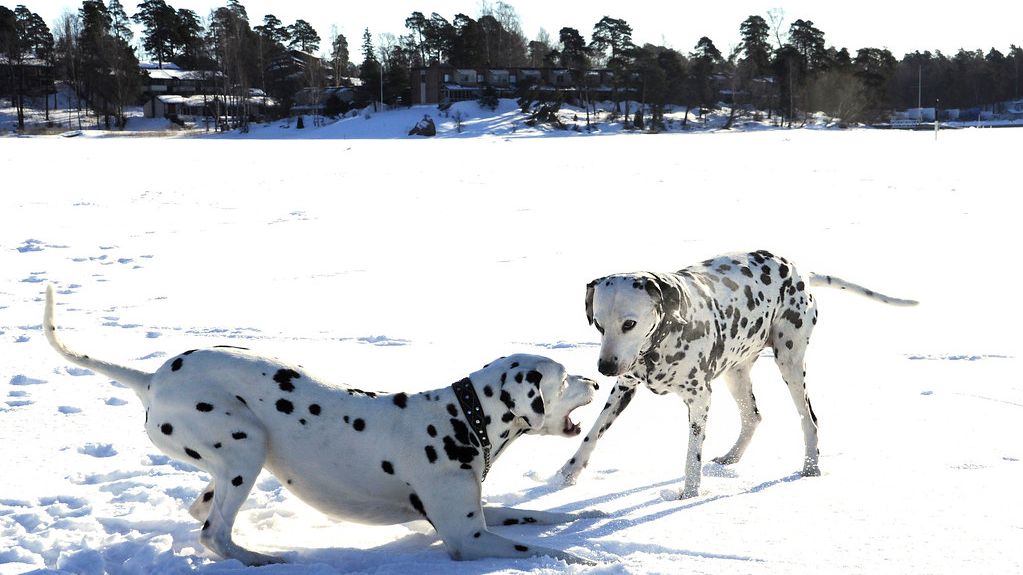
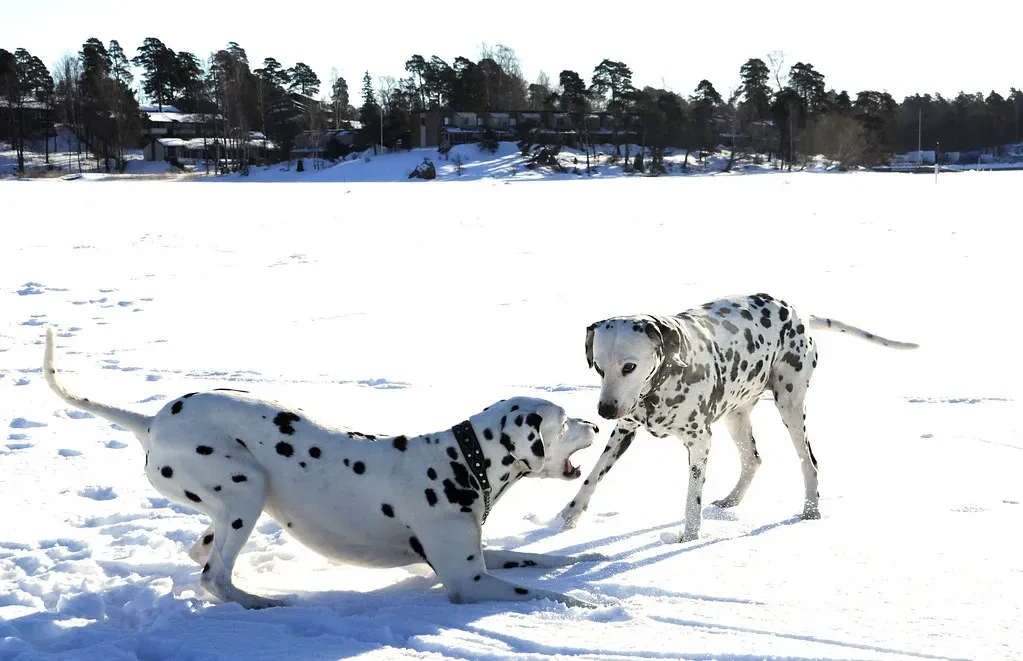
4. Dalmatian (smerikal, Flickr, CC BY-SA 2.0)Dalmatians, with their distinctive spotted coats, are both elegant and athletic. Historically used as carriage dogs, they have a high stamina and require substantial daily exercise. Without it, they can become restless and develop behavioral problems.Their size and strength can be challenging for seniors, especially during walks. Additionally, Dalmatians are prone to certain health issues, including deafness and urinary stones, which can lead to increased veterinary care and associated costs.
5. Rottweiler
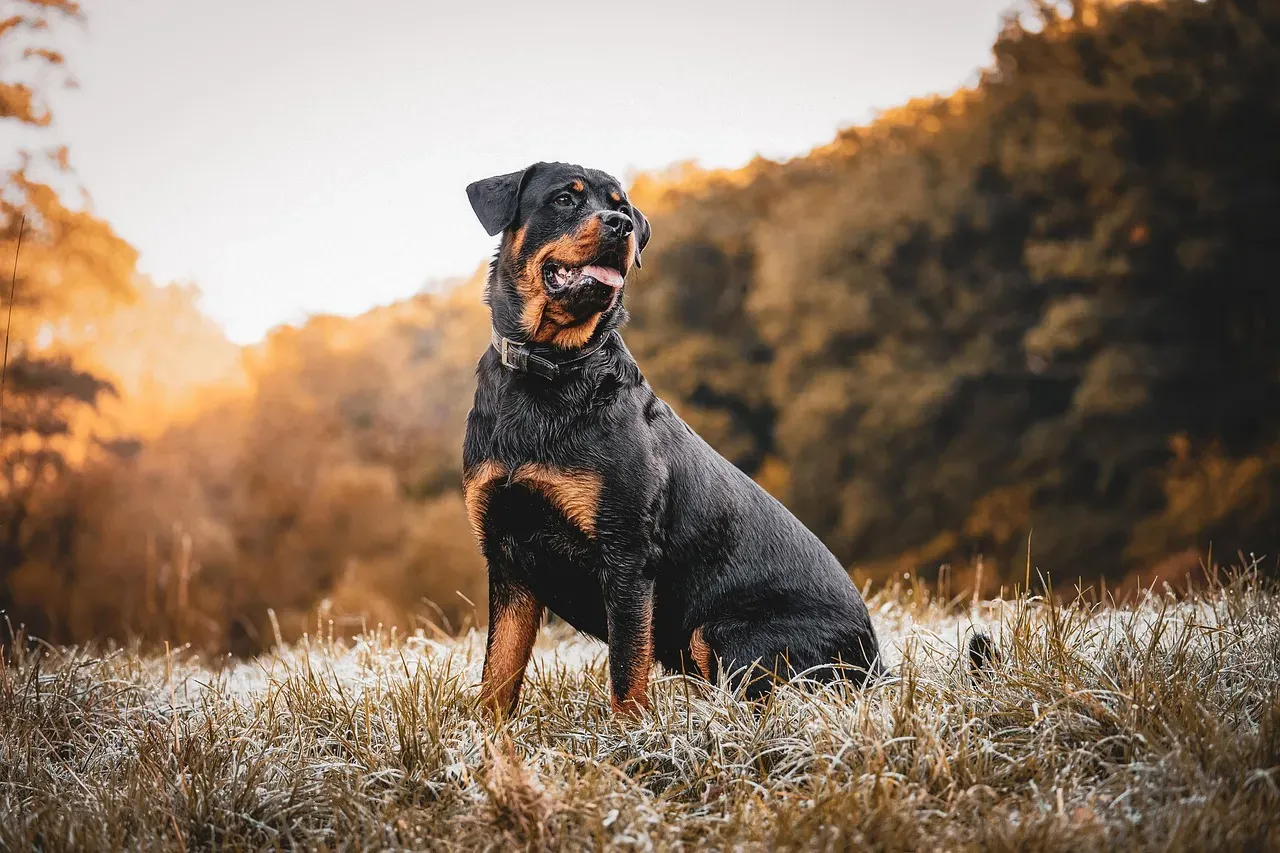
5. Rottweiler (Image Credits: Pixabay)Rottweilers are powerful, confident dogs known for their loyalty and protective nature. While these traits can be admirable, they also require an experienced hand to manage. Their size and strength mean they can inadvertently cause harm if not properly trained and socialized.For seniors, handling a Rottweiler can be physically demanding. Their guarding instincts can also lead to territorial behaviors, necessitating consistent training and socialization – tasks that might be daunting for some older adults.
6. Australian Shepherd
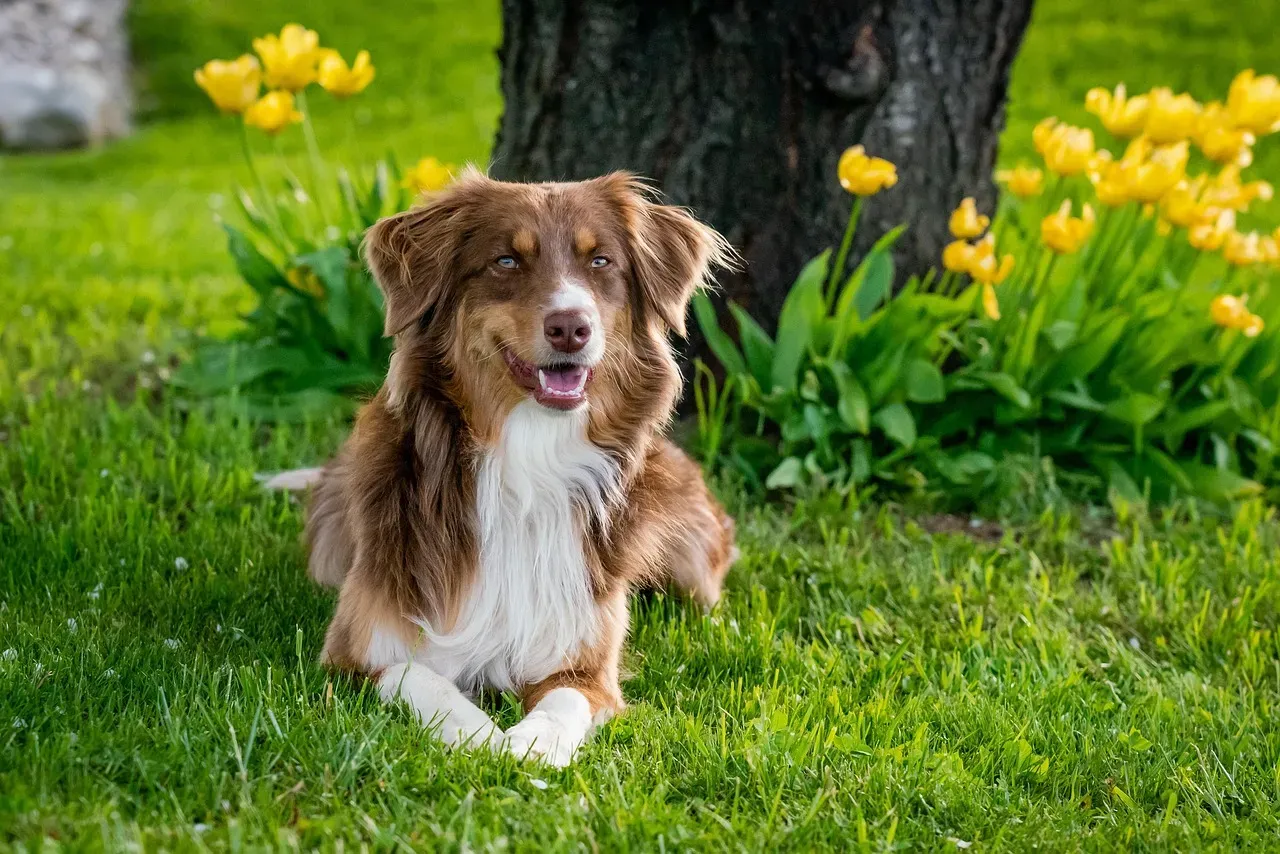
6. Australian Shepherd (Image Credits: Pixabay)Australian Shepherds are intelligent, energetic dogs bred for herding. They thrive on activity and mental challenges, often excelling in dog sports and obedience training. However, their high energy levels mean they require more exercise than a leisurely walk around the block.For seniors, meeting the physical and mental needs of an Australian Shepherd can be taxing. Without adequate stimulation, they can become bored and develop undesirable behaviors, such as chewing or excessive barking.
7. Saint Bernard
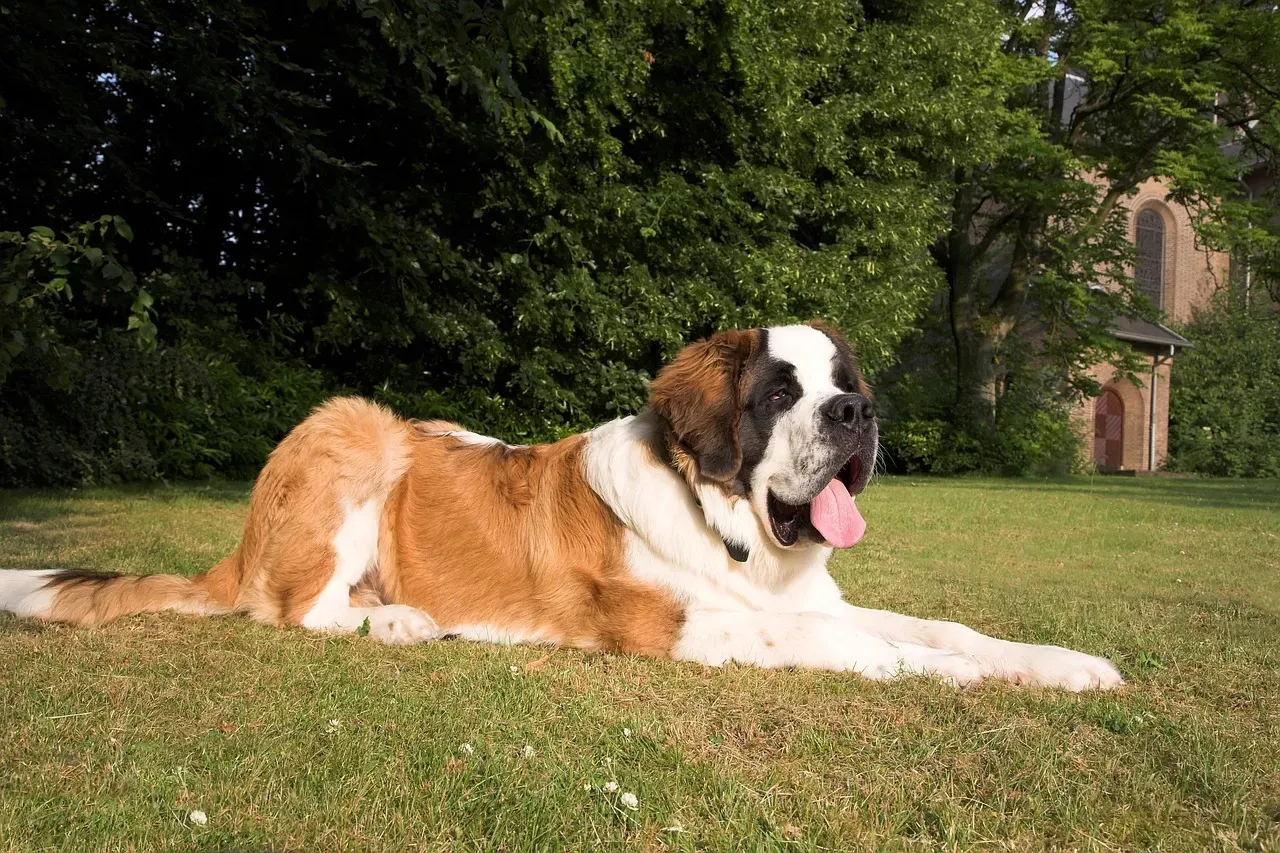
7. Saint Bernard (Image Credits: Pixabay)Saint Bernards are gentle giants, known for their calm demeanor and affectionate nature. However, their massive size – often weighing between 140 to 180 pounds – can pose challenges. Handling such a large dog requires physical strength, especially during walks or if they need assistance.Their thick coat requires regular grooming, and they are prone to drooling, which might be off-putting for some. Additionally, their size means they consume more food, leading to higher maintenance costs.
1. Cavalier King Charles Spaniel
1. Cavalier King Charles Spaniel (Image Credits: Unsplash)Cavalier King Charles Spaniels are affectionate, gentle, and adaptable dogs. Weighing between 13 to 18 pounds, they are easy to handle and thrive on companionship. Their moderate energy levels mean they enjoy short walks but are equally content snuggling on the couch.Their friendly disposition makes them excellent companions for seniors, and their manageable size ensures they don’t pose physical challenges. Regular grooming is needed to maintain their silky coat, but it’s a small price to pay for their loving nature.
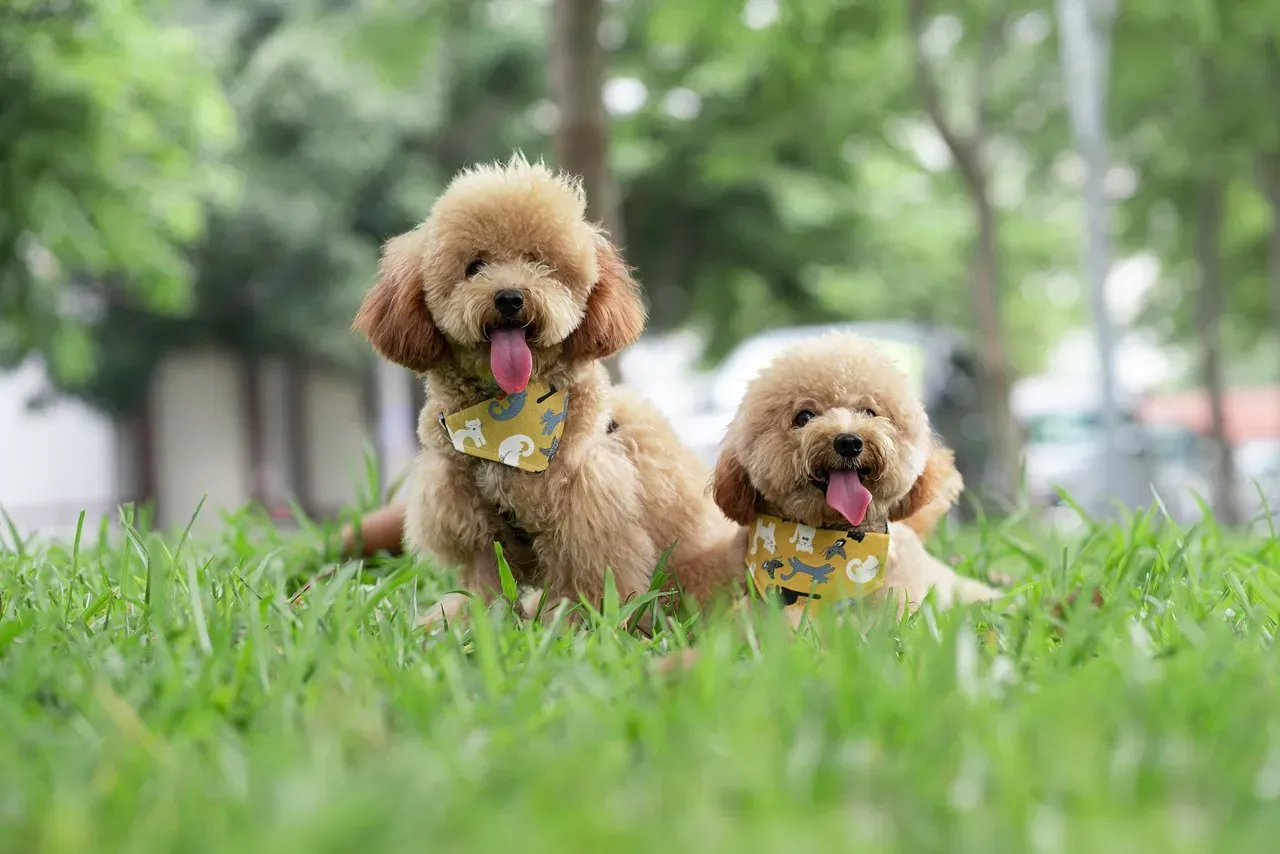
2. Poodle (Toy or Miniature)
2. Poodle (Toy or Miniature) (Image Credits: Pixabay)Poodles are renowned for their intelligence and hypoallergenic coats. The Toy and Miniature varieties, weighing between 4 to 15 pounds, are particularly suited for seniors. They are easy to train, eager to please, and have a moderate energy level that aligns well with a relaxed lifestyle.Their curly coats require regular grooming, but they shed minimally, making them a good choice for those with allergies. Poodles are also known for their longevity, often living well into their teens.
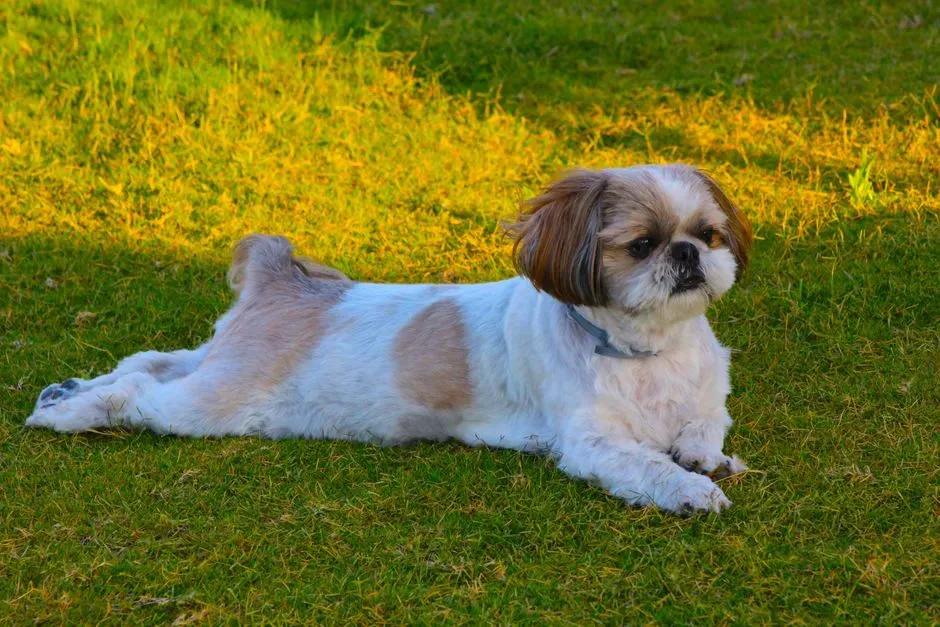
3. Shih Tzu
3. Shih Tzu (Image Credits: Pexels)Shih Tzus are small, sturdy dogs with a friendly and affectionate nature. Weighing between 9 to 16 pounds, they are easy to manage and adapt well to apartment living. Their exercise needs are minimal, making them ideal for seniors who prefer a less active lifestyle.Their long, flowing coat requires regular grooming, but many owners opt for a shorter “puppy cut” to reduce maintenance. Shih Tzus are known for their loyalty and often form strong bonds with their owners.
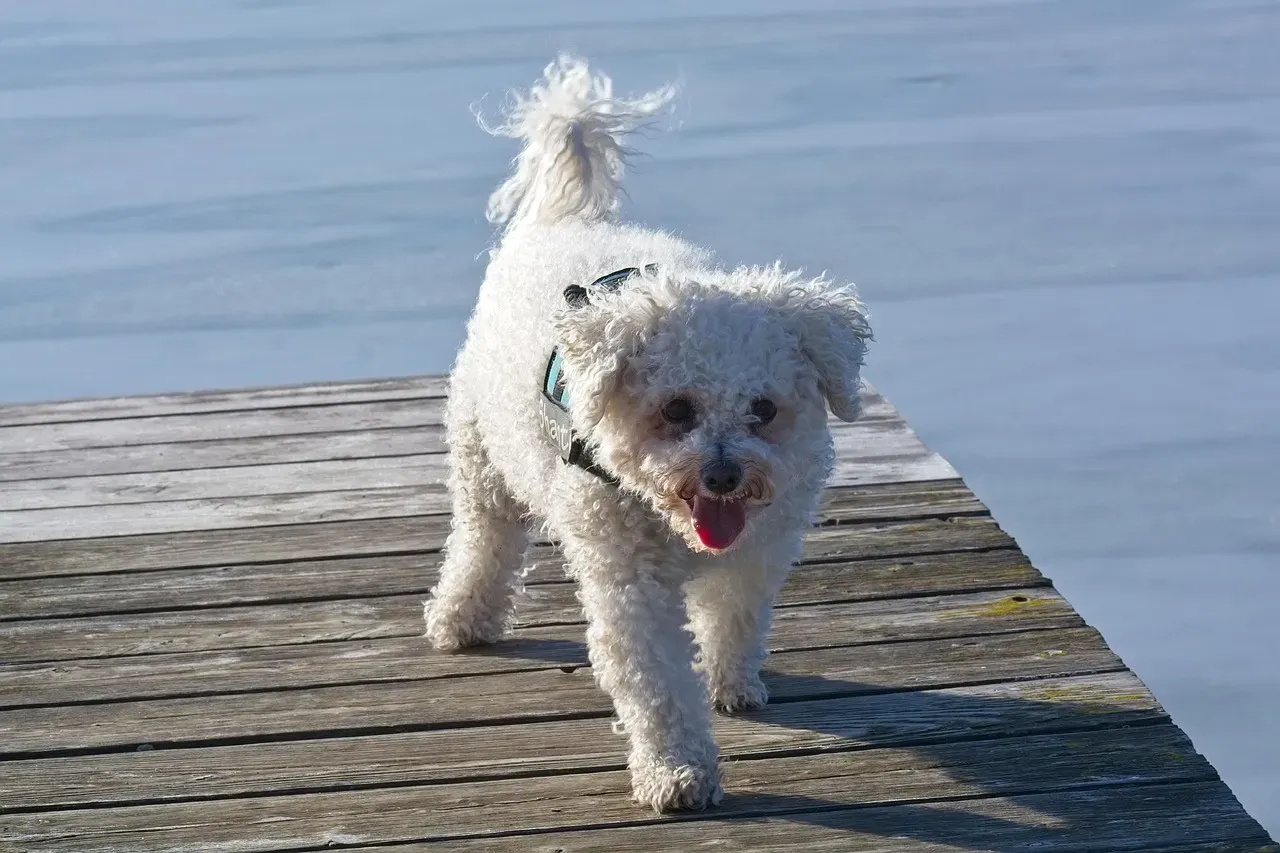
4. Bichon Frise
4. Bichon Frise (Image Credits: Pixabay)Bichon Frises are cheerful, small dogs with a hypoallergenic coat. Weighing between 12 to 18 pounds, they are easy to handle and have a friendly disposition. Their moderate energy levels mean they enjoy playtime but don’t require extensive exercise.Regular grooming is necessary to keep their curly coat in good condition, but their minimal shedding makes them a good choice for those concerned about allergies. Bichons are known for their adaptability and get along well with other pets and people.
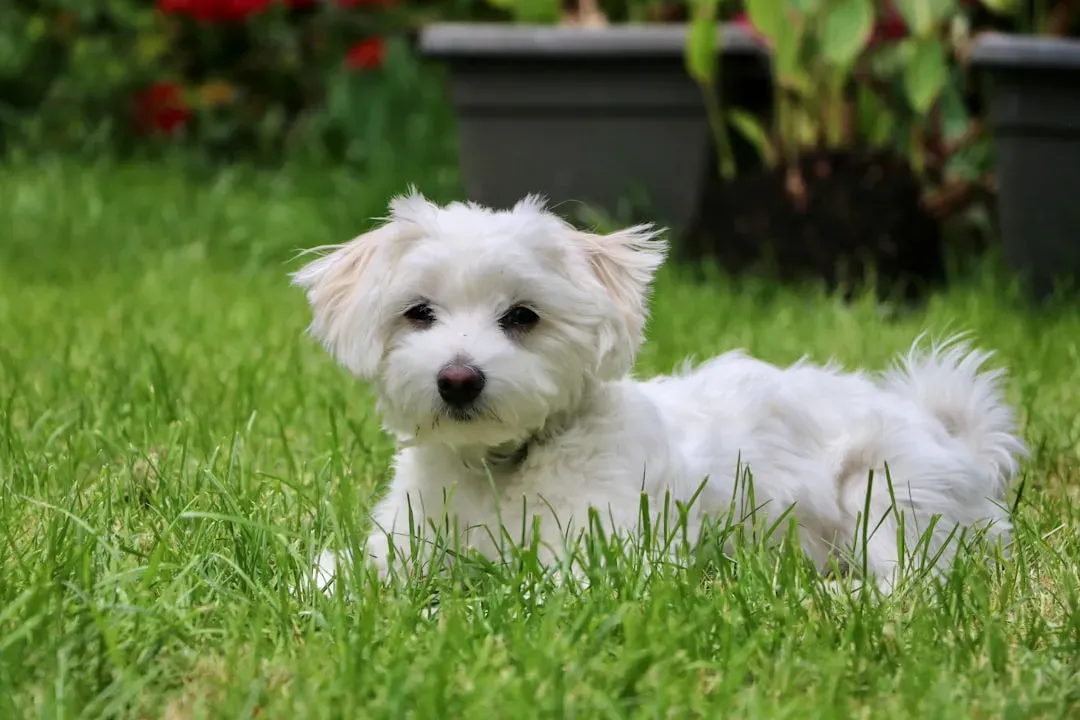
5. Maltese
5. Maltese (Image Credits: Unsplash)Maltese dogs are tiny, weighing under 7 pounds, making them one of the most manageable breeds for seniors. They are gentle, affectionate, and thrive on human companionship. Their exercise needs are minimal, often satisfied with short walks or indoor play.Their long, silky coat requires regular grooming, but many owners opt for a shorter cut to simplify care. Maltese are known for their longevity, often living into their mid-teens, providing years of companionship.
Conclusion
Conclusion (Image Credits: Pexels)Choosing the right dog breed after 65 is a decision that should align with your lifestyle, physical capabilities, and personal preferences. While some breeds may present challenges due to their size, energy levels, or care requirements, others can seamlessly integrate into your life, offering companionship and joy. It’s essential to assess each breed’s characteristics and consider how they match your daily routine and abilities. After all, the goal is to find a furry friend who complements your golden years, not complicates them. So, which of these