
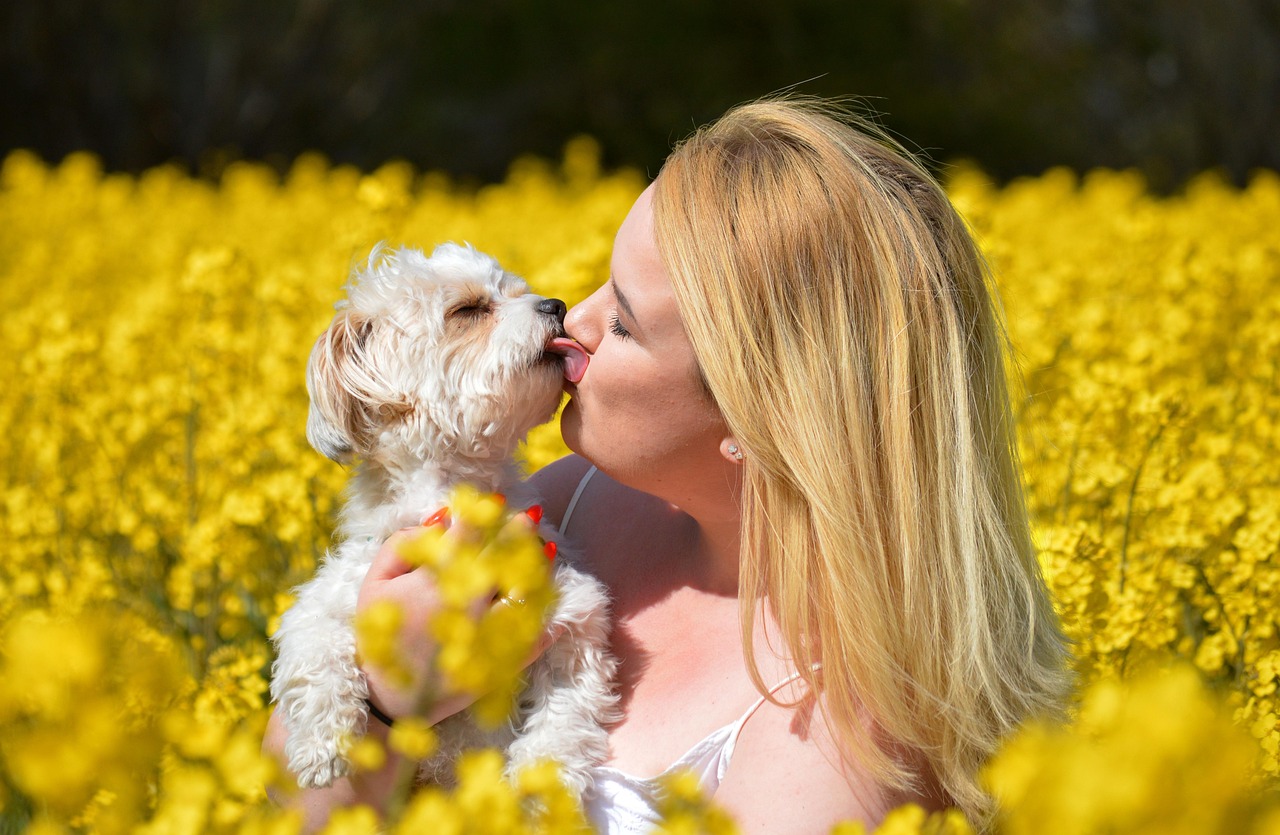
Most people have a strong reaction when they see a dog plant a big, sloppy kiss right across someone’s face. Some laugh, others cringe, and a few offer unsolicited advice about germs or boundaries. Yet for certain dog owners, that moment feels natural, even comforting, no matter what anyone else thinks.
The choice often traces back to something quieter from years earlier. It connects to how touch was handled, or not handled, during childhood. This pattern shows up in small, everyday decisions that outsiders rarely connect to the past.
The Quiet Pull of Canine Affection

Dogs offer touch without conditions or expectations. Their licks come freely, without the hesitation that sometimes creeps into human interactions. For someone who missed steady physical closeness growing up, that simple act can fill a space that words never quite reach.
Many describe the sensation as grounding rather than gross. The warmth and rhythm create a brief sense of being cared for in the most basic way. Over time, this becomes a private ritual that feels more restorative than any lecture about hygiene could disrupt.
Early Years and the Need for Steady Contact
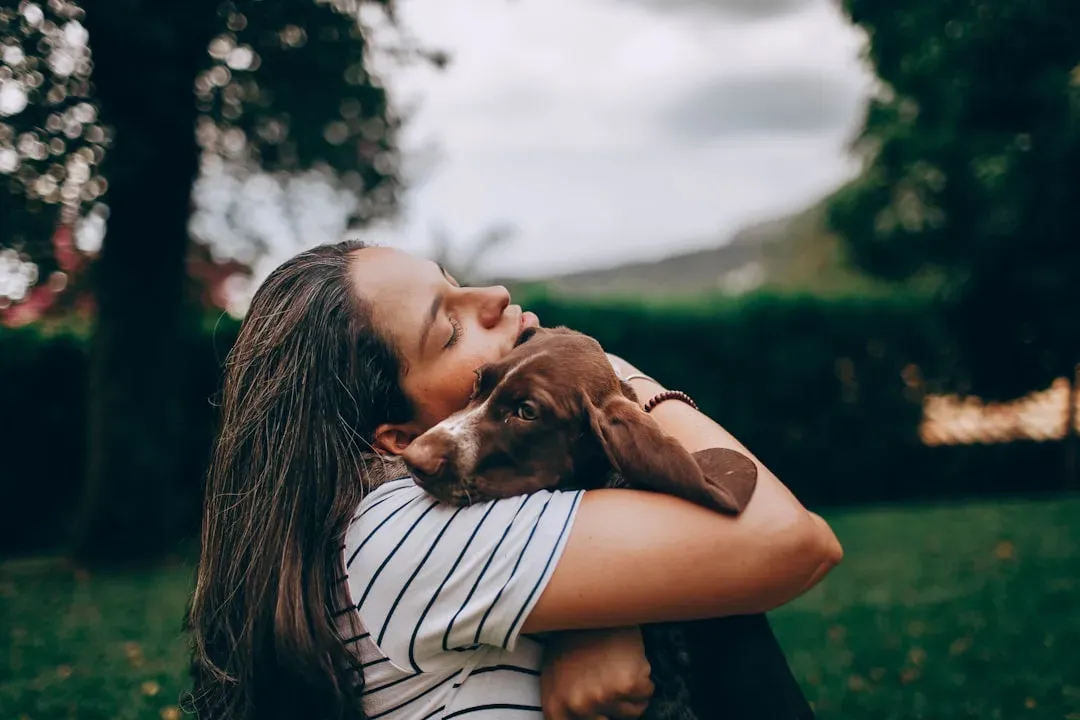
Children who grow up with limited hugs or casual affection often carry that gap into adulthood. They learn to seek connection in whatever forms feel safe and available. A dog that greets them enthusiastically at the door provides a reliable source of that missing element.
These experiences shape preferences without anyone realizing it at first. The dog becomes a steady presence that does not pull away or require explanation. What looks like an odd habit to others is really a quiet way of meeting an old need.
Moving Past Outside Opinions
Friends and family often voice concerns about bacteria or etiquette. Those comments land differently when the behavior stems from something deeper than a simple preference. The person allowing the licks has already weighed the trade-offs in private.
Judgment tends to overlook how personal comfort develops over decades. What feels normal to one household can seem strange to another. The decision to continue rests on internal comfort rather than external approval.
Pets Filling Longstanding Gaps
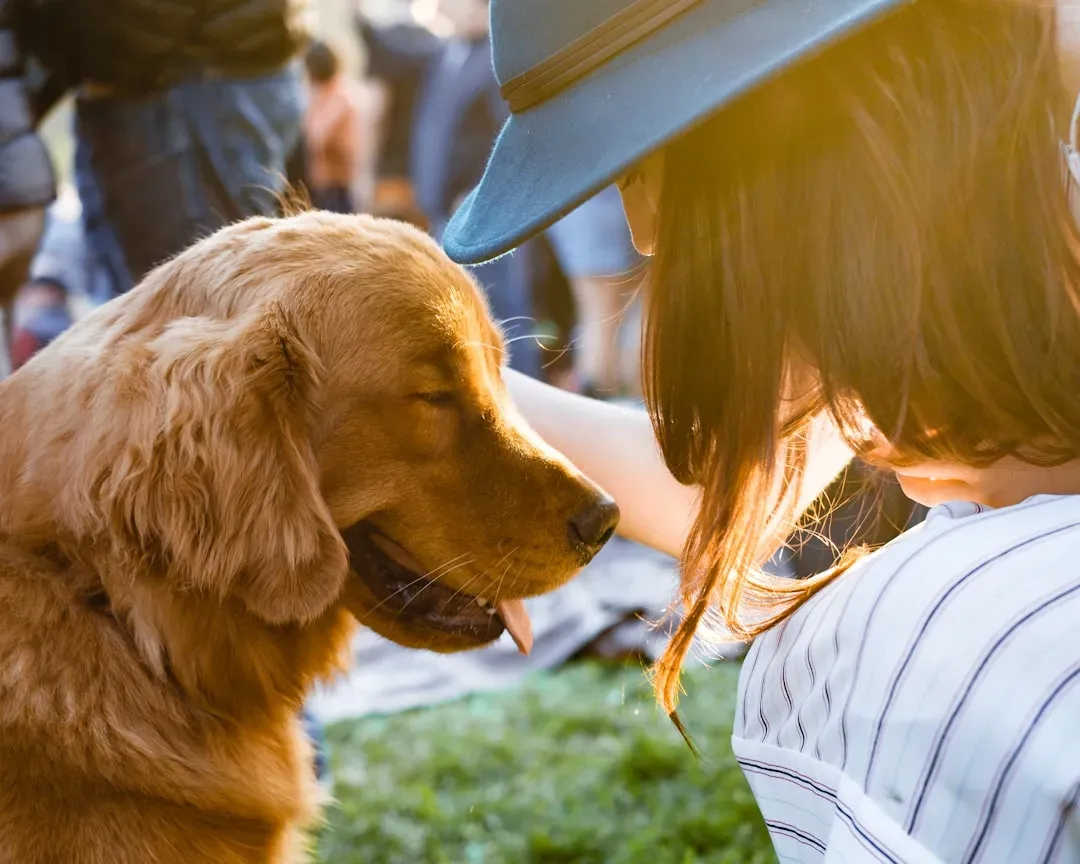
A dog does not judge timing or intensity of affection. It simply responds in the moment with tail wags and direct contact. This consistency can feel especially meaningful for adults who remember inconsistent or distant touch from their earliest years.
Over months and years, the routine builds a sense of security. The animal becomes part of daily emotional maintenance. Many owners notice they feel calmer after these interactions, even if they never discuss the reason out loud.
Recognizing Personal Comfort Levels
Not every dog owner who grew up with limited affection chooses the same path. Some set clear limits while still enjoying other forms of closeness with their pets. The key difference lies in what each person finds reassuring rather than any universal rule.
Boundaries can shift with time and new experiences. What once felt essential might soften as other sources of connection appear. The choice remains individual and rarely requires public explanation.
Patterns That Surface in Daily Life
Small habits often reveal larger stories about how someone learned to receive care. Allowing a dog to lick a face fits into a broader set of choices around closeness and trust. These patterns rarely appear dramatic until someone points them out.
Reflection can bring clarity without forcing change. Some people keep the ritual exactly as it is because it continues to serve a purpose. Others gradually adjust as their circumstances evolve.
Accepting What Brings Genuine Comfort
Everyone carries different histories into their relationships with animals. What matters most is whether the interaction supports well-being rather than causing harm. The judgment from others rarely accounts for that private balance.
Over time, many find peace in honoring their own needs without apology. A dog’s affection can remain a steady, uncomplicated part of life. In the end, the real measure is how the choice feels at the end of a long day, not how it appears to anyone watching.


