
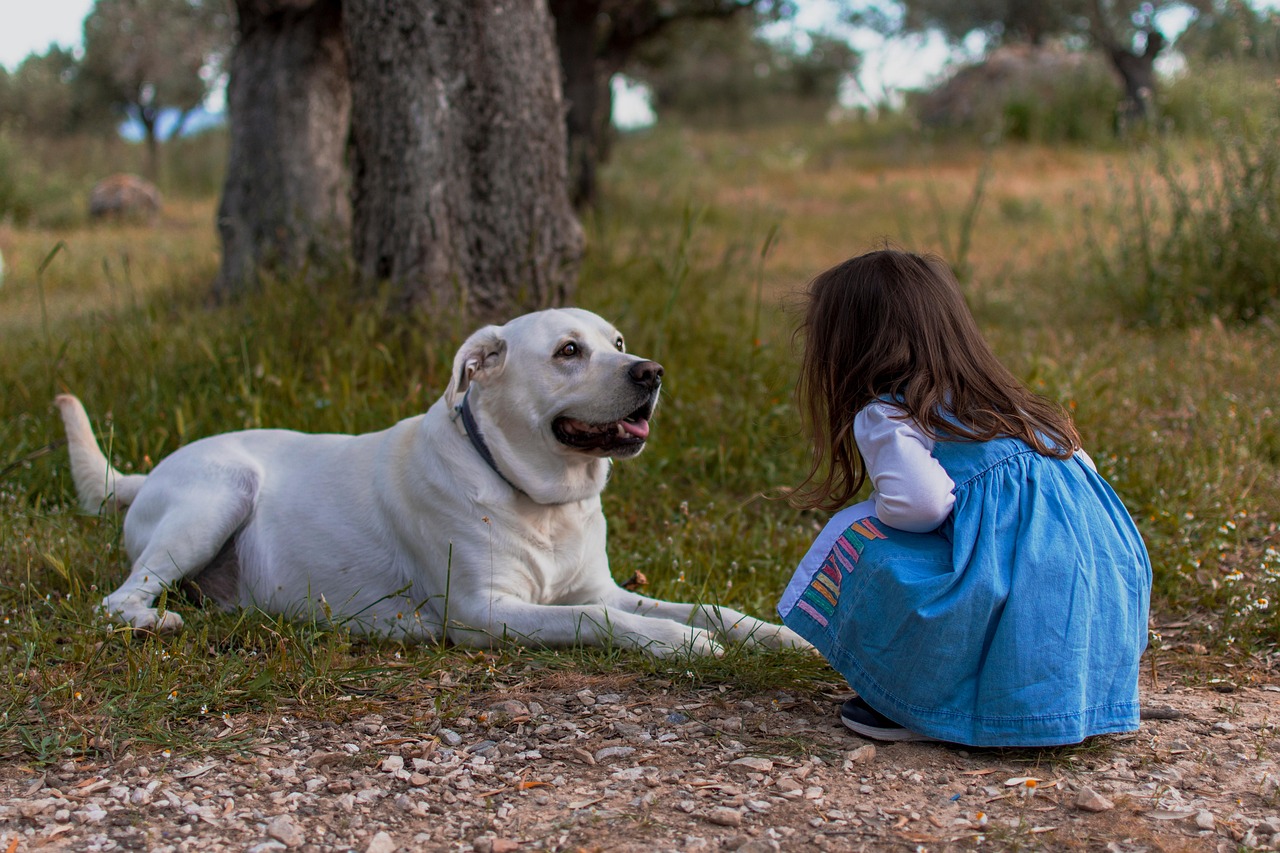
Dogs rarely shout their feelings the way people do. Instead they rely on quiet shifts in posture and expression that can slip right past an owner who is not paying close attention. Spotting these signals early can prevent small frustrations from turning into bigger problems down the line.
They Turn Their Heads Away
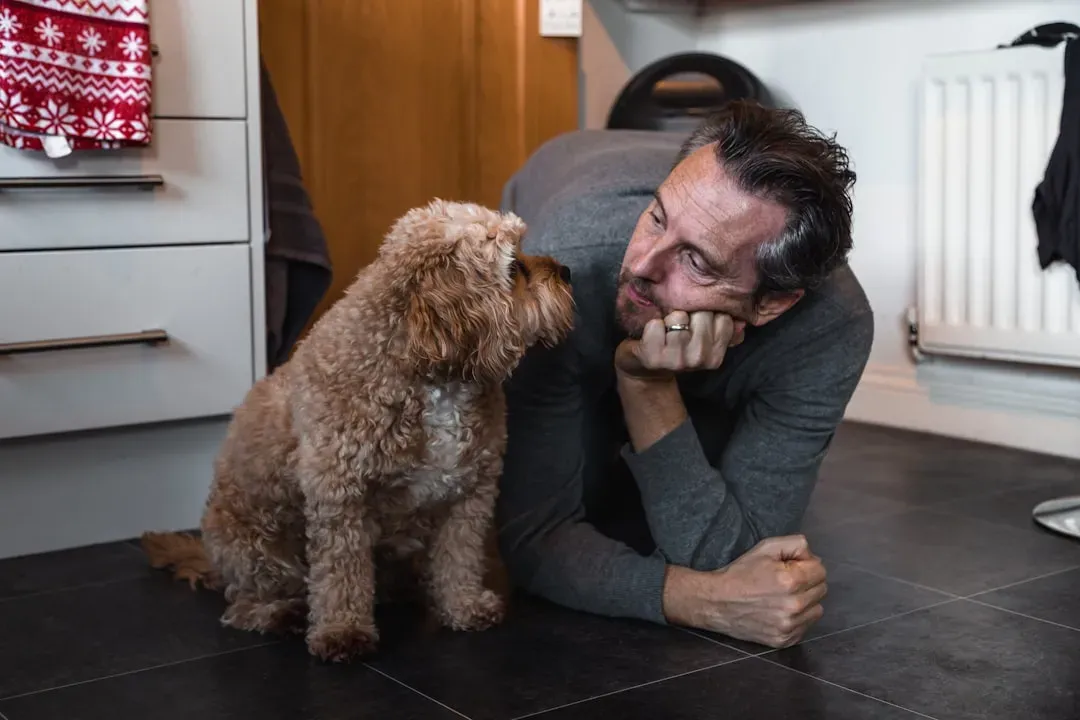
When a dog deliberately looks off to the side or twists its head in the opposite direction, it is often trying to create a little distance. This move is not about ignoring a command. It is a polite way of saying the current interaction has become too much.
Owners sometimes mistake the gesture for simple distraction. In reality the dog is managing its own stress level by removing visual pressure. The behavior shows up most clearly during petting sessions that last too long or when a person leans in too close for comfort.
Yawning Shows Up at Odd Moments

A sudden yawn in the middle of play or right after a scolding is rarely about tiredness. Dogs use yawning as a calming signal when tension rises. The action helps them release built up stress without escalating the situation.
Watch for yawns that appear in clusters rather than once or twice. Multiple yawns in quick succession usually mean the dog would like the current activity to pause or change. The timing often lines up with raised voices or repeated commands the dog finds confusing.
The Classic Side Eye Appears

That sideways glance with the whites of the eyes showing is commonly called whale eye. It signals discomfort without the dog needing to growl or snap. The look is easy to catch once you know to check the corners of the eyes during interactions.
Many owners only notice whale eye after the dog has already tried softer signals first. The expression tends to surface when someone reaches for a toy the dog is guarding or when a child gets too energetic nearby. It serves as a clear warning that space would be appreciated.
Posture Becomes Noticeably Stiff

A relaxed dog moves with loose joints and a gently swaying body. When annoyance builds, the same dog may freeze in place with legs locked and muscles tight. The change can happen in seconds and is worth noticing before the dog feels forced to do more.
Stiffness often pairs with a slightly lowered head or a tail that stops wagging. These small adjustments help the dog prepare for whatever comes next. Owners who pause and give the dog room at this stage usually see the body soften again within moments.
They Create Physical Distance
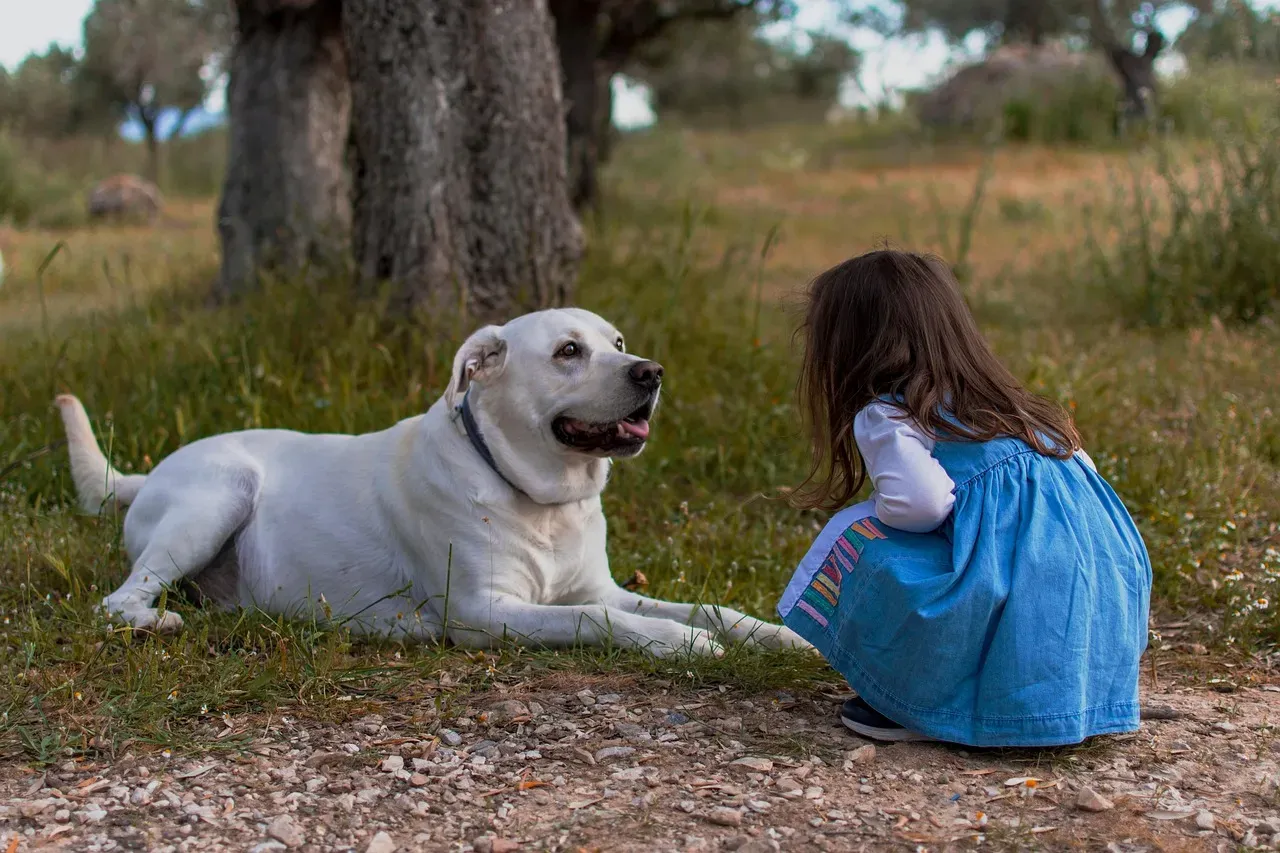
Walking to another room or simply turning the body away counts as a clear request for space. Dogs that feel annoyed will often choose to leave rather than stay and argue. The move is quiet but consistent once you start tracking it.
Some dogs will even lie down with their back to the person as a stronger version of the same message. This choice of position removes eye contact and reduces the chance of further interaction. Respecting the distance usually earns a calmer return later.
Ears and Tail Send Quiet Messages

Ears that flatten or pull back against the head often appear alongside other signs of irritation. A tail that drops or tucks slightly can carry the same meaning even if it is not fully between the legs. These changes are subtle compared with dramatic barking but they add up quickly.
The tail may also give a single slow wag that lacks the loose swing of a happy greeting. Combined with the ear position, the overall picture becomes harder to miss. Paying attention to both ends of the dog at once gives a more complete read on its mood.
Reading These Signals Builds a Better Bond

Dogs that feel heard tend to stay calmer and more trusting over time. When owners learn to notice the early signs of annoyance, daily life becomes smoother for everyone involved. The relationship shifts from one of constant correction to one of quiet cooperation.
Small adjustments like shortening a petting session or lowering your voice can make a surprising difference. Over weeks and months these habits add up to fewer misunderstandings and more relaxed moments together. In the end the dog is not trying to be difficult. It is simply asking to be understood.


