

Unveiling the Calming Power of Music for Dogs

Imagine a world where a simple melody can transform your anxious pup into a picture of serenity. It might sound like a fairy tale, but science reveals that certain sounds can significantly reduce stress in dogs, leading to a noticeable drop in heart rate and a more relaxed demeanor.
Research indicates that specific types of music, particularly classical compositions with slow tempos and simple melodies, have a profound calming effect on dogs. These sounds can help alleviate anxiety, reduce barking, and promote restful sleep, making them an essential tool for any pet owner.
The Science Behind Sound and Canine Relaxation

Dogs possess a highly sensitive auditory system, capable of detecting frequencies ranging from 40 to 65,000 Hz. This heightened sensitivity means that sounds which are soothing to humans can have an even more pronounced effect on our canine companions.
Studies have shown that when dogs are exposed to classical music, especially pieces with slow tempos and simple arrangements, they exhibit behaviors indicative of relaxation, such as lying down and reduced vocalization. This response is believed to be due to the music’s ability to lower cortisol levels, the hormone associated with stress.
Classical Music: A Symphony of Calm
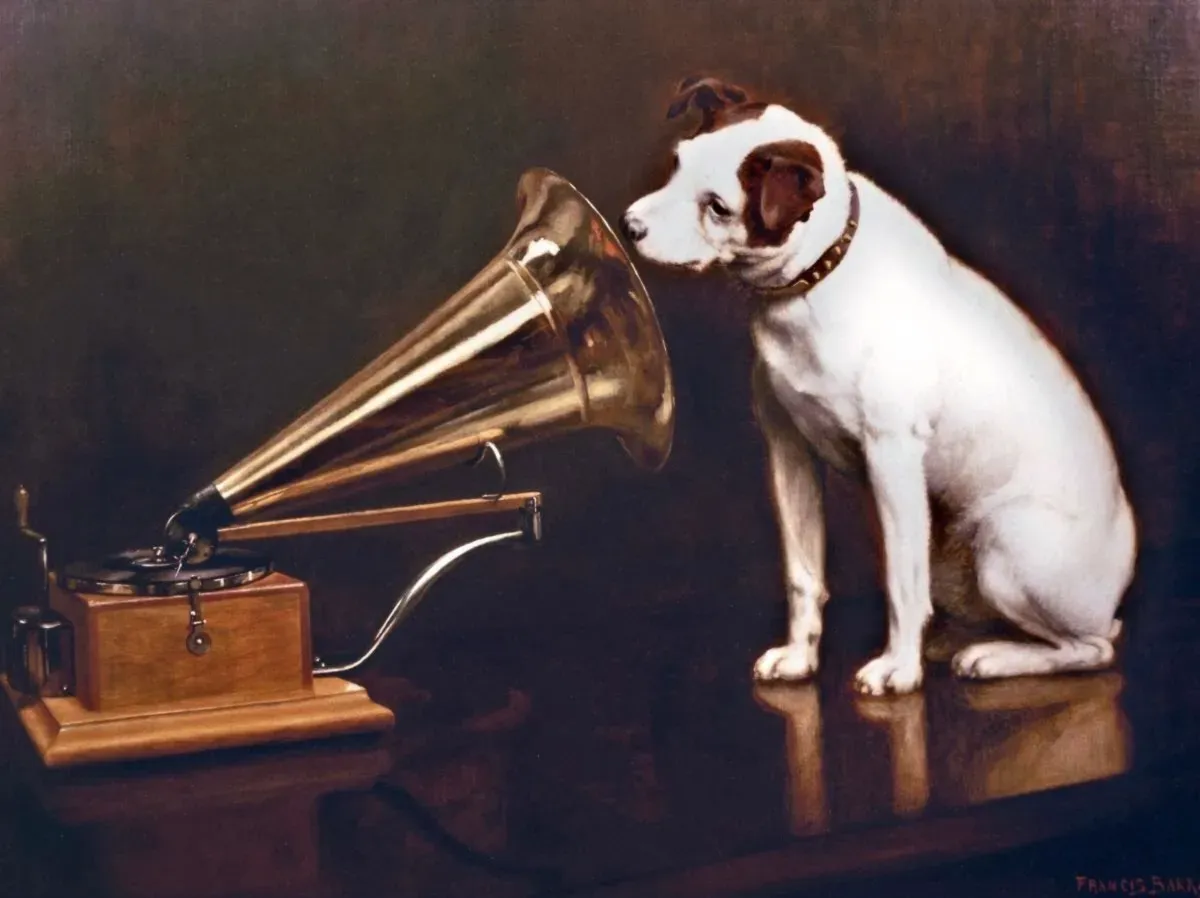
Classical music, particularly compositions by Mozart and Beethoven, has been identified as especially effective in calming dogs. The slow tempos and harmonious melodies create an environment that encourages relaxation and reduces anxiety-related behaviors.
In one study, dogs exposed to classical music spent more time resting and less time standing or barking, indicating a state of increased calmness. This suggests that incorporating classical music into your dog’s daily routine can be a simple yet powerful way to enhance their well-being.
Reggae and Soft Rock: Unexpected Soothers

While classical music is a well-known calming agent, genres like reggae and soft rock have also been found to have a soothing effect on dogs. The steady rhythms and mellow tones of these genres can help reduce stress and promote relaxation.
Research indicates that dogs exposed to reggae and soft rock music exhibit lower heart rates and increased periods of rest. This suggests that varying the type of music played can prevent habituation and maintain the calming effects over time.
White Noise: The Unsung Hero

Beyond music, white noise serves as an effective tool in creating a calming environment for dogs. By masking sudden, jarring sounds from the environment, white noise provides a consistent auditory backdrop that can help reduce anxiety.
Devices that emit white noise or recordings of natural sounds like rainfall can be particularly beneficial during events that typically cause stress in dogs, such as thunderstorms or fireworks. The steady sound helps to drown out the unpredictable noises that can trigger anxiety.
Implementing Sound Therapy in Daily Life

Integrating calming sounds into your dog’s daily routine doesn’t require significant effort. Playing soothing music during times when your dog is prone to anxiety, such as when left alone or during loud events, can make a noticeable difference.
It’s important to monitor your dog’s response to different types of sounds and adjust accordingly. Some dogs may prefer classical music, while others might respond better to reggae or white noise. Observing your dog’s behavior will help you determine the most effective auditory environment for their relaxation.
Conclusion: The Soundtrack to Your Dog’s Well-being

Incorporating calming sounds into your dog’s daily routine is more than just a luxury – it’s a simple, effective way to enhance their quality of life. By understanding and utilizing the power of sound, you can create a serene environment that supports your dog’s emotional and physical health.
So, why not press play on a soothing melody today and witness the calming transformation in your furry friend? After all, a relaxed dog leads to a happier home.


