

Ever wondered why curling up with your canine companion at night feels so comforting? It turns out, this cozy habit taps into ancient survival instincts that have been hardwired into humans for tens of thousands of years.
The Evolutionary Roots of Co-Sleeping with Dogs

Our ancestors faced nightly threats from predators and rival groups. To enhance safety during vulnerable sleep periods, early humans likely sought the company of domesticated dogs. These animals provided warmth, protection, and an early warning system against dangers. This partnership not only increased survival rates but also fostered a deep bond between humans and dogs.
Over millennia, this co-sleeping arrangement became ingrained in human behavior. The presence of a dog during sleep offered a sense of security, allowing for deeper, more restorative rest. This mutualistic relationship benefited both species, solidifying the practice across generations.
Modern-Day Comfort: The Psychological Benefits

Today, many individuals report feeling more secure and relaxed when their dog shares their sleeping space. This isn’t merely a sentimental attachment; it’s a manifestation of our evolutionary past. The presence of a trusted canine can reduce anxiety and promote a sense of well-being, leading to improved sleep quality.
Research indicates that sleeping with a dog can provide emotional support, especially for those living alone or experiencing stress. The rhythmic breathing and warmth of a dog can have a calming effect, facilitating faster sleep onset and reducing nighttime awakenings.
Safety and Security: An Instinctual Response

The human brain is wired to seek safety during sleep. The presence of a dog can serve as a deterrent to potential intruders and provide an early alert system, much like in ancient times. This subconscious recognition of added security can lead to a more restful and uninterrupted sleep experience.
Additionally, the bond between humans and dogs triggers the release of oxytocin, a hormone associated with trust and bonding. This biochemical response further enhances feelings of safety and comfort when co-sleeping with a dog.
Potential Drawbacks: When Co-Sleeping Isn’t Ideal

While many find solace in sharing their bed with a dog, it’s not suitable for everyone. Factors such as allergies, light sleeping patterns, or a dog’s disruptive movements can negatively impact sleep quality. It’s essential to assess individual circumstances and preferences when deciding on sleeping arrangements.
Moreover, some dogs may have behavioral issues or health conditions that make co-sleeping problematic. In such cases, providing a separate but nearby sleeping area for the dog can offer a compromise that maintains the bond without sacrificing sleep quality.
Health Considerations: Hygiene and Allergies

Sharing a bed with a dog can introduce allergens and bacteria into the sleeping environment. Regular grooming and veterinary check-ups for the dog, along with maintaining clean bedding, can mitigate these risks. Individuals with severe allergies should consult with healthcare professionals before allowing pets in the bedroom.
It’s also important to consider the dog’s health. Ensuring that the dog is free from parasites and skin conditions can prevent the transmission of zoonotic diseases. Open communication with a veterinarian can help address any concerns related to co-sleeping.
Enhancing the Human-Dog Bond Through Co-Sleeping
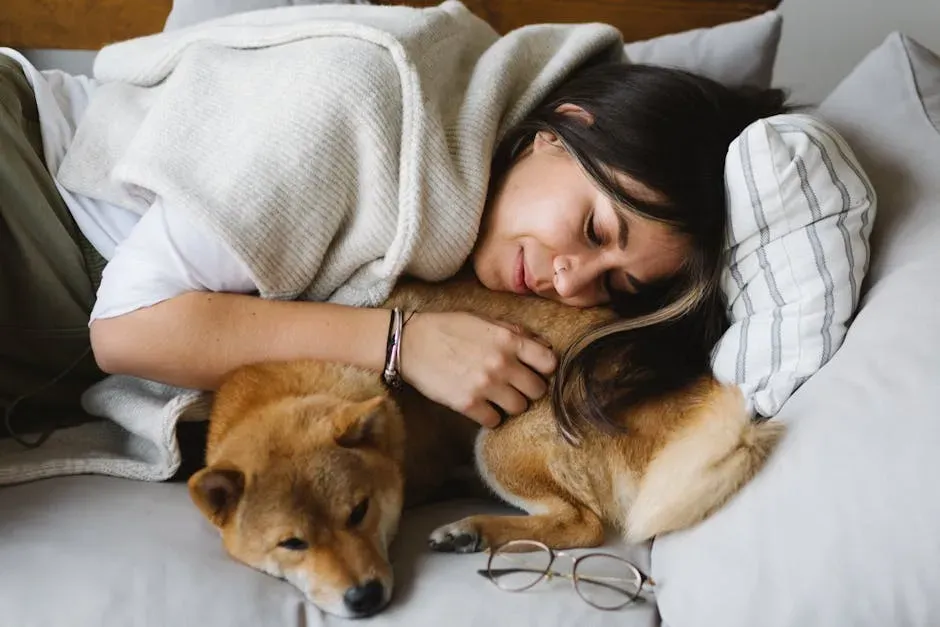
Co-sleeping can strengthen the emotional connection between humans and their dogs. The shared experience fosters trust and companionship, reinforcing the bond that has been cultivated over thousands of years. This practice can be particularly beneficial for rescue dogs or those with anxiety issues.
However, it’s crucial to establish boundaries and ensure that co-sleeping doesn’t lead to behavioral problems. Consistent training and clear rules can help maintain a healthy relationship and prevent issues such as resource guarding or separation anxiety.
Conclusion: Embracing Our Ancestral Instincts

The comfort many feel when sleeping alongside their dog is more than just a modern luxury; it’s a deep-seated instinct that has been part of the human experience for tens of thousands of years. By understanding and embracing this connection, we can appreciate the profound bond between humans and dogs and the mutual benefits it brings.
So, the next time you find yourself drifting off with your furry friend by your side, remember that you’re participating in a timeless tradition that has shaped human history. Isn’t it fascinating how our ancient instincts continue to influence our modern lives?


