
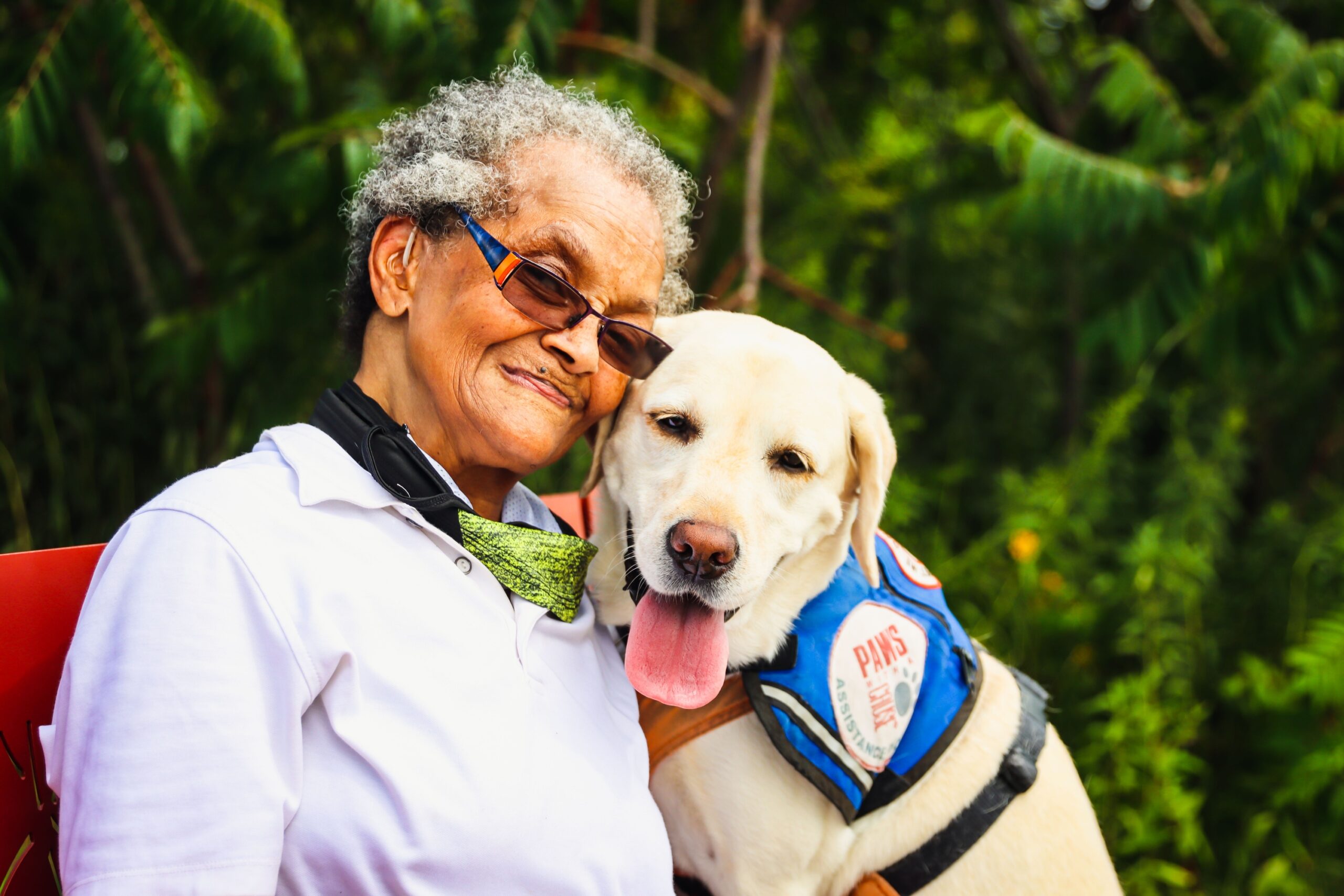
Imagine walking into a quiet house at the end of the day, versus opening the door to a wagging tail that is absolutely thrilled you exist. For many people over 65, that difference is not just emotional – research suggests it can show up in their blood pressure readings, their stress levels, and even in how meaningful their life feels.
Psychologists and medical researchers have been slowly piecing together how pets, and especially dogs, seem to change the way older adults move, think, and feel. The evidence is not magic or miraculous, but it is surprisingly consistent: dog ownership is often linked with better cardiovascular markers, calmer minds, and a stronger sense of purpose. The story is nuanced, though. Dogs are not a cure, and they certainly are not for everyone. But for many older adults, that furry roommate might be doing more behind the scenes than anyone realized.
The Science Behind Dogs and Lower Blood Pressure

One of the most striking findings from studies on older adults and pets is how often dog ownership is associated with lower blood pressure and healthier heart markers. Researchers think this is partly because dogs gently nudge their owners into more regular daily routines: morning walks, feeding schedules, and playful movement that gets the heart working without feeling like formal exercise. For someone over 65, that extra bit of activity, done every single day, can quietly add up to meaningful cardiovascular benefits.
There is also a calming, almost meditative effect that comes from simply sitting with a dog, stroking its fur, and feeling that steady presence nearby. This kind of physical contact is known to help lower stress hormones in many people, which in turn can ease blood pressure over time. I remember watching an older neighbor take his tiny terrier out twice a day; he often joked that the dog was his “personal trainer,” but it was easy to see how those gentle walks and quiet moments together were doing his body a lot of quiet good.
Why Anxiety Often Eases When There’s a Dog in the House
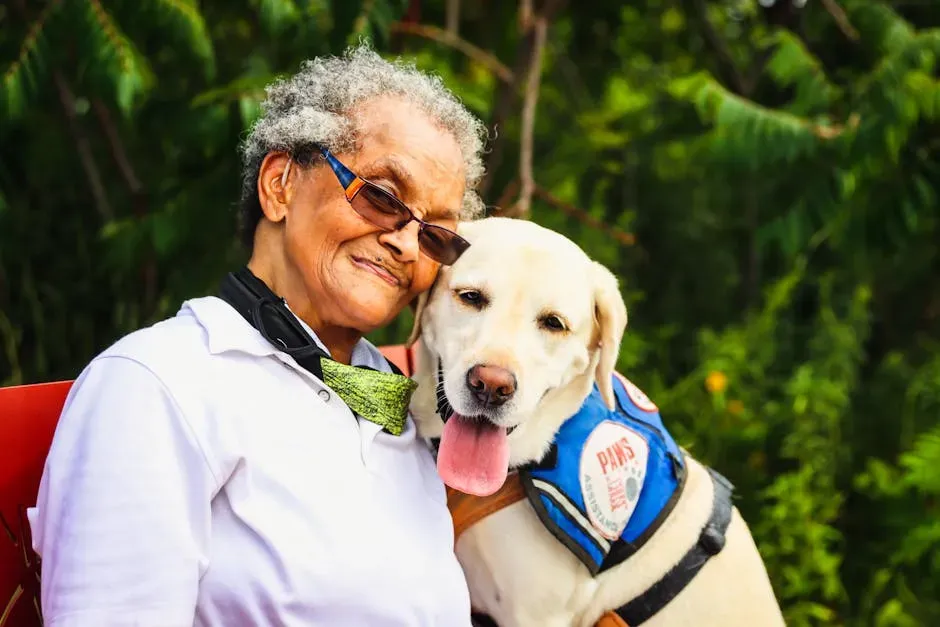
Anxiety in older adults can be sneaky. Retirement, health worries, and loneliness can create a low, constant hum of stress that does not always look like classic panic attacks but still wears people down. A dog interrupts that cycle in a surprisingly practical way: it demands attention in the here and now. When a dog needs to go outside, wants to play, or nudges your hand for a pat, it pulls your mind out of spirals about the future and into something simple and immediate.
Psychologists often describe this as grounding in the present, and dogs are naturals at it. There is also the reassuring feeling of not being completely alone, especially at night or during difficult days. Knowing there is another living being in the home, listening, moving, breathing, can make anxiety feel less sharp and less overwhelming. It is not that dogs erase fear or worry, but they can soften it, giving the nervous system a chance to settle instead of constantly sounding the alarm.
Daily Purpose: How Dogs Give Older Adults a Reason to Get Up

One of the most powerful psychological effects of dog ownership for people over 65 is the sense of daily purpose it creates. Purpose does not have to be grand. It can be as simple as knowing that someone else is counting on you to get up, open the door, fill a food bowl, or show up with a leash. For many retirees whose work identities have faded, that small, consistent responsibility can make the difference between drifting through the day and feeling needed.
There is something deeply human about being in charge of another life, even a small one. It sends a quiet message every morning: you matter, because this creature depends on you. I have seen older relatives light up when they talk about their dogs, describing their routines with the same pride others reserve for big projects. That sense of being useful, of not being done yet, is a major factor in psychological well‑being, and dogs deliver it in the most ordinary, everyday ways.
Movement, Mobility, and Staying Physically Engaged
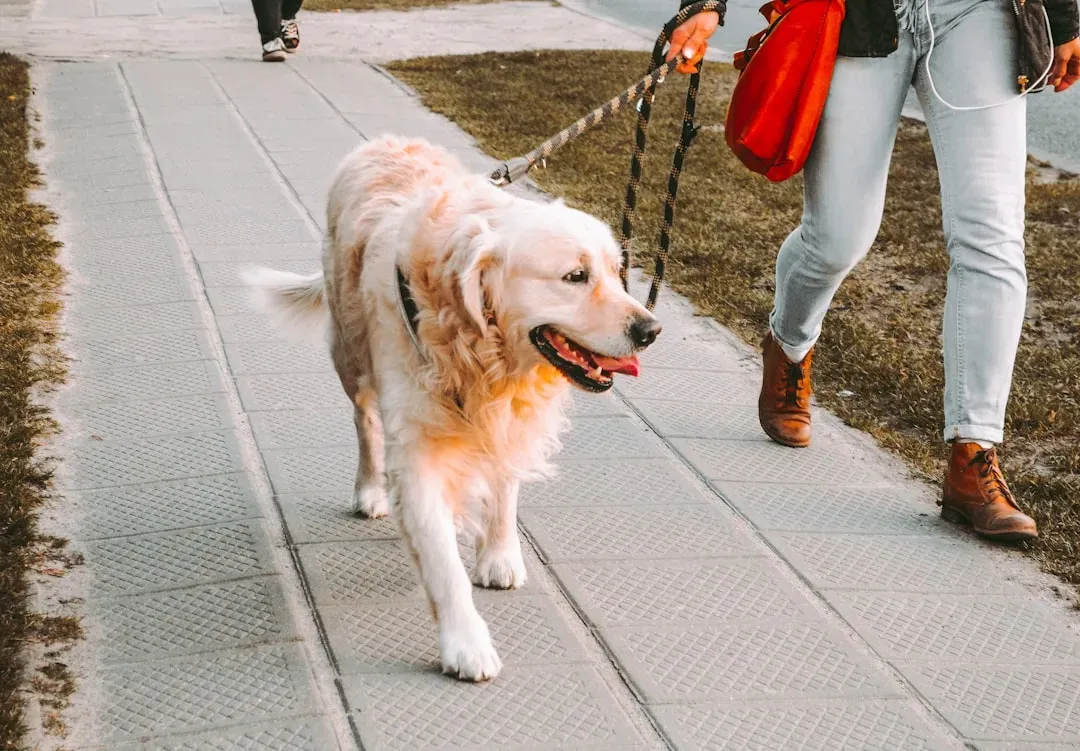
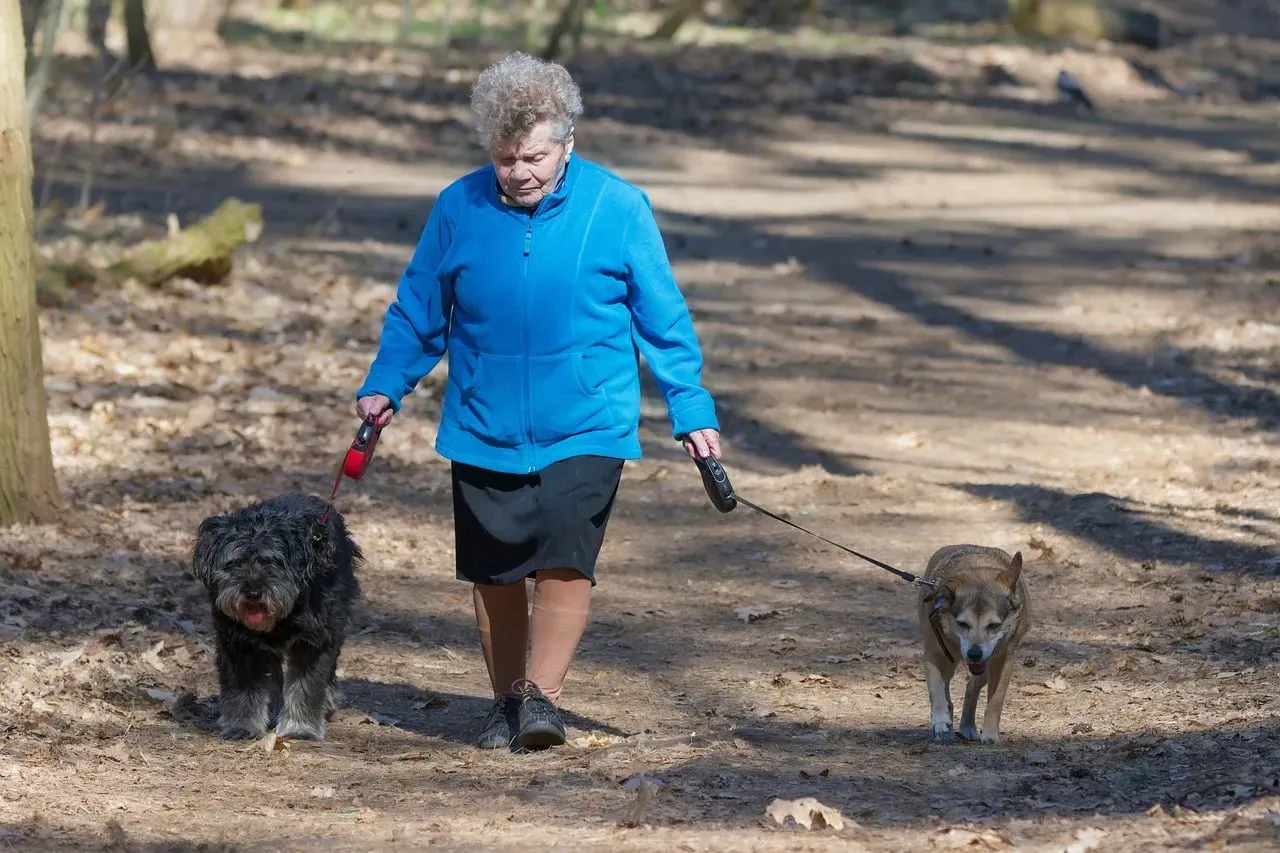
Staying physically active after 65 is one of the hardest and most important challenges of aging well. Gym memberships and exercise plans sound good on paper, but many people simply do not stick with them. A dog, however, is harder to ignore. When those expectant eyes stare at the leash by the door, most people feel compelled to move, even when the couch is calling.
These walks do not have to be long or intense to matter. Short, consistent strolls around the block help maintain joint mobility, balance, and strength, especially in the legs and core. Over months and years, that can reduce the risk of falls and maintain independence. It is an almost unfair psychological trick: instead of working out “for your health,” you are just taking care of your dog, and your body quietly reaps the benefits in the background.
Loneliness, Companionship, and Emotional Connection
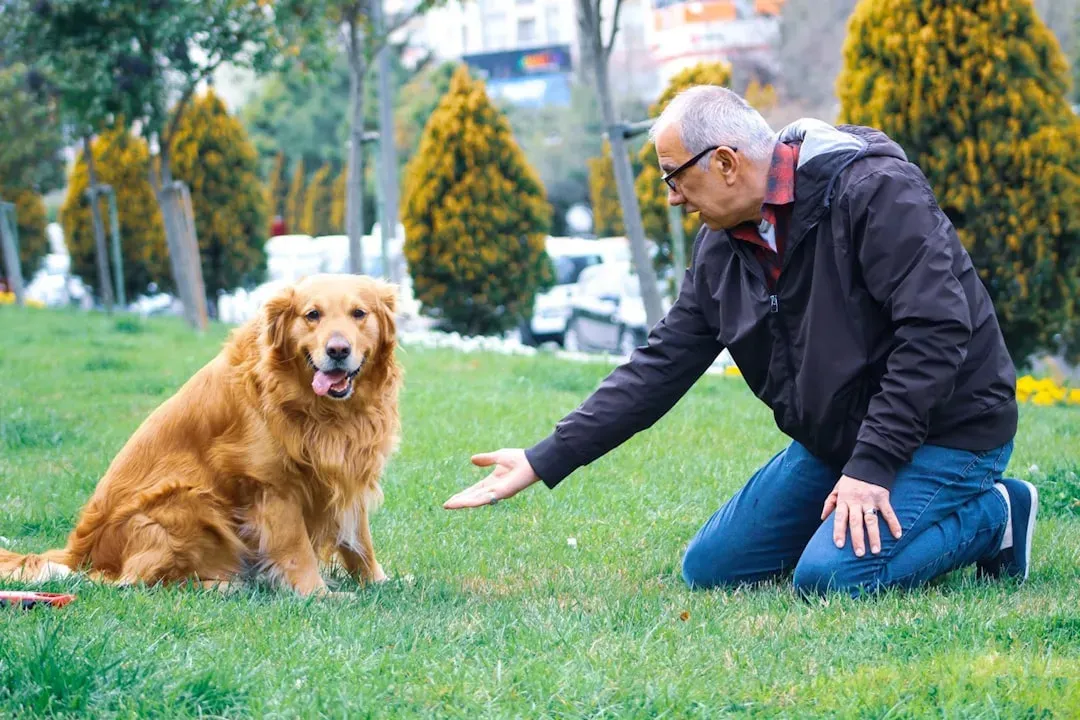
Loneliness is one of the most painful and underestimated issues older adults face, especially after losing a partner or close friends. A dog cannot replace human relationships, and pretending it can would be dishonest. But emotionally, a dog often fills a very real gap: it provides warmth, routine interaction, and an unspoken sense of being seen and accepted just as you are.
There is also the social bridge effect. Dog owners are more likely to chat with neighbors, other dog walkers, or people in the park, if only for a few minutes. Those tiny interactions can chip away at the edges of isolation, reminding someone over 65 that they still belong to a living, breathing community. Even simple things, like laughing at a dog’s odd behavior or talking to it out loud while making coffee, can lighten the emotional atmosphere of a home that would otherwise feel too quiet.
Who Should Think Twice: When a Dog Might Not Be the Right Choice

As uplifting as all this sounds, it is important to be honest: a dog is not a good fit for every older adult. Dogs come with real responsibilities – feeding, grooming, vet bills, and the physical effort of walking and cleaning up. For someone with serious mobility limitations, severe allergies, or very tight finances, taking on a dog could increase stress rather than lower it. The last thing anyone over 65 needs is another heavy burden disguised as a health booster.
There is also the emotional weight of pet loss to consider. For some people, the grief of losing a dog can be devastating. Others find that the years of companionship are worth that eventual pain. The key is to think realistically rather than romantically. Sometimes the better option is a smaller, older dog, a shared dog with family, or even regular time with a grand‑dog instead of full‑time ownership. The goal is not to force a dog into every life, but to recognize when it genuinely fits.
Practical Tips for Older Adults Considering a Dog

For those over 65 who feel drawn to the idea, a thoughtful approach makes all the difference. Matching energy levels is crucial: a high‑drive puppy that needs constant stimulation is very different from a calm, older rescue dog who loves slow walks and long naps. Considering size, temperament, and grooming needs can prevent frustration and reduce the risk of falls or injuries.
It also helps to set up a support system ahead of time. That might mean talking with adult children, neighbors, or friends about who could step in during illness or travel. Some communities offer dog‑walking services or pet‑sitting options specifically tailored to seniors. Framing the decision this way turns the dog into what it should be: a partner in well‑being, not a solo project that could become overwhelming if life takes an unexpected turn.
The Bottom Line: A Powerful Tool, Not a Magic Wand
When you pull all the research and real‑world stories together, one conclusion stands out: for many people over 65, a dog can be a deeply effective, low‑tech ally in staying physically active, emotionally steadier, and more connected to daily purpose. Lower blood pressure, fewer anxiety spikes, and that quiet feeling of being needed do not come from one miracle moment; they are built through hundreds of small interactions between human and animal over time. That is precisely what makes the connection so powerful and, in many cases, more sustainable than yet another pill or self‑help plan.
But it would be naïve to treat dogs as a universal prescription. They are a tool, not a magic wand, and they work best when the match between person and animal is honest and intentional. In my view, if an older adult loves animals, can safely handle the responsibilities, and has even a small support network, saying yes to a dog is often one of the most life‑enhancing decisions they can make. It is not just about adding years to life; it is about adding life to those years. Looking at all this, does it really surprise you that a wagging tail might do what a whole stack of wellness books cannot?


