
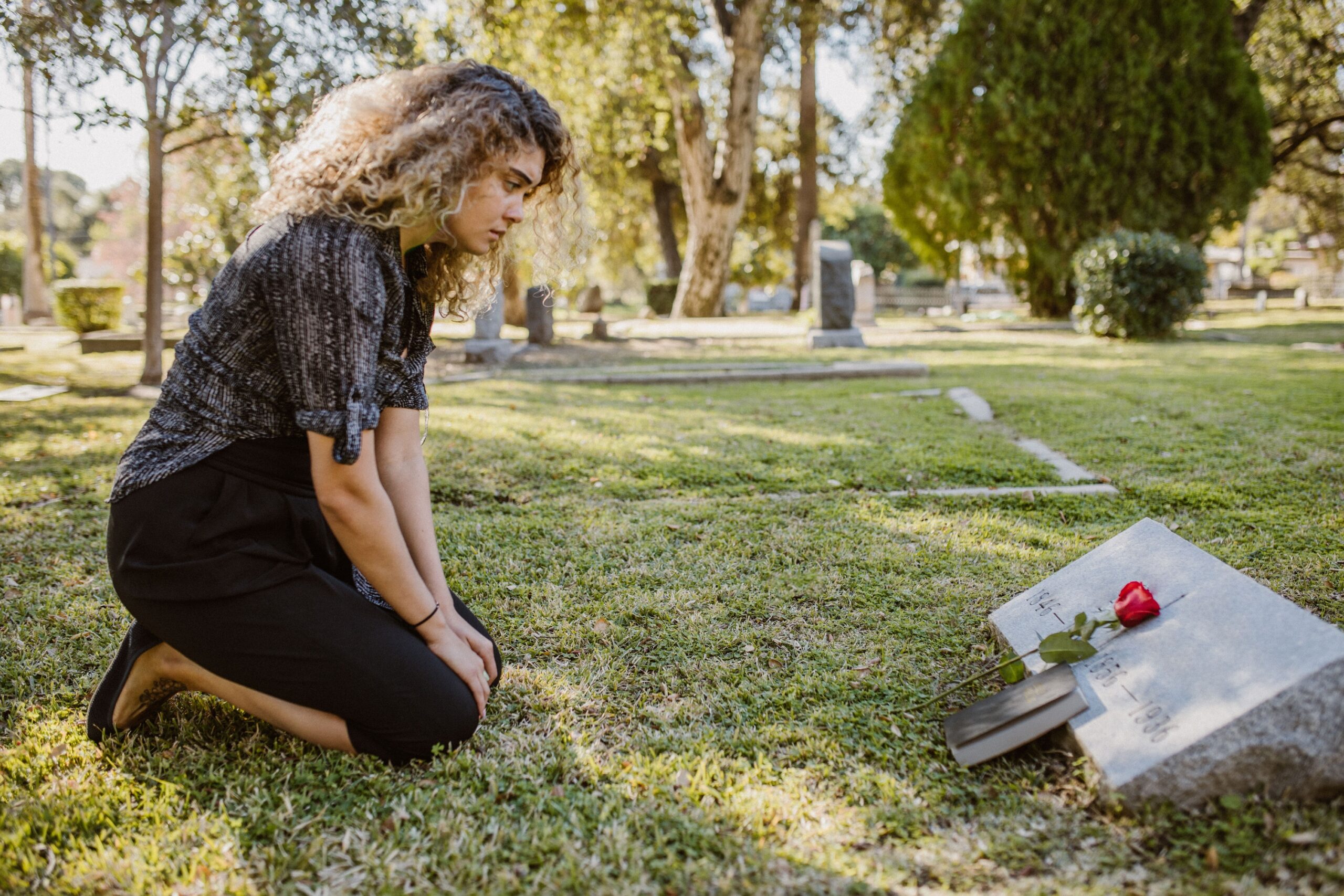
When a dog dies, the world often expects you to quietly move on, as if you’ve only lost a hobby or a routine. Yet inside, it can feel like the floor has dropped out from under your life. If you’ve ever found yourself crying in the car, sleeping with an old collar, or instinctively reaching for a leash that is no longer needed, you already know this kind of grief is not small.
Psychology is finally catching up to what dog lovers have always felt: losing a dog can hurt every bit as deeply as losing a human loved one. This is not an overreaction, a weakness, or a sign that you “cared too much.” It is a normal, biologically and emotionally rooted response to losing a genuine attachment figure. Let’s walk through what the science actually says, and why your grief deserves tenderness, not a deadline.
Why Losing a Dog Hurts So Much: The Science of Attachment
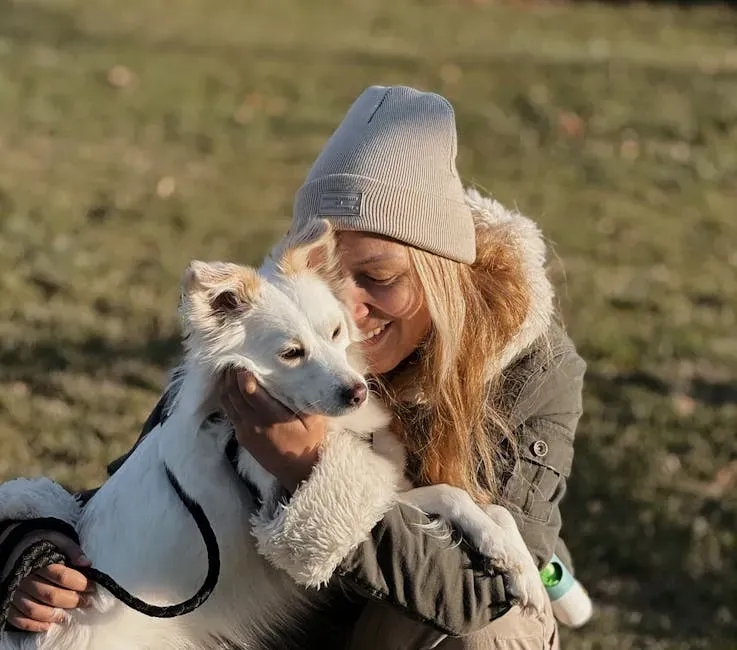
Here’s the part many people outside the dog world underestimate: your brain does not put your dog in a separate, “less important” category than humans. Over time, dogs become true attachment figures, lighting up many of the same brain systems involved in close family bonds. Research using brain imaging has shown that when dog owners look at their dog, regions linked to reward, caregiving, and emotional connection are activated in a remarkably similar way to when they look at their children or partners.
Attachment theory, originally developed to understand bonds between infants and caregivers, now helps explain human–animal relationships too. Your dog becomes a “secure base” in daily life – someone you return to for comfort, routine, and a sense of safety. When that bond is suddenly broken, your nervous system registers it as a major loss, not a minor inconvenience. That’s why the pain can feel frighteningly intense, even if others around you cannot understand why you are “still this upset about a pet.”
Grief After a Dog’s Death Mirrors Human Bereavement More Than You Think
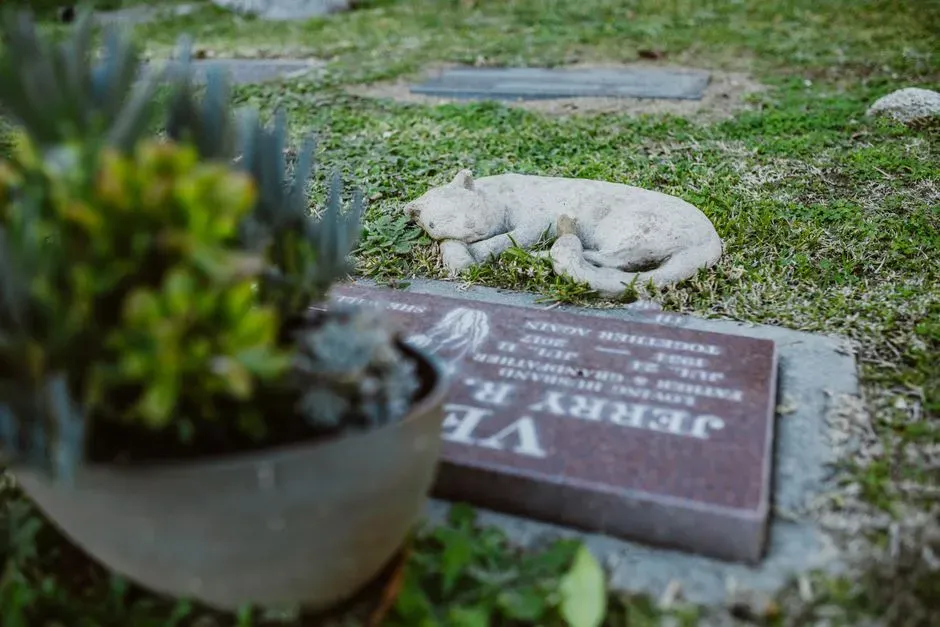
Psychologists who study pet loss consistently find that many people go through emotional reactions that closely resemble grief after losing a close human loved one. Numbness, disbelief, anger, bargaining, guilt, and waves of sadness that appear without warning are all extremely common. You might find yourself replaying the last vet visit over and over, wondering if you missed something, or feeling guilty about decisions around treatment or euthanasia.
These reactions are not dramatic; they are predictable outcomes of a deeply bonded relationship ending. Studies of bereaved pet guardians show that quality of life, sleep, appetite, and concentration can be significantly affected for weeks or months. Some people even meet criteria for complicated or prolonged grief, particularly when the loss is traumatic or when social support is weak. In other words, your mind and body are responding as they would to any profound attachment loss, and that response is grounded in biology, not drama.
The Hidden Weight of Disenfranchised Grief
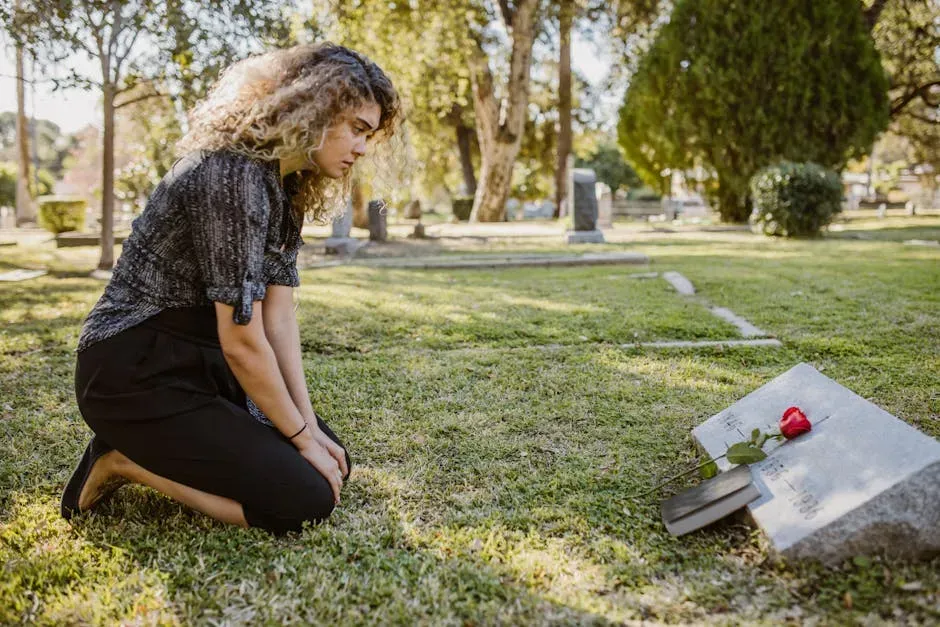
One reason grief after losing a dog can feel especially heavy is because society often does not give you permission to feel it. Psychologists call this “disenfranchised grief” – a form of loss that is real and painful, but not fully recognized or validated by the culture around you. You might be told to get another dog, focus on work, or be glad “it was just a pet and not a person.” Those comments can make you question your own sanity, even as your chest aches every time you walk past the food bowl.
When grief is not openly acknowledged, it has fewer safe outlets. You may start hiding your sadness, crying in private, or joking about it to make others comfortable. Yet bottling grief does not make it disappear; it often makes it heavier and more complicated. A big part of healing is giving yourself back the permission that the world withholds: the right to mourn your dog as someone who mattered deeply, not as a disposable chapter you’re supposed to close overnight.
How Your Brain and Body React to the Loss of a Dog

Grief is not just an emotion floating in your mind; it is a full-body event. When your dog dies, your stress system can go into overdrive. Cortisol levels may rise, sleep patterns can become fragmented, and your immune system can become a bit less efficient for a while. This is part of why you might feel utterly exhausted, foggy, or physically unwell even if you are “just crying” and not doing anything strenuous.
The brain also goes through a recalibration process. For months, maybe years, your nervous system has been wired to expect certain routines: the click of nails on the floor, the weight at the foot of the bed, the sound of a bark when the doorbell rings. When those signals vanish, your brain keeps searching for them, like a phone looking for a Wi-Fi network that no longer exists. This mismatch between expectation and reality can cause those sharp pangs of shock when you briefly forget your dog is gone, only to remember a moment later.
There Is No “Right” Timeline: Why Grief Must Not Be Rushed
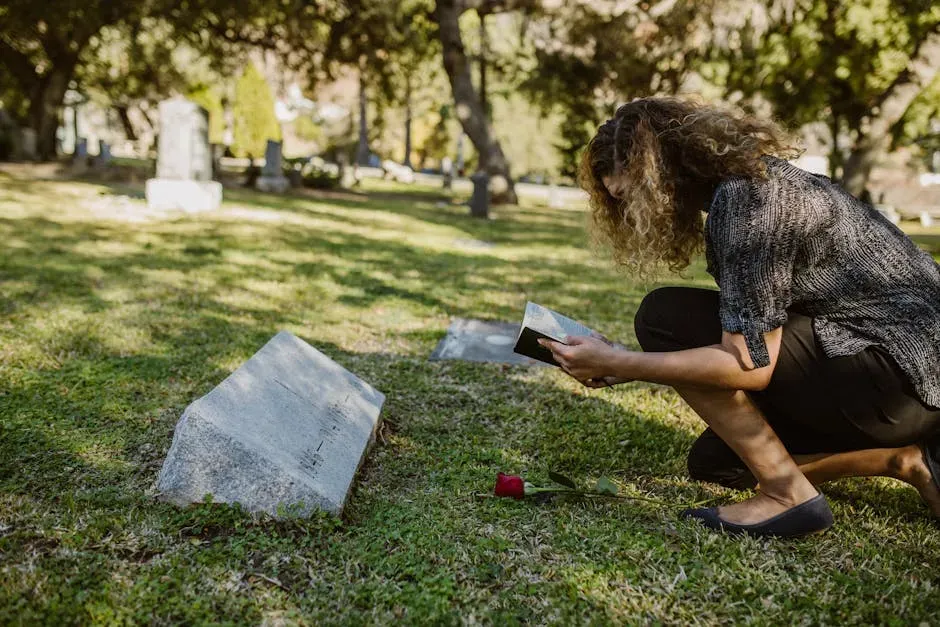
One of the most harmful myths about grief, especially after the loss of a dog, is that it should follow a neat, staged timeline. People may imply that by a certain number of weeks or months you ought to “be over it.” Yet research on grief more broadly shows enormous variation in how long intense emotions last, and how they change over time. Some people feel a sharp but relatively brief period of acute grief, while others experience a longer, fluctuating process that ebbs and flows for years.
What matters is not meeting an external schedule but staying connected to life in ways that feel manageable while still honoring your bond. Healing does not mean forgetting your dog or never feeling sad again; it means slowly integrating the loss into your story so it no longer dominates every moment. If someone tries to rush you, it usually says more about their discomfort with grief than about your progress. Your emotional pace is not only acceptable; it is necessary.
Healthy Ways to Process the Loss Without Minimizing Your Pain
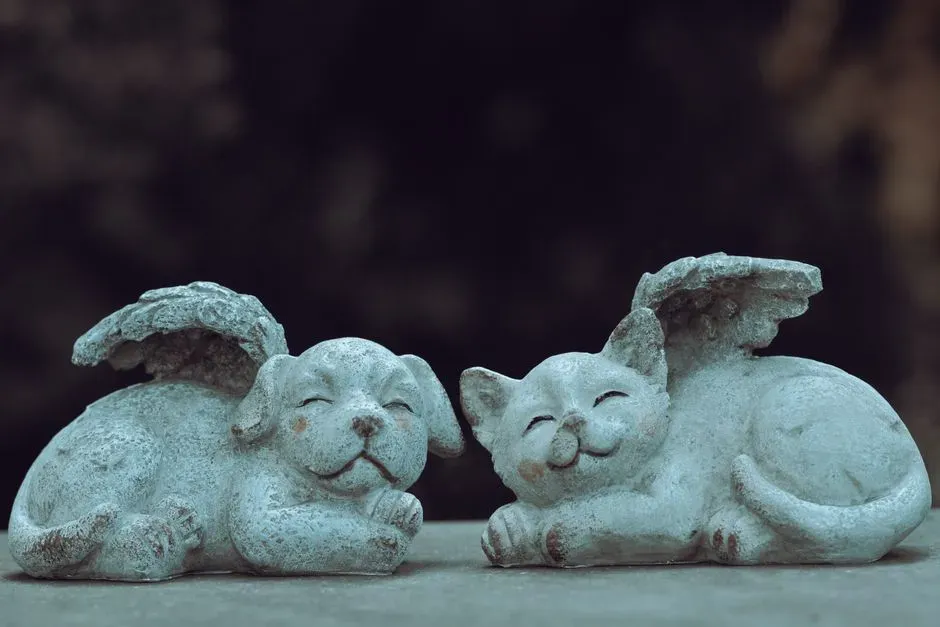
Grieving a dog is not about “moving on” as quickly as possible – it is about moving with the loss in a way that eventually allows you to breathe again. Helpful coping often starts with naming what you are feeling without judgment: anger, guilt, loneliness, relief that they are no longer in pain, or even a strange sense of emptiness. Writing about your dog, creating a small ritual or memorial, or talking openly with people who truly understand can help your brain process the reality of the loss.
Some people find comfort in keeping a photo nearby, writing a letter to their dog, or preserving a collar or tag in a special place. Others lean on support groups, online communities, or therapists who take pet loss seriously. None of these actions erase the hurt, but they can give it a container so it does not swallow everything else. The key is to treat your grief as worthy of time and care, the same way you once treated your dog’s needs as a priority.
When Intense Grief Signals You Might Need Extra Support
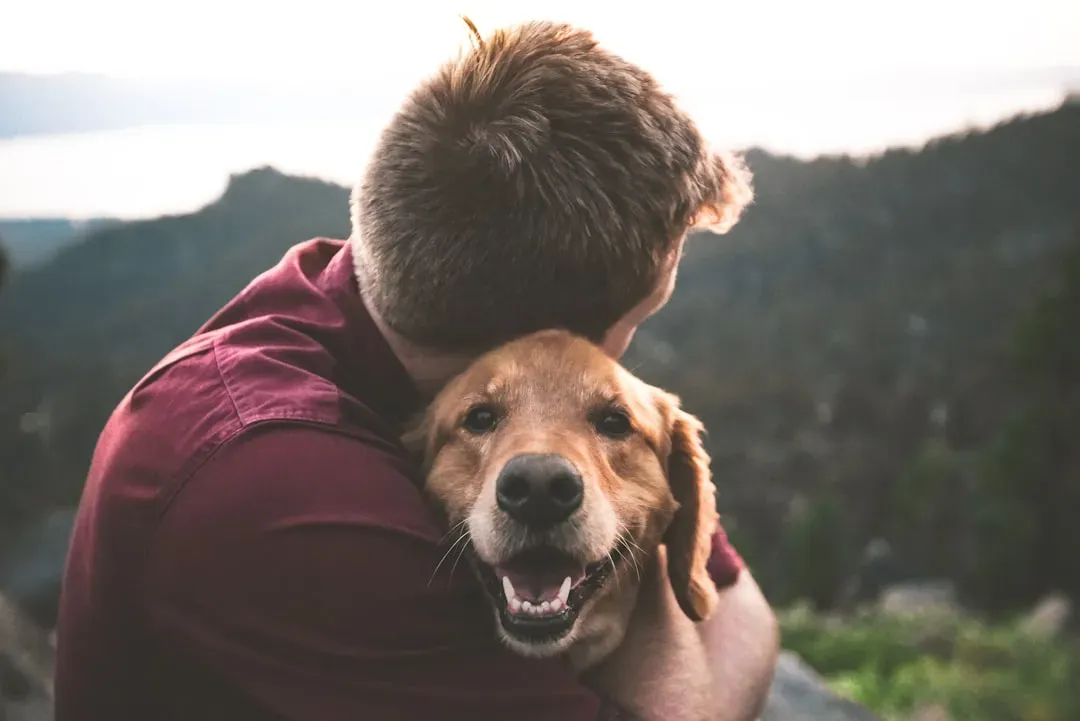
Intense grief can be natural, but that does not mean you have to go through it entirely alone. If months are passing and you feel stuck in a level of despair that makes daily functioning nearly impossible, it may be time to reach for more structured help. This is not a sign that your grief is “too much.” It is simply an indication that your nervous system could use extra guidance in finding its way through such a deep rupture.
Signs you might benefit from professional support include constant intrusive images of your dog’s final moments, severe guilt that does not budge no matter what you tell yourself, or a sense that life is permanently meaningless without them. Therapists who understand pet loss can help you work through trauma, normalize your emotions, and gently rebuild a life that can hold both love for your dog and room for new experiences. Accepting help is not betrayal; it is one more act of devotion to the bond you had, because it means you are choosing to take care of the person your dog loved most – you.
Honoring the Bond Without Needing Anyone’s Permission

In the end, the depth of your grief is a measure of the depth of your bond, not a sign that something is wrong with you. A dog may only be part of your life, but to your dog, you were the whole universe. It makes perfect sense that when that relationship ends, the loss reverberates through every corner of your day. You are not “too sensitive” for feeling shattered; you are simply acknowledging how much love was there.
There will always be people who minimize that love, or who think grief for a dog should be quieter, faster, tidier. Let them be wrong. You do not need their understanding to honor what your dog meant to you. Take the time you need, build the rituals that feel right, and allow your heart to mend in its own imperfect rhythm. One day the thought of your dog will bring more warmth than pain, and when that happens, it will not mean you loved them any less – it will mean your love has finally found a softer place to rest. If you could talk to your dog right now, do you really believe they would want anything less for you than that?


