
Psychology Says Dogs Become Withdrawn When Their Owner’s Mental Health Silently Deteriorates Over Time

The Intuitive Nature of Canine Companions
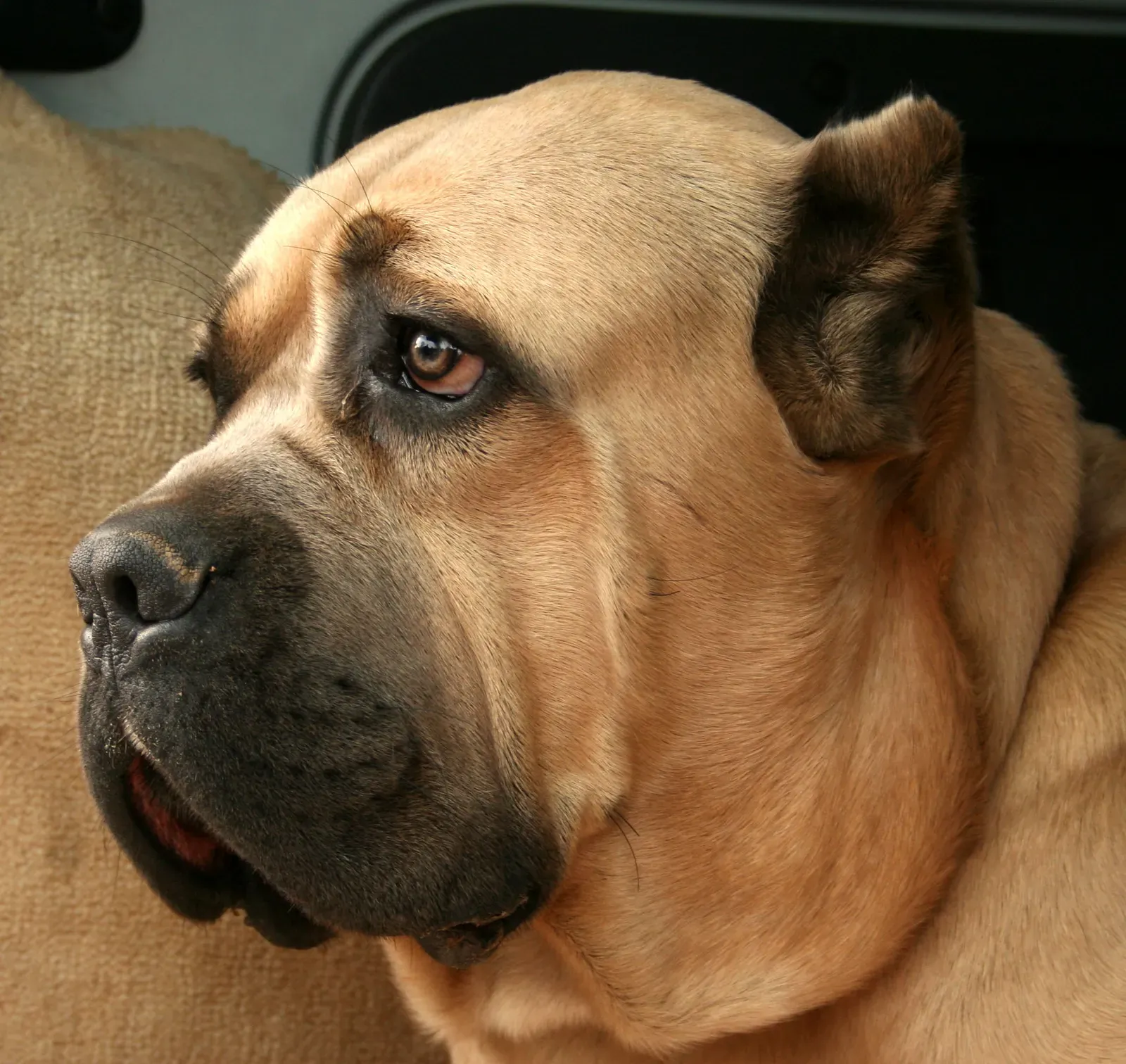
Dogs have shared living spaces with humans for thousands of years, which has sharpened their ability to read the room without any words spoken. They notice small changes in how someone moves through the house or lingers in certain spots. Over time these patterns add up in ways that feel almost instinctive to the animal.
Owners frequently describe their pets as seeming to know when something feels off long before anyone else does. This awareness comes from constant proximity and shared routines that make even minor deviations stand out. The result is a bond that goes beyond simple companionship into something more attuned.
Scent as a Window into Human Emotions
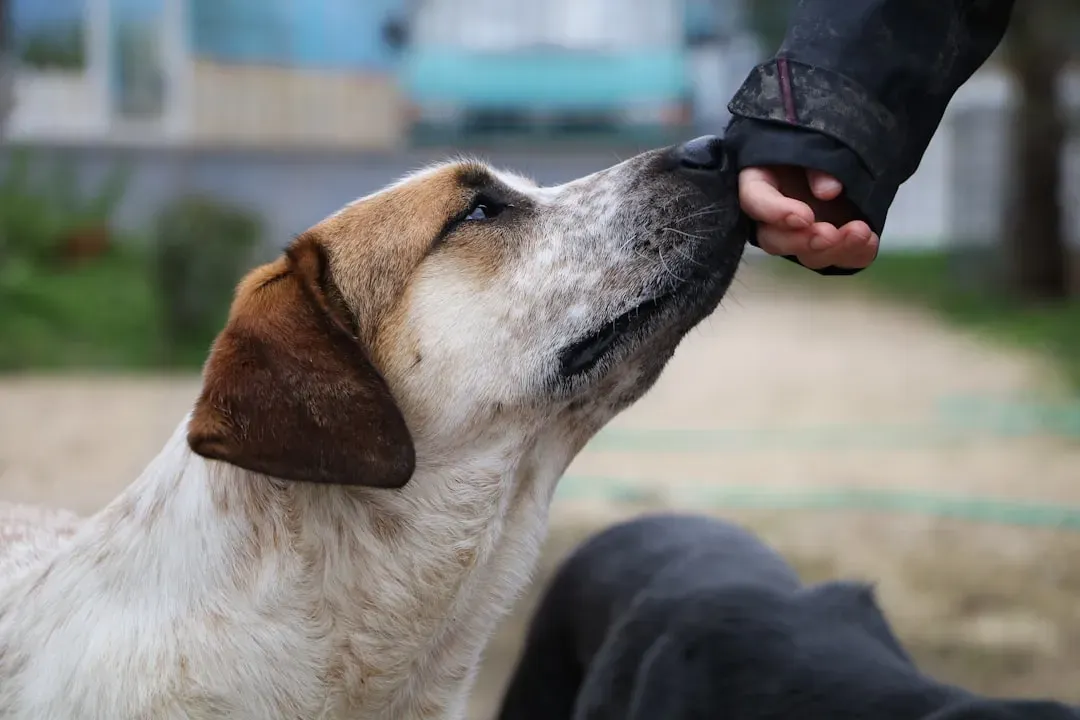
Changes in body chemistry during periods of rising stress or low mood release distinct compounds that dogs can detect through smell alone. These subtle alterations happen even when a person maintains a normal outward appearance. Research has shown dogs distinguish these scents with impressive accuracy in controlled tests.
Because the nose leads their world, dogs respond to these invisible markers by adjusting their own behavior. They might seek closer contact at first or pull back as the signals persist. This olfactory sensitivity explains why withdrawal can appear without any dramatic event triggering it.
Shifts in Daily Interactions and Energy Levels

When an owner’s mood dips gradually, shared activities like playtime or evening cuddles often become less frequent or less energetic. Dogs notice the difference in enthusiasm and start to mirror a quieter pace themselves. What begins as a small reduction in engagement can stretch into longer stretches of calm or distance.
Routines that once brought clear joy now carry less spark, and the dog learns to expect that lower energy state. This adjustment happens without any conscious decision on the owner’s part. The pet simply adapts to the new normal unfolding around it.
Withdrawal as a Response to Unspoken Changes
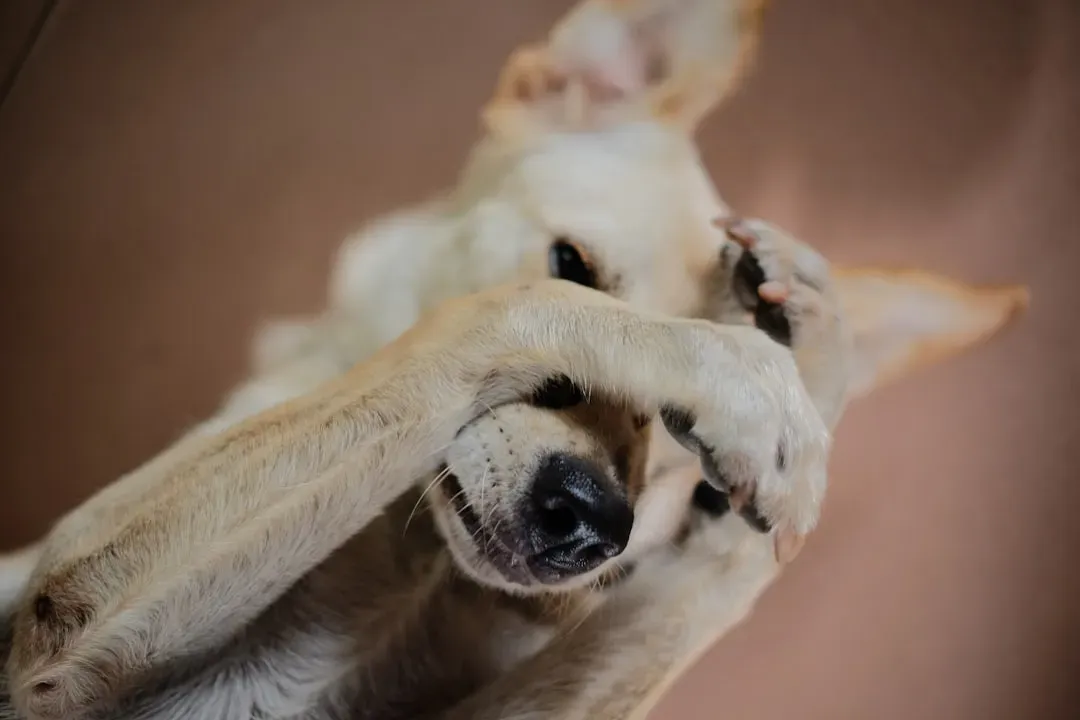
Some dogs react to prolonged emotional strain in their home by becoming less outgoing or more reserved in their usual spots. They may spend more time in another room or show less interest in greeting family members at the door. This shift often develops slowly enough that it blends into the background of daily life.
The behavior serves as a quiet signal rather than a dramatic protest. It reflects the dog’s own experience of the atmosphere changing around it. Owners who look back later sometimes connect these patterns to periods when their own well being was slipping without clear outward signs.
The Mirror Effect in Human Dog Relationships

Stress and mood states can pass between people and their dogs in both directions, creating a kind of emotional feedback loop. When one side stays low for an extended time, the other side often shows parallel signs of reduced vitality. Studies tracking cortisol levels have found synchronization between owners and their pets under chronic conditions.
This mirroring does not mean the dog understands the full picture of mental health. It simply responds to the consistent environment it shares. The outcome can include the dog appearing more withdrawn as a way of conserving energy or avoiding overstimulation in a tense setting.
Recognizing the Signs Before They Escalate
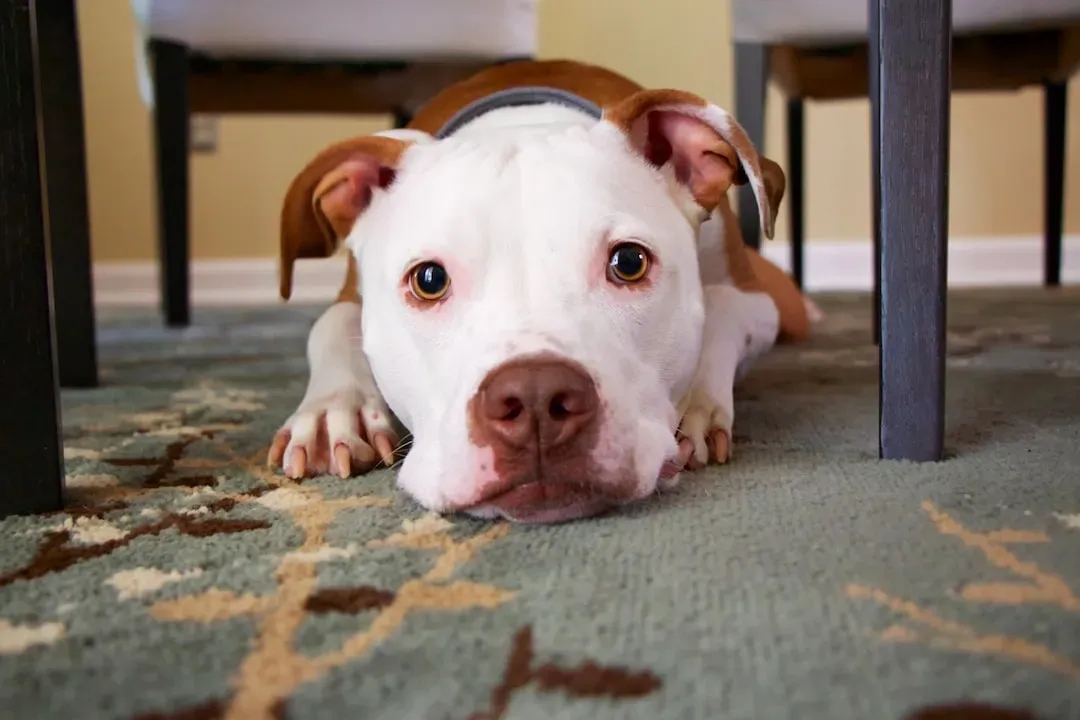
Early clues often appear in small ways such as a dog choosing solitary spots more often or showing less excitement during normally positive moments. These changes can be easy to attribute to age or weather rather than deeper household dynamics. Paying closer attention to patterns over several weeks helps separate normal variation from something more meaningful.
Tracking simple details like sleep habits or interest in food provides useful context without needing special equipment. Many owners find that noting these observations leads to earlier conversations with professionals if needed. The goal remains supporting the whole household rather than assigning blame.
Finding Balance for Everyone Involved
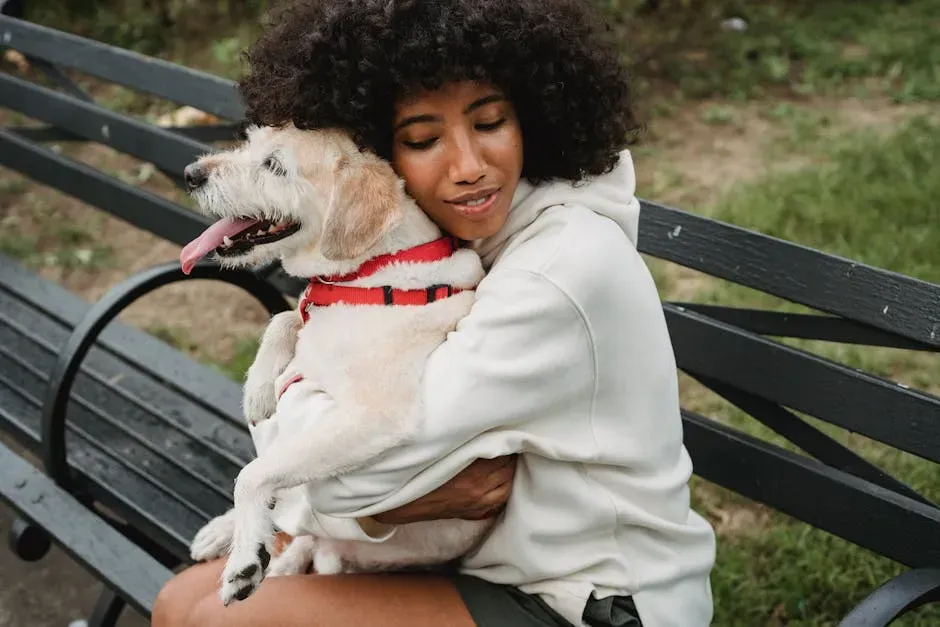
Addressing mental health openly tends to benefit both the person and the dog sharing the same space. Small consistent steps like regular walks or structured play can interrupt the cycle of quiet withdrawal on both sides. Professional guidance for one often creates ripple effects that improve the other.
The connection between human and canine well being reminds us that these relationships thrive on mutual awareness rather than one sided care. Paying attention to a dog’s changing behavior offers one more tool for noticing when support might help. In the end the quiet signals from a pet can point toward healthier days ahead for the entire home.