
Psychology Says Dogs Choose Their Favorite Person Based on Emotional Consistency Rather Than Who Feeds Them
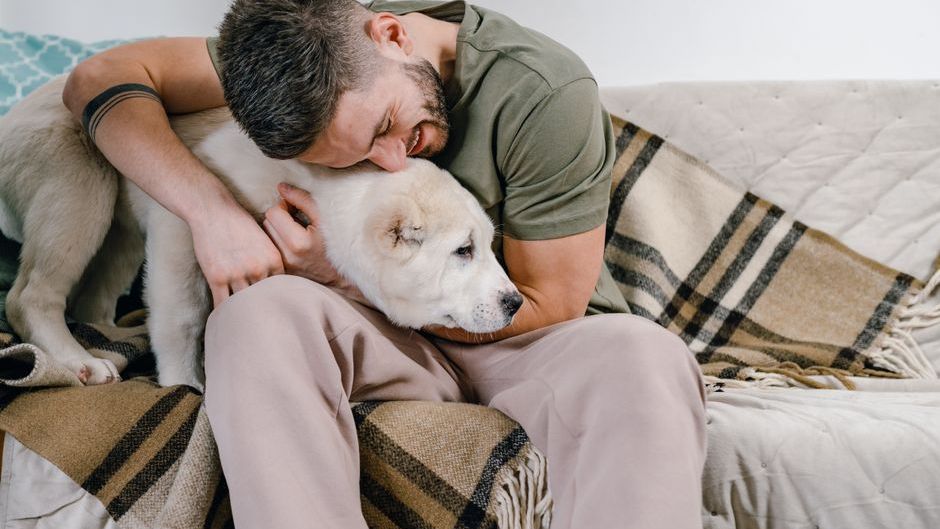
Most people assume a dog bonds with whoever fills the bowl at mealtime. Yet research into canine behavior points to something quieter and more steady as the real driver of preference.
Emotional consistency, the reliable way a person responds to a dog’s moods and signals, seems to matter far more than daily provisions. This shift in understanding changes how we think about the human dog relationship.
The Roots of Canine Attachment
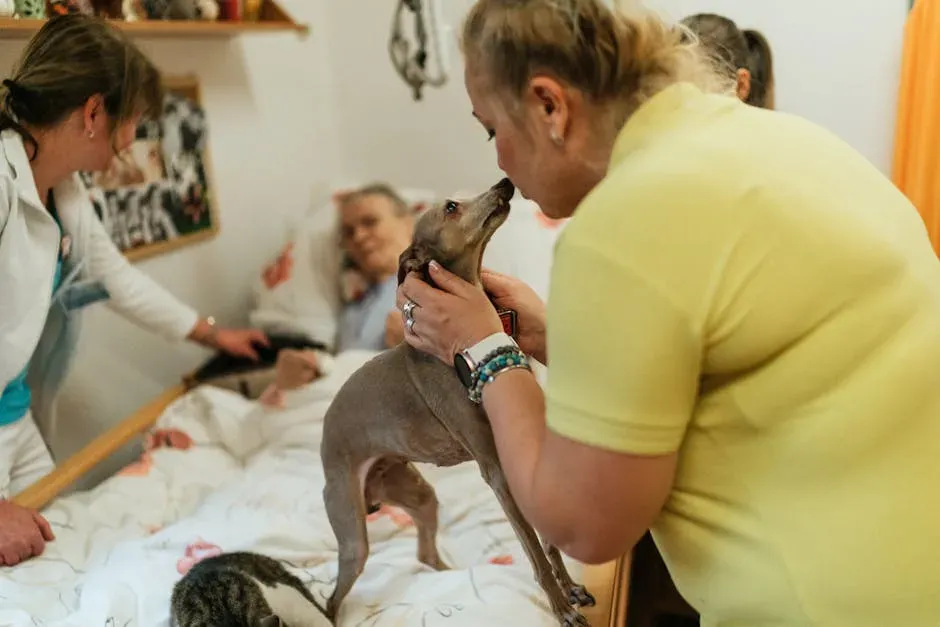
Dogs form bonds much like young children do with caregivers. They look for safety and predictability in the people around them. When those qualities appear consistently, a dog begins to single out one person as the secure base.
Early studies on dog human interactions showed that puppies raised with steady emotional responses developed stronger preferences. The pattern holds into adulthood. A calm voice during storms or a steady presence after a loud noise builds that foundation over time.
Why Emotional Consistency Outweighs Food
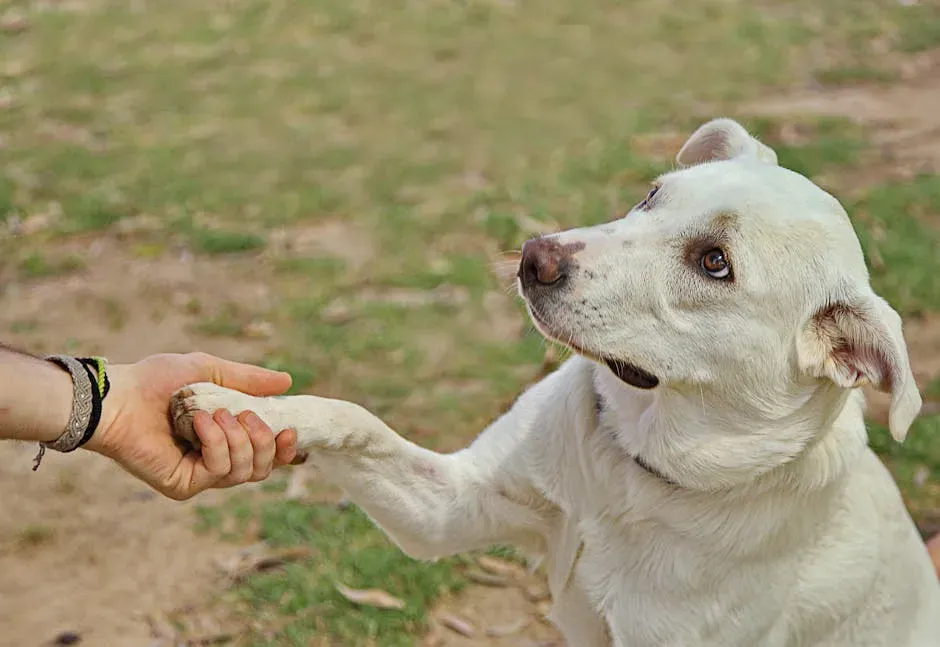
Feeding creates a practical link, yet it rarely seals the deepest connection. Dogs quickly learn that multiple household members can provide meals. What they cannot replace is the person who reads their body language without fail.
Consistency shows up in small moments. A gentle approach when the dog seems anxious or an enthusiastic greeting that matches the dog’s energy level. These repeated interactions create a sense of trust that food alone cannot match.
How Dogs Detect Emotional Reliability

Dogs watch faces and listen to tone with surprising accuracy. They notice when someone stays even tempered during their own excitement or fear. Over weeks and months those observations add up.
Research using heart rate monitors and behavior tests reveals that dogs relax more quickly around people who maintain steady responses. The opposite also holds true. Erratic reactions from a caregiver can leave a dog scanning the room for someone more predictable.
Everyday Moments That Build Preference
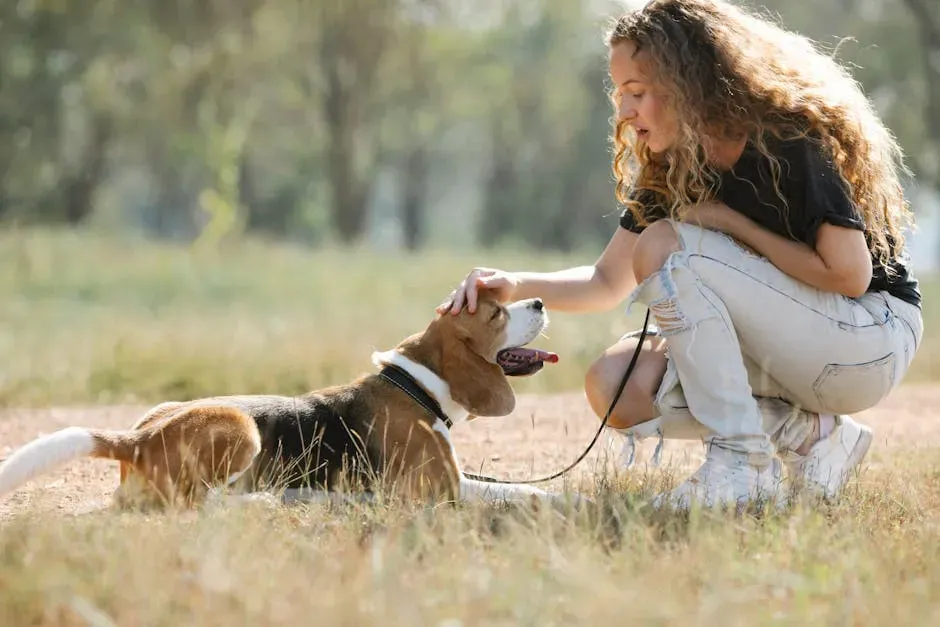
Simple routines matter more than grand gestures. Sitting quietly while the dog settles after a walk signals availability without pressure. Responding the same way to a nudge for attention reinforces the pattern.
Owners who keep their energy level steady during play or rest periods often find themselves chosen. The dog learns that this person offers a safe emotional landing spot no matter what the day brings.
Signs a Dog Has Made Its Choice

Preference shows in subtle ways rather than dramatic displays. A dog may follow one person from room to room or rest its head on that person’s lap during quiet times. Eye contact that lingers a little longer is another quiet clue.
These behaviors emerge gradually. They reflect comfort rather than excitement. A dog that chooses one person will still accept food and walks from others, yet it returns to the consistent figure for reassurance.
Practical Steps for Stronger Bonds
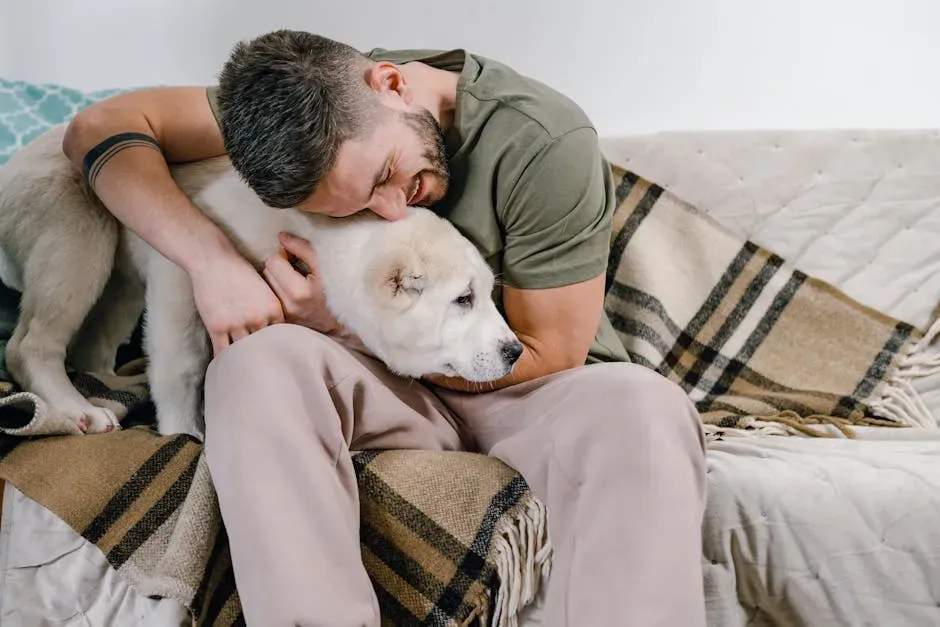
Anyone can strengthen a connection by focusing on emotional steadiness. Matching energy during greetings and maintaining calm during stressful events helps. Short daily check ins where the dog receives undivided attention also add up.
Consistency does not require perfection. Small lapses happen, yet returning to a reliable pattern restores the sense of safety. Over time the dog learns to seek out the person who offers that steady presence.
What This Means for Everyday Life With Dogs
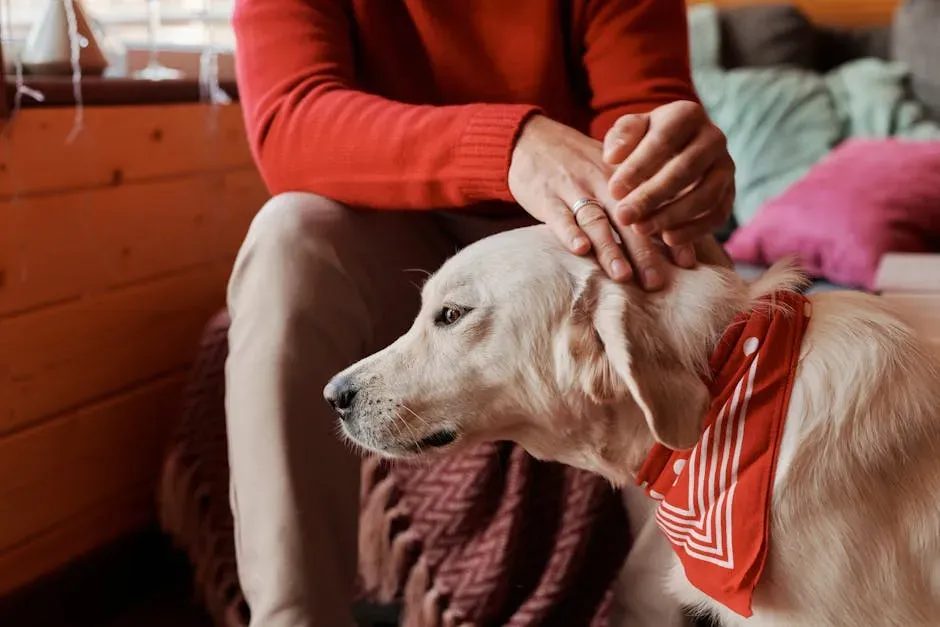
Understanding the role of emotional consistency invites owners to slow down and notice their own responses. It shifts attention from tasks like feeding toward presence during ordinary moments. The result is often a deeper sense of companionship on both sides.
Dogs remind us that relationships thrive on reliability more than rewards. When we meet them with steady attention, they respond in kind. That quiet exchange becomes the real heart of the bond.