
Psychology Says Dogs Develop Trust Issues After Rehoming That Can Take Years of Consistency to Repair

The Foundations of Canine Attachment
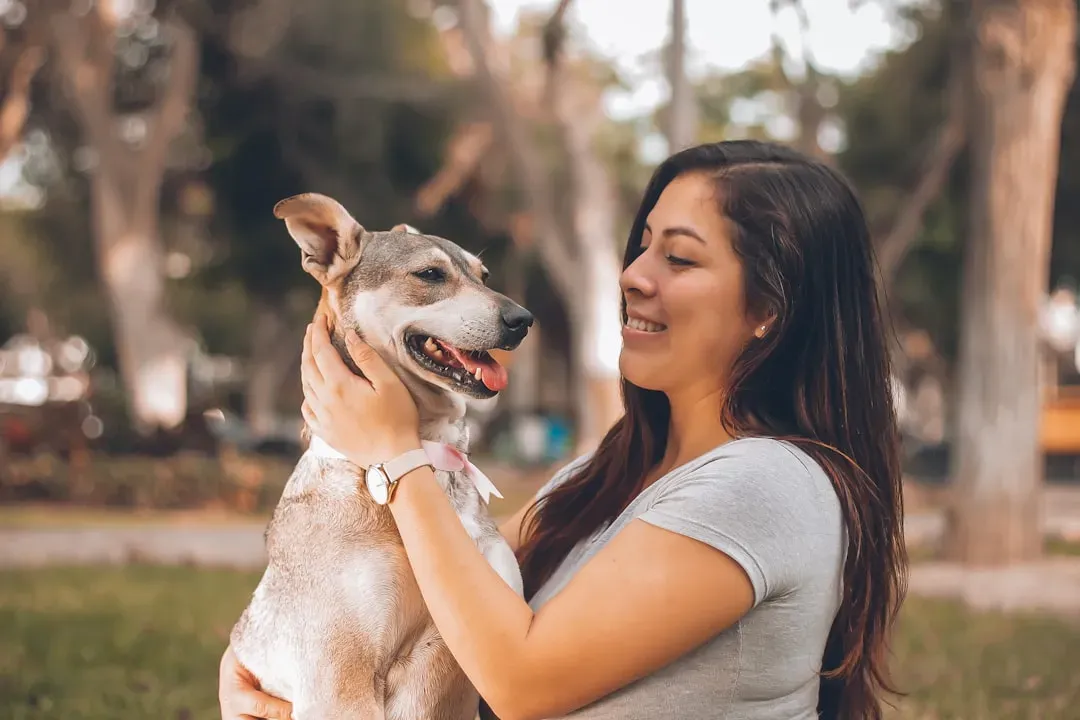
Dogs build emotional ties to their people much like young children do with caregivers. These bonds provide a sense of safety that lets them explore the world confidently. When that foundation gets shaken by rehoming, the effects show up in how the dog interacts with its surroundings and new family members.
Studies on shelter and rescue dogs highlight how prior separations influence later responses. A dog that has moved through multiple homes may approach new situations with extra caution. This stems from an instinctive drive to protect itself after experiencing instability.
Why Rehoming Creates Lasting Uncertainty
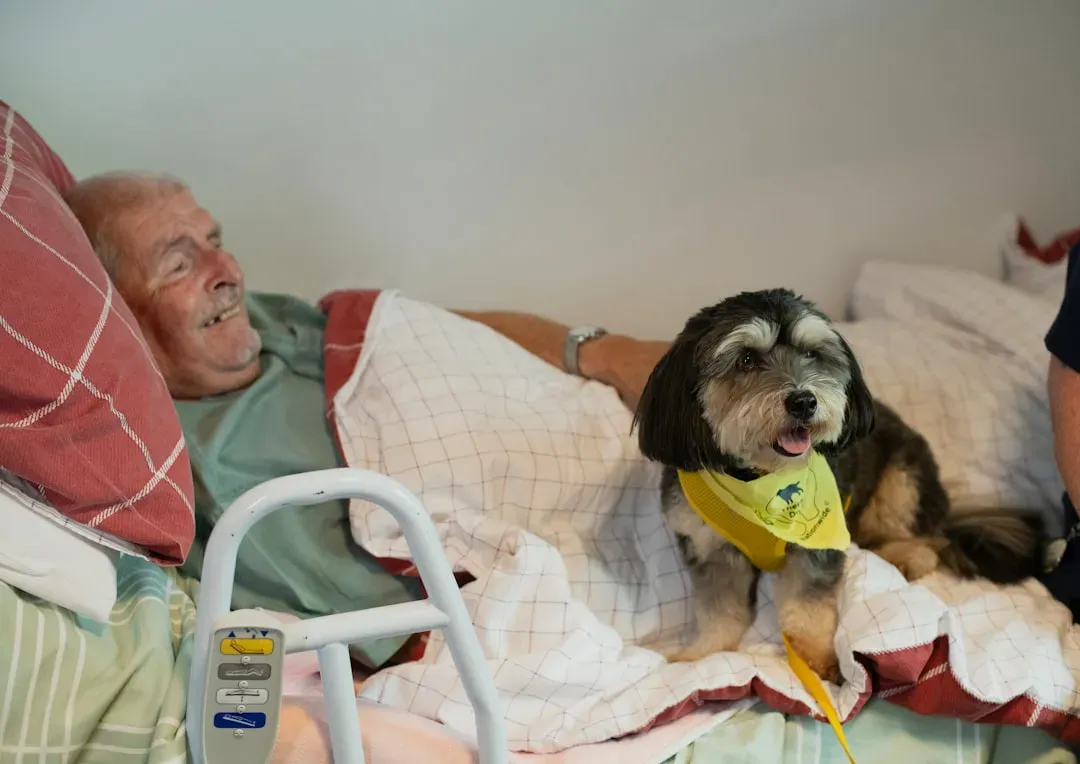
Each move interrupts the routines and relationships a dog has come to rely on. The sudden loss of familiar scents, voices, and schedules leaves an imprint that does not vanish overnight. Over time, this can translate into wariness around new people or changes in the household.
Research tracking adopted shelter dogs notes shifts in behaviors such as increased excitability or sensitivity to touch in the months following placement. These changes reflect an ongoing effort to recalibrate after disruption. Owners often notice the dog testing boundaries or staying close as a way to regain security.
Recognizing Subtle Signs of Trust Strain
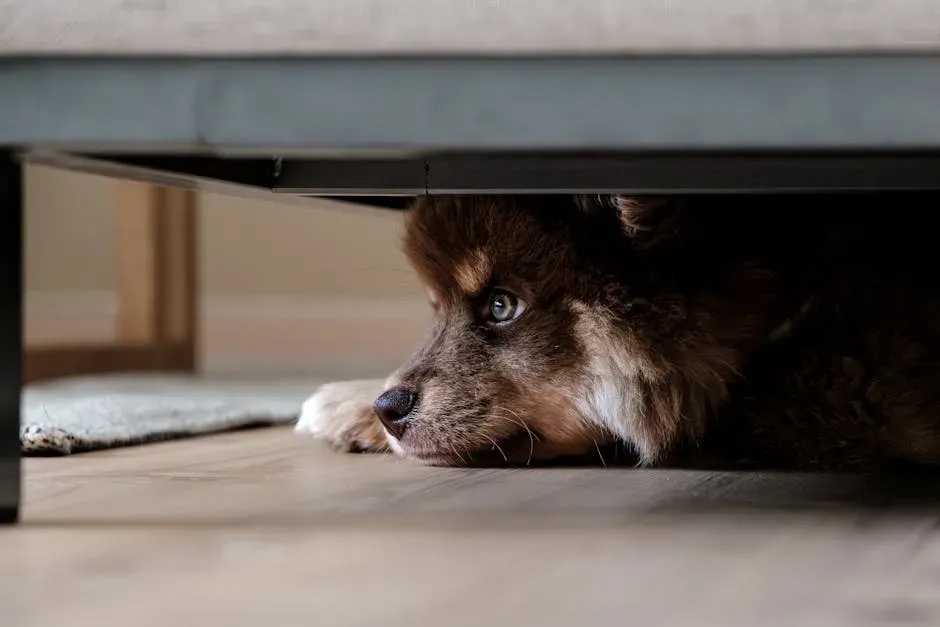
Trust issues do not always appear as outright fear. Some dogs become clingy, following their person from room to room or showing distress during short separations. Others may hesitate to approach for affection or react strongly to unexpected sounds or movements.
These responses vary widely depending on the individual dog’s history and temperament. A formerly neglected dog might guard resources more tightly, while one from a chaotic environment could seem withdrawn at first. Paying attention to these cues allows owners to respond with greater understanding rather than frustration.
The Influence of Early or Repeated Disruptions

Dogs that experience multiple rehoming events or come from high-stress backgrounds often carry forward patterns of insecure attachment. This shows in their reluctance to fully relax or their tendency to seek constant reassurance. The more abrupt or frequent the changes, the more pronounced these tendencies can become.
Even dogs with relatively stable pasts can exhibit temporary setbacks when entering a new home. The adjustment period involves learning that this environment will remain consistent. Without that assurance, the dog continues to operate from a place of guardedness.
Daily Practices That Foster Security
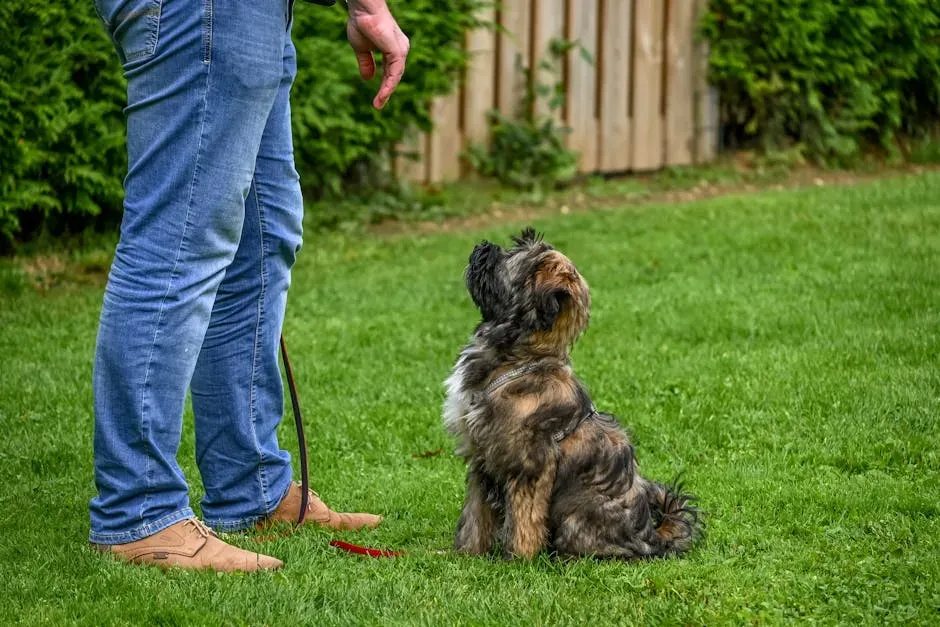
Establishing predictable routines forms the backbone of rebuilding trust. Feeding times, walk schedules, and quiet moments together signal reliability to a dog still learning its place. Positive reinforcement during training sessions further strengthens the sense that good things come from the new relationship.
Allowing the dog space to approach on its own terms prevents overwhelming an already cautious animal. Gentle interactions paired with rewards help associate the owner with safety rather than uncertainty. Over repeated positive experiences, these small habits accumulate into deeper confidence.
The Extended Timeline of Recovery
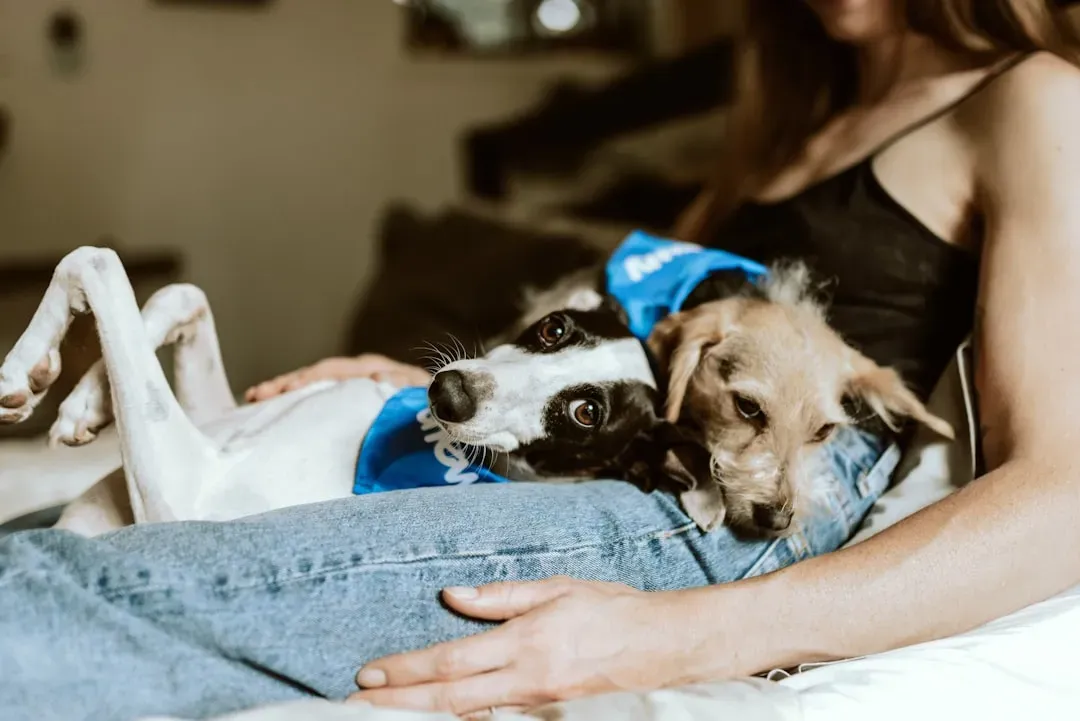
While some dogs show noticeable improvement within a few months, others require sustained effort spanning a year or more. Severe cases tied to prolonged neglect or repeated moves can stretch even longer before full comfort emerges. This extended process reflects the depth of the original disruption rather than any failure on the owner’s part.
Consistency proves more powerful than intensity during this phase. Brief but reliable daily interactions often outperform occasional grand gestures. Owners who maintain steady expectations and calm responses see gradual shifts in how the dog engages with the world.
Embracing the Long View in Dog Ownership

Rehoming challenges remind us that dogs, like people, carry their histories into new chapters. The investment of time and steady presence yields relationships marked by genuine security rather than surface level affection. Many owners report that the bond formed through this deliberate process feels especially rewarding once trust solidifies.
Ultimately, the capacity for dogs to adapt and connect anew stands as one of their most remarkable traits. With measured expectations and unwavering reliability, what begins as hesitation can evolve into a profound partnership that enriches both lives for years ahead.