
Psychology Says Dogs Feel the Weight of Human Loneliness Even When Their Owner Pretends to Be Fine
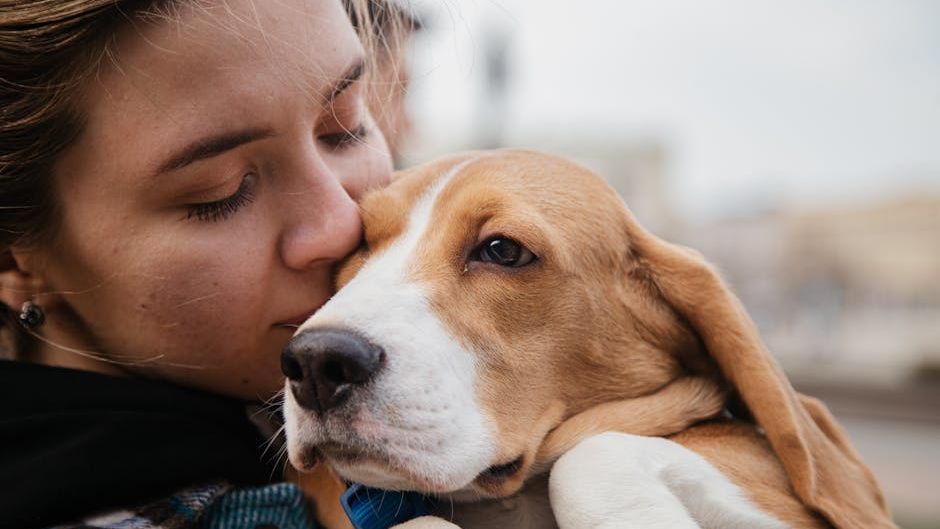
The Subtle Cues Dogs Pick Up First
Dogs notice shifts in posture and breathing patterns long before words come into play. A slight slump in the shoulders or a slower pace around the house signals more than fatigue to a watchful pet. These small changes add up quickly in an animal tuned to its person.
Voice tone also carries weight even when the content stays upbeat. A flat delivery or forced cheer registers differently than genuine warmth. Over time dogs learn to read these layers without any formal training.
Research That Supports Canine Emotional Awareness
Multiple studies confirm dogs distinguish between happy and sad expressions through both sight and sound. They spend more time looking at faces that match emotional audio clips. This ability appears early and strengthens with daily exposure to their owner.
Experiments involving simulated crying show dogs approach the distressed person more often than someone humming or laughing. Heart rate changes in the dogs themselves suggest they experience a form of shared stress. Such responses point to more than random behavior.
Loneliness Leaves Traces Owners Rarely See
Chronic feelings of isolation alter daily routines in ways that accumulate. Less eye contact during meals or shorter walks become normal without conscious notice. Dogs register these patterns as departures from the usual rhythm of the household.
Even brief periods of withdrawal register when they contrast with typical affection levels. A dog may linger nearby longer or initiate contact that usually comes from the other direction. These adjustments reflect an ongoing monitoring of the owner’s state.
Pretending Rarely Works Against a Dog’s Senses
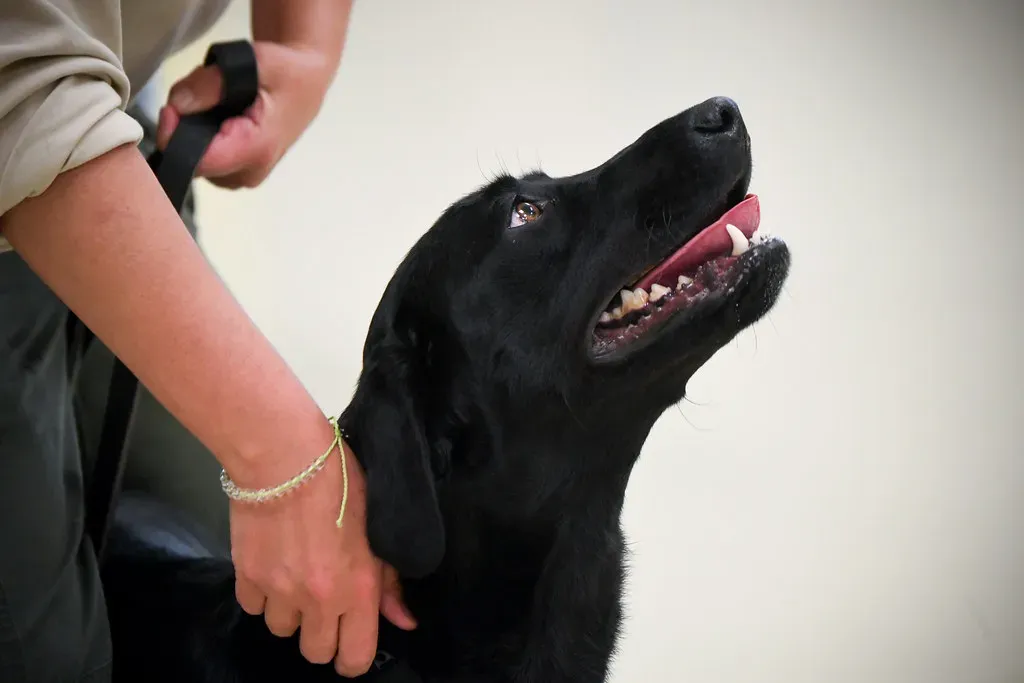
Body chemistry shifts with mood regardless of outward effort. Stress hormones create scent variations that dogs detect with ease. Attempts to mask feelings through activity or distraction rarely override these signals.
Facial micro expressions and hand movements also leak information during conversations or quiet moments. Dogs track these details across repeated interactions. The result is an accurate read that persists even when the owner believes the act holds up.
The Power of Scent in Revealing True Feelings
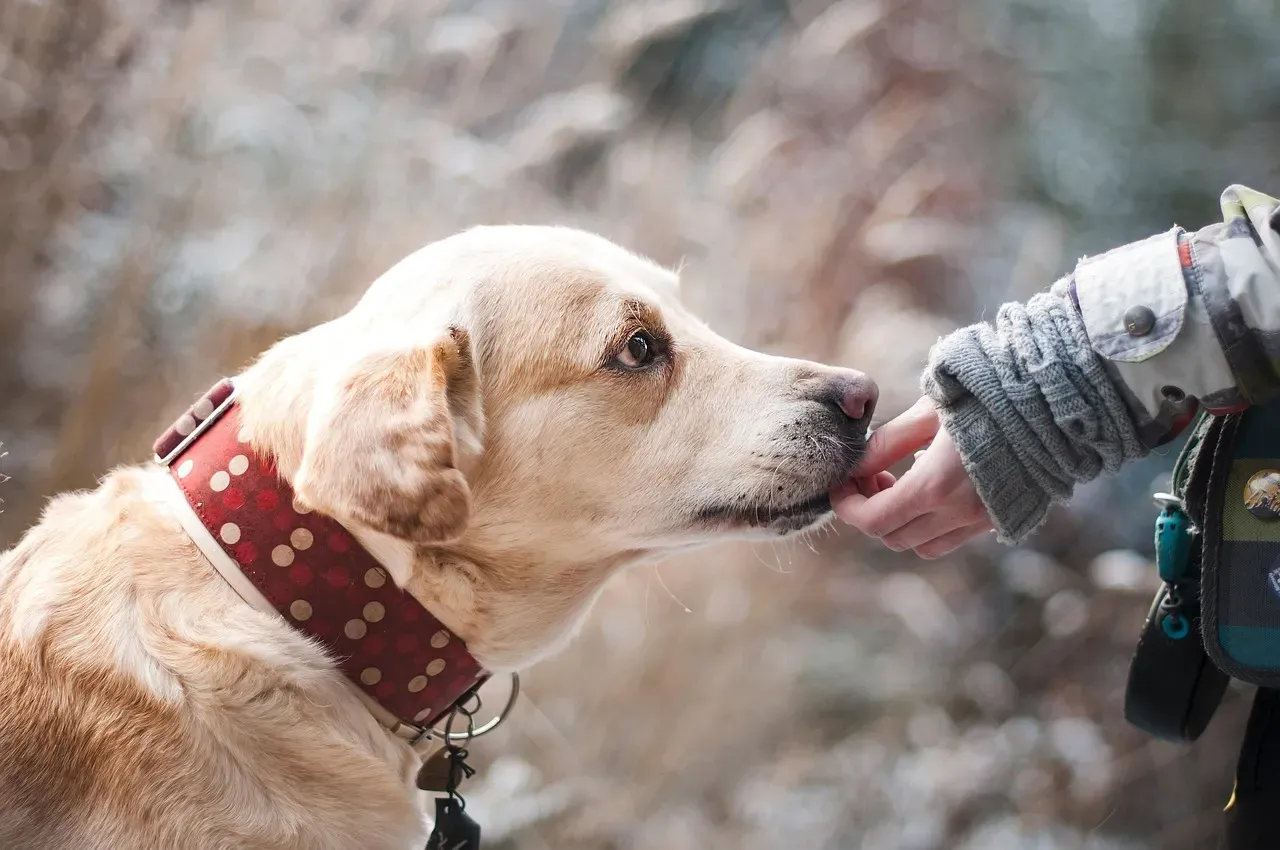
A dog’s nose processes chemical changes tied to different emotional states. Sweat composition varies with anxiety or low mood in ways humans cannot perceive. This olfactory channel operates continuously and without the owner’s awareness.
Research has shown dogs react differently to samples of sweat collected during calm versus stressed periods. Their behavior shifts accordingly even when visual cues remain neutral. Scent therefore provides an independent pathway for emotional information.
Common Behaviors That Signal a Dog’s Concern

Increased following or gentle nudging often appears when an owner feels isolated. These actions serve as quiet checks rather than demands for attention. Some dogs rest their head on a lap or stay close during extended periods of stillness.
Restlessness or changes in appetite can mirror the owner’s internal state over time. The bond creates a feedback loop where one influences the other. Owners who observe these patterns gain insight into how deeply the connection runs.
Honesty With Your Dog Builds a Healthier Dynamic
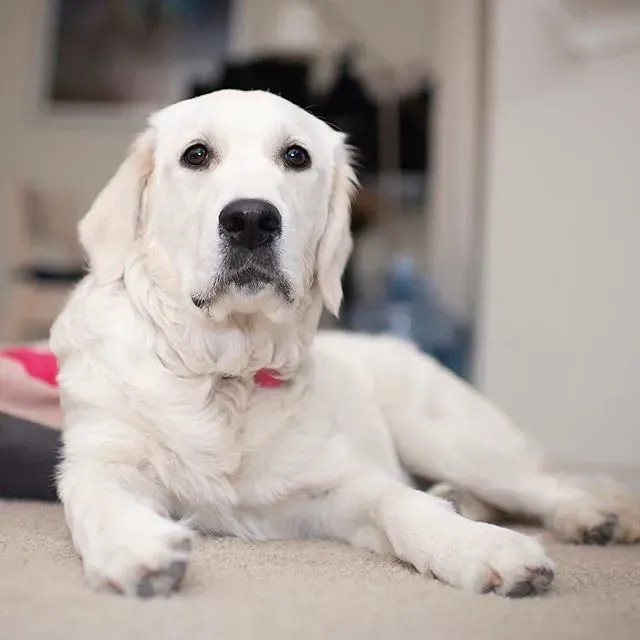
Allowing natural emotions to surface lets the relationship develop without constant filtering. Dogs respond well to consistency between what they sense and what they observe. This alignment reduces confusion on both sides.
Simple acts like sitting together without pressure create space for mutual comfort. Over months the shared understanding grows stronger. Many owners find this openness improves daily life for everyone in the home.
Dogs offer steady presence that does not require perfect performance. Their sensitivity reminds people that connection thrives on presence rather than performance. In the end the quiet loyalty of a dog encourages a gentler approach to whatever feelings arise.