
Psychology Says Dogs Remember Emotional Cruelty Longer Than Physical Pain and Never Fully Forget It
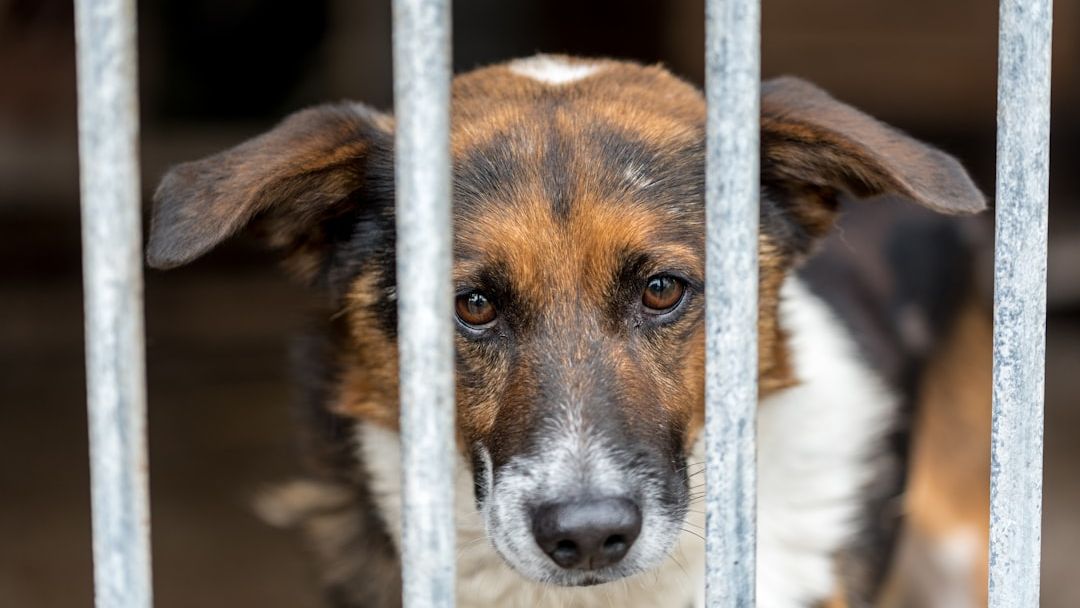
Dogs often seem to bounce back from tough moments with surprising ease. Their wagging tails and eager greetings can make it easy to assume they move on without much lingering effect from difficult times.
Yet a closer look at how their minds work reveals a different picture, one where certain emotional experiences leave deeper marks than physical ones ever could. This distinction shapes how many dogs carry their histories forward in quiet but lasting ways.
The Nature of Episodic Memory in Dogs
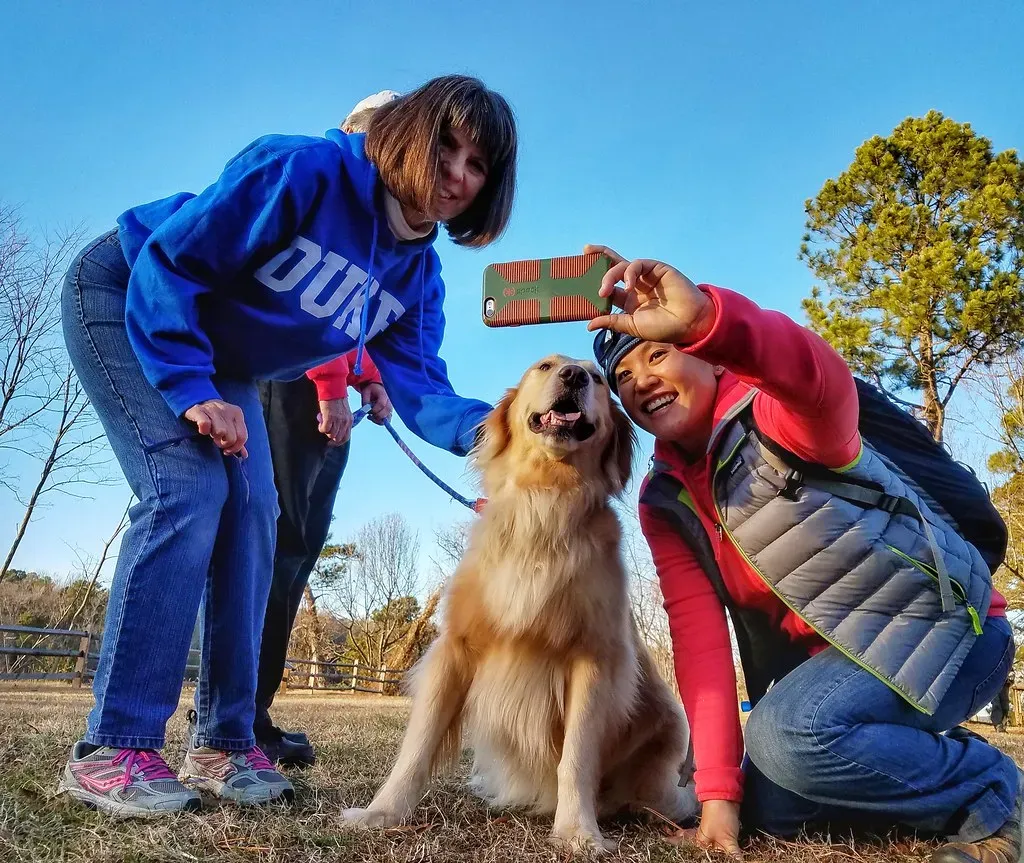
Dogs possess a form of memory that allows them to recall specific events along with details like location and timing. Research into their episodic like memory shows they can remember actions performed by themselves or others even after delays of minutes or hours.
This capacity means past experiences do not simply vanish. Instead they can resurface when similar cues appear later in life.
Why Emotional Events Stick Around Longer

Emotional experiences engage different pathways in a dog’s brain compared with straightforward physical sensations. Negative emotional encounters often tie into social bonds and feelings of safety or rejection.
These connections appear to create stronger associations that resist fading over time. Physical pain on its own tends to resolve more cleanly once the immediate discomfort ends.
Comparisons with Physical Discomfort
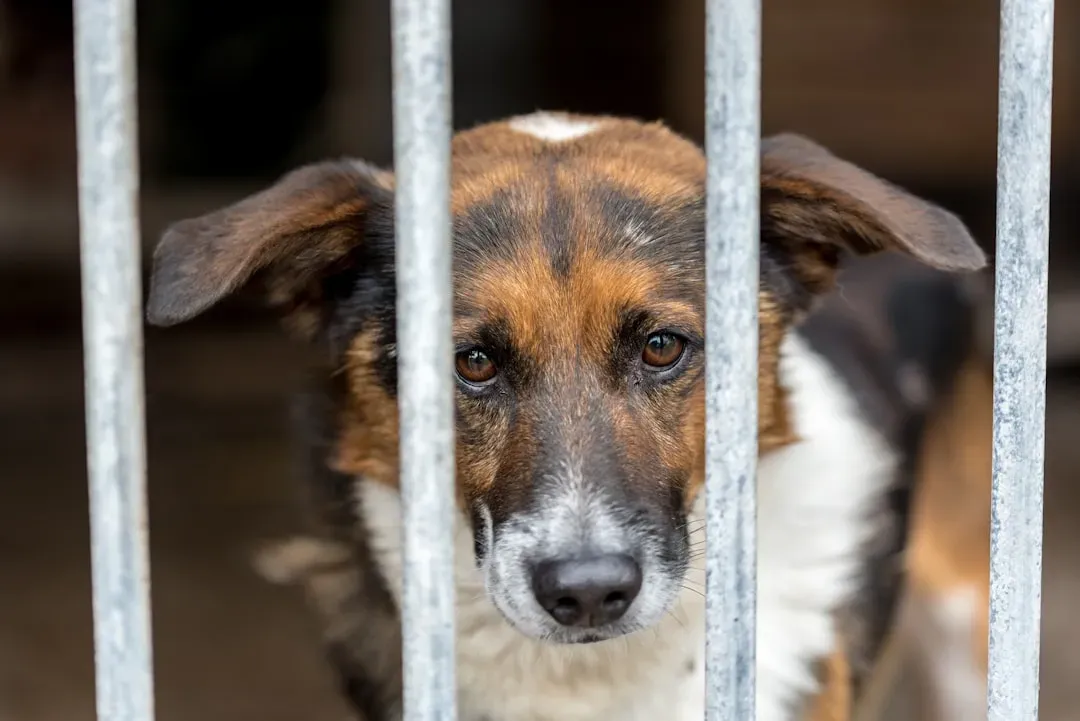
Studies on animal responses indicate that emotional distress can outweigh physical discomfort in terms of lasting influence. Dogs may endure physical challenges more readily when emotional security remains intact.
In contrast repeated emotional neglect or harsh treatment seems to embed itself more firmly. This pattern aligns with broader observations that psychological elements of experience carry heavier weight for many animals.
Real World Examples from Shelters and Homes

Rescue dogs frequently display hesitation or fear around certain people or situations long after any physical injuries have healed. These reactions often trace back to earlier emotional mistreatment rather than isolated physical events.
Owners report that dogs who experienced inconsistent affection or isolation show persistent wariness even in stable new environments. Such patterns suggest the emotional layer lingers in ways physical recovery does not.
The Role of Human Interaction in Memory Formation

Everyday interactions with people help shape what dogs retain. Positive consistent bonds can gradually soften older negative associations though complete erasure rarely occurs.
Harsh tones or unpredictable behavior from humans reinforce emotional memories more effectively than occasional physical corrections. This dynamic highlights how relationships themselves become part of the memory process.
Potential Long Term Behavioral Impacts

Dogs carrying emotional memories may exhibit anxiety separation issues or reactivity that persists for years. These behaviors often serve as echoes of earlier relational wounds rather than simple habits.
Physical pain from injury or illness tends to produce more localized and temporary responses once addressed. The emotional counterpart influences broader trust and confidence levels in ongoing ways.
What This Means for Dog Owners and Society

Recognizing the depth of emotional memory encourages more thoughtful approaches to training and care. It shifts focus toward building security and consistency rather than relying on correction alone.
Society benefits when we treat emotional well being in dogs with the same seriousness as physical health. This awareness can lead to better outcomes for both dogs and the people who share their lives.
Ultimately the way dogs hold onto emotional cruelty reminds us that their inner worlds run deeper than surface appearances suggest. Choosing kindness consistently offers the best path forward for healing what time alone may never erase.