
Psychology Says Dogs Who Follow You to the Bathroom Are Actually Protecting You From an Ancient Threat They Still Sense
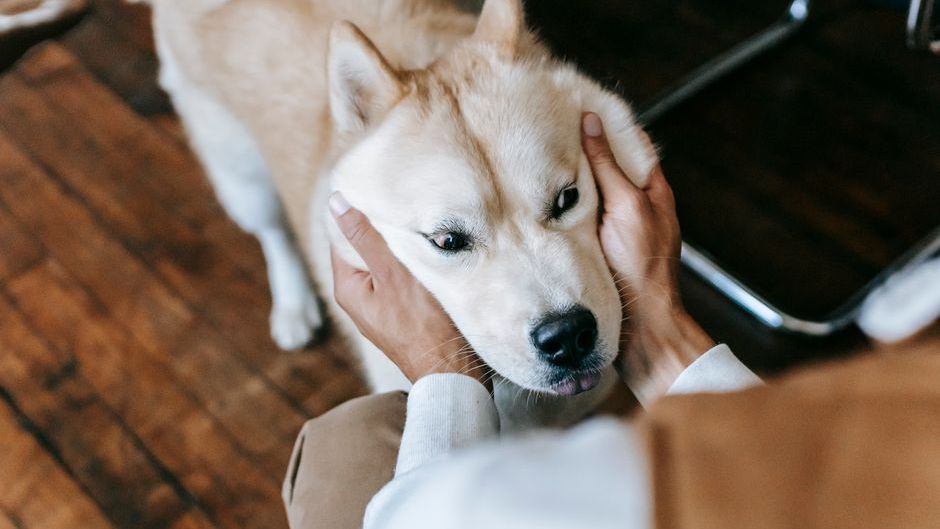
The Everyday Bathroom Shadow
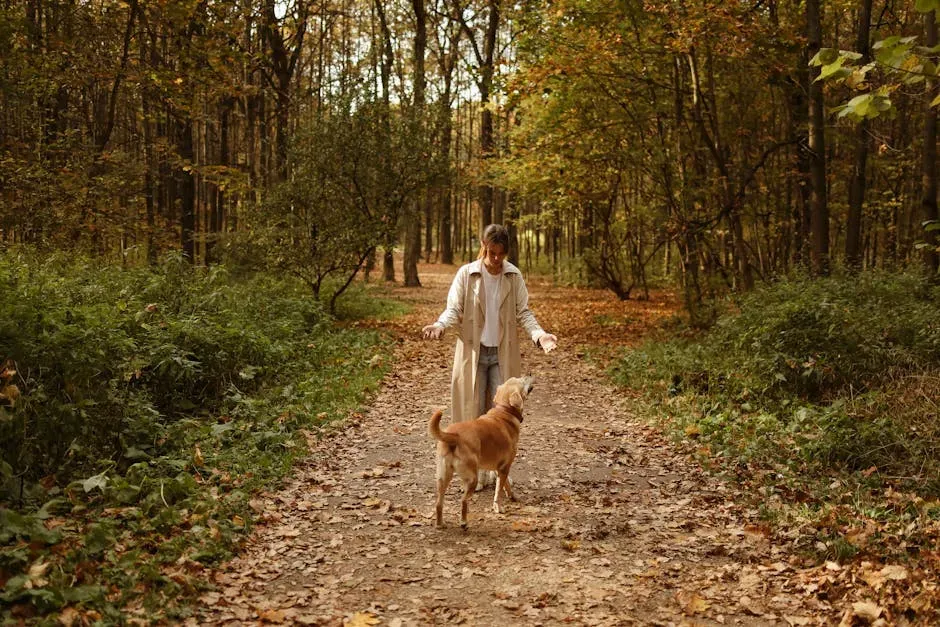
Dogs frequently trail their people into the bathroom because the space holds new scents and sounds that pique their interest. They watch routines unfold with focused attention, treating the closed door as an invitation rather than a barrier. This pattern appears across many breeds and ages, turning a quick trip into a shared moment.
Owners often notice the dog settles nearby once inside, content to observe or simply stay close. The behavior builds over time through repetition, becoming part of the daily rhythm between human and pet. Small adjustments in household movement can shift how often it happens without changing the underlying bond.
Pack Instincts at the Core
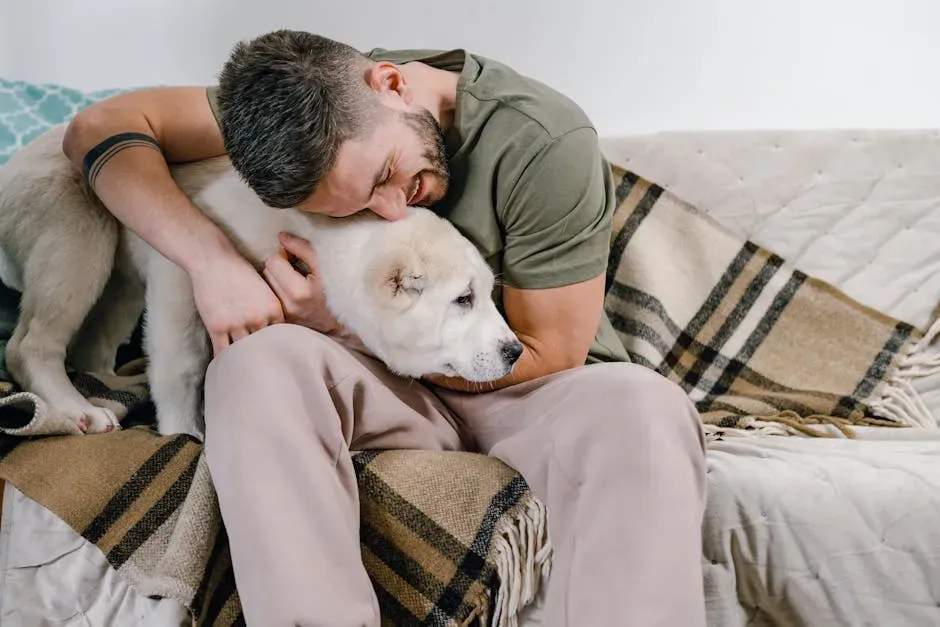
Canines evolved as social animals that moved together for safety and cooperation. In a modern home the same drive keeps them near their chosen family member during any activity. The bathroom visit simply becomes another opportunity to maintain that group connection.
Behavioral observations show dogs view their humans as central figures in the pack structure. Staying close reinforces the sense of unity that once helped wild ancestors survive. This instinct operates quietly in daily life, surfacing most clearly during moments of separation.
Vulnerability Triggers the Response
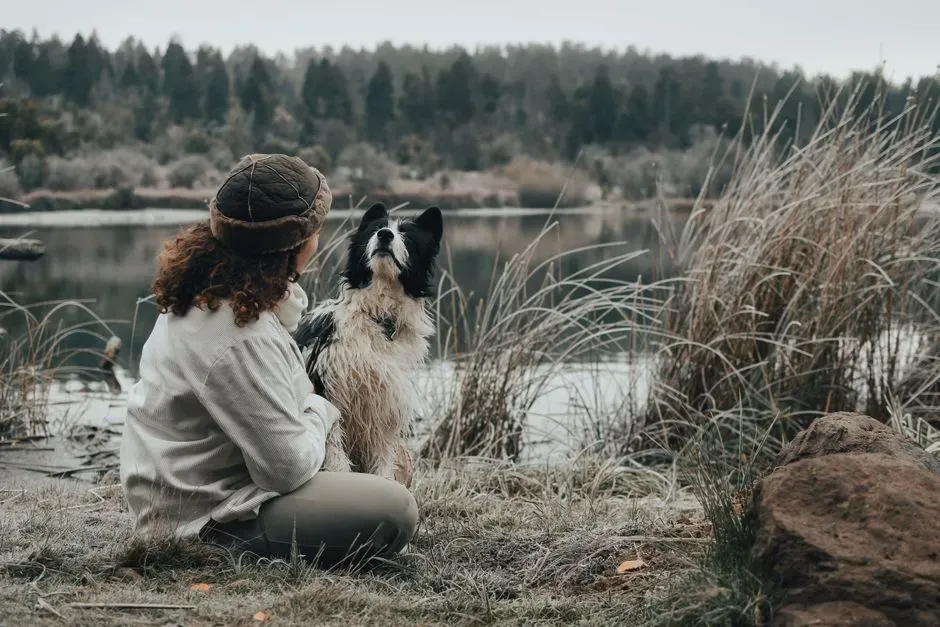
When a dog follows into the bathroom it often reflects an awareness that the person appears occupied and less alert. The enclosed space and focused posture create a window where extra presence feels useful to the animal. This response mirrors how dogs guard one another during their own vulnerable times.
Psychology of canine behavior links this action to reciprocal care within the social unit. The dog offers company without any demand for interaction, simply remaining available. Over repeated instances the pattern strengthens the mutual sense of security both parties experience.
Ancient Survival Echoes
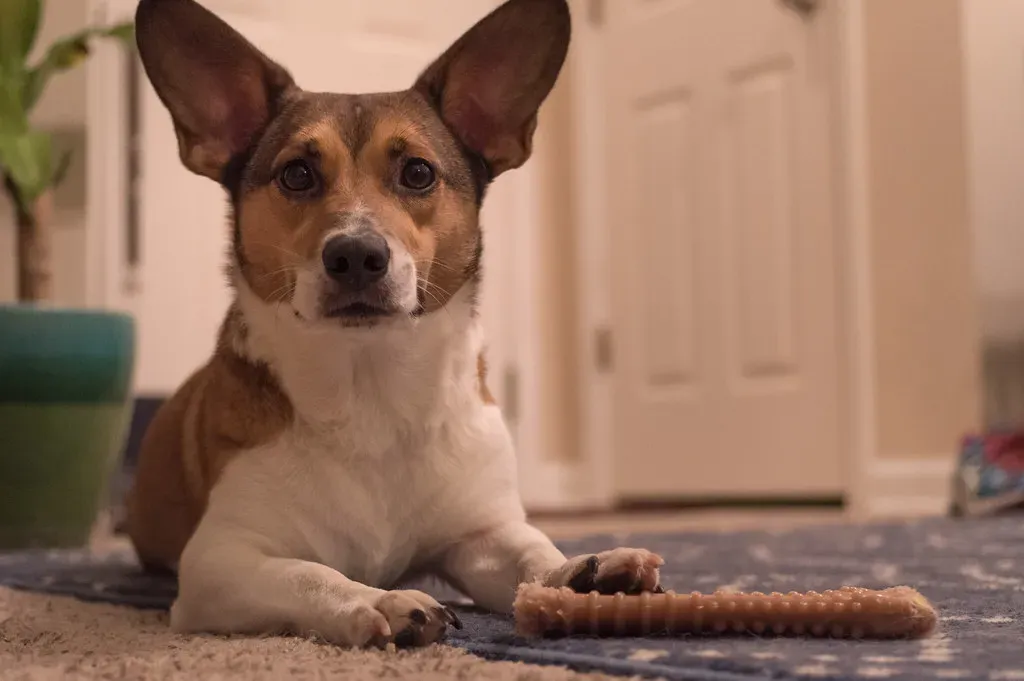
Long before homes and indoor plumbing existed, dogs and their wild relatives relieved themselves in exposed settings. Group members stayed nearby to watch for predators or other dangers during those brief moments of distraction. The modern bathroom visit taps into that same ancient caution even though the actual threats have changed.
Current understanding of dog psychology traces many clingy habits back to these evolutionary roots. The instinct persists because it once provided real advantage in group living. Today it manifests as quiet companionship rather than active defense, yet the drive remains recognizable.
Signs of Strong Attachment
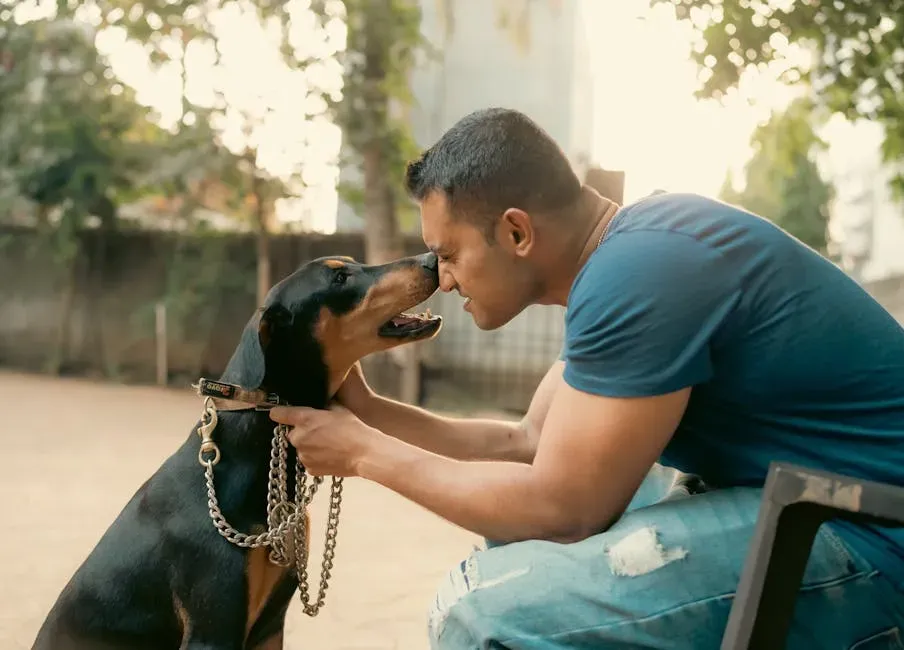
Following behavior often signals a secure and affectionate relationship between dog and owner. Dogs that shadow their people demonstrate trust and a preference for shared time over solitude. This attachment style develops through consistent positive interactions across months or years.
Owners who respond calmly tend to see the habit continue without escalation. The presence becomes a comfortable default rather than a source of tension. Such patterns highlight how daily routines shape the emotional landscape of the household.
When Extra Attention Appears
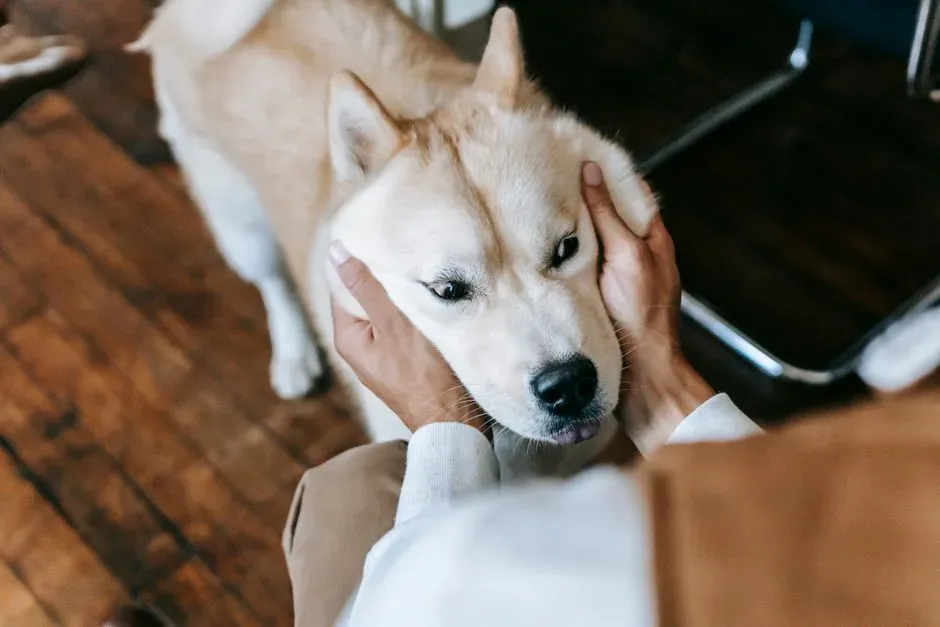
Sometimes the bathroom escort intensifies because of changes in the dog routine or environment. New schedules, visitors, or even minor stressors can prompt closer following as the animal seeks reassurance. Recognizing these shifts helps owners distinguish normal attachment from temporary unease.
Simple consistency in daily patterns usually keeps the behavior balanced. Providing alternative comfort items or brief check ins can ease any underlying worry without disrupting the bond. Most cases remain mild and manageable through ordinary attention to the dog needs.
Reading the Full Picture
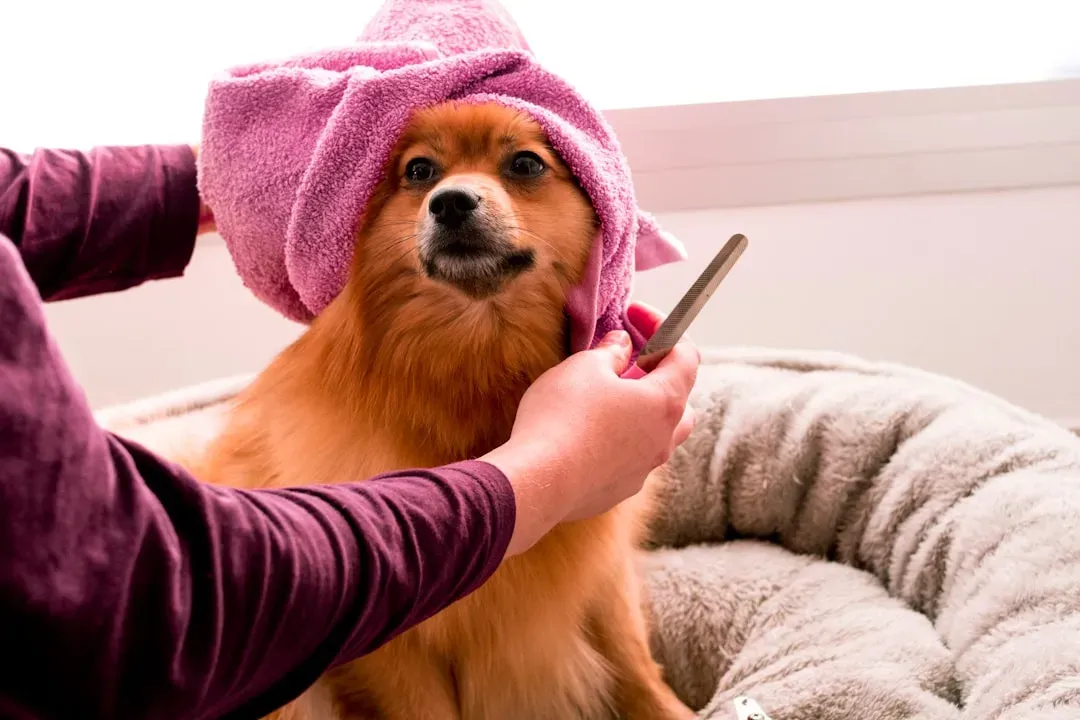
Each dog brings its own personality and history to the bathroom habit, so individual variation is common. Some follow every time while others choose only certain moments. Observing the broader context of the dog daily life reveals whether the action stems from affection, curiosity, or a mix of both.
Paying attention to body language during these moments offers clearer insight than any single explanation. Relaxed posture and easy settling point to positive attachment. Owners who stay attuned build stronger understanding of what their companion communicates through presence alone.
The quiet loyalty dogs show in these small moments reminds us that their world still revolves around the safety of the group they chose. That ancient impulse to stay close during vulnerability continues to shape the everyday bond we share with them.