
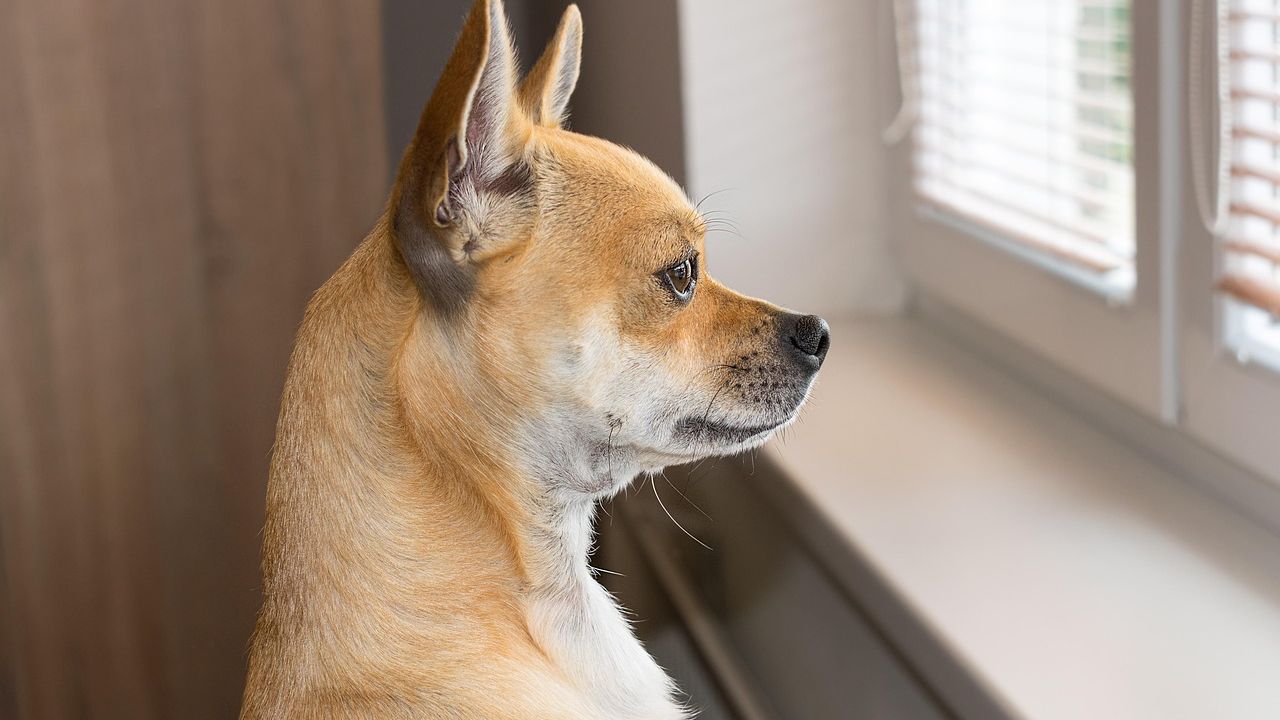
Understanding Canine Attachment
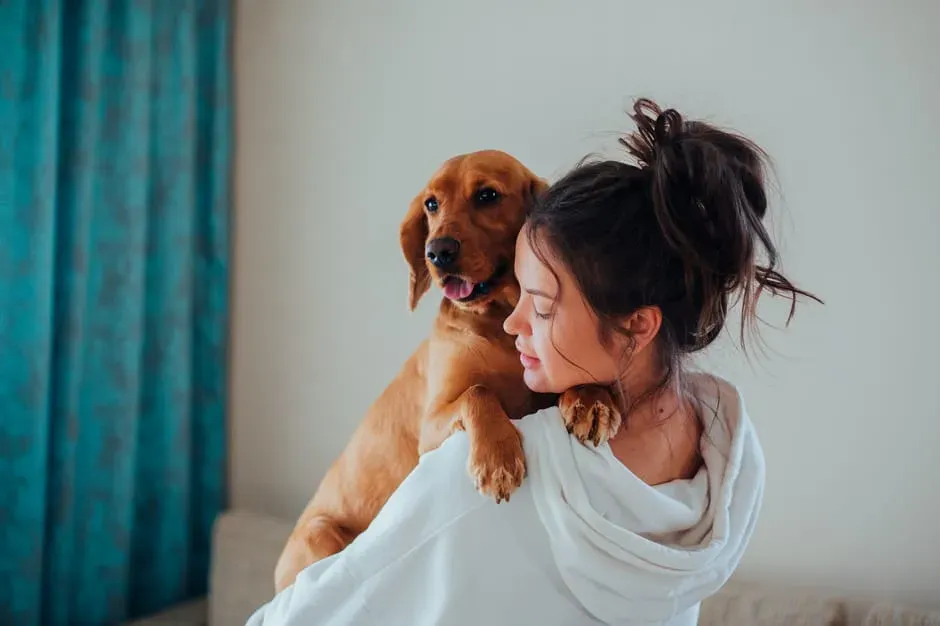
Dogs form strong emotional ties that resemble the bonds seen in young children. These connections develop through consistent care and shared experiences over time. When an owner departs, the dog may feel a sense of unease that lingers because the relationship provides security and comfort.
Research into animal behavior shows that secure attachments encourage dogs to remain in place rather than wander. This loyalty stems from early socialization and ongoing positive interactions. The result is a patient vigil that can stretch across hours or even days in some cases.
The Role Of Established Routines
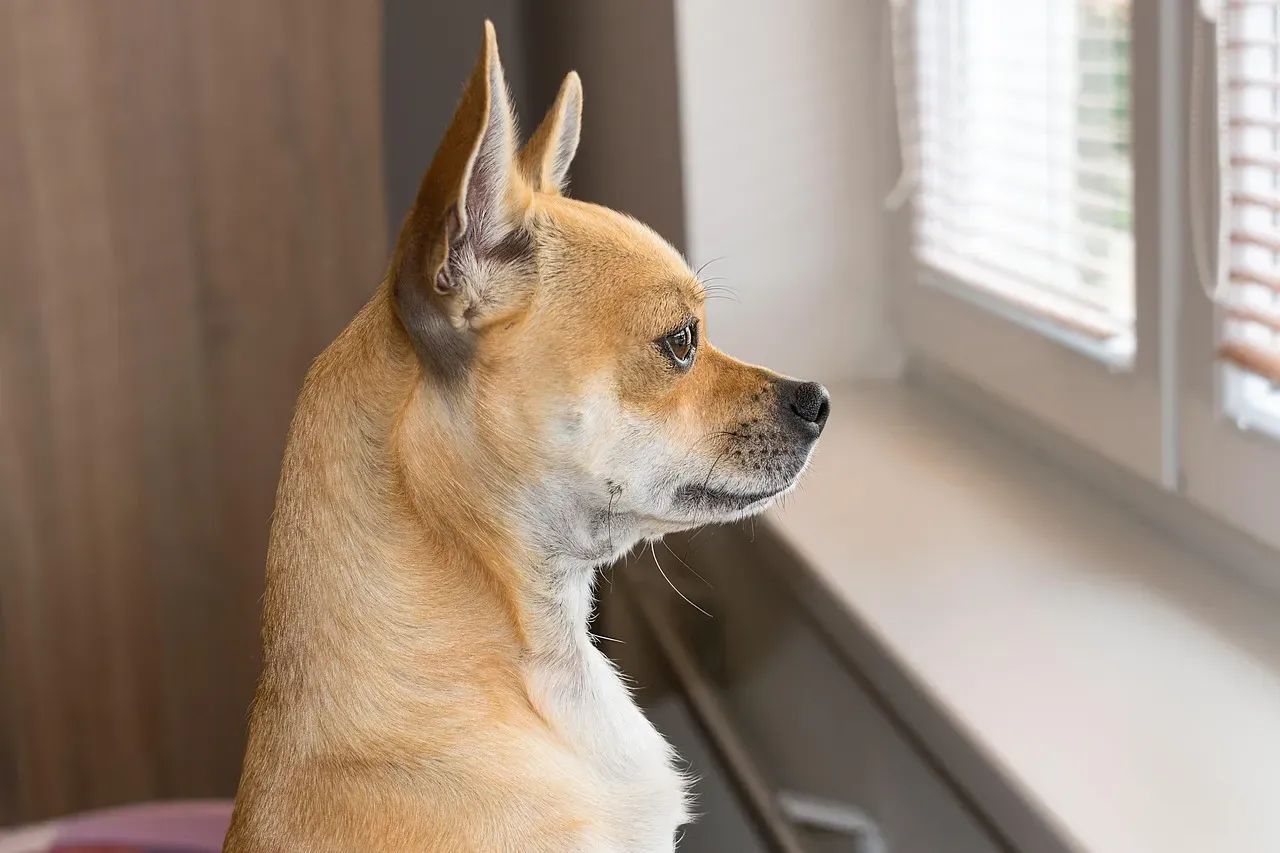
Daily schedules give dogs a framework they rely on heavily. Feeding times, walks, and play sessions create predictable anchors that shape their expectations. When those markers disappear, the dog often defaults to the last known location in hopes of restoring normalcy.
Disruptions to routine can heighten this waiting behavior because dogs lack the flexibility to reinterpret sudden changes. They continue to check the usual spots as a way to manage uncertainty. Over time this pattern reinforces their presence at home rather than exploration elsewhere.
Perception Of Time In Dogs
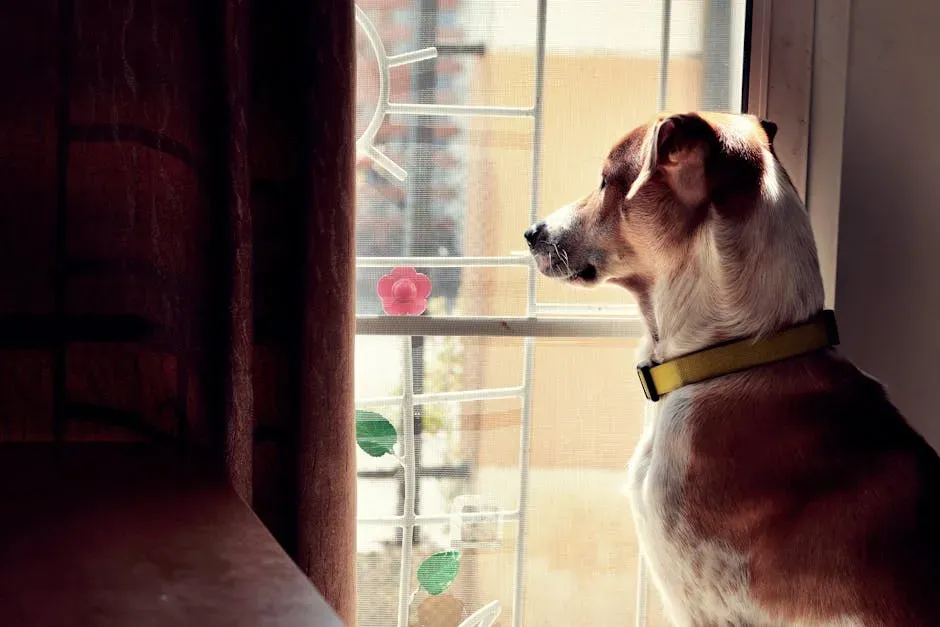
Dogs experience time through internal rhythms tied to hunger, light cycles, and activity levels. They notice when meals are late or walks are missed, yet they do not track abstract units like hours or days in the same way humans do. This limited sense of duration allows waiting to feel ongoing rather than finite.
Without a clear mental calendar, the absence of an owner registers as a temporary gap in the usual flow. Dogs respond by staying alert to familiar cues that might signal return. The behavior persists because nothing in their experience marks the wait as pointless or endless.
Why Death Remains A Mystery
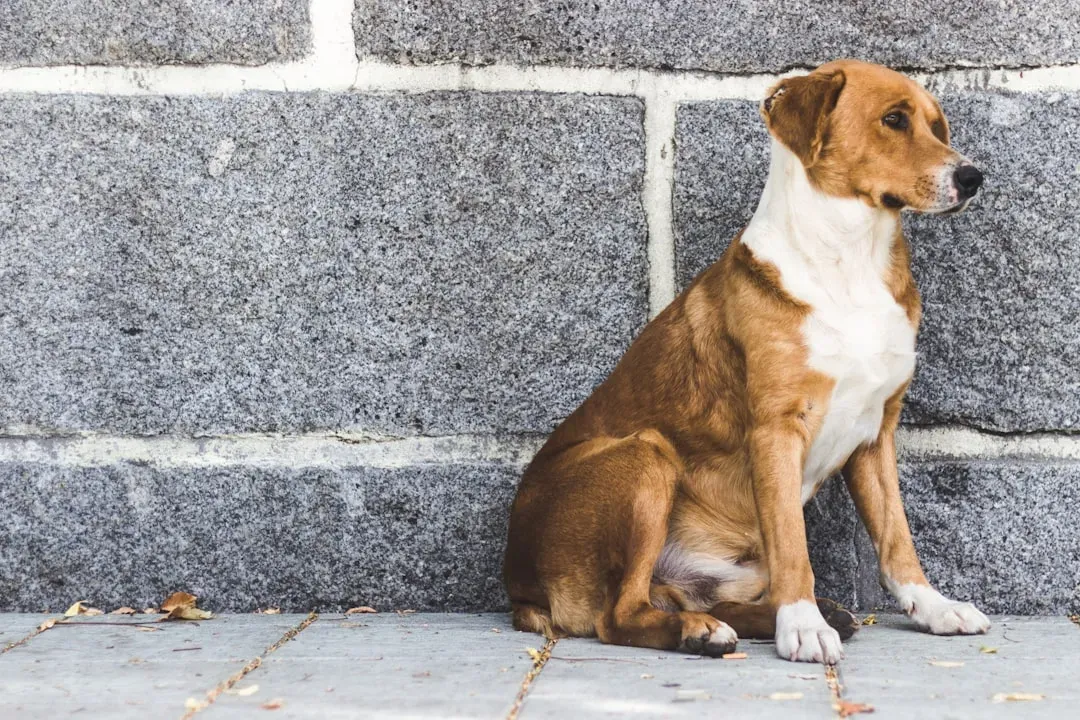
Canines do not hold a concept of permanent loss the way people do. They react to immediate absence but lack the cognitive tools to conclude that someone will never come back. This gap in understanding keeps hope alive during extended separations.
Observations of dogs in shelters or after owner loss indicate they continue scanning for familiar scents and sounds. The absence registers as unusual rather than final. As a result, many dogs maintain their post near the door or window for prolonged stretches.
Behavioral Signs Of Patient Waiting
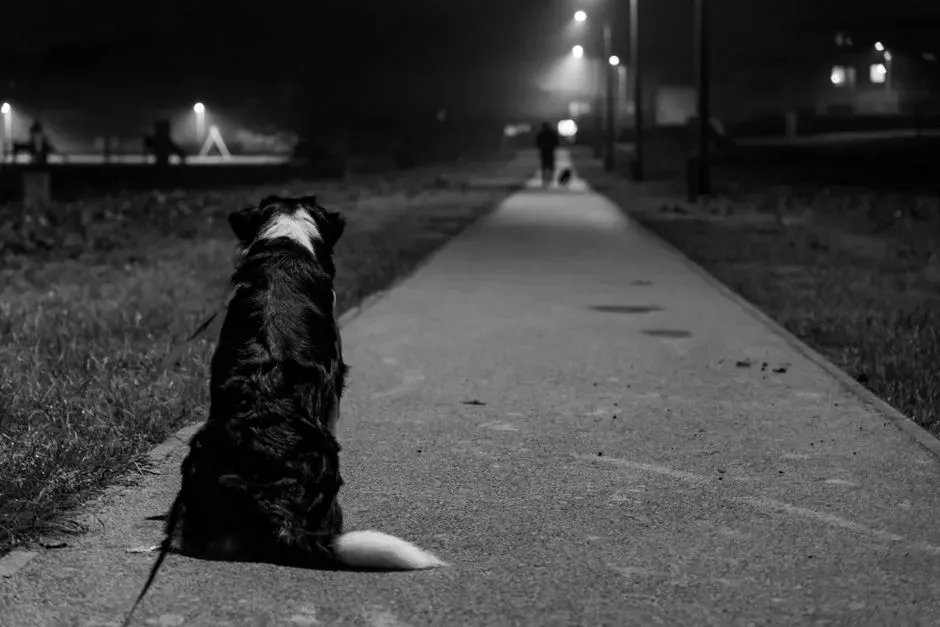
Common indicators include reduced activity, repeated visits to entry points, and occasional vocalizations when alone. These actions reflect an attempt to stay connected to the expected return. Appetite may dip slightly while the dog remains focused on the familiar space.
Some dogs show subtle restlessness that eases only when the routine resumes. Others settle into a quiet watchfulness that conserves energy. These patterns vary by individual yet point back to the same underlying attachment and habit reliance.
Factors That Shape How Long They Stay
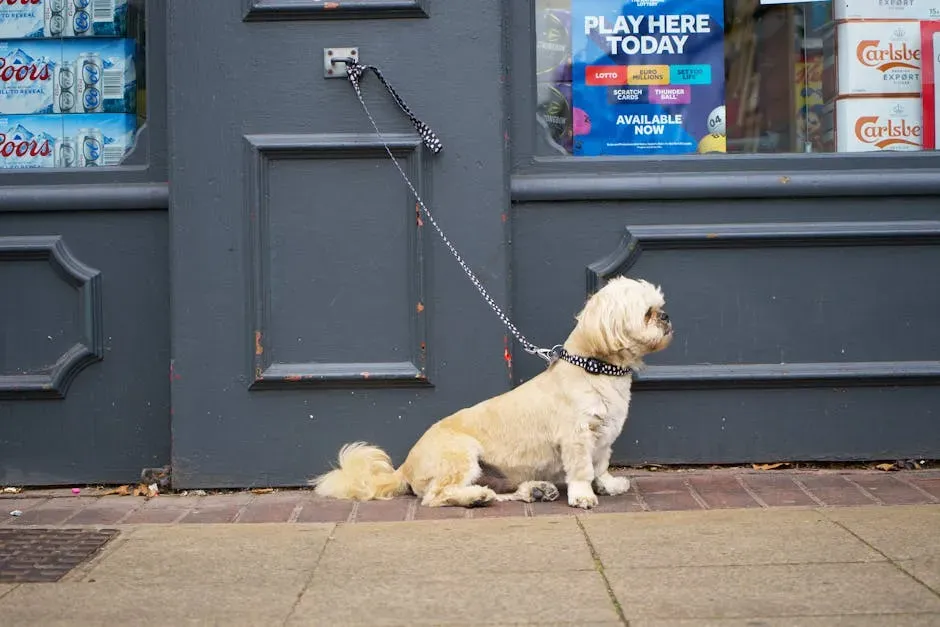
Breed tendencies, age, and the strength of the existing bond all play parts in duration. Younger dogs or those with high energy may explore more quickly, while older companions often stick closer to home. Strong daily habits amplify the impulse to wait in place.
Environmental stability also matters, such as access to food, water, and safe shelter. When these basics remain available, the dog feels less pressure to leave. Individual temperament further influences whether the wait lasts a few hours or stretches longer.
Embracing Thoughtful Care For Your Companion
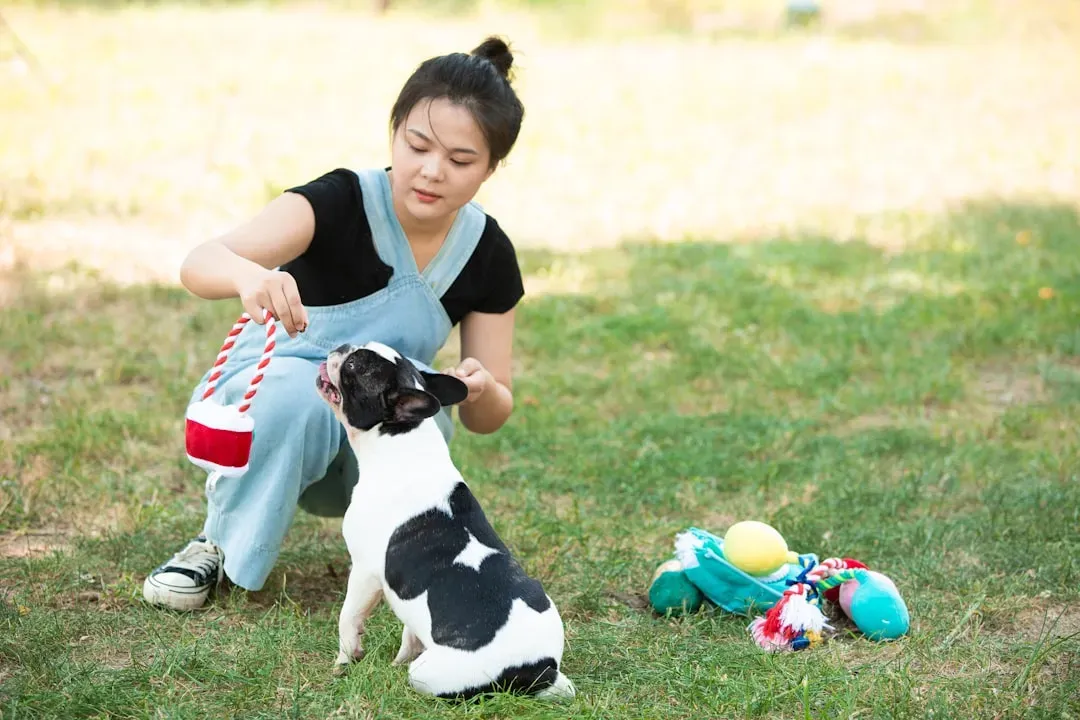
Recognizing these psychological elements encourages owners to plan absences with care. Gradual departures, familiar items left behind, and reliable caregivers can ease the strain on a waiting dog. Small adjustments often make a noticeable difference in comfort levels.
Ultimately this insight reminds us that dogs live in the present moment shaped by connection and habit. Treating their loyalty with respect means building routines that support their well being even when we step away. In the end, that steady presence reflects a simple truth about shared lives.


